




angle type globe valve Performance Analysis
Introduction
Angle type globe valves are a specific class of globe valves distinguished by their angled body configuration, incorporating a 90-degree turn in the flow path. Positioned within the fluid control industry, these valves function as crucial components in process systems requiring throttling and precise flow regulation. Unlike gate valves which are designed for on/off service, globe valves, and particularly angle-type designs, excel in applications demanding frequent operation and consistent control. Their design minimizes pressure drop compared to straight-through globe valves, making them advantageous in certain applications. Core performance characteristics are defined by their flow coefficient (Cv), pressure drop across the valve at varying flow rates, and sealing capability, directly influencing process efficiency and safety. They are prevalent in chemical processing, power generation, and HVAC systems where accurate fluid control is paramount.
Material Science & Manufacturing
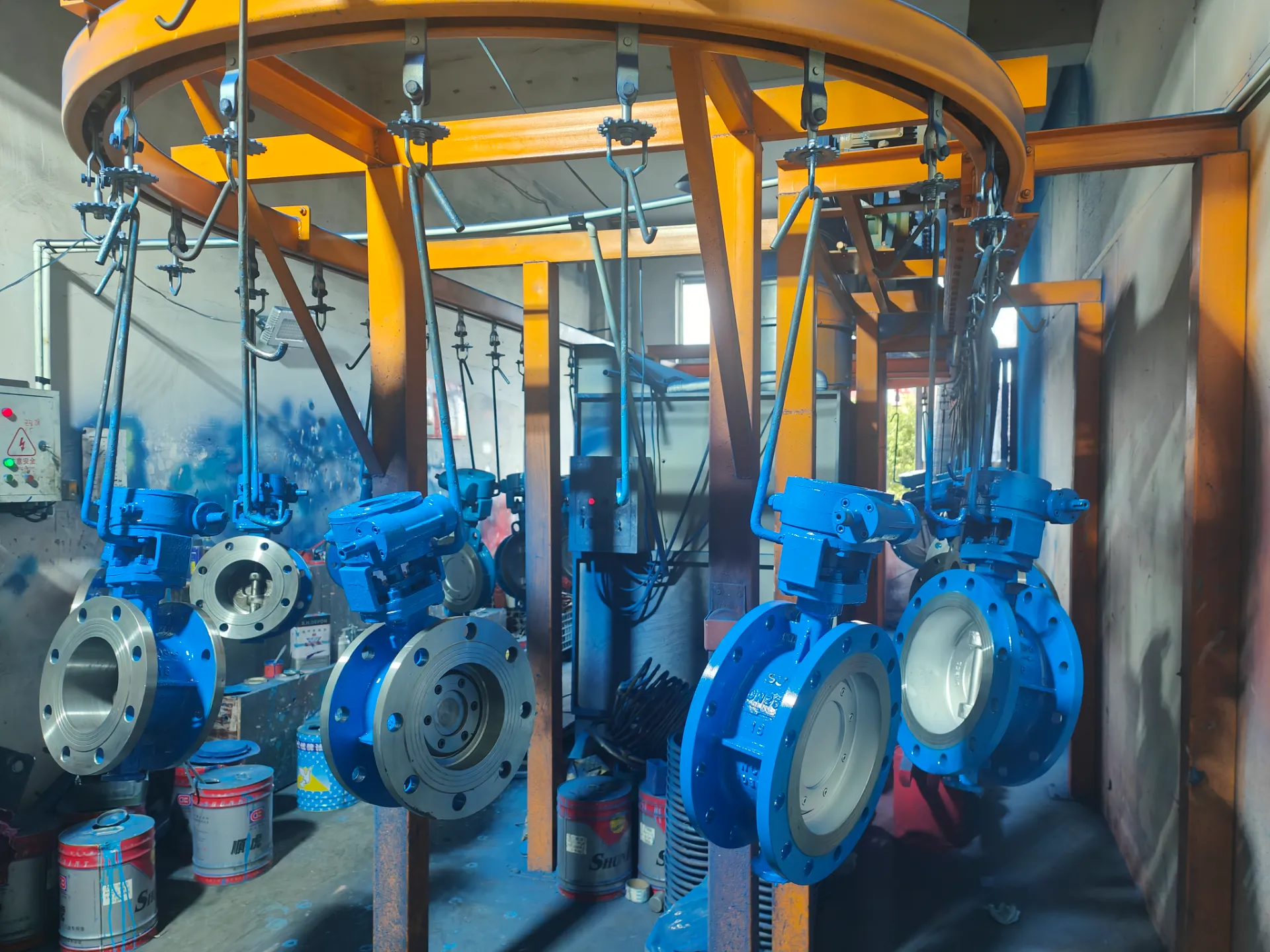
The body of an angle type globe valve is commonly constructed from materials like cast iron (ASTM A126 Grade B), ductile iron (ASTM A536 65-45-12), carbon steel (ASTM A105), stainless steel (304, 316, A182 F304/F316), or alloy steels depending on the service fluid and operating conditions. The choice of material directly impacts corrosion resistance, temperature handling capability, and mechanical strength. Valve internals, including the disc and seat, are often manufactured from materials like PTFE, reinforced PTFE, or specialized alloys to ensure tight shut-off and resistance to erosion. Manufacturing processes typically involve casting or forging the body, followed by precision machining to create the flow passages and seat interfaces. The disc is typically manufactured using investment casting or machining from bar stock. Key parameter control during manufacturing includes dimensional accuracy of the seat angles to maintain leak tightness, surface finish of the disc to minimize friction, and material hardness to resist wear. Welding processes (SMAW, GTAW) are employed for joining components, demanding stringent quality control to prevent porosity and ensure structural integrity. Post-weld heat treatment is frequently utilized to relieve residual stresses and enhance material properties. Critical dimensions are verified using Coordinate Measuring Machines (CMM) and non-destructive testing (NDT) methods like radiographic testing (RT) and liquid penetrant inspection (LPI) to ensure conformance to standards.
Performance & Engineering
Angle type globe valves experience significant forces during operation. Fluid flow exerts a force on the disc, which is counteracted by the actuator (manual, pneumatic, electric). Proper force balancing is crucial to prevent premature wear and ensure reliable shut-off. Engineering analyses, including Finite Element Analysis (FEA), are employed to optimize the valve body design to withstand internal pressure and external loads. The angle configuration induces a bending moment on the valve stem, requiring robust stem support and bearing design. Environmental resistance is a critical performance aspect. Exposure to corrosive fluids necessitates the selection of appropriate materials and protective coatings. Temperature fluctuations induce thermal expansion and contraction, demanding careful design of sealing mechanisms to maintain leak tightness. Compliance requirements, such as those outlined in ANSI/FCI 70-2 for valve classification and ISO 5208 for pressure-temperature ratings, dictate design and testing protocols. The valve’s flow characteristics – typically quick-opening, linear, or equal percentage – are engineered based on the application's control requirements. Equal percentage valves offer the most stable control across a wide range of flow rates, while quick-opening valves are suited for on-off applications.
Technical Specifications
| Parameter | Specification (Typical) | Unit | Standard |
|---|---|---|---|
| Maximum Operating Pressure | 250 | PSI | ANSI/ASME B16.34 |
| Temperature Range | -29 to 427 | °F | ANSI/ASME B16.34 |
| Cv (Flow Coefficient) | 5 to 500 | Gallons per Minute (GPM) @ 1 PSI | ISA 75.01.01 |
| Connection Type | Screwed (NPT), Flanged (ANSI B16.5) | - | ANSI B16.5/NPT |
| Body Material | Carbon Steel (A105), Stainless Steel (316) | - | ASTM A105/A182 F316 |
| Seat Material | PTFE, Reinforced PTFE | - | - |
Failure Mode & Maintenance
Angle type globe valves are susceptible to several failure modes. Erosion of the disc and seat, particularly in abrasive fluid applications, leads to leakage. Cavitation, caused by rapid pressure drops, can severely damage the disc and valve internals. Fatigue cracking can occur in the valve body due to cyclical pressure loading. Stem packing failure results in external leakage. Corrosion, especially in aggressive environments, compromises the valve body and internal components. Failure analysis often involves visual inspection, dye penetrant testing, and metallurgical analysis to identify the root cause. Maintenance procedures include regular inspection of the disc and seat for wear, replacement of stem packing, lubrication of the stem threads, and periodic testing of the valve to ensure leak tightness. Preventative maintenance, such as flushing the valve to remove debris, can significantly extend its service life. For severely corroded valves, complete replacement may be necessary. Proper valve selection, based on the fluid properties and operating conditions, is crucial to minimize the risk of failure. Periodic torque checks on the actuator are also recommended to ensure proper operation.
Industry FAQ
Q: What are the advantages of an angle type globe valve over a straight-through globe valve?
A: Angle type globe valves offer reduced pressure drop due to the streamlined flow path created by the 90-degree turn. This can translate to energy savings and improved system efficiency, particularly in applications where minimizing pressure loss is critical. The angle configuration also simplifies piping layouts in certain scenarios.
Q: How does the valve trim (disc and seat) material affect performance and lifespan?
A: The valve trim material is paramount. PTFE offers excellent sealing but has limited temperature resistance and is susceptible to creep. Reinforced PTFE provides improved temperature resistance and dimensional stability. Alloy trims, like Hastelloy or Stellite, are used in highly corrosive or abrasive environments to maximize lifespan and minimize erosion.
Q: What is the impact of cavitation on globe valve performance and longevity?
A: Cavitation causes localized high-energy implosions that erode the valve’s internal surfaces, primarily the disc and seat. This leads to increased leakage, reduced flow capacity, and eventual valve failure. Careful selection of valve trim and operating conditions to avoid excessive pressure drops can mitigate cavitation.
Q: What are the key considerations when specifying a globe valve for high-temperature applications?
A: High-temperature applications require careful material selection to maintain mechanical strength and prevent thermal expansion issues. The valve body and trim must be constructed from materials with adequate high-temperature creep resistance and oxidation resistance. Seat materials like graphite or special alloys are often used to maintain sealing at elevated temperatures.
Q: How important is regular maintenance, and what does a typical maintenance schedule look like?
A: Regular maintenance is crucial for ensuring reliable operation and preventing unexpected failures. A typical schedule includes visual inspection for external leakage, periodic stem packing adjustment, lubrication of stem threads, and functional testing to verify leak tightness. More extensive maintenance, such as disc and seat replacement, should be performed based on operating conditions and inspection findings.
Conclusion
Angle type globe valves represent a sophisticated fluid control solution, offering precise throttling and regulation capabilities crucial for numerous industrial processes. Their angled configuration provides inherent advantages in pressure drop reduction and piping simplification. However, successful implementation relies on meticulous material selection, precise manufacturing control, and adherence to relevant industry standards. Understanding the potential failure modes – erosion, cavitation, corrosion, and fatigue – and implementing a proactive maintenance strategy are paramount for maximizing valve lifespan and ensuring process reliability.
Future advancements in globe valve technology will likely focus on developing new materials with enhanced corrosion resistance and erosion protection, incorporating smart valve features for remote monitoring and diagnostics, and optimizing valve designs to further minimize pressure drop and improve flow characteristics. The continued demand for precise fluid control in increasingly complex industrial applications will drive innovation and refinement in this critical component.
-
Top Reasons to Choose a Stainless Steel Flange Check Valve for Industrial Applications
-
forging flanges Material Performance
-
Round Flange Performance Analysis
-
Round Flanges Performance Analysis
-
Custom Flange Performance Analysis
-
DN 40 Flange Performance Analysis
-
8 inch flange Performance Analysis
-
angle ring flanges Performance Analysis
-
Flat Flanges Performance Analysis
-
Full Face Flange Performance Analysis
-
Full Face Flanges Performance Analysis
-
flange 8 inch Performance Analysis
-
Ring Flange Performance Analysis
-
3 inch split flange Performance Analysis
-
Tongue and groove flange Performance Analysis
 Afrikaans
 Albanian
 Amharic
 Arabic
 Armenian
 Azerbaijani
 Basque
 Belarusian
 Bengali
 Bosnian
 Bulgarian
 Catalan
 Cebuano
 Corsican
 Croatian
 Czech
Czech
 Danish
 Dutch
Dutch
 Esperanto
 Estonian
 Finnish
 French
 Frisian
 Galician
 Georgian
 German
 Greek
Greek
 Gujarati
 Haitian Creole
 Hausa
Hawaiian
Hausa
Hawaiian
 Hebrew
 Hindi
Hindi
 Miao
Miao
 Hungarian
 Icelandic
 Igbo
Igbo
 Indonesian
 Irish
Irish
 Italian
 Japanese
 Javanese
Kannada
Javanese
Kannada
 Kazakh
 Khmer
Khmer
 Rwandese
 Korean
 Kurdish
 Kyrgyz
 Lao
Lao
 Latin
Latin
 Latvian
 Lithuanian
 Luxembourgish
 Macedonian
 Malgashi
 Malay
Malay
 Malayalam
 Maltese
 Maori
Maori
 Marathi
 Mongolian
 Myanmar
 Nepali
 Norwegian
 Norwegian
 Occitan
 Pashto
 Persian
 Polish
 Portuguese
Punjabi
Portuguese
Punjabi
 Romanian
 Russian
 Samoan
 Scottish Gaelic
 Serbian
 Sesotho
 Shona
Shona
 Sindhi
 Sinhala
 Slovak
 Slovenian
 Somali
 Spanish
 Sundanese
 Swahili
 Swedish
Tagalog
Swedish
Tagalog
 Tajik
Tajik
 Tamil
Tamil
 Tatar
Tatar
 Telugu
 Thai
Thai
 Turkish
 Turkmen
 Ukrainian
 Urdu
Urdu
 Uighur
 Uzbek
Uzbek
 Vietnamese
 Welsh
Welsh
 Bantu
Bantu
 Yiddish
 Yoruba
 Zulu
Zulu
 English