




china 12v ball valve Performance Analysis
Introduction
The 12V ball valve, manufactured in China, represents a critical component in automated fluid control systems across a diverse range of industrial applications. This electrically actuated valve utilizes a 12-volt direct current to operate, providing a compact and efficient solution for on/off control of liquids, gases, and semi-solid media. Positioned within the industrial chain as a final control element, the 12V ball valve responds to signals from programmable logic controllers (PLCs), distributed control systems (DCS), or direct manual control, facilitating precise flow regulation. Core performance characteristics center on flow capacity (Cv), response time, leak tightness, and operational longevity, all influenced by material selection, manufacturing precision, and actuator design. A key industry pain point is ensuring consistent quality and reliable performance from Chinese manufacturers, particularly regarding material traceability and adherence to international standards, impacting long-term operational costs and system safety.
Material Science & Manufacturing
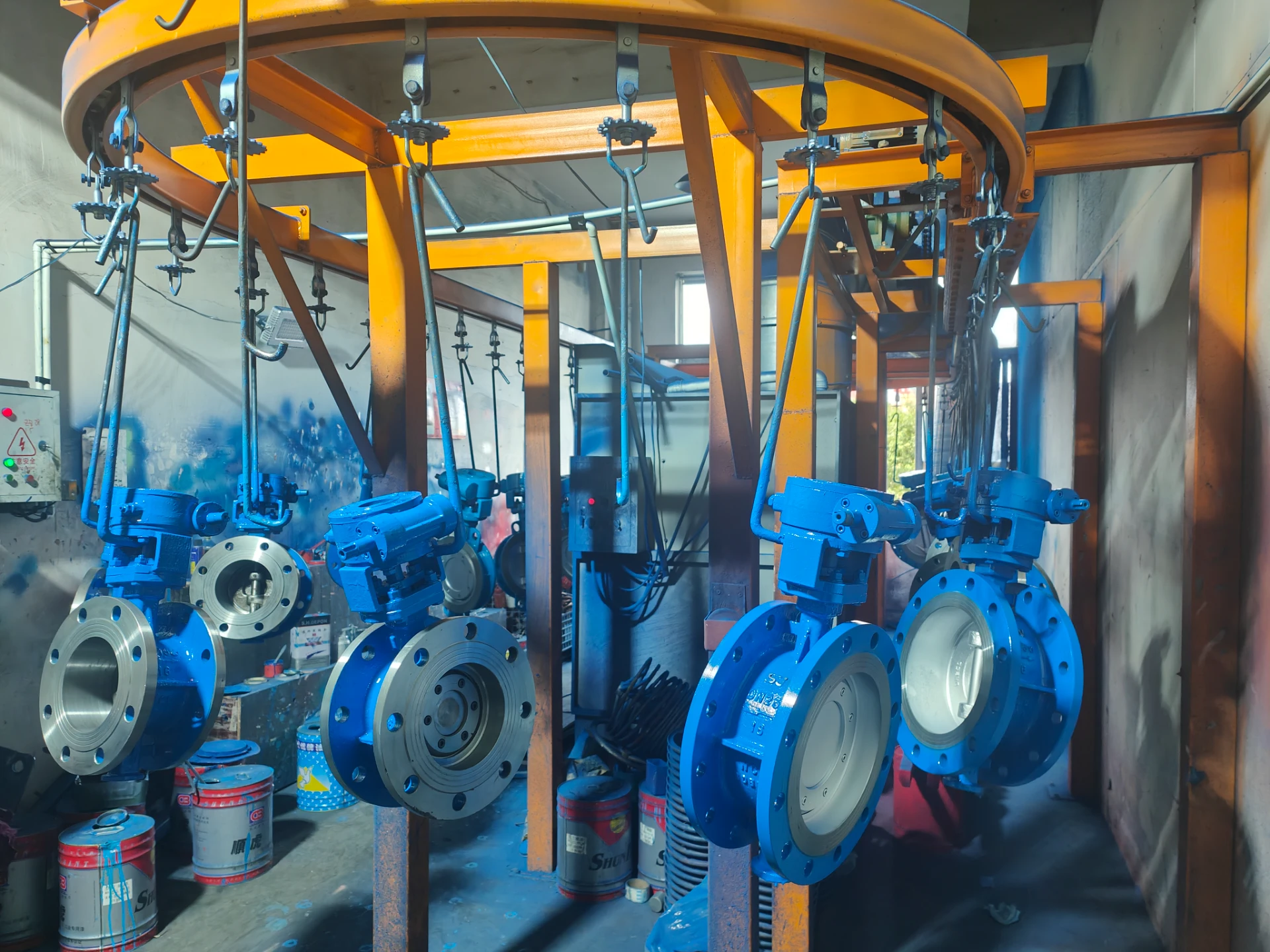
The construction of a typical China 12V ball valve necessitates a meticulous selection of materials optimized for specific application environments. The valve body is commonly manufactured from brass (CZ125, HPb59-1) due to its corrosion resistance, machinability, and cost-effectiveness. However, for aggressive media, stainless steel (304, 316) or even specialized alloys like PTFE-lined carbon steel are utilized. The ball itself is often crafted from chrome-plated brass or stainless steel, demanding high surface finish for minimal friction and tight sealing. Seals are typically composed of PTFE (Teflon) or Viton (FKM), chosen for their chemical inertness and temperature resistance. The actuator housing commonly employs reinforced plastic (PBT, PA66) for lightweight construction and electrical insulation. Manufacturing processes involve precision casting or forging for the body, followed by CNC machining to ensure dimensional accuracy. The ball undergoes a stringent polishing process. Assembly involves careful tightening of connections to ensure leak-free operation. Key parameter control during manufacturing includes wall thickness uniformity, ball roundness (tolerance of ±0.02mm), and seal compression. Improper material selection or inadequate process control can lead to premature failure due to corrosion, erosion, or seal degradation.
Performance & Engineering
The performance of a 12V ball valve is fundamentally governed by principles of fluid dynamics and electromechanical engineering. Force analysis considers the torque required to rotate the ball against the fluid pressure and seal friction. Actuator selection dictates the achievable torque and response time; solenoid actuators are common, characterized by rapid switching speeds but lower torque capacity, while geared motors offer higher torque but slower response. Environmental resistance is critical, necessitating consideration of temperature extremes, humidity, and exposure to corrosive agents. Compliance requirements, particularly those pertaining to electrical safety (CE, UL) and fluid handling (NSF, WRAS), dictate design and material choices. Functional implementation hinges on the valve’s compatibility with control systems, including voltage requirements, signal protocols (e.g., 4-20mA, Modbus), and fail-safe mechanisms (e.g., fail-open, fail-closed). A significant engineering challenge lies in minimizing hysteresis – the difference between the valve's opening and closing points for a given control signal – to ensure precise flow control. Furthermore, ensuring proper grounding and electromagnetic compatibility (EMC) is vital to prevent interference with nearby electronic equipment.
Technical Specifications
| Parameter | Unit | Typical Value | Tolerance |
|---|---|---|---|
| Nominal Diameter | mm | 25 | ±0.1 |
| Operating Voltage | V DC | 12 | ±10% |
| Operating Current | A | 0.5 | ±0.05 |
| Response Time (Open/Close) | s | 2 | ±0.5 |
| Maximum Operating Pressure | bar | 10 | - |
| Temperature Range | °C | -20 to 80 | - |
Failure Mode & Maintenance
Common failure modes for 12V ball valves include leakage due to seal degradation (caused by aging, chemical attack, or excessive temperature), actuator failure (resulting from electrical overload, corrosion, or mechanical wear), and corrosion of valve body components. Fatigue cracking can occur in the ball itself under cyclical operation, particularly with abrasive media. Delamination of PTFE coatings (if present) can lead to increased friction and leakage. Oxidation of metallic components is also prevalent in humid environments. Failure analysis typically involves visual inspection for cracks or corrosion, leak testing to assess seal integrity, and electrical testing of the actuator. Preventive maintenance includes regular lubrication of the actuator mechanism, inspection of seals for wear, and cleaning of valve body surfaces. Periodic testing of the valve’s response time and leak tightness is crucial. Replacement of seals and actuators should be performed according to manufacturer’s recommendations. In cases of severe corrosion, complete valve replacement is often the most cost-effective solution. Proper installation, avoiding over-tightening of connections, and protecting the valve from harsh environmental conditions are essential for maximizing service life.
Industry FAQ
Q: What is the expected lifespan of the solenoid actuator in a typical 12V ball valve used in a wastewater treatment plant?
A: The lifespan of a solenoid actuator in a wastewater treatment plant application, characterized by potentially corrosive atmospheres and frequent cycling, typically ranges from 2 to 5 years. This is highly dependent on the quality of the solenoid, the presence of protective coatings, and the frequency of operation. Regular inspection for corrosion and electrical resistance testing are recommended to predict potential failures.
Q: How does the material of the valve body impact its compatibility with different chemical solutions?
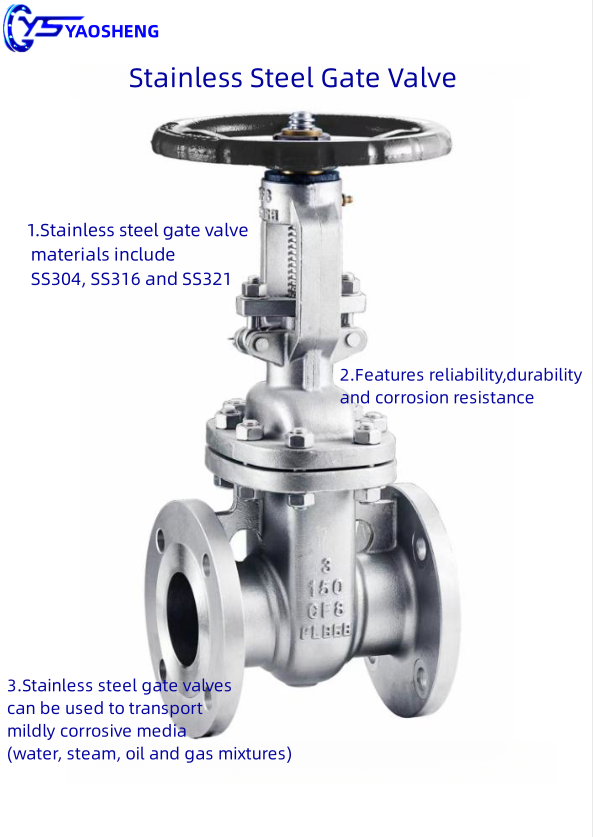
A: The valve body material is paramount for chemical compatibility. Brass is suitable for many common liquids but susceptible to dezincification in certain aggressive solutions. Stainless steel (316) provides superior resistance to a broader range of chemicals, including acids and chlorides. PTFE-lined valves offer the highest level of chemical inertness, suitable for highly corrosive media, but at a higher cost.
Q: What is the significance of the "Cv" value for a ball valve and how does it relate to flow rate?
A: The Cv value (flow coefficient) is a measure of the valve's flow capacity – the volume of water (in gallons per minute) that will flow through the valve with a pressure drop of 1 psi. A higher Cv value indicates greater flow capacity. Flow rate is directly proportional to the Cv value and the pressure drop across the valve.
Q: What steps can be taken to mitigate the risk of galvanic corrosion when using a brass ball valve in a system with steel piping?
A: Galvanic corrosion occurs when dissimilar metals are in contact in the presence of an electrolyte. To mitigate this risk, use dielectric unions to electrically isolate the brass valve from the steel piping. Applying a protective coating to both metals can also reduce corrosion potential. Consider using a sacrificial anode to protect the more vulnerable metal.
Q: What are the key differences between a normally open (NO) and a normally closed (NC) 12V ball valve, and which is generally preferred for safety-critical applications?
A: A normally closed (NC) valve is closed when de-energized and opens upon receiving a 12V signal. A normally open (NO) valve is open when de-energized and closes upon receiving a 12V signal. For safety-critical applications, a normally closed (NC) valve is generally preferred, as it fails to the safe position (closed) in the event of a power failure, preventing uncontrolled flow.
Conclusion
The China-manufactured 12V ball valve offers a cost-effective and versatile solution for automated fluid control. Its performance is intrinsically linked to material selection, manufacturing precision, and adherence to rigorous quality control standards. Understanding the potential failure modes – ranging from seal degradation to actuator malfunction – is vital for implementing effective preventive maintenance strategies and ensuring long-term reliability.
Going forward, advancements in actuator technology, coupled with improved material science focused on corrosion resistance and durability, will continue to enhance the performance and longevity of these valves. A critical focus remains on verifying manufacturer compliance with international standards and implementing comprehensive quality assurance protocols to mitigate risks associated with sourcing from China, ultimately leading to optimized system efficiency and reduced operational costs.
-
Top Reasons to Choose a Stainless Steel Flange Check Valve for Industrial Applications
-
forging flanges Material Performance
-
Round Flange Performance Analysis
-
Round Flanges Performance Analysis
-
Custom Flange Performance Analysis
-
DN 40 Flange Performance Analysis
-
8 inch flange Performance Analysis
-
angle ring flanges Performance Analysis
-
Flat Flanges Performance Analysis
-
Full Face Flange Performance Analysis
-
Full Face Flanges Performance Analysis
-
flange 8 inch Performance Analysis
-
Ring Flange Performance Analysis
-
3 inch split flange Performance Analysis
-
Tongue and groove flange Performance Analysis
 Afrikaans
 Albanian
 Amharic
 Arabic
 Armenian
 Azerbaijani
 Basque
 Belarusian
 Bengali
 Bosnian
 Bulgarian
 Catalan
 Cebuano
 Corsican
 Croatian
 Czech
Czech
 Danish
 Dutch
Dutch
 Esperanto
 Estonian
 Finnish
 French
 Frisian
 Galician
 Georgian
 German
 Greek
Greek
 Gujarati
 Haitian Creole
 Hausa
Hawaiian
Hausa
Hawaiian
 Hebrew
 Hindi
Hindi
 Miao
Miao
 Hungarian
 Icelandic
 Igbo
Igbo
 Indonesian
 Irish
Irish
 Italian
 Japanese
 Javanese
Kannada
Javanese
Kannada
 Kazakh
 Khmer
Khmer
 Rwandese
 Korean
 Kurdish
 Kyrgyz
 Lao
Lao
 Latin
Latin
 Latvian
 Lithuanian
 Luxembourgish
 Macedonian
 Malgashi
 Malay
Malay
 Malayalam
 Maltese
 Maori
Maori
 Marathi
 Mongolian
 Myanmar
 Nepali
 Norwegian
 Norwegian
 Occitan
 Pashto
 Persian
 Polish
 Portuguese
Punjabi
Portuguese
Punjabi
 Romanian
 Russian
 Samoan
 Scottish Gaelic
 Serbian
 Sesotho
 Shona
Shona
 Sindhi
 Sinhala
 Slovak
 Slovenian
 Somali
 Spanish
 Sundanese
 Swahili
 Swedish
Tagalog
Swedish
Tagalog
 Tajik
Tajik
 Tamil
Tamil
 Tatar
Tatar
 Telugu
 Thai
Thai
 Turkish
 Turkmen
 Ukrainian
 Urdu
Urdu
 Uighur
 Uzbek
Uzbek
 Vietnamese
 Welsh
Welsh
 Bantu
Bantu
 Yiddish
 Yoruba
 Zulu
Zulu
 English