




china 2 inch threaded ball valve Performance Analysis

Introduction
The 2-inch threaded ball valve is a quarter-turn valve used to control the flow of liquids, gases, and semi-solid materials within industrial piping systems. Representing a critical component in fluid handling, these valves utilize a hollow, perforated, and pivoting ball to control flow. China’s manufacturing capability offers a significant supply of these valves, frequently employed in applications ranging from water treatment and chemical processing to oil and gas distribution. Their primary advantage lies in their quick on/off operation, tight shut-off capabilities, and relatively low pressure drop when fully open. This guide provides an in-depth technical overview of 2-inch threaded ball valves manufactured in China, covering material science, manufacturing processes, performance characteristics, failure modes, and relevant industry standards. A key industry pain point revolves around ensuring consistent material quality and adherence to international pressure and leakage standards, particularly concerning the traceability of alloy compositions used in valve body and ball construction.
Material Science & Manufacturing
The core material for 2-inch threaded ball valves is typically carbon steel (ASTM A105), stainless steel (304/316 – ASTM A351), or brass (HPb59-1). Carbon steel valves are cost-effective for water and non-corrosive applications, but susceptible to corrosion. Stainless steel provides superior corrosion resistance, crucial in chemical processing and marine environments. Brass valves are often utilized for low-pressure applications involving potable water. The ball itself is commonly manufactured from the same material as the body, hardened for wear resistance. Seat materials include PTFE (Teflon), reinforced PTFE, or PEEK, selected for their low friction coefficient and chemical inertness.
Manufacturing involves several key stages. Firstly, the valve body is created via investment casting or forging followed by machining. Threading is typically performed using CNC lathes to ensure dimensional accuracy and thread conformity to standards like NPT or BSPT. The ball is precision-machined and polished to achieve a smooth surface finish, minimizing flow restriction and maximizing sealing capability. Seat insertion involves precise pressing or molding techniques. Finally, the valve undergoes rigorous testing, including hydrostatic testing to verify body integrity and air leak testing to ensure bubble-tight shut-off. Critical parameters include alloy composition verification through spectrographic analysis, thread profile accuracy measured with calibrated gauges, and surface roughness testing of the ball and seat contact surfaces. Process control during heat treatment is vital to achieving the required hardness and ductility of the ball material.
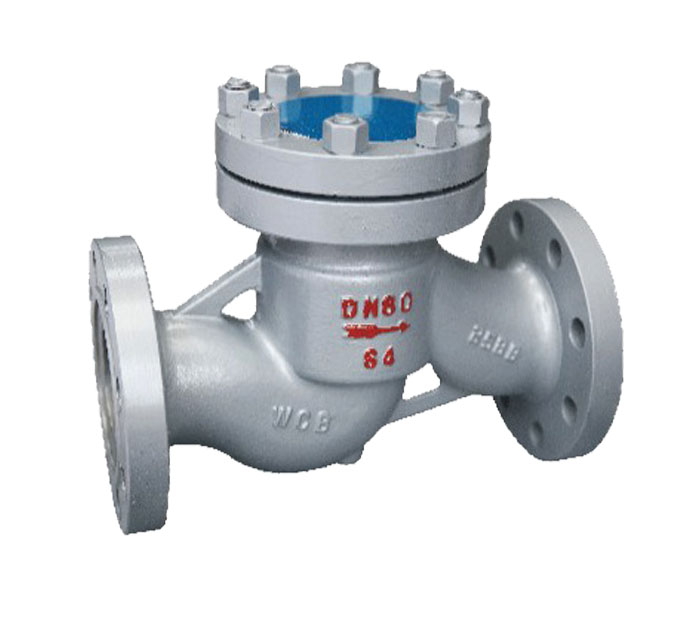
Performance & Engineering
Performance of a 2-inch threaded ball valve is primarily governed by its pressure-temperature rating, flow coefficient (Cv), and leak tightness. Pressure-temperature ratings, often specified according to ASME B16.34, dictate the maximum permissible operating pressure at a given temperature. The Cv value indicates the valve’s capacity to pass flow, with higher values signifying greater flow capacity. Leak tightness is typically measured in terms of bubble-tight shut-off, conforming to standards like ANSI/FCI 70-2.
Engineering considerations include stress analysis of the valve body under pressure, particularly around the threaded connections. Finite element analysis (FEA) is frequently employed to optimize body geometry and minimize stress concentrations. The selection of appropriate gasket materials is crucial for maintaining a reliable seal. Torque specifications for tightening the threaded connections must be meticulously followed to prevent over-tightening, which can damage the threads, or under-tightening, which can lead to leaks. The valve’s actuation method (manual lever, gear operator, pneumatic actuator, or electric actuator) dictates the torque required for operation and impacts the overall system design. Corrosion resistance is also a significant engineering factor, demanding appropriate material selection based on the fluid being handled.
Technical Specifications
| Parameter | Specification (Carbon Steel) | Specification (304 Stainless Steel) | Specification (Brass) |
|---|---|---|---|
| Nominal Size | 2 inch (DN50) | 2 inch (DN50) | 2 inch (DN50) |
| Connection Type | NPT/BSPT Threaded | NPT/BSPT Threaded | NPT/BSPT Threaded |
| Maximum Pressure | 20 bar (290 psi) | 30 bar (435 psi) | 16 bar (232 psi) |
| Temperature Range | -20°C to 120°C (-4°F to 248°F) | -20°C to 180°C (-4°F to 356°F) | -20°C to 90°C (-4°F to 194°F) |
| Seat Material | PTFE | PTFE | PTFE |
| Body Material | ASTM A105 Carbon Steel | ASTM A351 CF8 | HPb59-1 Brass |
Failure Mode & Maintenance
Common failure modes include seat erosion due to abrasive particles in the fluid stream, thread damage from improper tightening or corrosion, ball scratching leading to leakage, and body cracking from excessive pressure or temperature cycling. Galvanic corrosion can occur when dissimilar metals are used in the valve construction, particularly in marine environments. Fatigue cracking can develop in the valve stem or handle under repeated actuation. Failure analysis often reveals deficiencies in material selection, manufacturing defects (e.g., porosity in the casting), or improper installation and maintenance.
Preventive maintenance involves regular inspection of the valve body for corrosion, thread integrity, and leakage. Lubricating the ball and seat with a compatible lubricant can reduce wear and improve sealing. Periodic testing of the valve’s shut-off capability is recommended. If leakage is detected, the seat should be inspected and replaced if necessary. Damaged threads should be repaired or the valve replaced. For valves operating in corrosive environments, protective coatings or cathodic protection may be necessary. A documented maintenance schedule, detailing inspection intervals and replacement procedures, is critical for maximizing valve lifespan and minimizing downtime.
Industry FAQ
Q: What is the significance of the valve’s Cv value?
A: The Cv value, or flow coefficient, directly quantifies the valve’s capacity to pass flow. It's crucial for system design to ensure the valve can handle the required flow rate without causing excessive pressure drop. A higher Cv value indicates greater flow capacity, important for applications demanding high throughput.
Q: How does the material selection impact the valve’s service life?
A: Material selection is paramount. Carbon steel is susceptible to corrosion in many environments, shortening lifespan. Stainless steel offers superior corrosion resistance. Brass is suitable for specific applications but has limitations regarding pressure and temperature. Choosing the correct material based on the fluid being handled and operating conditions is critical for longevity.
Q: What are the common causes of leakage in a threaded ball valve?
A: Leakage is often caused by seat erosion or damage, scratched balls, worn threads, or improper tightening. Debris in the fluid stream can accelerate seat wear. Corrosion can also compromise the sealing surfaces. Regular inspection and maintenance are key to preventing leaks.
Q: What is the importance of hydrostatic testing?
A: Hydrostatic testing verifies the structural integrity of the valve body. The valve is pressurized with water to a level exceeding its maximum operating pressure to identify any leaks or weaknesses in the body. This is a crucial quality control step to ensure safe operation.
Q: What standards are relevant to ensuring the quality of a 2-inch threaded ball valve?
A: Relevant standards include ASME B16.34 for pressure-temperature ratings, ANSI/FCI 70-2 for leak tightness, ASTM A105 for carbon steel, ASTM A351 for stainless steel, and API 6D for general valve requirements. Adherence to these standards ensures the valve meets industry expectations for performance and safety.
Conclusion
The 2-inch threaded ball valve represents a fundamental component in numerous industrial processes. Understanding its material science, manufacturing intricacies, and performance characteristics is essential for engineers and procurement professionals. The choice of material—carbon steel, stainless steel, or brass—directly impacts its suitability for specific applications, with stainless steel generally providing the best overall balance of corrosion resistance and mechanical strength.
Maintaining a robust preventative maintenance program and adhering to relevant international standards (ASME, ASTM, API) are crucial for maximizing valve lifespan and ensuring operational reliability. The growing demand for reliable and cost-effective fluid control solutions continues to drive innovation in ball valve technology, with advancements in materials, sealing technologies, and automation systems further enhancing their performance and efficiency.
-
Top Reasons to Choose a Stainless Steel Flange Check Valve for Industrial Applications
-
forging flanges Material Performance
-
Round Flange Performance Analysis
-
Round Flanges Performance Analysis
-
Custom Flange Performance Analysis
-
DN 40 Flange Performance Analysis
-
8 inch flange Performance Analysis
-
angle ring flanges Performance Analysis
-
Flat Flanges Performance Analysis
-
Full Face Flange Performance Analysis
-
Full Face Flanges Performance Analysis
-
flange 8 inch Performance Analysis
-
Ring Flange Performance Analysis
-
3 inch split flange Performance Analysis
-
Tongue and groove flange Performance Analysis
 Afrikaans
 Albanian
 Amharic
 Arabic
 Armenian
 Azerbaijani
 Basque
 Belarusian
 Bengali
 Bosnian
 Bulgarian
 Catalan
 Cebuano
 Corsican
 Croatian
 Czech
Czech
 Danish
 Dutch
Dutch
 Esperanto
 Estonian
 Finnish
 French
 Frisian
 Galician
 Georgian
 German
 Greek
Greek
 Gujarati
 Haitian Creole
 Hausa
Hawaiian
Hausa
Hawaiian
 Hebrew
 Hindi
Hindi
 Miao
Miao
 Hungarian
 Icelandic
 Igbo
Igbo
 Indonesian
 Irish
Irish
 Italian
 Japanese
 Javanese
Kannada
Javanese
Kannada
 Kazakh
 Khmer
Khmer
 Rwandese
 Korean
 Kurdish
 Kyrgyz
 Lao
Lao
 Latin
Latin
 Latvian
 Lithuanian
 Luxembourgish
 Macedonian
 Malgashi
 Malay
Malay
 Malayalam
 Maltese
 Maori
Maori
 Marathi
 Mongolian
 Myanmar
 Nepali
 Norwegian
 Norwegian
 Occitan
 Pashto
 Persian
 Polish
 Portuguese
Punjabi
Portuguese
Punjabi
 Romanian
 Russian
 Samoan
 Scottish Gaelic
 Serbian
 Sesotho
 Shona
Shona
 Sindhi
 Sinhala
 Slovak
 Slovenian
 Somali
 Spanish
 Sundanese
 Swahili
 Swedish
Tagalog
Swedish
Tagalog
 Tajik
Tajik
 Tamil
Tamil
 Tatar
Tatar
 Telugu
 Thai
Thai
 Turkish
 Turkmen
 Ukrainian
 Urdu
Urdu
 Uighur
 Uzbek
Uzbek
 Vietnamese
 Welsh
Welsh
 Bantu
Bantu
 Yiddish
 Yoruba
 Zulu
Zulu
 English