




china 3 inch butterfly valves Performance Analysis
Introduction
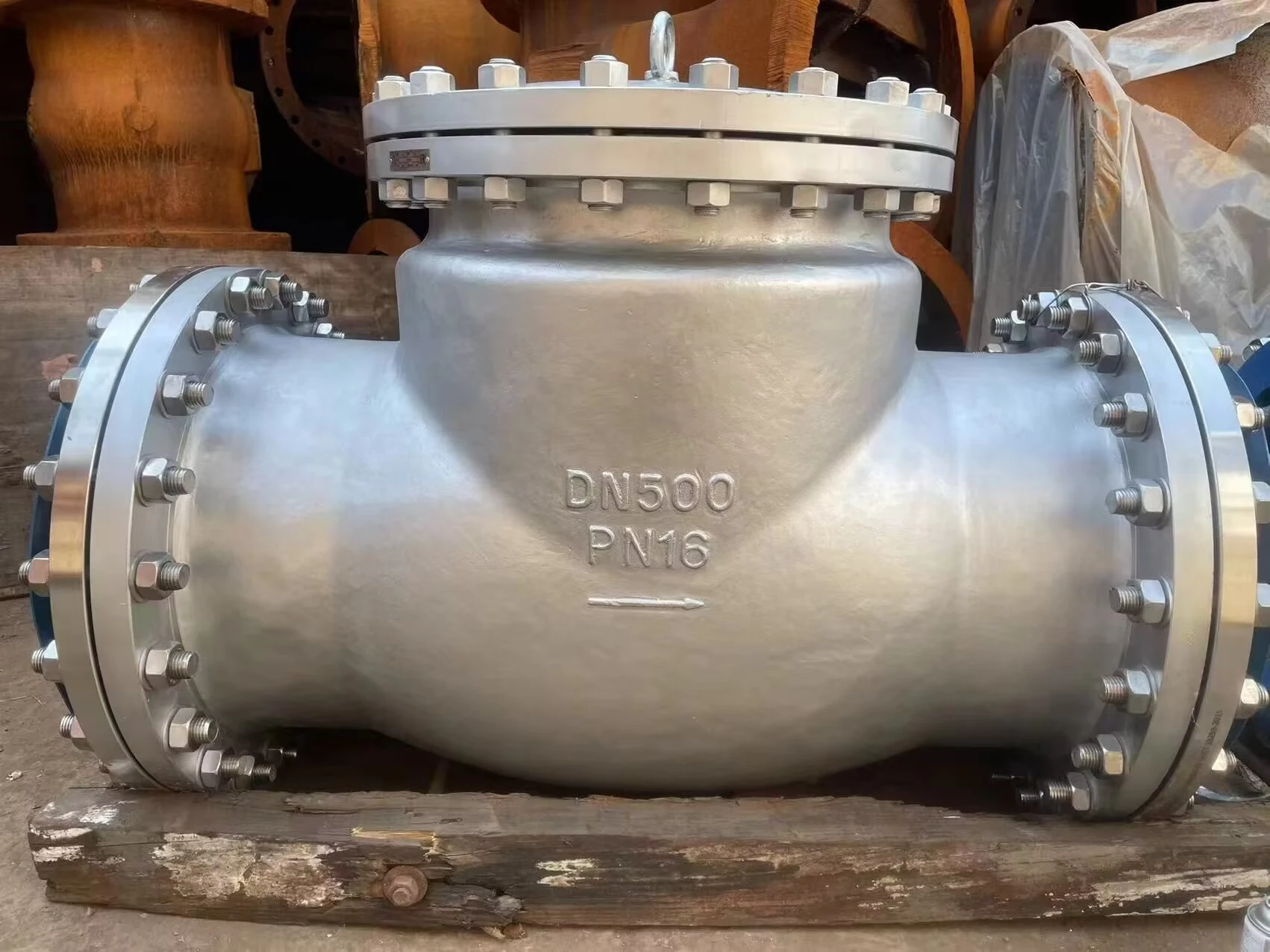
The 3-inch butterfly valve, manufactured in China, is a quarter-turn rotational motion valve used to regulate or isolate fluid flow. Positioned within the broader industrial valve market, these valves serve as a cost-effective alternative to gate, globe, and ball valves in large diameter applications. Commonly employed in water treatment, HVAC systems, fire protection, and chemical processing, the 3-inch size represents a frequently requested standard for pipeline diameters. Core performance characteristics hinge on tight shut-off capabilities, low pressure drop, and suitability for handling a wide range of fluids, including water, air, oil, and various chemicals. A key industry pain point revolves around ensuring consistent quality control across diverse Chinese manufacturers, alongside verifying material traceability and adherence to international standards, particularly concerning corrosion resistance and longevity in harsh operating environments. The selection criteria depend heavily on the fluid’s temperature, pressure, and chemical composition, influencing the choice of disc and body materials.
Material Science & Manufacturing
The body of a typical 3-inch butterfly valve is commonly constructed from ductile iron (QT450-10), carbon steel (ASTM A53 Grade A), or stainless steel (304/316). Ductile iron offers a balance of strength and cost-effectiveness, while carbon steel provides higher tensile strength but is susceptible to corrosion. Stainless steel, particularly 316, ensures superior corrosion resistance in aggressive environments. The disc material options include stainless steel (304, 316), brass, or polymers (PTFE, EPDM). Material selection is critical, dictated by the fluid’s chemical compatibility. Manufacturing involves several key processes: casting (for the body), forging (for the disc), and machining. The body undergoes mold creation and pouring, followed by rigorous quality checks for defects. The disc is forged to the desired shape, heat-treated for strength, and precision-machined to ensure a tight seal against the valve seat. Critical parameters include wall thickness consistency in the body casting, disc flatness, and surface finish. Welding, if employed for multi-piece bodies, must adhere to ASME Section IX standards, with qualified welders and non-destructive testing (NDT) like radiographic inspection to ensure weld integrity. Seat materials, often EPDM or PTFE, are compression molded or machined and carefully bonded to the body to prevent leakage.

Performance & Engineering
Performance of a 3-inch butterfly valve is characterized by its flow coefficient (Cv), pressure drop, and leak rate. Cv values determine the valve’s capacity to handle specific flow rates at a given pressure differential. Pressure drop is influenced by the disc design (concentric vs. eccentric), flow velocity, and fluid viscosity. Engineering analysis focuses on torque requirements for valve actuation, which dictates the size and type of actuator needed (manual, pneumatic, electric). Finite Element Analysis (FEA) is commonly used to assess the stress distribution within the valve body under various pressure and temperature conditions, ensuring structural integrity. Environmental resistance is paramount, with considerations for temperature extremes, UV exposure (for external components), and corrosive atmospheres. Compliance requirements depend on the application. For potable water systems, NSF/ANSI 61 certification is essential. For hazardous environments, ATEX or IECEx certification is necessary for explosion-proof actuators. The valve’s resilience to water hammer, a phenomenon caused by rapid changes in flow velocity, is also a crucial engineering consideration, often addressed through the incorporation of damping mechanisms or careful system design.
Technical Specifications
| Parameter | Specification (Typical) | Testing Standard | Tolerance |
|---|---|---|---|
| Nominal Size | 3 inches (DN80) | ISO 4126 | ± 3mm |
| Pressure Rating | 150 PSI (PN10/PN16) | ASME B16.34 | ± 10% |
| Body Material | Ductile Iron (QT450-10) | ASTM A536 | Chemical Composition per ASTM |
| Disc Material | Stainless Steel 316 | ASTM A743 | Chemical Composition per ASTM |
| Seat Material | EPDM | ASTM D2000 | Hardness: ±5 Shore A |
| Leakage Rate | Bubble Tight (ANSI Class VI) | FCI 70-2 | 0.1 cc/min/inch of seat perimeter |
Failure Mode & Maintenance
Common failure modes for 3-inch butterfly valves include disc corrosion, seat erosion, actuator failure, and body cracking. Disc corrosion occurs due to incompatibility between the disc material and the fluid being handled, leading to pitting and eventual failure. Seat erosion is caused by abrasive particles in the fluid stream, wearing down the sealing surface and increasing leakage. Actuator failure can result from mechanical wear, electrical malfunctions (for electric actuators), or pneumatic supply issues. Body cracking typically stems from stress corrosion cracking (SCC) in carbon steel bodies or fatigue cracking due to cyclic loading. Maintenance involves regular inspection of the disc and seat for wear or corrosion, lubrication of the actuator mechanism, and tightening of bolts. Preventive maintenance should include periodic testing of the valve’s shut-off capability. For severe corrosion, complete valve replacement is often the most cost-effective solution. Failure analysis should incorporate metallographic examination of failed components to determine the root cause of failure and inform future material selection. Regular torque checks on the actuator are critical for preventing operational failures. Periodic seat replacement is recommended for abrasive applications.
Industry FAQ
Q: What is the typical lifespan of a 3-inch ductile iron butterfly valve in a clean water application?
A: A properly maintained 3-inch ductile iron butterfly valve in a clean water application typically has a lifespan of 20-30 years. This assumes consistent operation within the specified pressure and temperature ranges, and regular inspection and maintenance including seat replacement every 5-7 years.
Q: What are the key differences between concentric and eccentric disc designs?
A: Concentric disc designs have the disc centered in the bore, offering good shut-off but higher torque requirements. Eccentric designs, where the disc is offset, reduce friction and torque but may have slightly reduced shut-off capabilities. The choice depends on the application's flow characteristics and torque limitations.
Q: How does the temperature of the fluid affect valve performance and material selection?
A: Higher temperatures reduce the strength and elasticity of valve materials, potentially leading to deformation or failure. High temperatures also accelerate corrosion rates. Material selection must account for the operating temperature range, with stainless steel often preferred for elevated temperatures to maintain corrosion resistance and mechanical properties.
Q: What type of actuator is most suitable for remote operation of a 3-inch butterfly valve in a wastewater treatment plant?
A: Electric actuators are generally the most suitable for remote operation in wastewater treatment plants. They offer precise control, require minimal maintenance, and can be easily integrated into SCADA systems. Pneumatic actuators are also viable but require a compressed air supply and may be less precise.
Q: What certifications are essential to ensure compliance for a butterfly valve used in a potable water system?
A: NSF/ANSI 61 certification is essential for ensuring that the valve materials do not leach harmful contaminants into the potable water. Additionally, compliance with relevant local plumbing codes and standards is required.
Conclusion
The 3-inch butterfly valve, as a staple in fluid control systems manufactured in China, offers a cost-effective and reliable solution for a diverse range of applications. However, realizing its full potential necessitates a thorough understanding of material science, manufacturing processes, and performance parameters. Careful consideration must be given to fluid compatibility, operating conditions, and relevant industry standards to ensure optimal longevity and prevent premature failure.
Future development focuses on intelligent valve technologies incorporating sensors for remote monitoring of valve performance and predictive maintenance capabilities. Improvements in disc coating materials and seat designs will further enhance corrosion resistance and reduce leakage rates. Continued emphasis on rigorous quality control and adherence to international standards remains crucial to maintain the competitiveness of Chinese-manufactured butterfly valves in the global market.
-
Top Reasons to Choose a Stainless Steel Flange Check Valve for Industrial Applications
-
1 4 in check valve Performance Engineering
-
check valve 3 4 Performance Analysis
-
11 2 check valve Performance Analysis
-
spring check valve Material Science Manufacturing
-
DN100 Flange Performance Analysis
-
DN50 Flange Performance Analysis
-
double flanged butterfly valve Performance Analysis
-
forged flanges Performance Analysis
-
4 blind flange Performance Engineering
-
3 flanged ball valve Performance Analysis
-
2 threaded flange Performance Analysis
-
4 ball valve flanged Performance Analysis
-
90 degree flange elbow Performance Analysis
-
Custom Flanges Performance Analysis
 Afrikaans
 Albanian
 Amharic
 Arabic
 Armenian
 Azerbaijani
 Basque
 Belarusian
 Bengali
 Bosnian
 Bulgarian
 Catalan
 Cebuano
 Corsican
 Croatian
 Czech
Czech
 Danish
 Dutch
Dutch
 Esperanto
 Estonian
 Finnish
 French
 Frisian
 Galician
 Georgian
 German
 Greek
Greek
 Gujarati
 Haitian Creole
 Hausa
Hawaiian
Hausa
Hawaiian
 Hebrew
 Hindi
Hindi
 Miao
Miao
 Hungarian
 Icelandic
 Igbo
Igbo
 Indonesian
 Irish
Irish
 Italian
 Japanese
 Javanese
Kannada
Javanese
Kannada
 Kazakh
 Khmer
Khmer
 Rwandese
 Korean
 Kurdish
 Kyrgyz
 Lao
Lao
 Latin
Latin
 Latvian
 Lithuanian
 Luxembourgish
 Macedonian
 Malgashi
 Malay
Malay
 Malayalam
 Maltese
 Maori
Maori
 Marathi
 Mongolian
 Myanmar
 Nepali
 Norwegian
 Norwegian
 Occitan
 Pashto
 Persian
 Polish
 Portuguese
Punjabi
Portuguese
Punjabi
 Romanian
 Russian
 Samoan
 Scottish Gaelic
 Serbian
 Sesotho
 Shona
Shona
 Sindhi
 Sinhala
 Slovak
 Slovenian
 Somali
 Spanish
 Sundanese
 Swahili
 Swedish
Tagalog
Swedish
Tagalog
 Tajik
Tajik
 Tamil
Tamil
 Tatar
Tatar
 Telugu
 Thai
Thai
 Turkish
 Turkmen
 Ukrainian
 Urdu
Urdu
 Uighur
 Uzbek
Uzbek
 Vietnamese
 Welsh
Welsh
 Bantu
Bantu
 Yiddish
 Yoruba
 Zulu
Zulu
 English