




DN100 Flange Performance Analysis
Introduction
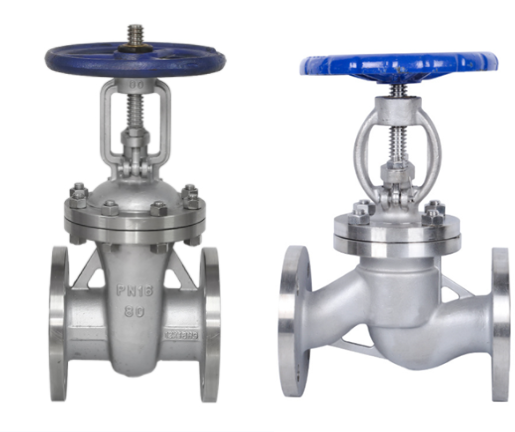
The DN100 flange is a standardized pipe fitting, specifically a connection point with a nominal diameter of 100 millimeters. It serves as a critical component in piping systems across diverse industries including chemical processing, water treatment, oil & gas, power generation, and HVAC. Its primary function is to facilitate the connection of pipes, valves, pumps, and other equipment, enabling the reliable and safe transfer of fluids and gases. Within the industrial chain, the DN100 flange is positioned as a crucial interfacing element, impacting system integrity, leak prevention, and maintainability. Core performance characteristics revolve around pressure containment, dimensional accuracy to ensure proper sealing, and material compatibility with the conveyed medium. The selection of an appropriate DN100 flange directly influences system efficiency and operational lifespan. This guide provides an in-depth technical examination of DN100 flanges, encompassing material science, manufacturing processes, performance engineering, failure modes, and relevant industry standards.
Material Science & Manufacturing
DN100 flanges are manufactured from a range of materials, each possessing distinct properties impacting performance. Common materials include carbon steel (ASTM A105, DIN EN 10203-1), stainless steel (304/304L, 316/316L - ASTM A182), ductile iron (ASTM A536), and alloy steels. Carbon steel offers cost-effectiveness and good mechanical strength, but is susceptible to corrosion. Stainless steels provide superior corrosion resistance, critical in aggressive environments. Ductile iron exhibits good tensile strength and impact resistance, suitable for lower pressure applications. Alloy steels are selected for high-temperature or high-pressure services, providing enhanced strength and creep resistance.
Manufacturing processes typically involve forging, casting, or machining. Forging offers superior grain structure and strength, ideal for critical applications. Casting is more economical for complex geometries but may require additional heat treatment to refine the microstructure. Machining from bar stock provides precise dimensions and surface finish. Key parameters controlled during manufacturing include material composition verification (spectroscopic analysis), dimensional accuracy (using coordinate measuring machines - CMMs), weld quality (non-destructive testing – NDT, including radiography, ultrasonic testing, and liquid penetrant inspection), and surface roughness (Ra values). Heat treatment processes, such as normalizing, quenching, and tempering, are employed to achieve desired mechanical properties. Flange facing, crucial for sealing, is accomplished via precision machining to meet specified surface flatness and roughness requirements (e.g., ASME B16.5). Corrosion protection may involve coatings such as epoxy, polyurethane, or galvanization, depending on the service environment.
Performance & Engineering
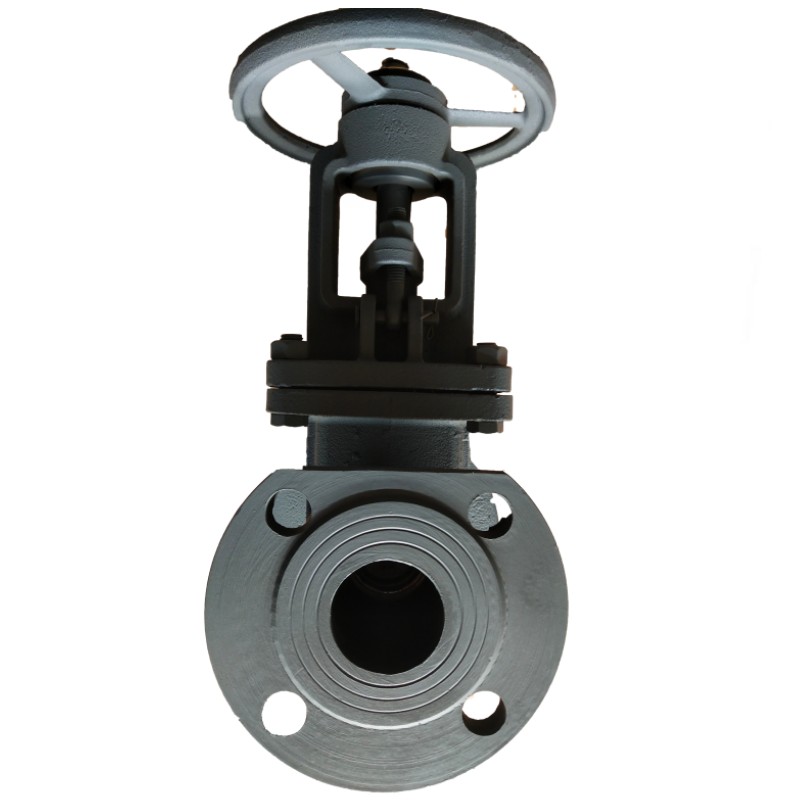
Performance of a DN100 flange is governed by several engineering principles. Force analysis considers internal pressure, applied loads from connected piping, and thermal stresses. Flange thickness and bolt circle diameter are critical design parameters influencing pressure containment capability. The American Society of Mechanical Engineers (ASME) Boiler and Pressure Vessel Code, Section VIII, Division 1, provides detailed guidelines for flange design and stress analysis. Environmental resistance encompasses corrosion, erosion, and temperature extremes. Material selection plays a paramount role in mitigating these factors. For example, in seawater applications, duplex stainless steels or nickel alloys are preferred. Compliance requirements vary depending on the industry and geographic location. Pressure Equipment Directive (PED) 2014/68/EU in Europe, and ASME standards in North America, dictate design, manufacturing, and testing protocols. Functional implementation involves ensuring proper bolt preload to achieve a leak-tight seal. Torque values for bolts must be carefully calculated and applied, utilizing calibrated torque wrenches. Gasket selection is also crucial; appropriate gasket materials (e.g., non-asbestos fiber, PTFE, spiral wound) must be chosen based on fluid compatibility, temperature, and pressure. Finite element analysis (FEA) is frequently employed to optimize flange design and predict performance under various loading conditions.
Technical Specifications
| Parameter | Carbon Steel (ASTM A105) | Stainless Steel 304/304L (ASTM A182) | Ductile Iron (ASTM A536) | Pressure Rating (PN) |
|---|---|---|---|---|
| Nominal Diameter | 100 mm | 100 mm | 100 mm | 6, 10, 16, 25, 40, 64, 100 |
| Material | ASTM A105 | ASTM A182 Grade 304/304L | ASTM A536 Grade 65-45-12 | N/A |
| Tensile Strength (MPa) | 400-550 | 520-720 | 400-550 | N/A |
| Yield Strength (MPa) | 250-350 | 205-290 | 240-345 | N/A |
| Corrosion Resistance | Low | High | Moderate | N/A |
| Temperature Range (°C) | -20 to 370 | -196 to 425 | -30 to 200 | N/A |
Failure Mode & Maintenance
DN100 flanges are susceptible to several failure modes. Corrosion is a primary concern, particularly in aggressive environments, leading to material degradation and potential leaks. Fatigue cracking can occur due to cyclic loading, especially in vibrating systems. Creep can manifest at elevated temperatures, causing gradual deformation and eventual failure. Gasket failure, due to improper installation, material incompatibility, or degradation, is a common issue. Bolt failure can result from over-tightening, corrosion, or material defects. Failure analysis techniques, including fractography and metallurgical examination, are employed to determine the root cause of failures. Maintenance procedures should include regular visual inspections for signs of corrosion, cracking, or leakage. Bolt preload should be checked and adjusted periodically. Gaskets should be replaced according to manufacturer recommendations. Protective coatings should be inspected and repaired as needed. Non-destructive testing (NDT) methods, such as ultrasonic testing, can be used to detect internal flaws. Proper lubrication of bolts prevents galling and ensures accurate torque application. A preventative maintenance program incorporating these elements will significantly extend the service life of DN100 flanges and minimize the risk of catastrophic failures.
Industry FAQ
Q: What is the significance of the flange facing specification (e.g., Raised Face, Flat Face)?
A: The flange facing specification dictates the surface finish and geometry of the flange contact area. Raised Face (RF) is commonly used for higher pressure applications, creating a more concentrated sealing area. Flat Face (FF) is suitable for lower pressure systems and flanges connected to equipment with fragile facing surfaces. The correct facing is crucial to achieve a leak-tight seal and distribute pressure evenly.
Q: How does temperature affect the bolt preload on a DN100 flange?
A: Temperature fluctuations can significantly impact bolt preload. Thermal expansion and contraction of the flange and connected piping can alter the clamping force. High temperatures can reduce bolt preload due to material creep. Conversely, low temperatures can increase preload. Proper bolt material selection and torque control are critical to account for these effects. Calculating thermal stresses is essential for high temperature applications.
Q: What are the key considerations when selecting a gasket material for a DN100 flange?
A: Gasket material selection depends on the fluid being conveyed, operating temperature, pressure, and flange material. Chemical compatibility is paramount to prevent gasket degradation. Temperature resistance is crucial to maintain gasket integrity. Pressure dictates the required gasket seating stress. Flange material influences the potential for galvanic corrosion between the gasket and flange.
Q: What are the implications of using a mismatched flange rating (e.g., connecting a 150# flange to a 300# flange)?
A: Mismatched flange ratings are strictly prohibited as they compromise system safety. The lower-rated flange will likely fail before the higher-rated flange, leading to a catastrophic release. Flange ratings indicate the maximum allowable pressure at a specific temperature. Always ensure compatibility in flange ratings to maintain system integrity.
Q: What Non-Destructive Testing (NDT) methods are commonly used for DN100 flange inspection?
A: Common NDT methods include Visual Testing (VT) for surface defects, Liquid Penetrant Testing (PT) for detecting surface cracks, Magnetic Particle Testing (MT) for detecting surface and near-surface flaws, Ultrasonic Testing (UT) for detecting internal flaws, and Radiographic Testing (RT) for assessing weld quality. The selection of NDT method depends on the specific inspection requirements and potential failure modes.
Conclusion
The DN100 flange, while seemingly a simple component, plays a vital role in the integrity and efficiency of piping systems across numerous industries. Understanding its material science, manufacturing processes, and engineering principles is crucial for ensuring reliable operation and preventing costly failures. Proper material selection, meticulous manufacturing control, and diligent maintenance practices are paramount. Careful consideration of factors such as pressure, temperature, fluid compatibility, and environmental conditions are essential for maximizing flange lifespan and minimizing risks.
Looking ahead, advancements in materials science, such as the development of new corrosion-resistant alloys and composite materials, will continue to improve the performance and durability of DN100 flanges. Digitalization and the implementation of predictive maintenance strategies, leveraging sensor data and machine learning algorithms, will enable more proactive maintenance and reduce downtime. Adherence to relevant international standards and best practices remains critical for ensuring safety and compliance.
-
Top Reasons to Choose a Stainless Steel Flange Check Valve for Industrial Applications
-
1 4 in check valve Performance Engineering
-
check valve 3 4 Performance Analysis
-
11 2 check valve Performance Analysis
-
spring check valve Material Science Manufacturing
-
DN100 Flange Performance Analysis
-
DN50 Flange Performance Analysis
-
double flanged butterfly valve Performance Analysis
-
forged flanges Performance Analysis
-
4 blind flange Performance Engineering
-
3 flanged ball valve Performance Analysis
-
2 threaded flange Performance Analysis
-
4 ball valve flanged Performance Analysis
-
90 degree flange elbow Performance Analysis
-
Custom Flanges Performance Analysis
 Afrikaans
 Albanian
 Amharic
 Arabic
 Armenian
 Azerbaijani
 Basque
 Belarusian
 Bengali
 Bosnian
 Bulgarian
 Catalan
 Cebuano
 Corsican
 Croatian
 Czech
Czech
 Danish
 Dutch
Dutch
 Esperanto
 Estonian
 Finnish
 French
 Frisian
 Galician
 Georgian
 German
 Greek
Greek
 Gujarati
 Haitian Creole
 Hausa
Hawaiian
Hausa
Hawaiian
 Hebrew
 Hindi
Hindi
 Miao
Miao
 Hungarian
 Icelandic
 Igbo
Igbo
 Indonesian
 Irish
Irish
 Italian
 Japanese
 Javanese
Kannada
Javanese
Kannada
 Kazakh
 Khmer
Khmer
 Rwandese
 Korean
 Kurdish
 Kyrgyz
 Lao
Lao
 Latin
Latin
 Latvian
 Lithuanian
 Luxembourgish
 Macedonian
 Malgashi
 Malay
Malay
 Malayalam
 Maltese
 Maori
Maori
 Marathi
 Mongolian
 Myanmar
 Nepali
 Norwegian
 Norwegian
 Occitan
 Pashto
 Persian
 Polish
 Portuguese
Punjabi
Portuguese
Punjabi
 Romanian
 Russian
 Samoan
 Scottish Gaelic
 Serbian
 Sesotho
 Shona
Shona
 Sindhi
 Sinhala
 Slovak
 Slovenian
 Somali
 Spanish
 Sundanese
 Swahili
 Swedish
Tagalog
Swedish
Tagalog
 Tajik
Tajik
 Tamil
Tamil
 Tatar
Tatar
 Telugu
 Thai
Thai
 Turkish
 Turkmen
 Ukrainian
 Urdu
Urdu
 Uighur
 Uzbek
Uzbek
 Vietnamese
 Welsh
Welsh
 Bantu
Bantu
 Yiddish
 Yoruba
 Zulu
Zulu
 English