




11 2 check valve Performance Analysis

Introduction
The 11 2 check valve is a critical component in fluid handling systems, designed to prevent backflow and maintain unidirectional flow. Positioned within the broader industrial valve ecosystem, it serves as a passive safeguard against pressure surges, contamination, and pump damage. Its functionality is fundamental across diverse sectors including water treatment, chemical processing, oil and gas, and power generation. Core performance characteristics revolve around its cracking pressure (the minimum differential pressure required to open the valve), flow coefficient (Cv) indicating flow capacity, and leakage rate, which defines its effectiveness in preventing reverse flow. The prevalent materials of construction, typically stainless steel, brass, and polymers, are selected based on fluid compatibility and operating temperature/pressure requirements. The industry faces increasing demands for check valves with lower cracking pressures, reduced weight, and enhanced resistance to corrosive media, driving material innovation and design optimization.
Material Science & Manufacturing
The manufacturing of a 11 2 check valve begins with raw material selection. Body materials commonly include ASTM A351 Grade CF8M (316 Stainless Steel) for its excellent corrosion resistance, ASTM B16 Brass for potable water applications, and engineered polymers like Polypropylene (PP) or Polyvinylidene Fluoride (PVDF) for aggressive chemical environments. Disc materials mirror these options, with an added emphasis on wear resistance. Elastomeric seals, often Viton (FKM) or EPDM, provide leak-tight closure. Manufacturing processes vary based on material and valve size. Stainless steel and brass bodies are typically produced via investment casting followed by precision machining to achieve tight tolerances. Polymer bodies are generally injection molded. Critical parameters during injection molding include melt temperature, mold temperature, and injection pressure to ensure uniform material density and dimensional accuracy. For valves employing a spring mechanism, spring steel (typically AISI 301 or 304) is heat treated to achieve the required spring rate and fatigue life. Welding processes, when utilized for body construction or component attachment, require strict adherence to ASME Section IX to ensure weld integrity and prevent corrosion initiation. Non-destructive testing (NDT) methods such as liquid penetrant inspection (LPI) and radiographic testing (RT) are crucial for verifying weld quality.
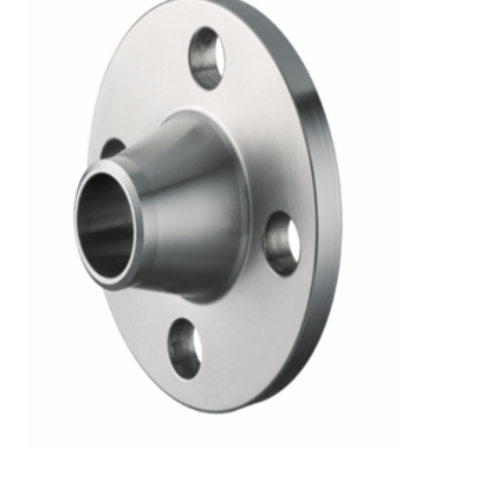
Performance & Engineering
The performance of a 11 2 check valve is governed by several engineering principles. Fluid dynamics dictate the flow coefficient (Cv), influenced by valve geometry and flow path. Force analysis is crucial in designing the disc and spring mechanism to withstand maximum system pressure and prevent premature opening or closure. The cracking pressure, a critical performance parameter, is determined by the spring rate and the hydrodynamic forces acting on the disc. Finite Element Analysis (FEA) is frequently used to model stress distribution within the valve body under various operating conditions, identifying potential areas of weakness. Environmental resistance is paramount; corrosion mitigation strategies include material selection (e.g., duplex stainless steel for seawater applications) and protective coatings (e.g., epoxy coatings for harsh chemical environments). Compliance requirements vary by industry and region. For potable water applications, valves must comply with NSF/ANSI 61 standards to ensure lead-free construction and prevent leaching of harmful substances. Pressure Equipment Directive (PED) 2014/68/EU applies to valves operating at higher pressures in Europe. API 598 establishes testing requirements for valves, including hydrostatic testing and seat leakage testing. The valve's design must consider potential water hammer effects and cavitation damage, which can lead to premature failure.
Technical Specifications
| Parameter | Units | Typical Value (Stainless Steel) | Typical Value (Brass) |
|---|---|---|---|
| Maximum Operating Pressure | psi | 1000 | 600 |
| Temperature Range | °F | -20 to 350 | 32 to 250 |
| Cracking Pressure | psi | 2-5 | 1-3 |
| Flow Coefficient (Cv) | gpm | 1.5 - 10 (dependent on size) | 0.8 - 6 (dependent on size) |
| Leakage Rate | cc/min | <0.1 | <0.2 |
| Connection Type | NPT, Flanged, Socket Weld | NPT, Sweat, Flanged |
Failure Mode & Maintenance
Failure modes in 11 2 check valves are diverse. Fatigue cracking, particularly around the spring seat or body welds, can occur due to cyclic pressure fluctuations. Corrosion, especially in aggressive environments, leads to pitting corrosion and eventual material degradation. Erosion can occur due to the impingement of abrasive particles in the fluid stream. Disc sticking, caused by debris accumulation or corrosion products, prevents proper closure and can lead to backflow. Elastomeric seal degradation, resulting from chemical attack, temperature extremes, or prolonged compression set, compromises leak tightness. Cavitation damage can erode the disc and valve internals, particularly at high flow rates. Maintenance procedures should include regular visual inspection for signs of corrosion, erosion, or leakage. Periodic cleaning to remove debris is crucial. Lubrication of moving parts (spring, disc hinge) with compatible lubricants extends service life. Seal replacement should be performed proactively based on fluid compatibility and operating conditions. Hydrostatic testing should be conducted periodically to verify valve integrity. For valves operating in critical applications, a preventive maintenance schedule should be implemented based on manufacturer recommendations and industry best practices. Proper installation, ensuring correct orientation and adequate support, is fundamental to preventing premature failure.
Industry FAQ
Q: What is the impact of fluid velocity on check valve performance and longevity?
A: Excessive fluid velocity can induce cavitation and erosion, significantly reducing valve lifespan. High velocity also increases pressure drop across the valve, potentially impacting system efficiency. Proper valve sizing, based on anticipated flow rates, is critical to maintain velocity within acceptable limits. Materials selection also plays a role; erosion-resistant materials should be considered for applications with abrasive fluids.
Q: How does the choice of spring material affect cracking pressure and fatigue life?
A: Spring material directly influences cracking pressure – a stiffer spring results in a higher cracking pressure. Fatigue life is dependent on the spring material's tensile strength, yield strength, and resistance to corrosion. Stainless steel springs offer good corrosion resistance but may have lower fatigue life compared to specialized alloy springs designed for high-cycle fatigue.
Q: What are the key considerations when selecting a check valve for a corrosive fluid application?
A: Material compatibility is paramount. Consider the fluid's chemical composition, concentration, temperature, and pH. Materials like PTFE-lined valves, PVDF bodies, and Hastelloy components offer excellent corrosion resistance. Protective coatings can also enhance resistance. Regularly inspect the valve for signs of corrosion and replace components as needed.
Q: What is the significance of seat leakage testing, and what are acceptable leakage rates?
A: Seat leakage testing verifies the valve's ability to prevent backflow. Acceptable leakage rates are defined by industry standards like FCI 70-2, which categorizes leakage classes (A, B, C) based on the maximum allowable leakage. Lower leakage classes (e.g., Class A) are required for critical applications where even minimal backflow is unacceptable.
Q: How can water hammer be mitigated when using a check valve?
A: Rapid valve closure can generate water hammer. Using check valves with dampened closure mechanisms or incorporating surge suppressors into the system can mitigate this. Proper valve sizing and pipeline design are also crucial to minimize pressure transients. Careful system start-up and shutdown procedures can further reduce the risk of water hammer.
Conclusion
The 11 2 check valve, while seemingly simple in concept, is a sophisticated component demanding careful consideration of material science, manufacturing processes, and engineering principles. Its effective operation is crucial for maintaining system integrity, preventing costly downtime, and ensuring safety. Selecting the appropriate valve necessitates a thorough understanding of the application's specific requirements, including fluid characteristics, operating conditions, and relevant industry standards.
Future advancements in check valve technology will likely focus on the development of lightweight materials, improved sealing mechanisms, and integrated sensors for condition monitoring. Smart check valves, equipped with IoT connectivity, will enable predictive maintenance and optimize system performance. Continued research into novel materials and manufacturing techniques will drive further improvements in corrosion resistance, fatigue life, and overall reliability.
-
Top Reasons to Choose a Stainless Steel Flange Check Valve for Industrial Applications
-
1 4 in check valve Performance Engineering
-
check valve 3 4 Performance Analysis
-
11 2 check valve Performance Analysis
-
spring check valve Material Science Manufacturing
-
DN100 Flange Performance Analysis
-
DN50 Flange Performance Analysis
-
double flanged butterfly valve Performance Analysis
-
forged flanges Performance Analysis
-
4 blind flange Performance Engineering
-
3 flanged ball valve Performance Analysis
-
2 threaded flange Performance Analysis
-
4 ball valve flanged Performance Analysis
-
90 degree flange elbow Performance Analysis
-
Custom Flanges Performance Analysis
 Afrikaans
 Albanian
 Amharic
 Arabic
 Armenian
 Azerbaijani
 Basque
 Belarusian
 Bengali
 Bosnian
 Bulgarian
 Catalan
 Cebuano
 Corsican
 Croatian
 Czech
Czech
 Danish
 Dutch
Dutch
 Esperanto
 Estonian
 Finnish
 French
 Frisian
 Galician
 Georgian
 German
 Greek
Greek
 Gujarati
 Haitian Creole
 Hausa
Hawaiian
Hausa
Hawaiian
 Hebrew
 Hindi
Hindi
 Miao
Miao
 Hungarian
 Icelandic
 Igbo
Igbo
 Indonesian
 Irish
Irish
 Italian
 Japanese
 Javanese
Kannada
Javanese
Kannada
 Kazakh
 Khmer
Khmer
 Rwandese
 Korean
 Kurdish
 Kyrgyz
 Lao
Lao
 Latin
Latin
 Latvian
 Lithuanian
 Luxembourgish
 Macedonian
 Malgashi
 Malay
Malay
 Malayalam
 Maltese
 Maori
Maori
 Marathi
 Mongolian
 Myanmar
 Nepali
 Norwegian
 Norwegian
 Occitan
 Pashto
 Persian
 Polish
 Portuguese
Punjabi
Portuguese
Punjabi
 Romanian
 Russian
 Samoan
 Scottish Gaelic
 Serbian
 Sesotho
 Shona
Shona
 Sindhi
 Sinhala
 Slovak
 Slovenian
 Somali
 Spanish
 Sundanese
 Swahili
 Swedish
Tagalog
Swedish
Tagalog
 Tajik
Tajik
 Tamil
Tamil
 Tatar
Tatar
 Telugu
 Thai
Thai
 Turkish
 Turkmen
 Ukrainian
 Urdu
Urdu
 Uighur
 Uzbek
Uzbek
 Vietnamese
 Welsh
Welsh
 Bantu
Bantu
 Yiddish
 Yoruba
 Zulu
Zulu
 English