




check valve 3 4 Performance Analysis
Introduction
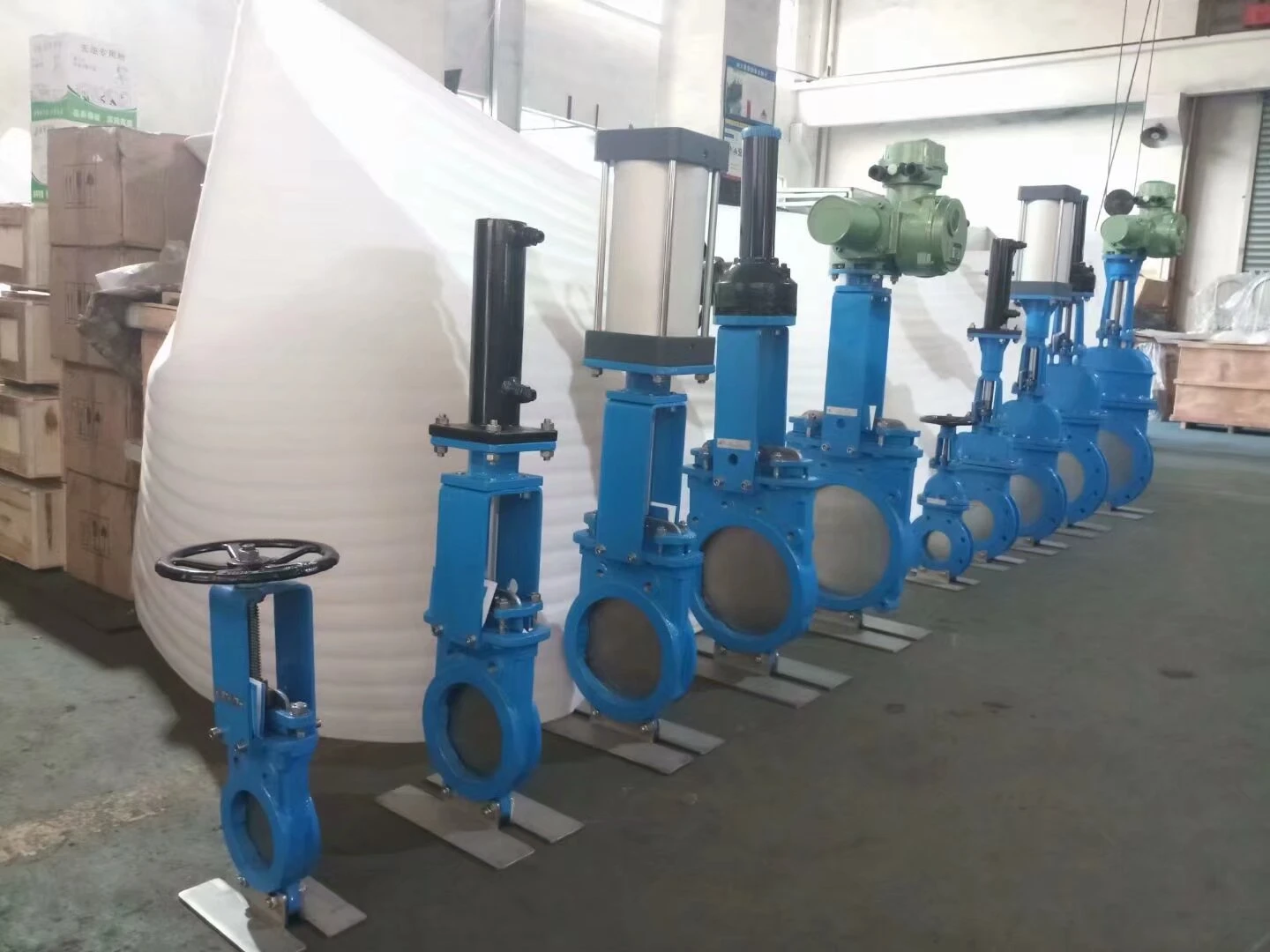
Check valves, specifically the 3/4 inch configuration, are essential components in fluid handling systems, functioning as unidirectional flow control devices. Their primary purpose is to prevent backflow, safeguarding pumps, compressors, and other downstream equipment from damage and maintaining process integrity. Within the broader valve industry, check valves represent a significant segment, distinguished by their passive operation – requiring no external power or control signals. This guide will detail the material science, manufacturing processes, performance characteristics, failure modes, and maintenance procedures specific to 3/4 inch check valves, covering swing, lift, and ball check designs, and highlighting critical considerations for industrial applications. Core performance metrics include flow coefficient (Cv), pressure drop, leakage rate, and operational lifespan under varying fluid conditions. The selection of the correct check valve is crucial for avoiding costly downtime and ensuring system reliability.
Material Science & Manufacturing
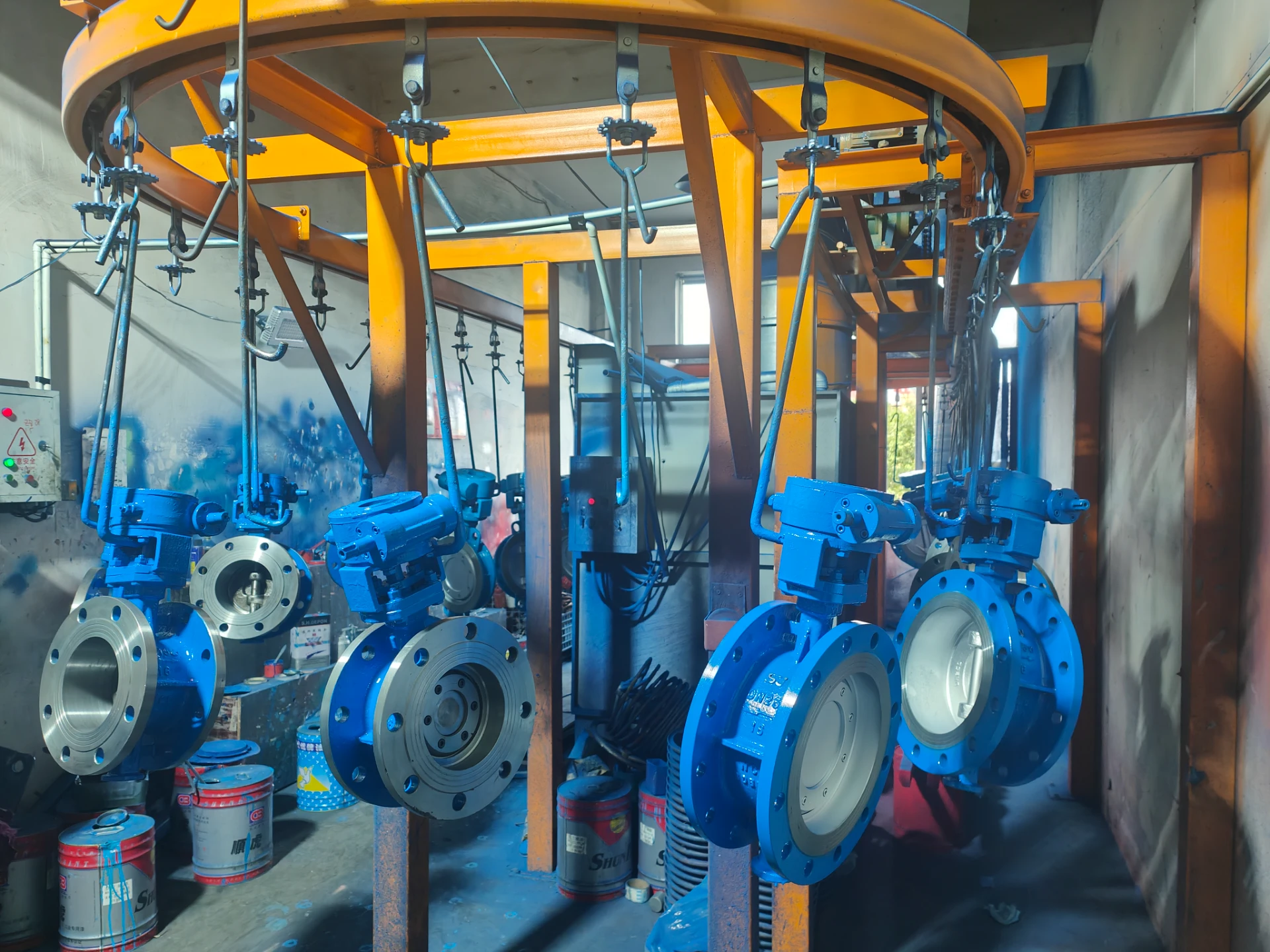
The body of a 3/4 inch check valve is commonly manufactured from materials like ductile iron (ASTM A536-83), stainless steel (304/316 – ASTM A351), and brass (ASTM B16). Ductile iron offers a balance of strength and cost-effectiveness, suitable for water and non-corrosive fluids. Stainless steel is preferred for aggressive media, such as chemicals and seawater, providing superior corrosion resistance due to its chromium content. Brass valves are often used in low-pressure, potable water applications. The internal components, including the disc or ball, are similarly constructed from materials compatible with the fluid being handled, often employing polymers like PTFE (Teflon) for sealing surfaces. Manufacturing processes vary depending on the valve type and material. Ductile iron bodies are typically produced via sand casting, followed by machining to achieve precise dimensions and surface finish. Stainless steel valves can be investment cast or machined from bar stock. Welding processes, adhering to AWS D1.1 standards, are used for joining valve components. Polymer seals are often injection molded (ASTM D4101) and require careful control of temperature and pressure to ensure proper bond and dimensional accuracy. A critical parameter is the surface roughness (Ra) of the sealing surfaces, which directly impacts leakage rates. Proper heat treatment (annealing, quenching, tempering) is essential to optimize the mechanical properties of metallic components. Chemical composition verification, performed using techniques like X-ray fluorescence (XRF) per ASTM E1251, ensures material traceability and compliance.
Performance & Engineering
The performance of a 3/4 inch check valve is largely governed by fluid dynamics and mechanical stress analysis. Flow coefficient (Cv) is a key parameter, quantifying the valve’s capacity to pass fluid at a given pressure drop (ANSI/FCI 75-1). Pressure drop across the valve is minimized through optimized flow path design, reducing energy consumption. Engineering considerations include the valve’s resistance to water hammer, a phenomenon caused by sudden changes in flow velocity. Valve body thickness and material selection are critical for withstanding the shock pressures generated by water hammer, calculated using the Joukowsky equation. Fatigue analysis (ASTM E466) is crucial for evaluating the long-term durability of moving components like the disc or ball, subjected to cyclical stress. Environmental resistance, particularly in outdoor applications, necessitates corrosion protection measures such as epoxy coating (ASTM D3359) or galvanization (ASTM A153). Compliance with industry standards, such as API 598 (Valve Inspection and Testing), ensures that the valve meets specified performance criteria. Leakage rate is typically measured in terms of parts per million (ppm) and must conform to stringent industry standards like MSS SP-61. Force analysis, including hydrodynamic forces acting on the disc/ball, informs the design of the spring mechanism in lift check valves, ensuring swift and reliable closure.
Technical Specifications
| Parameter | Swing Check Valve (3/4") | Lift Check Valve (3/4") | Ball Check Valve (3/4") |
|---|---|---|---|
| Maximum Pressure (PSI) | 200 | 300 | 150 |
| Temperature Range (°F) | -20 to 250 | -20 to 350 | -40 to 200 |
| Cv (Flow Coefficient) | 2.5 | 1.8 | 2.0 |
| Leakage Rate (ppm) | <5 | <2 | <10 |
| Body Material | Ductile Iron | Stainless Steel 316 | Brass |
| Seal Material | EPDM | PTFE | Buna-N |
Failure Mode & Maintenance
Common failure modes in 3/4 inch check valves include disc/ball sticking due to debris accumulation, seat erosion leading to leakage, and spring fatigue in lift check valves. Corrosion, particularly in aggressive environments, can cause pitting and weakening of valve components. Fatigue cracking can occur in the valve body or disc/ball due to cyclical stress. Cavitation, resulting from rapid pressure drops, can also erode valve surfaces. Failure analysis should involve visual inspection for corrosion, cracks, and wear; non-destructive testing (NDT) methods like ultrasonic testing (UT – ASTM E797) or liquid penetrant inspection (LPI – ASTM E165) to detect internal flaws; and metallographic analysis to determine material properties. Preventative maintenance is crucial. Regular inspection (every 6-12 months) should include cleaning the valve body to remove debris, lubricating moving parts, and checking the integrity of the seal. Seat replacement may be necessary if leakage rates exceed acceptable limits. Spring replacement is recommended based on fatigue life estimations. For valves handling abrasive fluids, consider installing strainers upstream to protect the valve from damage. Correct installation, aligning the valve properly with the pipeline, is critical to prevent stress on the valve body.
Industry FAQ
Q: What material selection is best for a 3/4 inch check valve used in a seawater desalination plant?
A: For seawater desalination, a check valve constructed from Super Duplex Stainless Steel (e.g., UNS S32760) is highly recommended. This alloy exhibits exceptional resistance to chloride-induced pitting and crevice corrosion, which are prevalent in seawater environments. PTFE seats are also essential to minimize leakage and withstand the corrosive nature of the fluid. Consider valves compliant with ISO 15156 for material selection in seawater applications.
Q: How do I mitigate water hammer in a pipeline system utilizing a swing check valve?
A: Mitigation strategies include reducing flow velocity, increasing pipe wall thickness, installing water hammer arrestors, and using slower-closing check valves. A swing check valve with a cushioned closure mechanism can help dampen the impact force. Proper pipe support is also crucial to prevent stress concentrations. Consult ANSI/FCI 75-1 for guidelines on water hammer prevention.
Q: What is the typical service life of a lift check valve in a wastewater treatment application?
A: The service life of a lift check valve in wastewater treatment depends heavily on the solids content and abrasive nature of the wastewater. Typically, a well-maintained lift check valve can operate for 5-10 years. However, regular inspection and replacement of the spring and seal are crucial. Using a valve with a hardened seat and a corrosion-resistant coating can extend its lifespan.
Q: What are the key differences between a ball check valve and a swing check valve in terms of flow characteristics?
A: Ball check valves generally have a lower pressure drop compared to swing check valves due to their streamlined flow path. However, swing check valves offer a larger flow area and are more suitable for high-flow applications. Ball check valves are often preferred for applications where minimal flow restriction is critical. Swing check valves are better suited where some pressure loss is acceptable, and a more robust design is needed.
Q: How does the valve’s connection type (flanged, threaded, socket weld) impact its performance and maintenance requirements?
A: Flanged connections are generally used for larger valves and higher-pressure applications, offering a secure and reliable seal. Threaded connections are suitable for smaller valves and low-pressure systems, providing easy installation and disassembly. Socket weld connections provide a strong, leak-proof joint but require specialized welding skills. The connection type influences the ease of maintenance and the potential for leakage points. Flanged connections require periodic gasket inspection and replacement.
Conclusion
The selection and application of 3/4 inch check valves require a thorough understanding of fluid dynamics, material science, and industry standards. Optimizing material compatibility, employing appropriate manufacturing processes, and implementing a robust maintenance program are all critical for ensuring long-term reliability and preventing costly failures. The choice between swing, lift, and ball check valves depends on specific application requirements, including flow rate, pressure, fluid characteristics, and environmental conditions.
Future developments in check valve technology are focused on smart valve designs incorporating sensors and remote monitoring capabilities. These advancements will enable proactive maintenance, improved process control, and enhanced safety. Furthermore, ongoing research into novel materials and coatings will contribute to increased corrosion resistance and extended service life. Adherence to evolving industry standards, such as those developed by API and ISO, is essential for maintaining best practices in check valve design and operation.
-
Top Reasons to Choose a Stainless Steel Flange Check Valve for Industrial Applications
-
1 4 in check valve Performance Engineering
-
check valve 3 4 Performance Analysis
-
11 2 check valve Performance Analysis
-
spring check valve Material Science Manufacturing
-
DN100 Flange Performance Analysis
-
DN50 Flange Performance Analysis
-
double flanged butterfly valve Performance Analysis
-
forged flanges Performance Analysis
-
4 blind flange Performance Engineering
-
3 flanged ball valve Performance Analysis
-
2 threaded flange Performance Analysis
-
4 ball valve flanged Performance Analysis
-
90 degree flange elbow Performance Analysis
-
Custom Flanges Performance Analysis
 Afrikaans
 Albanian
 Amharic
 Arabic
 Armenian
 Azerbaijani
 Basque
 Belarusian
 Bengali
 Bosnian
 Bulgarian
 Catalan
 Cebuano
 Corsican
 Croatian
 Czech
Czech
 Danish
 Dutch
Dutch
 Esperanto
 Estonian
 Finnish
 French
 Frisian
 Galician
 Georgian
 German
 Greek
Greek
 Gujarati
 Haitian Creole
 Hausa
Hawaiian
Hausa
Hawaiian
 Hebrew
 Hindi
Hindi
 Miao
Miao
 Hungarian
 Icelandic
 Igbo
Igbo
 Indonesian
 Irish
Irish
 Italian
 Japanese
 Javanese
Kannada
Javanese
Kannada
 Kazakh
 Khmer
Khmer
 Rwandese
 Korean
 Kurdish
 Kyrgyz
 Lao
Lao
 Latin
Latin
 Latvian
 Lithuanian
 Luxembourgish
 Macedonian
 Malgashi
 Malay
Malay
 Malayalam
 Maltese
 Maori
Maori
 Marathi
 Mongolian
 Myanmar
 Nepali
 Norwegian
 Norwegian
 Occitan
 Pashto
 Persian
 Polish
 Portuguese
Punjabi
Portuguese
Punjabi
 Romanian
 Russian
 Samoan
 Scottish Gaelic
 Serbian
 Sesotho
 Shona
Shona
 Sindhi
 Sinhala
 Slovak
 Slovenian
 Somali
 Spanish
 Sundanese
 Swahili
 Swedish
Tagalog
Swedish
Tagalog
 Tajik
Tajik
 Tamil
Tamil
 Tatar
Tatar
 Telugu
 Thai
Thai
 Turkish
 Turkmen
 Ukrainian
 Urdu
Urdu
 Uighur
 Uzbek
Uzbek
 Vietnamese
 Welsh
Welsh
 Bantu
Bantu
 Yiddish
 Yoruba
 Zulu
Zulu
 English