




china carbon steel globe valve Performance Analysis
Introduction
China carbon steel globe valves are integral components in fluid flow control systems, widely utilized across numerous industries including oil and gas, power generation, chemical processing, and water treatment. They function by obstructing fluid flow, regulating its rate, and providing shut-off capabilities. These valves are characterized by a disc-shaped closure element moving perpendicularly to the flow path within a globular body. The designation “carbon steel” specifies the primary material composition – an alloy of iron and carbon, offering a balance of strength, ductility, and cost-effectiveness. Within the global valve market, China has emerged as a leading manufacturer, supplying a significant proportion of valves used internationally. Critical performance parameters include pressure rating, temperature limits, flow coefficient (Cv), and sealing capability, directly impacting system efficiency and safety. The industry’s current pain point centers around consistent material traceability, ensuring adherence to stringent international standards, and mitigating the risk of corrosion-induced failures, especially in aggressive chemical environments.
Material Science & Manufacturing
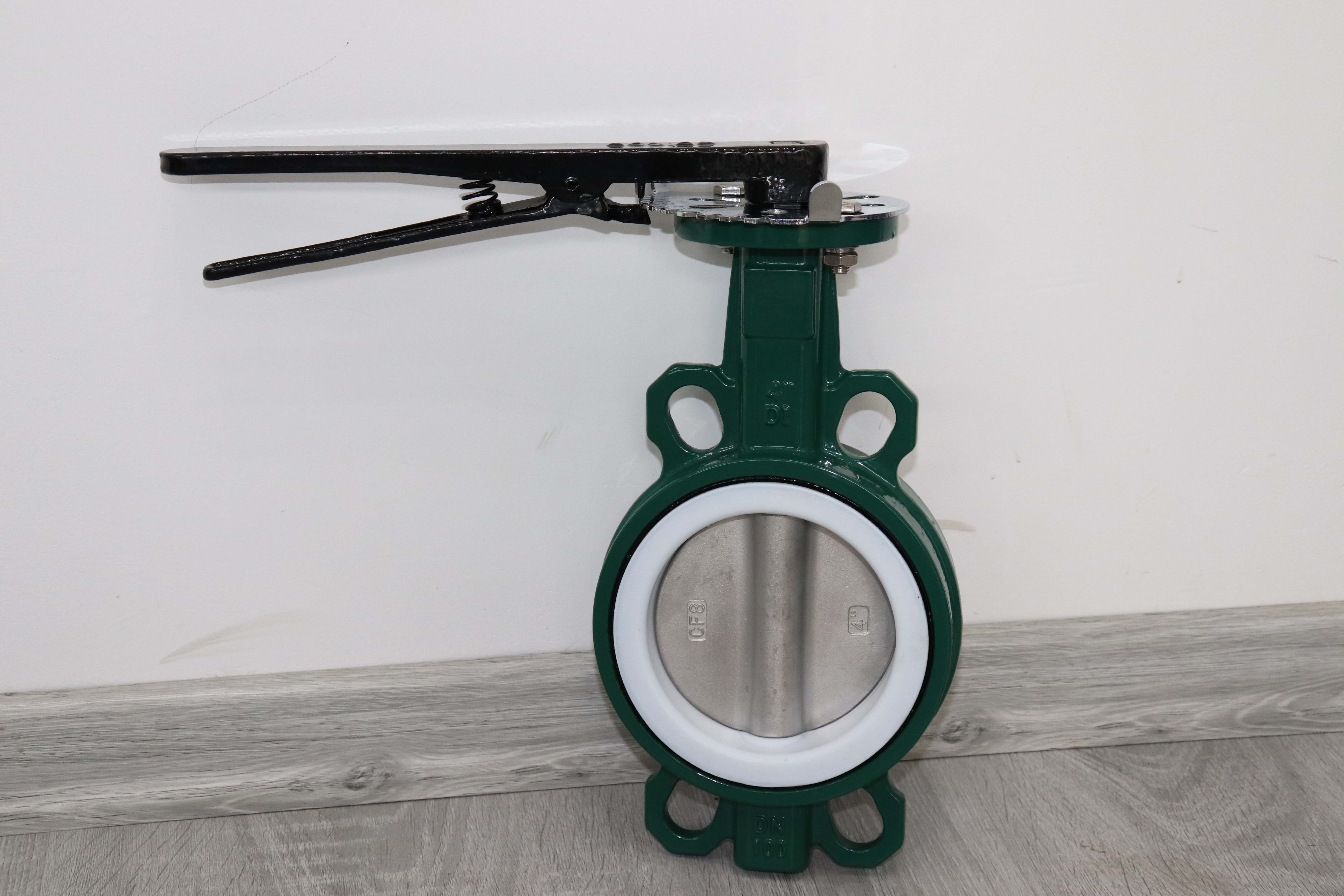
The primary material for most china carbon steel globe valves is ASTM A105 carbon steel, chosen for its weldability, machinability, and reasonable cost. A105 steel typically contains 0.25-0.35% carbon, with manganese, silicon, and phosphorus present in controlled quantities. The microstructure consists primarily of ferrite and pearlite, dictating mechanical properties such as yield strength (approximately 36,000 psi) and tensile strength (approximately 58,000 psi). Valve bodies are commonly manufactured using casting or forging. Casting, utilizing sand molds, is cost-effective for complex geometries but may require post-casting heat treatment to relieve residual stresses. Forging, involving shaping the metal under compressive forces, yields a denser microstructure with superior mechanical properties, particularly fatigue resistance. Disc and stem components often employ materials like ASTM A351 Grade CF8 (stainless steel) to enhance corrosion resistance in fluid contact areas. Manufacturing processes involve precision machining of valve components, including the seating surfaces, which are critical for achieving a leak-tight seal. Welding is a critical joining process; shielded metal arc welding (SMAW) or gas tungsten arc welding (GTAW) are employed, adhering to ASME Section IX standards. Post-weld heat treatment (PWHT) is often required to normalize weld metal properties and prevent cracking. Quality control includes non-destructive testing (NDT) methods like radiographic testing (RT) and ultrasonic testing (UT) to detect internal flaws. Parameter control during heat treatment, forging/casting, and welding are critical to ensuring consistent material properties and dimensional accuracy.
Performance & Engineering
The performance of a carbon steel globe valve is significantly influenced by hydrodynamic forces and pressure drop. The valve’s design necessitates a tortuous flow path, inherently creating a higher pressure drop compared to gate or ball valves. The flow coefficient (Cv) quantifies the valve’s capacity to pass fluid and is directly related to the valve’s size and internal geometry. Engineering calculations include evaluating the stress distribution within the valve body under maximum operating pressure, utilizing finite element analysis (FEA) to identify potential stress concentration points. The seat design (e.g., metal-to-metal, soft seat) dictates the leakage class (ANSI/FCI 70-2 or similar standards). Soft seats, typically made of PTFE or similar polymers, offer tighter shut-off but have temperature and chemical compatibility limitations. Environmental resistance is a crucial consideration; carbon steel is susceptible to corrosion in the presence of moisture, chlorides, and acids. Protective coatings, such as epoxy or fusion-bonded epoxy (FBE), are commonly applied to mitigate corrosion. Compliance requirements vary based on the application and geographical location. API 600 (flanged steel globe valves) and MSS SP-110 (testing of valves) are prominent standards. Force analysis considers the torque required to operate the valve manually or with an actuator. Actuator selection (pneumatic, electric, hydraulic) depends on the valve size, operating pressure, and desired control speed. Fatigue analysis is also paramount, predicting the valve’s lifespan under cyclic loading conditions.
Technical Specifications
| Parameter | Unit | Typical Value (A105 Carbon Steel) | Notes |
|---|---|---|---|
| Pressure Rating | psi | 125-2500 | Varies with valve class (150, 300, 600, etc.) |
| Temperature Range | °F | -20 to 450 | Dependent on gasket/seat material |
| Flow Coefficient (Cv) | gpm | 0.5 – 500 | Varies with valve size and design |
| Leakage Class | - | VI (Bubble Tight) | ANSI/FCI 70-2 standard |
| Material (Body) | - | ASTM A105 | Common carbon steel grade |
| Material (Disc/Stem) | - | ASTM A351 CF8 | Stainless steel for corrosion resistance |
Failure Mode & Maintenance
Common failure modes for carbon steel globe valves include seat erosion, disc damage, stem packing leakage, and body corrosion. Seat erosion is typically caused by abrasive particles in the fluid stream, leading to increased leakage. Disc damage can result from water hammer, caviation, or foreign object impact. Stem packing leakage stems from wear or degradation of the packing material, allowing fluid to escape. Corrosion, particularly in chloride-rich environments, can cause pitting or uniform corrosion, weakening the valve body. Fatigue cracking can occur in the valve body or disc due to cyclic loading. Failure analysis involves visual inspection, NDT methods (dye penetrant testing, magnetic particle inspection), and metallurgical examination. Preventive maintenance includes regular inspection of packing glands, lubrication of stem threads, and periodic testing of valve tightness. Replacement of worn packing, seats, or discs is often necessary. Corrosion prevention measures include applying protective coatings, using corrosion-resistant alloys, and implementing cathodic protection systems. For valves in critical applications, a scheduled maintenance program incorporating hydrostatic testing and valve actuation exercises is essential. Proper storage is also crucial. Valves should be stored in a dry environment to prevent corrosion. Routine cleaning to remove debris and contaminants prevents issues and extends longevity.
Industry FAQ
Q: What is the impact of varying fluid temperatures on the longevity of a carbon steel globe valve?
A: Elevated temperatures accelerate corrosion rates and reduce the strength of carbon steel. High temperatures can also cause thermal expansion and contraction, leading to stresses in the valve body and potential leakage. Selecting appropriate gasket materials and considering temperature derating factors are crucial for maintaining longevity.
Q: How does the valve’s trim material impact its suitability for handling corrosive fluids?
A: The trim material (disc, seat, stem) is the primary barrier against corrosive fluids. Carbon steel trim is susceptible to corrosion in many environments. Upgrading to stainless steel (e.g., 316) or alloy materials (e.g., Hastelloy) significantly improves corrosion resistance but increases cost. The specific alloy selection depends on the fluid’s composition and concentration.
Q: What are the key considerations when specifying a globe valve for high-pressure applications?
A: High-pressure applications require valves with thicker walls and robust designs. Careful consideration must be given to the valve body material, gasket selection, and bolting arrangement. Finite element analysis (FEA) is essential to verify the valve’s structural integrity under maximum operating pressure. Compliance with API 600 standards is vital.
Q: What is the difference between a Y-pattern and a T-pattern globe valve, and when should each be used?
A: T-pattern globe valves have a straight-through flow path, resulting in higher pressure drop. Y-pattern valves have an angled flow path, reducing pressure drop but increasing turbulence. Y-pattern valves are preferred for applications where minimizing pressure loss is critical, while T-pattern valves are suitable for applications requiring precise flow control.
Q: What is the role of non-destructive testing (NDT) in ensuring the quality of carbon steel globe valves?
A: NDT methods, such as radiographic testing (RT) and ultrasonic testing (UT), are used to detect internal flaws in the valve body, welds, and other critical components without damaging the valve. These tests help ensure that the valve meets the required quality standards and can withstand the intended operating conditions.
Conclusion
China carbon steel globe valves represent a critical component in industrial fluid control systems, offering a reliable and cost-effective solution for regulating flow. Understanding the interplay between material science, manufacturing processes, and engineering principles is paramount for ensuring optimal performance and longevity. The selection of appropriate materials, adherence to stringent quality control procedures, and implementation of preventative maintenance programs are vital for mitigating failure modes and maximizing operational efficiency.
Future advancements in valve technology will likely focus on developing new corrosion-resistant alloys, improving valve sealing mechanisms, and integrating smart sensors for real-time monitoring and predictive maintenance. The growing emphasis on sustainability will also drive the development of more energy-efficient valve designs and environmentally friendly manufacturing processes. Ultimately, a holistic approach encompassing design, material selection, manufacturing, and maintenance is essential for ensuring the continued reliability and performance of china carbon steel globe valves in diverse industrial applications.
-
Top Reasons to Choose a Stainless Steel Flange Check Valve for Industrial Applications
-
forging flanges Material Performance
-
Round Flange Performance Analysis
-
Round Flanges Performance Analysis
-
Custom Flange Performance Analysis
-
DN 40 Flange Performance Analysis
-
8 inch flange Performance Analysis
-
angle ring flanges Performance Analysis
-
Flat Flanges Performance Analysis
-
Full Face Flange Performance Analysis
-
Full Face Flanges Performance Analysis
-
flange 8 inch Performance Analysis
-
Ring Flange Performance Analysis
-
3 inch split flange Performance Analysis
-
Tongue and groove flange Performance Analysis
 Afrikaans
 Albanian
 Amharic
 Arabic
 Armenian
 Azerbaijani
 Basque
 Belarusian
 Bengali
 Bosnian
 Bulgarian
 Catalan
 Cebuano
 Corsican
 Croatian
 Czech
Czech
 Danish
 Dutch
Dutch
 Esperanto
 Estonian
 Finnish
 French
 Frisian
 Galician
 Georgian
 German
 Greek
Greek
 Gujarati
 Haitian Creole
 Hausa
Hawaiian
Hausa
Hawaiian
 Hebrew
 Hindi
Hindi
 Miao
Miao
 Hungarian
 Icelandic
 Igbo
Igbo
 Indonesian
 Irish
Irish
 Italian
 Japanese
 Javanese
Kannada
Javanese
Kannada
 Kazakh
 Khmer
Khmer
 Rwandese
 Korean
 Kurdish
 Kyrgyz
 Lao
Lao
 Latin
Latin
 Latvian
 Lithuanian
 Luxembourgish
 Macedonian
 Malgashi
 Malay
Malay
 Malayalam
 Maltese
 Maori
Maori
 Marathi
 Mongolian
 Myanmar
 Nepali
 Norwegian
 Norwegian
 Occitan
 Pashto
 Persian
 Polish
 Portuguese
Punjabi
Portuguese
Punjabi
 Romanian
 Russian
 Samoan
 Scottish Gaelic
 Serbian
 Sesotho
 Shona
Shona
 Sindhi
 Sinhala
 Slovak
 Slovenian
 Somali
 Spanish
 Sundanese
 Swahili
 Swedish
Tagalog
Swedish
Tagalog
 Tajik
Tajik
 Tamil
Tamil
 Tatar
Tatar
 Telugu
 Thai
Thai
 Turkish
 Turkmen
 Ukrainian
 Urdu
Urdu
 Uighur
 Uzbek
Uzbek
 Vietnamese
 Welsh
Welsh
 Bantu
Bantu
 Yiddish
 Yoruba
 Zulu
Zulu
 English