




china electrically actuated gate valve Performance Analysis
Introduction
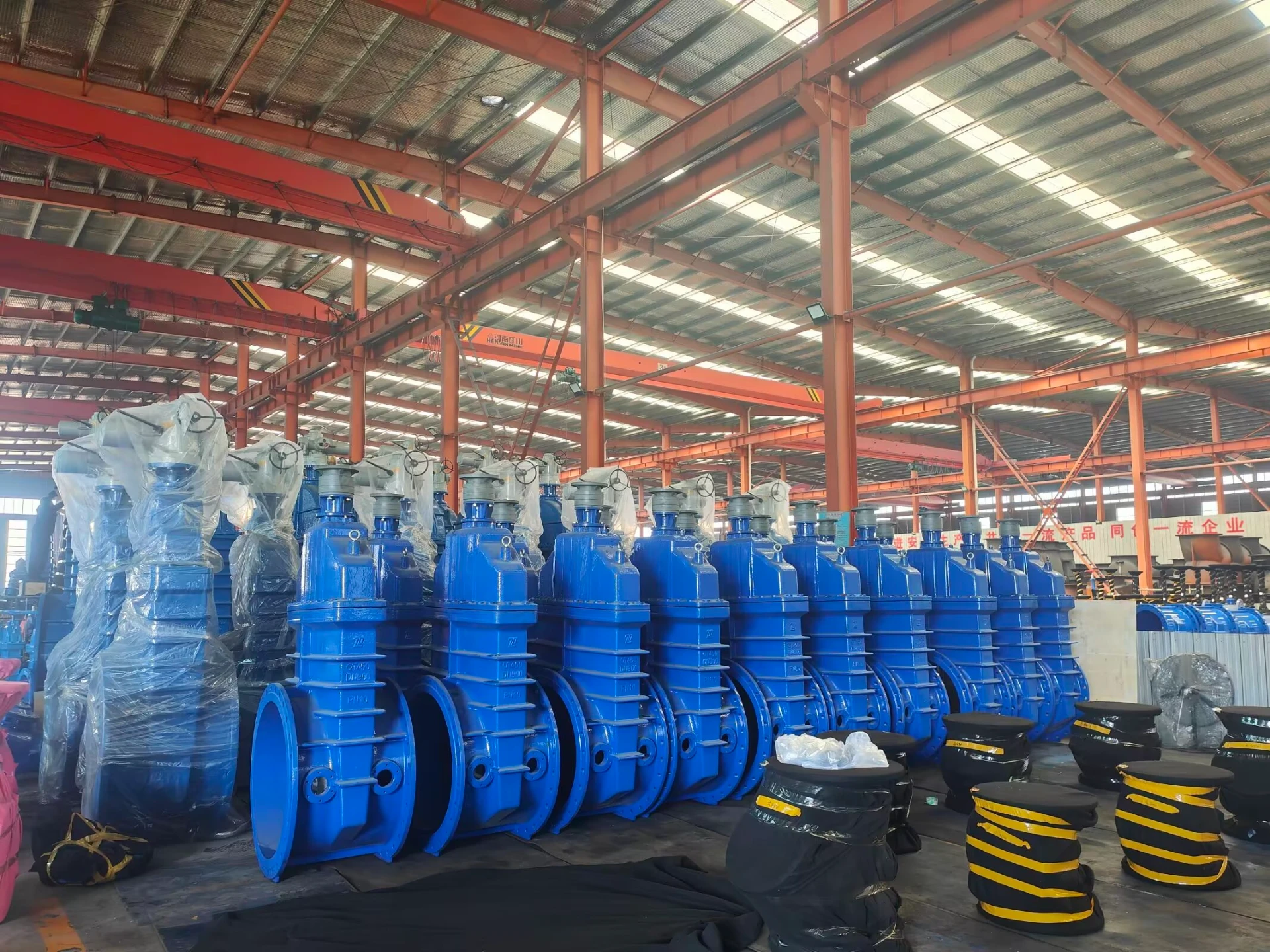
China electrically actuated gate valves represent a critical component in numerous industrial fluid handling systems, serving as isolation devices within pipelines. These valves, distinguished by their use of an electric actuator to automate gate closure, offer precise flow control and remote operation capabilities. They occupy a significant position in the process industry chain, frequently deployed in sectors such as water treatment, petrochemical processing, power generation, and oil & gas. Core performance characteristics center around leak tightness, actuation speed, durability under pressure fluctuations, and adherence to stringent safety standards. Unlike manually operated gate valves, electrically actuated models eliminate the need for direct human intervention, enhancing operational efficiency and minimizing potential for human error, particularly in hazardous environments. Their increasing adoption reflects a broader industry trend towards automation and remote control in process optimization.
Material Science & Manufacturing
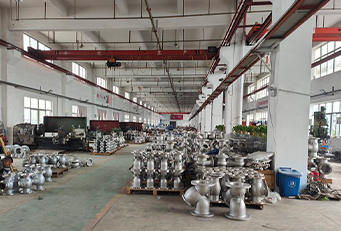
The body of a china electrically actuated gate valve is commonly constructed from materials like cast iron (ASTM A126 Class B), ductile iron (ASTM A536 65-45-12), carbon steel (ASTM A105, A350 LF2), or stainless steel (304, 316). Material selection depends heavily on the fluid handled, operating pressure, and temperature range. The gate itself typically comprises bronze (B148 C95500), stainless steel (304, 316), or alloy steel, chosen for wear resistance and corrosion prevention. Seals often utilize materials like EPDM, NBR, Viton, or PTFE, determined by chemical compatibility with the process fluid. Manufacturing involves several key processes: casting or forging of the valve body, precision machining of the gate and seat surfaces to ensure leak-tight closure, and assembly incorporating the electric actuator. The actuator, usually a helical gear or a non-rising stem design, demands precise motor control and gear reduction. Critical parameters during manufacturing include dimensional tolerances (verified using Coordinate Measuring Machines - CMMs), surface finish (Ra values), and welding integrity (using radiographic testing and liquid penetrant inspection). Corrosion resistance is enhanced through processes like epoxy coating (meeting AWS D1.1 standards) or internal lining with fluoropolymers (PFA or PTFE) for aggressive media. Proper heat treatment of steel components is essential for achieving desired mechanical properties, such as yield strength and tensile strength.
Performance & Engineering
Performance analysis of these valves centers on several critical engineering considerations. Hydrostatic pressure testing (API 598) verifies the structural integrity of the valve body and its ability to withstand specified pressures. Flow coefficient (Cv) determination, often through computational fluid dynamics (CFD) modeling and physical testing (ISO 5208), is vital for accurate process control. The torque requirements for actuation, dictated by valve size, fluid viscosity, and pressure drop, necessitate careful motor and gear selection. Environmental resistance is a key factor; valves operating in harsh climates require robust sealing to prevent ingress of moisture, dust, and corrosive substances (IP67 or higher ingress protection rating). Actuator control systems incorporate limit switches and feedback sensors to ensure precise positioning and prevent over-travel. Force analysis considers the stem thrust generated by the actuator and the opposing forces from fluid pressure and gate friction. Fatigue life is assessed through cyclic testing, simulating repeated open/close cycles to identify potential failure points. Compliance requirements often involve adherence to standards like CE marking (European safety standards) and explosion-proof certifications (ATEX or IECEx) for hazardous area applications. Valve actuation time is also a crucial parameter, specified based on process requirements, generally ranging from a few seconds to several minutes.
Technical Specifications
| Parameter | DN50 (2 inch) | DN100 (4 inch) | DN150 (6 inch) | DN200 (8 inch) |
|---|---|---|---|---|
| Maximum Operating Pressure (PSI) | 200 | 150 | 120 | 100 |
| Temperature Range (°C) | -20 to 120 | -20 to 120 | -20 to 80 | -20 to 80 |
| Actuator Voltage (VAC) | 24V DC, 110V AC, 220V AC | 110V AC, 220V AC, 380V AC | 220V AC, 380V AC, 415V AC | 380V AC, 415V AC, 660V AC |
| Actuation Time (seconds) | 5-10 | 8-15 | 12-20 | 15-25 |
| Cv Value (m³/h) | 15 | 40 | 80 | 150 |
| Body Material | Cast Iron | Ductile Iron | Carbon Steel | Carbon Steel |
Failure Mode & Maintenance
Common failure modes in china electrically actuated gate valves include gate binding due to debris accumulation, seat erosion leading to leakage, actuator motor failure, and corrosion of valve body components. Fatigue cracking in the gate or stem can occur from repeated cycling under high loads. Delamination of coatings, particularly epoxy linings, reduces corrosion resistance. Oxidation of metal parts, especially in high-temperature environments, compromises structural integrity. Leakage can also arise from seal degradation due to chemical incompatibility or temperature extremes. Preventive maintenance is critical. Regular inspection of the actuator (checking motor current, lubrication levels, and wiring connections) is essential. Periodic disassembly and cleaning of the valve internals, including the gate, seat, and stem, prevents debris buildup. Lubrication of the stem threads with appropriate grease ensures smooth operation. Non-destructive testing (NDT), such as ultrasonic testing, can detect cracks or flaws in the valve body. Seal replacement should be performed according to a pre-defined schedule based on fluid compatibility and operating conditions. Corrosion mitigation involves protective coatings, cathodic protection (in buried applications), and material selection. Failure analysis should be conducted for any significant failures to identify root causes and implement corrective actions.
Industry FAQ
Q: What is the expected lifespan of the electric actuator in a typical chemical processing application?
A: The expected lifespan of the electric actuator varies based on operating frequency, environmental conditions, and maintenance practices. However, with proper lubrication and protection from corrosive elements, a well-maintained actuator can typically operate effectively for 5-10 years. Regular monitoring of motor current and temperature is crucial for early detection of potential issues.
Q: How does the valve body material selection impact corrosion resistance when handling hydrochloric acid?
A: Hydrochloric acid is highly corrosive to many metals. Carbon steel is unsuitable for direct contact. Stainless steel (316) provides good resistance, but specialized alloys like Hastelloy or PTFE-lined valves are preferred for highly concentrated HCl solutions and elevated temperatures. Proper material selection is critical to prevent rapid corrosion and valve failure.
Q: What is the significance of the IP rating for these valves in outdoor installations?
A: The IP (Ingress Protection) rating indicates the level of protection against dust and water ingress. For outdoor installations, an IP67 rating (dust-tight and protection against temporary immersion) or higher is recommended to prevent actuator failure and maintain reliable operation in adverse weather conditions. IP ratings are defined by IEC 60529.
Q: Can these valves be equipped with position feedback signals for integration into a distributed control system (DCS)?
A: Yes, most china electrically actuated gate valves can be fitted with position feedback signals (e.g., 4-20mA, HART, Modbus) that allow seamless integration with a DCS. These signals provide real-time valve position information, enabling precise process control and automated operation.
Q: What are the key differences between rising-stem and non-rising-stem electrically actuated gate valves in terms of maintenance requirements?
A: Non-rising-stem valves generally require less frequent stem packing adjustment as the stem does not rotate during operation. Rising-stem valves, while offering visual indication of valve position, necessitate periodic packing gland adjustments to maintain a leak-tight seal around the stem. Both types require regular actuator maintenance.
Conclusion
China electrically actuated gate valves are indispensable components in modern industrial processes, offering automated flow control and enhanced operational efficiency. The selection of appropriate materials, meticulous manufacturing processes, and adherence to relevant industry standards are crucial for ensuring long-term reliability and safe operation. Understanding the potential failure modes and implementing a robust preventative maintenance program further extends valve lifespan and minimizes downtime.
The continued advancements in actuator technology and materials science will likely drive further improvements in valve performance and durability. Future developments may focus on intelligent valve diagnostics, predictive maintenance capabilities, and integration with industrial IoT platforms for optimized process management. Selecting the correct valve for the application, considering process parameters, fluid compatibility, and environmental factors, remains paramount to success.
-
Top Reasons to Choose a Stainless Steel Flange Check Valve for Industrial Applications
-
1 4 in check valve Performance Engineering
-
check valve 3 4 Performance Analysis
-
11 2 check valve Performance Analysis
-
spring check valve Material Science Manufacturing
-
DN100 Flange Performance Analysis
-
DN50 Flange Performance Analysis
-
double flanged butterfly valve Performance Analysis
-
forged flanges Performance Analysis
-
4 blind flange Performance Engineering
-
3 flanged ball valve Performance Analysis
-
2 threaded flange Performance Analysis
-
4 ball valve flanged Performance Analysis
-
90 degree flange elbow Performance Analysis
-
Custom Flanges Performance Analysis
 Afrikaans
 Albanian
 Amharic
 Arabic
 Armenian
 Azerbaijani
 Basque
 Belarusian
 Bengali
 Bosnian
 Bulgarian
 Catalan
 Cebuano
 Corsican
 Croatian
 Czech
Czech
 Danish
 Dutch
Dutch
 Esperanto
 Estonian
 Finnish
 French
 Frisian
 Galician
 Georgian
 German
 Greek
Greek
 Gujarati
 Haitian Creole
 Hausa
Hawaiian
Hausa
Hawaiian
 Hebrew
 Hindi
Hindi
 Miao
Miao
 Hungarian
 Icelandic
 Igbo
Igbo
 Indonesian
 Irish
Irish
 Italian
 Japanese
 Javanese
Kannada
Javanese
Kannada
 Kazakh
 Khmer
Khmer
 Rwandese
 Korean
 Kurdish
 Kyrgyz
 Lao
Lao
 Latin
Latin
 Latvian
 Lithuanian
 Luxembourgish
 Macedonian
 Malgashi
 Malay
Malay
 Malayalam
 Maltese
 Maori
Maori
 Marathi
 Mongolian
 Myanmar
 Nepali
 Norwegian
 Norwegian
 Occitan
 Pashto
 Persian
 Polish
 Portuguese
Punjabi
Portuguese
Punjabi
 Romanian
 Russian
 Samoan
 Scottish Gaelic
 Serbian
 Sesotho
 Shona
Shona
 Sindhi
 Sinhala
 Slovak
 Slovenian
 Somali
 Spanish
 Sundanese
 Swahili
 Swedish
Tagalog
Swedish
Tagalog
 Tajik
Tajik
 Tamil
Tamil
 Tatar
Tatar
 Telugu
 Thai
Thai
 Turkish
 Turkmen
 Ukrainian
 Urdu
Urdu
 Uighur
 Uzbek
Uzbek
 Vietnamese
 Welsh
Welsh
 Bantu
Bantu
 Yiddish
 Yoruba
 Zulu
Zulu
 English