




china flanged check valve Performance Analysis
Introduction
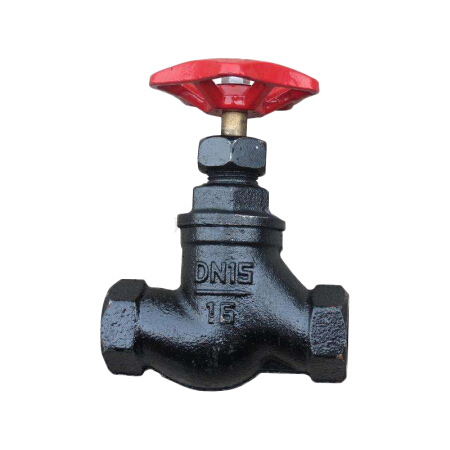
The China Flanged Check Valve is a critical component in fluid handling systems, designed to prevent backflow in pipelines. Positioned within the broader industrial valve landscape, it functions as a unidirectional flow control device, ensuring process integrity and preventing damage to upstream equipment. These valves, manufactured in China, represent a significant portion of the global valve market, known for cost-effectiveness and increasing technical sophistication. Core performance characteristics include leak tightness, pressure drop, flow capacity, and durability under various operating conditions. Industries relying heavily on these valves include water treatment, power generation, chemical processing, oil & gas, and pulp & paper. A primary industry pain point centers around material selection to mitigate corrosion and erosion, alongside ensuring reliable sealing performance in demanding applications. Furthermore, compliance with international standards is paramount for global market acceptance.
Material Science & Manufacturing
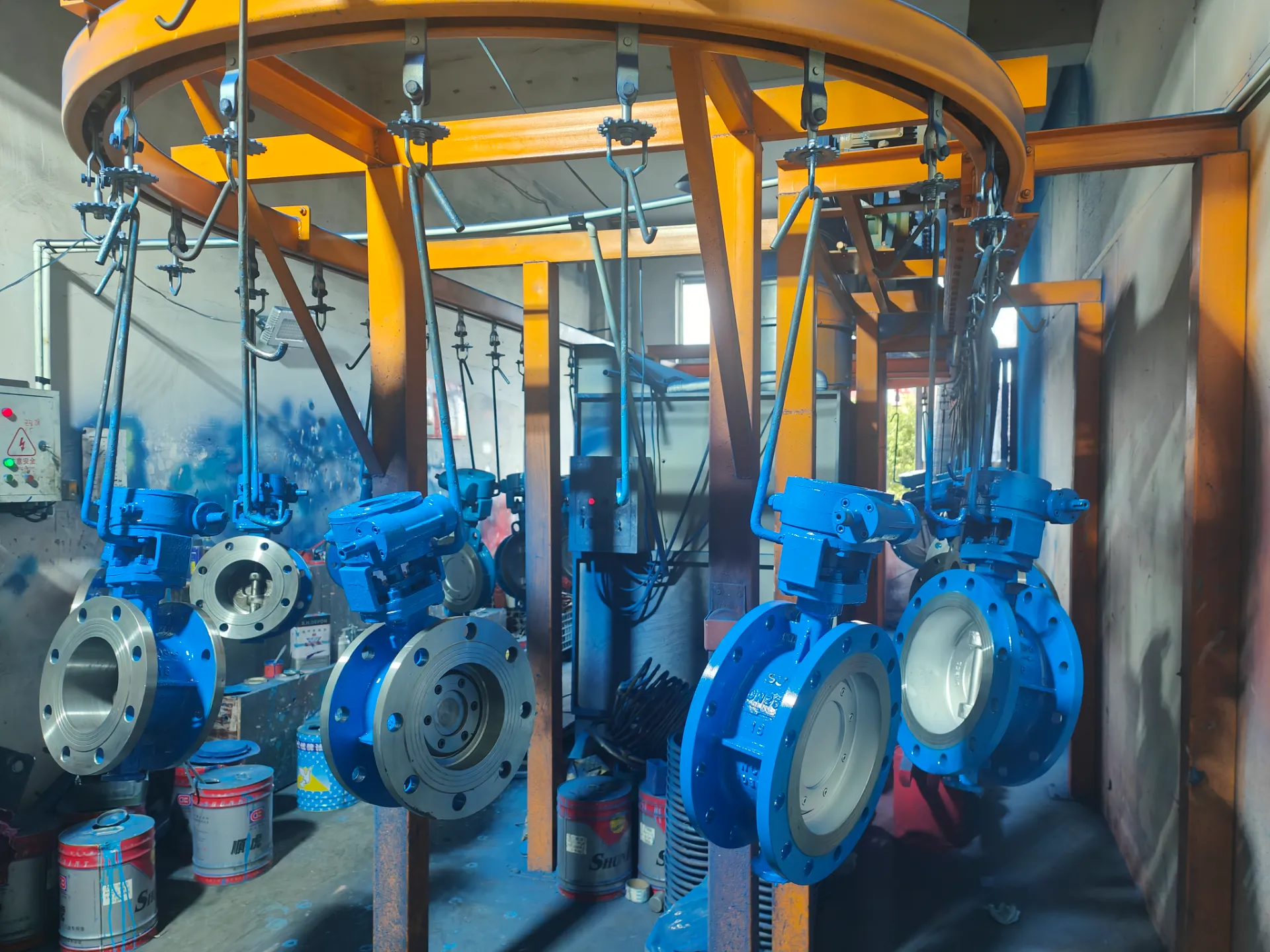
China Flanged Check Valves are commonly constructed from a variety of materials dictated by fluid compatibility and operating pressures. Body materials include cast iron (ASTM A126 Class B), ductile iron (ASTM A536 65-45-12), carbon steel (ASTM A105), stainless steel (304/316 – ASTM A351), and alloy steels (e.g., WC6 for erosion resistance). Disc materials often mirror the body material for galvanic compatibility, but may utilize specialized elastomers (EPDM, PTFE, Viton) or more robust alloys depending on the service. Seat materials typically consist of reinforced PTFE, EPDM, or metallic compositions for higher temperature and pressure applications. Manufacturing processes involve several key steps. Firstly, casting or forging forms the valve body. Flange faces are then machined to ensure dimensional accuracy and sealing surfaces are meticulously prepared. Disc fabrication involves casting, forging, or machining, followed by heat treatment for desired mechanical properties. Assembly requires precise alignment and torque control during bolting. Quality control is crucial, encompassing hydrostatic testing (API 598) to verify leak tightness, non-destructive examination (NDE) like radiographic testing (RT) and ultrasonic testing (UT) to detect internal flaws, and surface finish inspection. Critical parameters during casting include sand composition, melt temperature, and cooling rates; precise control prevents porosity and ensures structural integrity. Welding procedures (AWS D1.1) for connecting components must be carefully controlled to avoid distortion and maintain weld quality.
Performance & Engineering
The performance of a China Flanged Check Valve hinges on its ability to minimize pressure drop while preventing backflow. Flow coefficient (Cv) is a critical parameter, representing the valve's capacity to pass a specific flow rate at a given pressure drop. The valve's design, particularly the disc profile and flow area, significantly influences Cv. Force analysis considers hydrodynamic forces exerted by the fluid on the disc, particularly during opening and closing cycles. These forces are countered by the disc's weight and spring action (in some designs). Environmental resistance is vital; the valve must withstand temperature fluctuations, corrosive fluids, and external weather conditions. Material selection plays a key role in corrosion prevention – for example, utilizing 316 stainless steel in seawater applications. Compliance requirements vary by region and industry. API 6D specifies the performance and testing requirements for quarter-turn valves, including check valves, while ASME Section VIII Div 1 provides rules for pressure vessel design and fabrication. Functional implementation involves proper valve sizing to match the pipeline's flow rate and pressure; undersized valves cause excessive pressure drop, while oversized valves may not close effectively. The spring mechanism (where present) must be properly calibrated to ensure reliable and responsive operation. Fatigue life is also crucial, particularly in applications with frequent cycling.
Technical Specifications
| Parameter | Units | Typical Value (Carbon Steel) | Typical Value (SS316) |
|---|---|---|---|
| Maximum Pressure | PSI | 250 | 200 |
| Temperature Range | °F | -20 to 450 | -20 to 500 |
| Connection Standard | ANSI B16.5 | ANSI B16.5 | |
| Flow Coefficient (Cv) - 4" Valve | GPM | 450 | 430 |
| Leakage Class (API 598) | Class VI | Class V | |
| Material – Body | Carbon Steel (A105) | Stainless Steel (316) |
Failure Mode & Maintenance
China Flanged Check Valves are susceptible to several failure modes. Corrosion is a common issue, particularly with carbon steel valves in aggressive environments. This manifests as pitting, erosion, or stress corrosion cracking. Disc sticking can occur due to debris buildup or corrosion, preventing proper closure and leading to backflow. Seat damage, caused by erosion or impact from solids in the fluid stream, results in leakage. Fatigue cracking can develop in the body or disc due to repeated stress cycles. Bolted flange joint failures arise from improper torqueing, corrosion of bolts, or gasket degradation. Maintenance involves regular inspection for corrosion, erosion, and leaks. Periodic disc and seat cleaning prevents sticking. Bolt torque should be checked and adjusted according to manufacturer's specifications. Gaskets should be replaced at recommended intervals. For corroded valves, surface preparation and application of protective coatings (e.g., epoxy) can extend service life. In severe cases, component replacement may be necessary. Preventative maintenance programs, including scheduled inspections and lubrication, significantly reduce the risk of catastrophic failure and ensure optimal valve performance. Failure analysis, employing techniques like metallography and fracture mechanics, can pinpoint the root cause of failures and guide corrective actions.
Industry FAQ
Q: What is the significance of the pressure rating for a flanged check valve, and how does it relate to operational safety?
A: The pressure rating defines the maximum pressure the valve can safely withstand at a specified temperature. Exceeding this rating can lead to catastrophic failure, resulting in leaks, equipment damage, and potential injury. It’s critical to select a valve with a pressure rating that exceeds the maximum anticipated system pressure, incorporating a safety factor. Furthermore, the flange rating must match or exceed the valve’s pressure rating for safe operation.
Q: What materials are best suited for handling highly corrosive fluids like sulfuric acid, and what are the key considerations?
A: For highly corrosive fluids like sulfuric acid, materials like PTFE-lined carbon steel, Alloy 20, or specialized fluoropolymers are recommended. Key considerations include chemical resistance charts, temperature, concentration of the acid, and flow velocity. Regular inspection for corrosion is paramount, and appropriate protective coatings or cathodic protection may be required.
Q: How do you determine the appropriate size of a flanged check valve for a given pipeline?
A: Valve sizing requires considering the pipeline's flow rate, fluid properties (density, viscosity), and the allowable pressure drop. Using the flow rate and desired pressure drop, the appropriate Cv (flow coefficient) can be calculated. The valve size is then selected based on the manufacturer's Cv data for different valve sizes. Undersizing leads to excessive pressure drop; oversizing can lead to disc chatter and premature wear.
Q: What are the critical steps in the installation process to ensure proper operation and prevent leaks?
A: Critical steps include proper flange alignment, uniform bolt tightening to the manufacturer’s specified torque values, using appropriate gasket materials compatible with the fluid, and ensuring the valve is installed in the correct orientation (flow direction). Visual inspection for damage during transit and installation is also crucial. A hydrostatic test should be performed post-installation to verify leak tightness.
Q: What are the key differences between swing check valves and lift check valves, and when would you choose one over the other?
A: Swing check valves use a hinged disc that swings open with flow and closes against a seat using gravity and backflow momentum. They offer lower pressure drop but are prone to water hammer. Lift check valves use a disc that lifts off the seat with flow and closes vertically. They are better suited for applications with frequent flow reversals and minimize water hammer, but have a higher pressure drop.
Conclusion
The China Flanged Check Valve represents a foundational component in numerous industrial fluid systems. Understanding its material science, manufacturing processes, performance characteristics, and potential failure modes is crucial for ensuring reliable and safe operation. The selection of appropriate materials based on fluid compatibility and operating conditions remains a primary engineering challenge.
Moving forward, advancements in valve design, such as optimized disc profiles for reduced pressure drop and the incorporation of advanced materials like duplex stainless steels for enhanced corrosion resistance, will continue to improve performance and longevity. Adherence to stringent quality control procedures and international standards is vital for maintaining the integrity and global competitiveness of China-manufactured check valves.
-
Top Reasons to Choose a Stainless Steel Flange Check Valve for Industrial Applications
-
forging flanges Material Performance
-
Round Flange Performance Analysis
-
Round Flanges Performance Analysis
-
Custom Flange Performance Analysis
-
DN 40 Flange Performance Analysis
-
8 inch flange Performance Analysis
-
angle ring flanges Performance Analysis
-
Flat Flanges Performance Analysis
-
Full Face Flange Performance Analysis
-
Full Face Flanges Performance Analysis
-
flange 8 inch Performance Analysis
-
Ring Flange Performance Analysis
-
3 inch split flange Performance Analysis
-
Tongue and groove flange Performance Analysis
 Afrikaans
 Albanian
 Amharic
 Arabic
 Armenian
 Azerbaijani
 Basque
 Belarusian
 Bengali
 Bosnian
 Bulgarian
 Catalan
 Cebuano
 Corsican
 Croatian
 Czech
Czech
 Danish
 Dutch
Dutch
 Esperanto
 Estonian
 Finnish
 French
 Frisian
 Galician
 Georgian
 German
 Greek
Greek
 Gujarati
 Haitian Creole
 Hausa
Hawaiian
Hausa
Hawaiian
 Hebrew
 Hindi
Hindi
 Miao
Miao
 Hungarian
 Icelandic
 Igbo
Igbo
 Indonesian
 Irish
Irish
 Italian
 Japanese
 Javanese
Kannada
Javanese
Kannada
 Kazakh
 Khmer
Khmer
 Rwandese
 Korean
 Kurdish
 Kyrgyz
 Lao
Lao
 Latin
Latin
 Latvian
 Lithuanian
 Luxembourgish
 Macedonian
 Malgashi
 Malay
Malay
 Malayalam
 Maltese
 Maori
Maori
 Marathi
 Mongolian
 Myanmar
 Nepali
 Norwegian
 Norwegian
 Occitan
 Pashto
 Persian
 Polish
 Portuguese
Punjabi
Portuguese
Punjabi
 Romanian
 Russian
 Samoan
 Scottish Gaelic
 Serbian
 Sesotho
 Shona
Shona
 Sindhi
 Sinhala
 Slovak
 Slovenian
 Somali
 Spanish
 Sundanese
 Swahili
 Swedish
Tagalog
Swedish
Tagalog
 Tajik
Tajik
 Tamil
Tamil
 Tatar
Tatar
 Telugu
 Thai
Thai
 Turkish
 Turkmen
 Ukrainian
 Urdu
Urdu
 Uighur
 Uzbek
Uzbek
 Vietnamese
 Welsh
Welsh
 Bantu
Bantu
 Yiddish
 Yoruba
 Zulu
Zulu
 English