




china half inch propress ball valve Performance Analysis
Introduction
The china half inch propress ball valve represents a critical component in fluid control systems, primarily utilized in plumbing, heating, ventilation, and air conditioning (HVAC) applications. Characterized by its robust construction and quick-connect propress technology, it facilitates efficient and reliable shut-off capabilities. This valve distinguishes itself from traditional soldered or threaded valves by enabling rapid installation and removal without the need for open flames or extensive pipe preparation. Its core performance characteristics revolve around leak-proof sealing, pressure resistance, and long-term durability within specified operating parameters. The increasing adoption of propress systems in commercial and residential construction necessitates a thorough understanding of the valve’s material science, manufacturing processes, performance limitations, and potential failure modes to ensure optimal system integrity and longevity. The industry faces pain points including ensuring consistent quality from Chinese manufacturers, mitigating the risk of galvanic corrosion with dissimilar metals, and verifying adherence to international pressure and safety standards.
Material Science & Manufacturing
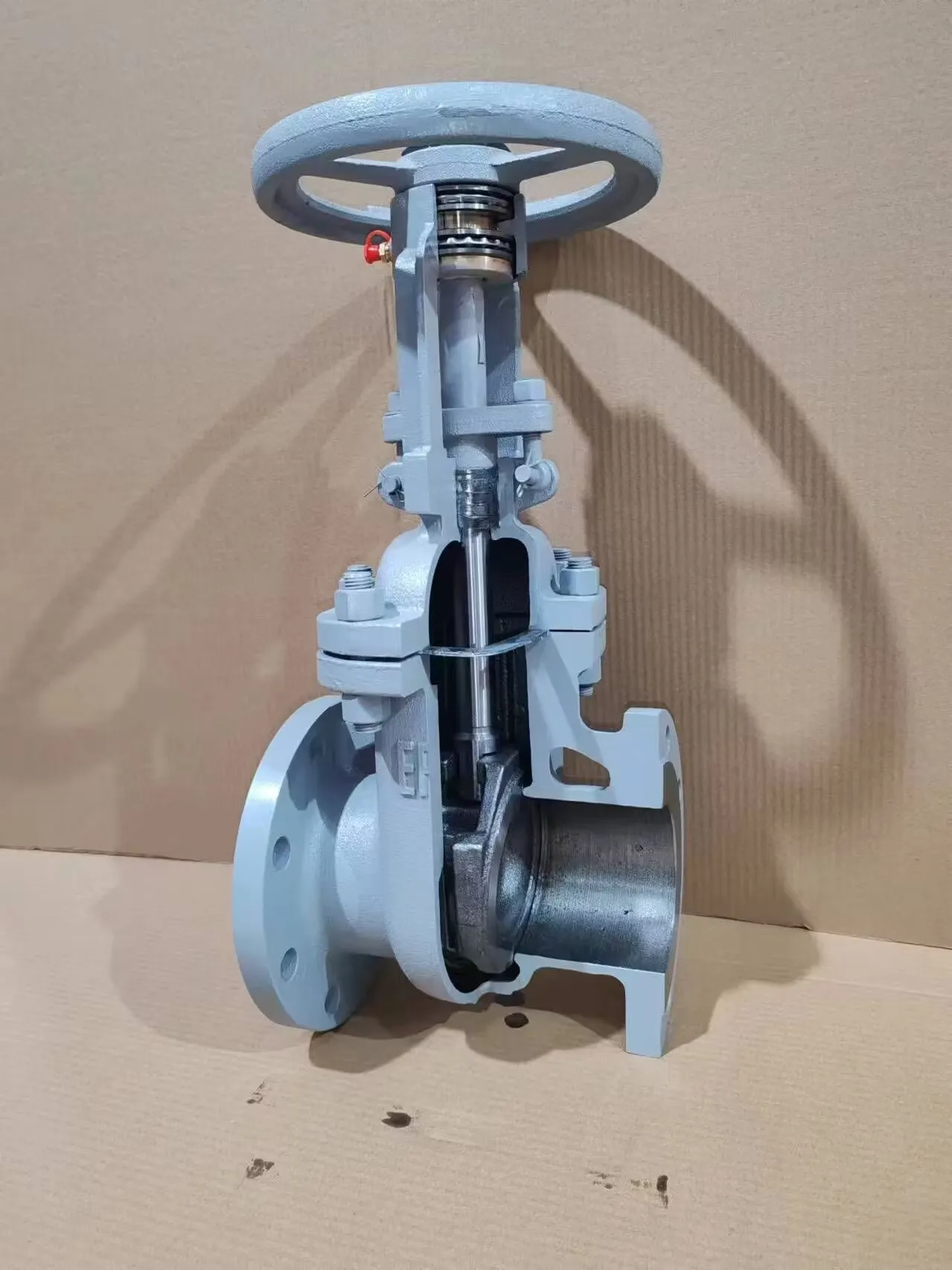
The body of the china half inch propress ball valve is typically constructed from dezincification resistant brass (DR brass), often conforming to ASTM B368 or equivalent standards. DR brass contains a small percentage of silicon, significantly improving its resistance to dezincification – the selective leaching of zinc from brass alloys in certain water conditions. The ball itself is commonly manufactured from chrome-plated brass or, in higher-performance applications, stainless steel (typically 316 or 304). The seats, responsible for sealing, are frequently made from PTFE (polytetrafluoroethylene) due to its exceptional chemical resistance and low friction coefficient. The propress connection rings utilize high-strength copper alloy, ensuring a secure and permanent connection with compatible copper pipes.
Manufacturing involves several key processes: die casting for the valve body, CNC machining for precise ball and stem fabrication, and PTFE injection molding for the seats. The propress grooves are formed via cold forming or CNC milling, demanding tight dimensional tolerances to guarantee a watertight seal. Critical parameter control includes maintaining consistent alloy composition during brass production, verifying surface finish on the ball to minimize friction, and precisely controlling the PTFE molding process to ensure seat integrity. Quality control involves hydrostatic pressure testing, leak testing, and dimensional inspection at various stages of production. The accuracy of the propress groove geometry is paramount, as even slight deviations can compromise the connection’s reliability. Surface treatments, such as passivation for stainless steel components, further enhance corrosion resistance.
Performance & Engineering
Performance of the china half inch propress ball valve is dictated by several engineering factors. The quarter-turn operation requires a defined torque to fully open or close the valve; excessive torque can damage the stem or seats. Force analysis focuses on the pressure exerted by the fluid on the ball and seats, as well as the clamping force provided by the propress connection. The valve must withstand hydrostatic pressure testing, typically exceeding the maximum operating pressure specified by industry standards. Environmental resistance is crucial, particularly concerning exposure to corrosive fluids or outdoor conditions. Galvanic corrosion, resulting from the contact between dissimilar metals (brass and copper piping), represents a significant concern and can be mitigated through the use of dielectric unions or protective coatings. Compliance requirements include adherence to NSF/ANSI 61 for drinking water system components, ensuring the valve does not leach harmful substances into the water supply. Furthermore, pressure relief mechanisms may be required in certain applications to prevent over-pressurization and potential failure. The valve's Cv (flow coefficient) determines its capacity to handle specific flow rates at given pressure drops, a critical parameter for system design.
Technical Specifications
| Parameter | Value | Test Standard | Tolerance |
|---|---|---|---|
| Nominal Size | 1/2 inch | ANSI B1.20.1 | ±0.005 inch |
| Maximum Operating Pressure | 300 PSI | ASTM F1974 | ±10 PSI |
| Operating Temperature Range | -60°C to 150°C (-76°F to 302°F) | ASTM F1974 | ±5°C |
| Connection Type | ProPress | CSA B125.1 | N/A |
| Body Material | Dezincification Resistant Brass (DR Brass) | ASTM B368 | Compositional Analysis |
| Ball Material | Chrome Plated Brass / 316 Stainless Steel | ASTM A487 / ASTM A276 | Hardness Testing |
Failure Mode & Maintenance
Common failure modes for the china half inch propress ball valve include seat degradation leading to leakage, stem failure due to excessive torque or corrosion, and propress connection failure due to improper installation or material defects. Seat degradation can manifest as scoring, cracking, or deformation, compromising the valve’s sealing capability. Fatigue cracking in the stem can occur with frequent operation, especially under high loads. Propess connection failures can result from insufficient swaging, incorrect tool usage, or corrosion at the connection point. Corrosion, particularly galvanic corrosion, can affect both the valve body and the propress rings. Oxidation of internal components can also impede smooth operation. Preventive maintenance involves periodic inspection for leaks, visual assessment of the propress connection for signs of corrosion, and lubrication of the stem with a compatible lubricant. Regular testing of the valve’s shut-off capability is also recommended. If leakage is detected, the valve should be disassembled, and the seats replaced. If the propress connection is compromised, it must be re-swaged or replaced entirely. Thorough cleaning and drying of the valve prior to storage can prevent internal corrosion. Detailed failure analysis, including metallographic examination of failed components, can identify the root cause of failures and inform preventative measures.
Industry FAQ
Q: What is the primary advantage of a propress ball valve over a traditional soldered ball valve?
A: The primary advantage is the speed and simplicity of installation. Propress valves eliminate the need for open flames, minimizing fire hazards and reducing installation time significantly. They also allow for easy removal and re-installation without damaging the piping system, simplifying maintenance and modifications.
Q: What is the typical lifespan of a propress ball valve in a residential potable water system?
A: With proper installation and typical residential water conditions, a propress ball valve should have a lifespan of 10-20 years. However, aggressive water chemistry (low pH, high mineral content) can accelerate corrosion and reduce lifespan. Regular inspection and maintenance are key to maximizing longevity.
Q: How do I mitigate the risk of galvanic corrosion when using a propress ball valve with copper piping?
A: Use dielectric unions or protective coatings on the valve body and propress rings to electrically isolate the brass from the copper. Ensuring proper grounding of the plumbing system can also help minimize galvanic corrosion potential. Selecting valves specifically designed to reduce galvanic corrosion is also recommended.
Q: What is the acceptable torque range for operating the half-inch propress ball valve?
A: The recommended torque range is typically between 8-12 Nm (Newton-meters). Exceeding this range can damage the stem or seats. Using a calibrated torque wrench is essential to ensure proper operation and prevent premature failure.
Q: Does the valve meet relevant drinking water safety standards?
A: Reputable manufacturers will ensure their valves meet NSF/ANSI 61 standards for drinking water system components. This certification verifies that the valve does not leach harmful substances into the water supply. Always verify the NSF certification before installation, particularly in potable water applications.
Conclusion
The china half inch propress ball valve delivers a compelling solution for fluid control in a wide range of applications, characterized by its rapid installation, reliable sealing, and long-term durability. Understanding its material science, manufacturing processes, and potential failure modes is crucial for ensuring optimal system performance and minimizing lifecycle costs. Addressing the risks associated with galvanic corrosion and adhering to relevant industry standards, such as NSF/ANSI 61, are paramount for maintaining water quality and system integrity.
Looking ahead, innovations in valve materials, such as advanced polymers and corrosion-resistant alloys, are likely to further enhance the performance and longevity of propress ball valves. Furthermore, the integration of smart valve technologies, incorporating sensors and remote monitoring capabilities, will enable proactive maintenance and improved system efficiency. Ongoing quality control measures at the manufacturing level, alongside rigorous testing and certification, will be essential to maintain consumer confidence and ensure the continued success of propress valve technology.
-
Top Reasons to Choose a Stainless Steel Flange Check Valve for Industrial Applications
-
forging flanges Material Performance
-
Round Flange Performance Analysis
-
Round Flanges Performance Analysis
-
Custom Flange Performance Analysis
-
DN 40 Flange Performance Analysis
-
8 inch flange Performance Analysis
-
angle ring flanges Performance Analysis
-
Flat Flanges Performance Analysis
-
Full Face Flange Performance Analysis
-
Full Face Flanges Performance Analysis
-
flange 8 inch Performance Analysis
-
Ring Flange Performance Analysis
-
3 inch split flange Performance Analysis
-
Tongue and groove flange Performance Analysis
 Afrikaans
 Albanian
 Amharic
 Arabic
 Armenian
 Azerbaijani
 Basque
 Belarusian
 Bengali
 Bosnian
 Bulgarian
 Catalan
 Cebuano
 Corsican
 Croatian
 Czech
Czech
 Danish
 Dutch
Dutch
 Esperanto
 Estonian
 Finnish
 French
 Frisian
 Galician
 Georgian
 German
 Greek
Greek
 Gujarati
 Haitian Creole
 Hausa
Hawaiian
Hausa
Hawaiian
 Hebrew
 Hindi
Hindi
 Miao
Miao
 Hungarian
 Icelandic
 Igbo
Igbo
 Indonesian
 Irish
Irish
 Italian
 Japanese
 Javanese
Kannada
Javanese
Kannada
 Kazakh
 Khmer
Khmer
 Rwandese
 Korean
 Kurdish
 Kyrgyz
 Lao
Lao
 Latin
Latin
 Latvian
 Lithuanian
 Luxembourgish
 Macedonian
 Malgashi
 Malay
Malay
 Malayalam
 Maltese
 Maori
Maori
 Marathi
 Mongolian
 Myanmar
 Nepali
 Norwegian
 Norwegian
 Occitan
 Pashto
 Persian
 Polish
 Portuguese
Punjabi
Portuguese
Punjabi
 Romanian
 Russian
 Samoan
 Scottish Gaelic
 Serbian
 Sesotho
 Shona
Shona
 Sindhi
 Sinhala
 Slovak
 Slovenian
 Somali
 Spanish
 Sundanese
 Swahili
 Swedish
Tagalog
Swedish
Tagalog
 Tajik
Tajik
 Tamil
Tamil
 Tatar
Tatar
 Telugu
 Thai
Thai
 Turkish
 Turkmen
 Ukrainian
 Urdu
Urdu
 Uighur
 Uzbek
Uzbek
 Vietnamese
 Welsh
Welsh
 Bantu
Bantu
 Yiddish
 Yoruba
 Zulu
Zulu
 English