




china piloted check valve Performance Analysis
Introduction
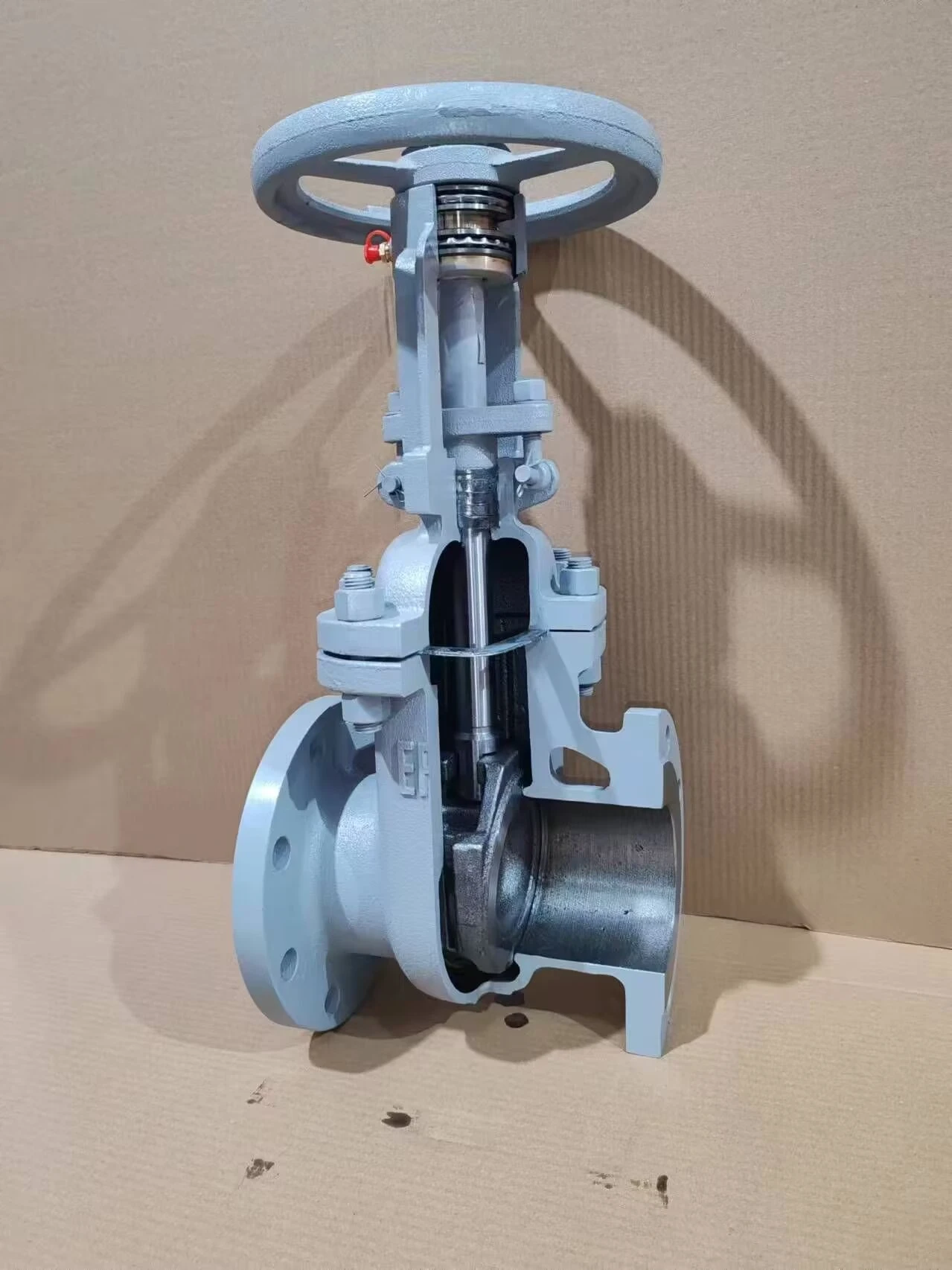
Piloted check valves are integral components in fluid systems, designed to prevent backflow while allowing forward flow. China-piloted check valves, manufactured extensively within China, serve a diverse range of industrial applications, including water treatment, oil and gas, power generation, and chemical processing. These valves operate on the principle of differential pressure, utilizing a pilot valve to modulate the main valve’s opening and closing. The technical position within the industry chain places them downstream of pump and compressor manufacturing, acting as critical protection devices for these assets. Core performance characteristics include minimal pressure drop in the forward direction, tight shut-off to prevent backflow contamination, reliable operation in varied fluid conditions, and adherence to international safety standards. A key pain point in the industry revolves around material selection to ensure corrosion resistance in aggressive environments, and the robustness of the pilot system to prevent premature failure due to fouling or wear. The increasing demand for energy efficiency also drives a need for piloted check valves with low cracking pressures and quick response times.
Material Science & Manufacturing
The primary materials for china-piloted check valves include ductile iron (QT450-10 or equivalent), stainless steel (304, 316, or duplex grades), and specialized alloys like Hastelloy or Monel depending on the fluid handled. Ductile iron offers high tensile strength and good corrosion resistance in many applications, while stainless steels are preferred for corrosive media. The valve body is typically manufactured using sand casting, followed by precision machining to ensure dimensional accuracy and surface finish. The disc, which seals against the valve seat, is often made of reinforced PTFE, EPDM, or other elastomers compatible with the fluid. The pilot valve components, including the spring, poppet, and nozzle, require high-precision machining to maintain consistent operating characteristics. Welding processes, when employed (particularly for stainless steel constructions), must adhere to ASME Section IX or equivalent standards to guarantee weld integrity. Key parameter control during manufacturing includes ensuring proper heat treatment of ductile iron castings to achieve desired mechanical properties, maintaining tight tolerances on machined surfaces for optimal sealing, and implementing rigorous quality control checks for material composition and weld soundness. Chemical compatibility between valve materials and the process fluid is paramount, assessed via ASTM F476 or similar standards. Surface treatments like epoxy coating or galvanization can further enhance corrosion resistance for carbon steel components.
Performance & Engineering
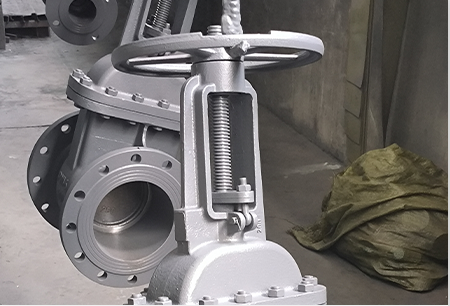
Piloted check valve performance is critically dependent on force analysis during operation. The closing force is derived from the differential pressure across the disc and the spring force of the pilot valve. Engineers must accurately calculate these forces to ensure a tight seal against backflow, considering the valve’s size and pressure rating. Environmental resistance is a significant concern; exposure to extreme temperatures, UV radiation, and corrosive atmospheres can degrade valve materials and reduce performance. Proper material selection and protective coatings are crucial. Compliance requirements vary by region and application. API 598 (Valve Inspection and Testing) provides a baseline for pressure testing and leak rate assessment. For potable water applications, valves must meet NSF/ANSI 61 standards for lead content and material safety. Functional implementation involves careful consideration of the valve’s location within the piping system, ensuring sufficient straight pipe runs upstream and downstream to minimize turbulence and prevent premature wear. The pilot valve’s responsiveness is a key performance metric, affecting the valve’s ability to react to sudden pressure changes. Computational Fluid Dynamics (CFD) modeling is often used to optimize valve design and predict performance under various flow conditions. The valve’s cracking pressure (the minimum differential pressure required to open the valve) must be carefully controlled to avoid unwanted valve chatter or instability.
Technical Specifications
| Parameter | Unit | Standard Specification (Typical) | China Piloted Check Valve Range (Typical) |
|---|---|---|---|
| Maximum Working Pressure | MPa | Up to 25 | 2.5 – 16 |
| Temperature Range | °C | -29 – 121 | -10 – 80 |
| Valve Size (DN) | mm | 50 – 600 | 50 – 400 |
| Connection Type | - | Flanged, Wafer, Threaded | Flanged, Wafer |
| Material (Body) | - | Ductile Iron, Stainless Steel | Ductile Iron (QT450-10), 304/316 SS |
| Material (Disc) | - | PTFE, EPDM, NBR | PTFE, EPDM |
Failure Mode & Maintenance
Common failure modes for china-piloted check valves include disc erosion due to abrasive particles in the fluid, seat damage leading to leakage, pilot valve blockage caused by debris or fouling, spring fatigue resulting in slow response times, and corrosion leading to body or component failure. Fatigue cracking can occur in the valve body under cyclic pressure loads, particularly in areas of stress concentration. Delamination of protective coatings can accelerate corrosion. Oxidation of stainless steel components at high temperatures can reduce corrosion resistance. Failure analysis should involve visual inspection, non-destructive testing (NDT) like ultrasonic testing and dye penetrant inspection, and metallurgical examination of failed components. Preventative maintenance includes regular inspection of valve internals, cleaning of the pilot valve, lubrication of moving parts, and replacement of worn seals and springs. Periodic testing of valve shut-off capability is essential. For valves operating in harsh environments, consider implementing a corrosion monitoring program. Proper installation practices, including adequate pipe support and alignment, can minimize stress on the valve and extend its lifespan. Avoid exceeding the valve’s pressure and temperature ratings. If leakage is detected, isolate the valve, depressurize the system, and disassemble for inspection and repair. Record all maintenance activities for future reference.
Industry FAQ
Q: What is the primary advantage of a piloted check valve over a swing or lift check valve?
A: Piloted check valves offer a lower cracking pressure and faster response time compared to traditional swing or lift check valves. This is because the pilot valve actively assists in opening and closing the main valve, requiring less flow to initiate movement, minimizing water hammer and potential system shock.
Q: How do I select the appropriate material for the valve body given the process fluid?
A: Material selection is crucial. For non-corrosive fluids like clean water, ductile iron is often sufficient. For corrosive fluids like seawater or acidic solutions, stainless steel (316 or duplex) is recommended. For highly aggressive chemicals, specialized alloys like Hastelloy or Monel may be required. Refer to material compatibility charts and consult with a corrosion engineer to ensure proper selection.
Q: What are the common causes of pilot valve failure?
A: Common causes include debris or particulate matter obstructing the pilot valve orifice, spring fatigue leading to incorrect set points, and corrosion or erosion of the pilot valve components. Regular inspection and cleaning of the pilot valve are essential preventative measures.
Q: What testing is typically performed on these valves before shipment?
A: Standard testing includes hydrostatic shell testing (API 598), seat leakage testing (API 598), and visual inspection for defects. Additional testing, such as low-temperature testing or fire safety testing, may be performed based on specific application requirements.
Q: How can I ensure proper valve installation to maximize its lifespan?
A: Ensure the valve is properly supported to avoid stress on the connections. Align the valve with the piping system to prevent strain. Provide sufficient straight pipe runs upstream and downstream of the valve to minimize turbulence. Use appropriate gaskets and bolting materials. Follow the manufacturer’s installation instructions carefully.
Conclusion
China-piloted check valves represent a critical technology in fluid control systems, offering reliable backflow prevention with enhanced performance characteristics. Proper material selection, meticulous manufacturing processes, and adherence to international standards are vital to ensuring their long-term reliability and efficiency. Understanding potential failure modes and implementing a robust preventative maintenance program are key to maximizing valve lifespan and minimizing downtime.
The continued development of piloted check valve technology is driven by the need for improved energy efficiency, reduced maintenance costs, and increased operational safety. Future innovations may include the integration of smart sensors for remote monitoring and diagnostics, the development of new materials with enhanced corrosion resistance, and the implementation of advanced valve actuation systems for improved responsiveness and control.
-
Top Reasons to Choose a Stainless Steel Flange Check Valve for Industrial Applications
-
forging flanges Material Performance
-
Round Flange Performance Analysis
-
Round Flanges Performance Analysis
-
Custom Flange Performance Analysis
-
DN 40 Flange Performance Analysis
-
8 inch flange Performance Analysis
-
angle ring flanges Performance Analysis
-
Flat Flanges Performance Analysis
-
Full Face Flange Performance Analysis
-
Full Face Flanges Performance Analysis
-
flange 8 inch Performance Analysis
-
Ring Flange Performance Analysis
-
3 inch split flange Performance Analysis
-
Tongue and groove flange Performance Analysis
 Afrikaans
 Albanian
 Amharic
 Arabic
 Armenian
 Azerbaijani
 Basque
 Belarusian
 Bengali
 Bosnian
 Bulgarian
 Catalan
 Cebuano
 Corsican
 Croatian
 Czech
Czech
 Danish
 Dutch
Dutch
 Esperanto
 Estonian
 Finnish
 French
 Frisian
 Galician
 Georgian
 German
 Greek
Greek
 Gujarati
 Haitian Creole
 Hausa
Hawaiian
Hausa
Hawaiian
 Hebrew
 Hindi
Hindi
 Miao
Miao
 Hungarian
 Icelandic
 Igbo
Igbo
 Indonesian
 Irish
Irish
 Italian
 Japanese
 Javanese
Kannada
Javanese
Kannada
 Kazakh
 Khmer
Khmer
 Rwandese
 Korean
 Kurdish
 Kyrgyz
 Lao
Lao
 Latin
Latin
 Latvian
 Lithuanian
 Luxembourgish
 Macedonian
 Malgashi
 Malay
Malay
 Malayalam
 Maltese
 Maori
Maori
 Marathi
 Mongolian
 Myanmar
 Nepali
 Norwegian
 Norwegian
 Occitan
 Pashto
 Persian
 Polish
 Portuguese
Punjabi
Portuguese
Punjabi
 Romanian
 Russian
 Samoan
 Scottish Gaelic
 Serbian
 Sesotho
 Shona
Shona
 Sindhi
 Sinhala
 Slovak
 Slovenian
 Somali
 Spanish
 Sundanese
 Swahili
 Swedish
Tagalog
Swedish
Tagalog
 Tajik
Tajik
 Tamil
Tamil
 Tatar
Tatar
 Telugu
 Thai
Thai
 Turkish
 Turkmen
 Ukrainian
 Urdu
Urdu
 Uighur
 Uzbek
Uzbek
 Vietnamese
 Welsh
Welsh
 Bantu
Bantu
 Yiddish
 Yoruba
 Zulu
Zulu
 English