




china pipe welded fittings Manufacturing Analysis
Introduction
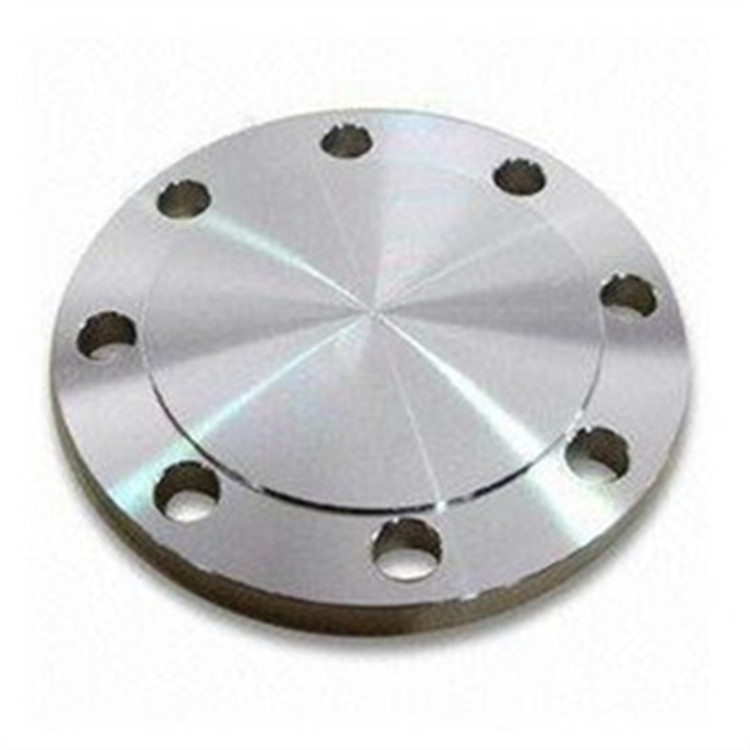
China pipe welded fittings constitute a critical component within fluid transfer systems across diverse industrial sectors, including petrochemical, oil & gas, water treatment, and power generation. These fittings, fabricated by welding individual components – typically pipes, elbows, tees, reducers, and flanges – offer a cost-effective alternative to seamless fittings, particularly for larger diameter applications. Their manufacturing process and resultant mechanical properties are governed by stringent national and international standards. This guide provides an in-depth technical overview of China pipe welded fittings, encompassing material science, manufacturing techniques, performance characteristics, failure modes, and relevant industry standards, addressing core pain points related to corrosion, weld integrity, and regulatory compliance.
Material Science & Manufacturing
The predominant material for China pipe welded fittings is carbon steel, specifically ASTM A53 Grade B and A106 Grade B, due to its balance of strength, weldability, and cost. However, stainless steels (304, 316L) and alloy steels (e.g., P11, P22 for high-temperature applications) are also employed based on the service environment. The raw material, typically in the form of steel plates or strips, undergoes a forming process, which often involves rolling and shaping. Welding is the core manufacturing step, employing techniques like Submerged Arc Welding (SAW), Gas Metal Arc Welding (GMAW), and Gas Tungsten Arc Welding (GTAW). SAW is frequently used for larger diameter, thicker-walled fittings due to its high deposition rate and deep penetration. GMAW provides flexibility for various geometries, and GTAW is favored for critical applications demanding high-quality, precise welds. Key parameters meticulously controlled during welding include pre-heat temperature (to prevent hydrogen embrittlement), welding current/voltage, travel speed, and shielding gas composition. Post-weld heat treatment (PWHT) is often performed to relieve residual stresses and improve ductility. Non-Destructive Testing (NDT) methods such as Radiographic Testing (RT), Ultrasonic Testing (UT), and Liquid Penetrant Examination (LPE) are crucial for verifying weld integrity and detecting defects like porosity, inclusions, and cracking. The chemical composition of the welding consumables must be compatible with the base metal to avoid galvanic corrosion and ensure optimal weld mechanical properties. Material certificates confirming compliance with specified standards are essential for traceability and quality assurance. The metallurgical structure of the weld and heat-affected zone (HAZ) is carefully examined to ensure adequate strength and toughness.
Performance & Engineering
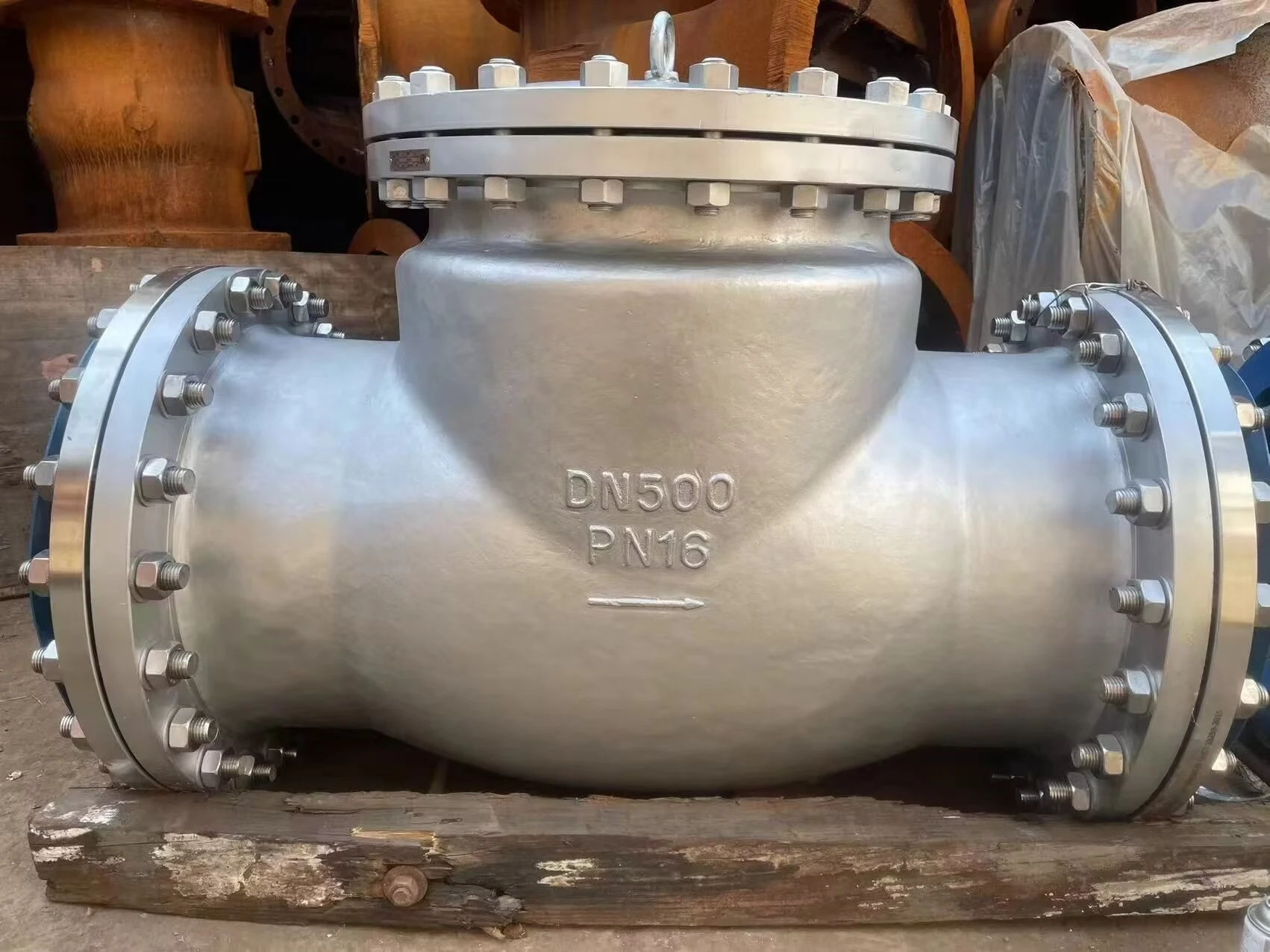
The performance of China pipe welded fittings is heavily reliant on their ability to withstand internal pressure, external loads, and corrosive environments. Pressure ratings are determined through hydrostatic testing per relevant standards (e.g., ASME B16.34, EN 10241). Force analysis, including calculations for hoop stress and longitudinal stress, are critical in designing fittings for specific operating pressures and temperatures. Fatigue analysis is essential for applications involving cyclical loading. Corrosion resistance is a major concern, particularly in aggressive environments. Selection of appropriate materials (e.g., stainless steel, alloy steel) and application of protective coatings (e.g., epoxy, polyurethane) are vital for mitigating corrosion. Galvanic corrosion, arising from dissimilar metal combinations, must be carefully considered. Compliance with industry standards (e.g., ASME, EN, ISO) ensures that fittings meet minimum performance requirements. The design also considers thermal expansion and contraction, which can induce stresses at weld joints. Proper support and anchoring are crucial to prevent excessive stress concentration. Finite Element Analysis (FEA) is frequently employed to simulate stress distribution and optimize fitting geometry. The weld geometry, particularly the root profile and weld toe, influences stress concentration and susceptibility to fatigue cracking. Careful control of weld parameters and post-weld treatment can significantly improve fatigue life.
Technical Specifications
| Parameter | ASTM A53 Grade B Carbon Steel | 304/304L Stainless Steel | A106 Grade B Carbon Steel | 316/316L Stainless Steel |
|---|---|---|---|---|
| Tensile Strength (MPa) | 400-550 | 517-724 | 400-550 | 550-790 |
| Yield Strength (MPa) | 250-345 | 205-276 | 250-345 | 240-310 |
| Elongation (%) | 22-25 | 30-40 | 22-25 | 35-50 |
| Hardness (Brinell) | 150-200 | 80-100 | 150-200 | 85-110 |
| Corrosion Rate (mm/year in NaCl) | 0.05-0.2 | <0.01 | 0.05-0.2 | <0.01 |
| Maximum Operating Temperature (°C) | 200 | 870 | 200 | 925 |
Failure Mode & Maintenance
Common failure modes for China pipe welded fittings include corrosion (uniform, pitting, galvanic), fatigue cracking (especially at weld toes and root passes), stress corrosion cracking (SCC) in chloride-containing environments, and erosion-corrosion. Weld defects such as porosity, inclusions, and lack of fusion significantly reduce fatigue life and corrosion resistance. Hydrogen embrittlement, caused by atomic hydrogen diffusion into the metal during welding, can lead to cracking. Maintenance practices should include regular visual inspections for signs of corrosion, cracking, or deformation. Non-destructive testing (UT, RT, LPE) should be performed periodically, especially in critical applications. Protective coatings should be inspected and repaired as needed. Proper grounding is essential to prevent galvanic corrosion. For high-temperature applications, creep rupture can occur over time, necessitating regular monitoring and replacement based on service hours and operating conditions. Preventive maintenance programs should include monitoring of operating pressures and temperatures, and adherence to recommended inspection intervals. In the event of a leak or crack, the fitting should be immediately replaced. Proper installation procedures, including correct alignment and support, are crucial for preventing premature failure. Detailed records of inspections and maintenance activities should be maintained for traceability and risk management.
Industry FAQ
Q: What are the key differences between ASME B16.9 and EN 10241 standards for carbon steel welded fittings?
A: ASME B16.9 focuses on dimensional requirements and pressure-temperature ratings for carbon and alloy steel fittings, primarily used in the US market. EN 10241 specifies the manufacturing process, material properties, and inspection criteria for steel fittings in Europe. Key differences lie in dimensional tolerances, allowable weld imperfections, and the preferred inspection methods. EN 10241 tends to be more prescriptive regarding welding procedures and post-weld heat treatment.
Q: How does the welding process impact the corrosion resistance of a welded fitting?
A: The welding process can significantly affect corrosion resistance. Improper welding can introduce residual stresses, create microstructural inhomogeneities, and form metallurgical phases susceptible to corrosion. Dilution of the base metal with lower-alloy welding consumables can reduce corrosion resistance. Maintaining proper shielding gas coverage and controlling heat input are critical to minimize oxidation and promote a sound weld deposit. Post-weld heat treatment can also influence corrosion behavior.
Q: What is the significance of PWHT (Post-Weld Heat Treatment) for welded fittings?
A: PWHT is crucial for reducing residual stresses induced by the welding process, improving ductility, and enhancing resistance to stress corrosion cracking. It also refines the grain structure and homogenizes the weld metal and heat-affected zone. PWHT is particularly important for high-strength steels and fittings intended for high-temperature or corrosive service.
Q: What Non-Destructive Testing (NDT) methods are commonly used for quality control of welded fittings?
A: Radiographic Testing (RT) is used to detect internal defects like porosity and inclusions. Ultrasonic Testing (UT) identifies subsurface flaws and measures wall thickness. Liquid Penetrant Examination (LPE) detects surface cracks and discontinuities. Magnetic Particle Inspection (MPI) is used for detecting surface and near-surface defects in ferromagnetic materials. Visual Inspection (VT) is the first line of defense, identifying obvious defects. The selection of NDT methods depends on the criticality of the application and the specific requirements of the governing standards.
Q: What are the implications of using fittings with different material certifications?
A: Material certifications (e.g., EN 10204 3.1) verify that the materials used in the fittings meet specified chemical composition and mechanical property requirements. Using fittings without valid certifications poses a significant risk, as the material quality and traceability are uncertain. This can lead to premature failure, compromising safety and operational reliability. Always ensure that fittings are supplied with appropriate material certifications that comply with relevant industry standards.
Conclusion
China pipe welded fittings represent a vital, yet often overlooked, component within broader industrial infrastructure. Their cost-effectiveness, coupled with the ability to fabricate large-diameter connections, drives their widespread adoption. However, achieving long-term reliability demands a thorough understanding of the underlying material science, meticulous control of the manufacturing process – especially welding – and rigorous adherence to relevant quality control and inspection procedures. Failure to address these aspects can lead to costly downtime, safety hazards, and environmental damage.
Looking forward, advancements in welding technology, such as automated welding systems and improved welding consumables, will further enhance the quality and reliability of these fittings. Increased emphasis on non-destructive testing techniques and predictive maintenance programs will play a critical role in minimizing the risk of failure. Continuous improvement in material selection and corrosion protection strategies will be essential for addressing the challenges posed by increasingly demanding operating environments.
-
Top Reasons to Choose a Stainless Steel Flange Check Valve for Industrial Applications
-
forging flanges Material Performance
-
Round Flange Performance Analysis
-
Round Flanges Performance Analysis
-
Custom Flange Performance Analysis
-
DN 40 Flange Performance Analysis
-
8 inch flange Performance Analysis
-
angle ring flanges Performance Analysis
-
Flat Flanges Performance Analysis
-
Full Face Flange Performance Analysis
-
Full Face Flanges Performance Analysis
-
flange 8 inch Performance Analysis
-
Ring Flange Performance Analysis
-
3 inch split flange Performance Analysis
-
Tongue and groove flange Performance Analysis
 Afrikaans
 Albanian
 Amharic
 Arabic
 Armenian
 Azerbaijani
 Basque
 Belarusian
 Bengali
 Bosnian
 Bulgarian
 Catalan
 Cebuano
 Corsican
 Croatian
 Czech
Czech
 Danish
 Dutch
Dutch
 Esperanto
 Estonian
 Finnish
 French
 Frisian
 Galician
 Georgian
 German
 Greek
Greek
 Gujarati
 Haitian Creole
 Hausa
Hawaiian
Hausa
Hawaiian
 Hebrew
 Hindi
Hindi
 Miao
Miao
 Hungarian
 Icelandic
 Igbo
Igbo
 Indonesian
 Irish
Irish
 Italian
 Japanese
 Javanese
Kannada
Javanese
Kannada
 Kazakh
 Khmer
Khmer
 Rwandese
 Korean
 Kurdish
 Kyrgyz
 Lao
Lao
 Latin
Latin
 Latvian
 Lithuanian
 Luxembourgish
 Macedonian
 Malgashi
 Malay
Malay
 Malayalam
 Maltese
 Maori
Maori
 Marathi
 Mongolian
 Myanmar
 Nepali
 Norwegian
 Norwegian
 Occitan
 Pashto
 Persian
 Polish
 Portuguese
Punjabi
Portuguese
Punjabi
 Romanian
 Russian
 Samoan
 Scottish Gaelic
 Serbian
 Sesotho
 Shona
Shona
 Sindhi
 Sinhala
 Slovak
 Slovenian
 Somali
 Spanish
 Sundanese
 Swahili
 Swedish
Tagalog
Swedish
Tagalog
 Tajik
Tajik
 Tamil
Tamil
 Tatar
Tatar
 Telugu
 Thai
Thai
 Turkish
 Turkmen
 Ukrainian
 Urdu
Urdu
 Uighur
 Uzbek
Uzbek
 Vietnamese
 Welsh
Welsh
 Bantu
Bantu
 Yiddish
 Yoruba
 Zulu
Zulu
 English