




flange needle valve Performance Analysis
Introduction
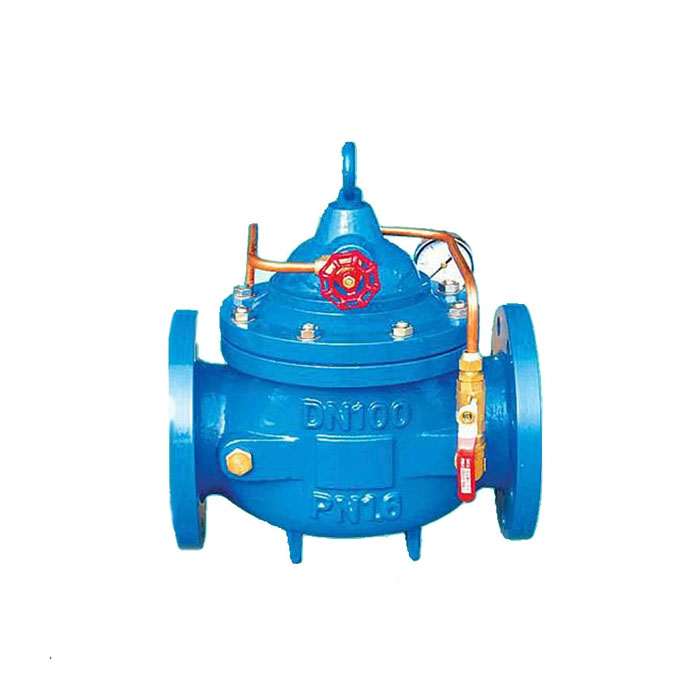
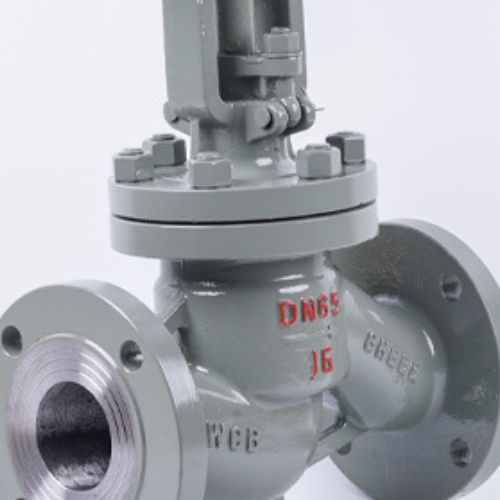
Flange needle valves are precision flow control devices integral to numerous industrial processes. Positioned within the broader valve technology landscape – encompassing ball, gate, globe, and butterfly valves – needle valves distinguish themselves through their capacity for fine flow regulation. Unlike valves designed for on/off service, needle valves utilize a tapered needle and seat to provide proportional control, making them suitable for applications requiring precise metering of fluids or gases. Their flanged connection ensures a robust and leak-tight seal when integrated into piping systems, particularly those handling high pressures or corrosive media. This guide provides a detailed technical overview of flange needle valves, covering materials, manufacturing, performance characteristics, failure modes, and relevant industry standards, addressing the key concerns of B2B procurement managers and engineering professionals.
Material Science & Manufacturing
The core body of a flange needle valve is typically constructed from materials chosen for their chemical compatibility, pressure-bearing capacity, and temperature resistance. Common materials include 304/316 stainless steel (for general corrosive resistance), carbon steel (for cost-effectiveness in non-corrosive applications, often with protective coatings), and alloy steels (for high-temperature or high-pressure environments). The needle and seat, the critical components dictating flow control, frequently utilize hardened alloys like 410 stainless steel or Stellite, which offer exceptional wear resistance. Seals are commonly comprised of PTFE (Teflon), Viton, or EPDM, selected based on the fluid being handled and the operating temperature range.
Manufacturing processes begin with the forging or casting of the valve body. Precision machining then shapes the internal flow path, including the tapered seat. Critical dimensions, such as the seat angle and needle diameter, are tightly controlled to ensure accurate flow characteristics. The needle itself is manufactured through a grinding and polishing process to achieve a smooth, leak-free surface finish. Flange faces are machined to conform to ANSI or DIN standards (more detail in the Standards section). Assembly involves careful alignment of the needle and seat, followed by rigorous testing. Welding is employed in the construction of flanged connections, utilizing techniques like GTAW (Gas Tungsten Arc Welding) or SMAW (Shielded Metal Arc Welding), requiring qualified welders and adherence to ASME Boiler and Pressure Vessel Code Section IX for quality assurance. Non-Destructive Testing (NDT) such as radiographic inspection and liquid penetrant testing are routinely implemented to detect flaws in welds.
Performance & Engineering
The performance of a flange needle valve is heavily influenced by its flow coefficient (Cv), which represents the volumetric flow rate of a fluid at a given pressure drop. Cv values are determined through hydraulic testing and are critical for sizing the valve appropriately for a specific application. Force analysis focuses on the stem packing and the forces required to operate the handwheel, factoring in fluid pressure and stem friction. Environmental resistance is paramount, particularly regarding corrosion. Material selection must account for the chemical composition of the fluid and the operating temperature. For example, in seawater applications, duplex stainless steels or specialized alloys are preferred.
Compliance requirements vary depending on the industry and application. In the pharmaceutical industry, valves must meet 3-A Sanitary Standards to ensure hygienic operation. In oil and gas applications, compliance with API 6D (Performance of Valves) is essential. Pressure testing, according to ASME B16.34, verifies the valve’s ability to withstand specified pressure levels without leakage. Furthermore, considering the fluid's viscosity and density is critical, as these parameters influence flow rate and pressure drop. Valve design incorporates considerations for cavitation and erosion, especially in high-velocity flow applications. The linear characteristic of needle valve flow, unlike the rotational characteristic of ball valves, allows for precise throttling. The valve body's pressure-temperature ratings, defined by ASME B16.34, must align with the process conditions.
Technical Specifications
| Parameter | Unit | Typical Value (316 SS, Standard Bore) | Acceptance Tolerance |
|---|---|---|---|
| Maximum Operating Pressure | PSI | 6000 | ±5% |
| Temperature Range | °F | -60 to 450 | ±10 °F |
| Cv Value (Water @ 100°F) | Gallons per Minute per PSI | 0.2 - 1.5 (depending on size) | ±10% |
| Connection Type | ANSI/ASME B16.5 Class 150/300/600 RF | Compliant with Standard | |
| Body Material | 316 Stainless Steel | As specified by customer | |
| Seat Material | PTFE | Alternative materials available |
Failure Mode & Maintenance
Common failure modes in flange needle valves include seat erosion (due to high-velocity flow or abrasive particles), stem packing leakage (resulting from wear or improper installation), and body corrosion (dependent on fluid compatibility and environmental factors). Fatigue cracking can occur in the stem or body under cyclical loading, particularly at elevated temperatures. Delamination of PTFE seats can happen with exposure to certain chemicals or extreme temperatures. Oxidation of stainless steel components is possible in high-temperature, oxygen-rich environments. Failure analysis often reveals root causes related to improper material selection, inadequate maintenance, or exceeding the valve’s operational limits.
Preventative maintenance involves regular inspection of the stem packing for leakage, periodic lubrication of the stem threads, and visual checks for corrosion or damage. Replacing the seat and stem packing proactively is recommended at scheduled intervals, based on the application severity. If leakage persists, disassemble the valve, inspect the seat and needle for wear or damage, and replace as necessary. For corroded valves, consider replacing the entire unit. Proper storage is essential; valves should be stored in a clean, dry environment to prevent corrosion. Avoid using excessive force when operating the handwheel, as this can damage the stem threads or seat. Hydrostatic testing should be performed periodically to verify the valve’s integrity. Record keeping of maintenance activities and failure events is vital for trend analysis and continuous improvement.
Industry FAQ
Q: What is the impact of fluid viscosity on the Cv value of a needle valve?
A: Fluid viscosity significantly impacts the Cv value. Higher viscosity fluids result in lower Cv values because they experience greater frictional resistance during flow. Therefore, when specifying a needle valve, the fluid viscosity at the operating temperature must be considered to ensure adequate flow capacity. Correction factors are often applied to published Cv values to account for viscosity variations.
Q: What materials are best suited for handling highly corrosive fluids like sulfuric acid?
A: For highly corrosive fluids like sulfuric acid, materials such as Alloy 20, Hastelloy C-276, or PTFE-lined carbon steel are recommended. These materials exhibit exceptional resistance to acid attack. The specific alloy selection should be based on the acid concentration, temperature, and flow rate.
Q: How do I determine the appropriate stem packing material for a high-temperature application?
A: For high-temperature applications, graphite-based packing materials or PTFE packing with a high-temperature filler are typically employed. The packing material must maintain its sealing properties at elevated temperatures without degrading or losing elasticity. The maximum operating temperature of the packing material should exceed the process temperature.
Q: What are the advantages of a flanged connection over a threaded connection for high-pressure applications?
A: Flanged connections provide superior strength and sealing capabilities compared to threaded connections in high-pressure applications. The larger surface area of the flange allows for a more secure and leak-tight seal. Flanged connections are also easier to disassemble and reassemble for maintenance.
Q: How often should I perform hydrostatic testing on flange needle valves in a critical process?
A: The frequency of hydrostatic testing depends on the criticality of the process and the valve’s operating conditions. As a general guideline, valves in critical applications should be hydrostatically tested annually, or after any significant maintenance or repair. Refer to relevant industry standards (e.g., ASME B16.34) for specific testing requirements.
Conclusion
Flange needle valves are essential components in precise fluid control systems, demanding careful consideration of material selection, manufacturing processes, and operational parameters. Their ability to provide accurate throttling makes them invaluable in a range of industries, from chemical processing to pharmaceutical manufacturing. Understanding the potential failure modes and implementing proactive maintenance procedures are crucial for ensuring long-term reliability and minimizing downtime.
The increasing demand for process optimization and stringent safety regulations will continue to drive innovation in flange needle valve technology. Future developments may focus on advanced materials with enhanced corrosion resistance, intelligent valve designs incorporating sensors for real-time performance monitoring, and optimized flow paths to minimize pressure drop. Selecting the correct valve for the application necessitates a thorough understanding of these technical aspects, ensuring optimal performance, safety, and longevity.
-
Top Reasons to Choose a Stainless Steel Flange Check Valve for Industrial Applications
-
forging flanges Material Performance
-
Round Flange Performance Analysis
-
Round Flanges Performance Analysis
-
Custom Flange Performance Analysis
-
DN 40 Flange Performance Analysis
-
8 inch flange Performance Analysis
-
angle ring flanges Performance Analysis
-
Flat Flanges Performance Analysis
-
Full Face Flange Performance Analysis
-
Full Face Flanges Performance Analysis
-
flange 8 inch Performance Analysis
-
Ring Flange Performance Analysis
-
3 inch split flange Performance Analysis
-
Tongue and groove flange Performance Analysis
 Afrikaans
 Albanian
 Amharic
 Arabic
 Armenian
 Azerbaijani
 Basque
 Belarusian
 Bengali
 Bosnian
 Bulgarian
 Catalan
 Cebuano
 Corsican
 Croatian
 Czech
Czech
 Danish
 Dutch
Dutch
 Esperanto
 Estonian
 Finnish
 French
 Frisian
 Galician
 Georgian
 German
 Greek
Greek
 Gujarati
 Haitian Creole
 Hausa
Hawaiian
Hausa
Hawaiian
 Hebrew
 Hindi
Hindi
 Miao
Miao
 Hungarian
 Icelandic
 Igbo
Igbo
 Indonesian
 Irish
Irish
 Italian
 Japanese
 Javanese
Kannada
Javanese
Kannada
 Kazakh
 Khmer
Khmer
 Rwandese
 Korean
 Kurdish
 Kyrgyz
 Lao
Lao
 Latin
Latin
 Latvian
 Lithuanian
 Luxembourgish
 Macedonian
 Malgashi
 Malay
Malay
 Malayalam
 Maltese
 Maori
Maori
 Marathi
 Mongolian
 Myanmar
 Nepali
 Norwegian
 Norwegian
 Occitan
 Pashto
 Persian
 Polish
 Portuguese
Punjabi
Portuguese
Punjabi
 Romanian
 Russian
 Samoan
 Scottish Gaelic
 Serbian
 Sesotho
 Shona
Shona
 Sindhi
 Sinhala
 Slovak
 Slovenian
 Somali
 Spanish
 Sundanese
 Swahili
 Swedish
Tagalog
Swedish
Tagalog
 Tajik
Tajik
 Tamil
Tamil
 Tatar
Tatar
 Telugu
 Thai
Thai
 Turkish
 Turkmen
 Ukrainian
 Urdu
Urdu
 Uighur
 Uzbek
Uzbek
 Vietnamese
 Welsh
Welsh
 Bantu
Bantu
 Yiddish
 Yoruba
 Zulu
Zulu
 English