




Pneutrol Needle Valve Performance Analysis
Introduction
Pneutrol needle valves are precision flow control components integral to pneumatic and fluid power systems across diverse industries, including automation, robotics, and process control. Positioned as a critical element downstream of pressure regulators and filters, these valves facilitate precise adjustments to airflow or fluid flow rates. Unlike traditional ball valves offering on/off functionality, the tapered needle and seat design of a pneutrol valve enables a wider, more granular range of flow modulation. Core performance characteristics include minimal internal leakage, high repeatability, and resistance to media compatibility concerns. Their compact design and adaptable port configurations enhance integration into complex machinery. The demand for increasingly accurate and reliable control systems drives continued refinement in pneutrol needle valve technology, with a focus on minimizing hysteresis and maximizing operational lifespan.
Material Science & Manufacturing
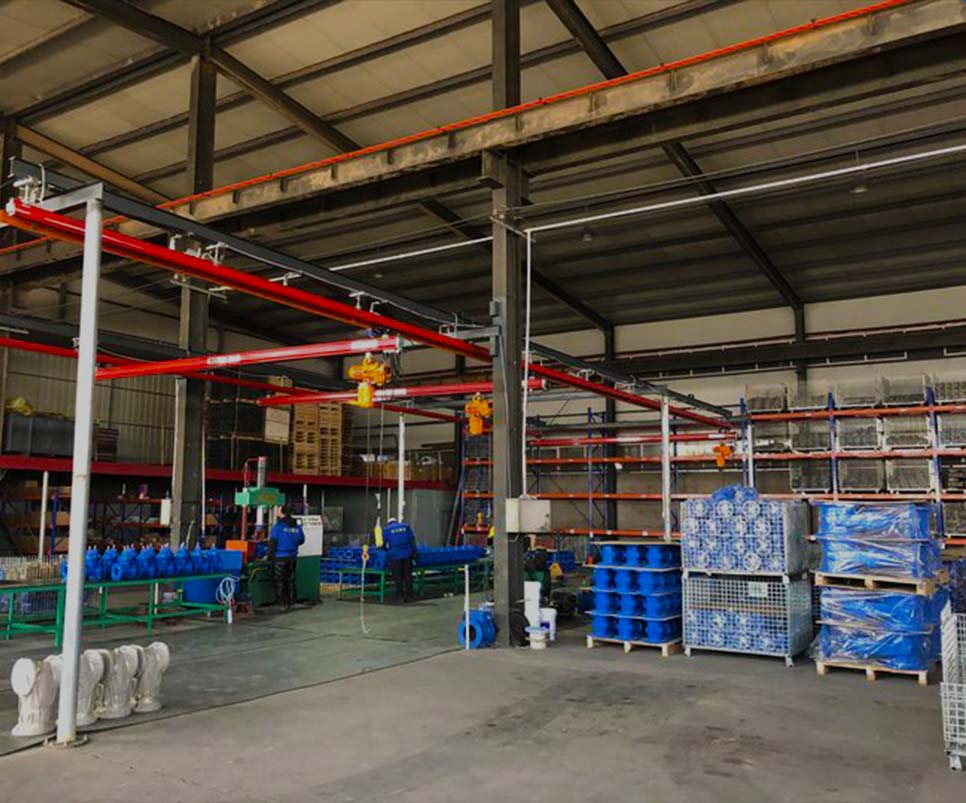
The primary material for pneutrol needle valve bodies is typically 316 stainless steel, selected for its excellent corrosion resistance against a broad spectrum of industrial fluids and gases. Alternative materials, like brass or aluminum, are utilized in applications with less aggressive media. The needle and seat are commonly manufactured from hardened stainless steel or specialized polymers like PTFE (Polytetrafluoroethylene), chosen for their low friction coefficient and sealing capabilities. Manufacturing commences with precision machining of the valve body, utilizing CNC milling and turning processes to achieve tight dimensional tolerances. The needle is ground and lapped to a highly polished surface finish to ensure a leak-tight seal against the seat. Critical parameters during manufacturing include surface roughness (Ra) of the needle and seat contact surfaces – typically maintained below 1.6 μm – and the concentricity of the needle within the bore. Assembly is performed in a cleanroom environment to prevent contamination, and all valves undergo rigorous leak testing using nitrogen or helium to verify sealing performance. The choice of elastomeric seals (e.g., Viton, EPDM) is dictated by fluid compatibility, with careful consideration of temperature ranges and chemical exposure. Post-manufacturing, passivation treatments are often applied to stainless steel components to further enhance corrosion resistance.
Performance & Engineering
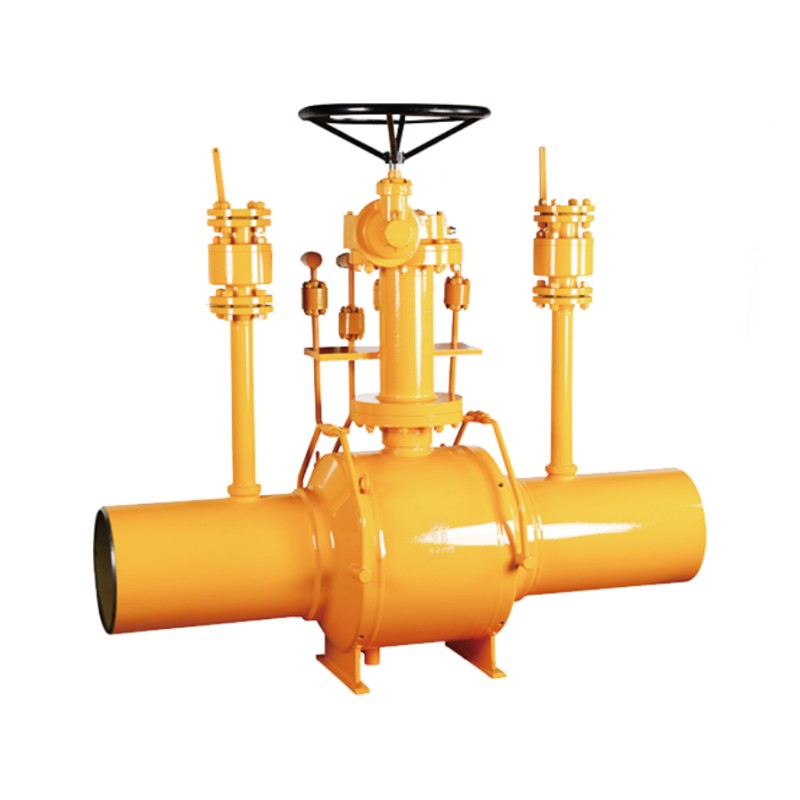
Pneutrol needle valve performance is fundamentally governed by fluid dynamics and the relationship between flow rate, pressure drop, and needle position. The flow coefficient (Cv) – a key performance metric – quantifies the valve’s capacity to pass a specific fluid at a given pressure drop. Engineering analysis involves calculating the pressure drop across the valve using Bernoulli’s equation and accounting for frictional losses within the flow path. Force analysis is crucial in determining the required actuator torque to position the needle accurately, especially under varying pressure conditions. Environmental resistance is addressed through material selection and seal design, ensuring the valve withstands temperature fluctuations, humidity, and exposure to corrosive substances. Compliance with industry standards, such as ISO 4413 (Hydraulic fluid power – General rules relating to systems), is paramount. Functional implementation requires precise alignment of the valve within the system, minimizing bending moments on the valve body. Hysteresis – the difference between the flow rate for increasing and decreasing needle positions – is a critical performance parameter, ideally minimized through optimized needle geometry and low-friction materials. Leakage rates are typically specified in units of SCCM (Standard Cubic Centimeters per Minute) and must meet stringent requirements for critical applications.
Technical Specifications
| Parameter | Unit | Typical Value | Tolerance |
|---|---|---|---|
| Maximum Operating Pressure | bar | 10 | ±0.5 |
| Operating Temperature Range | °C | -20 to +80 | ±5 |
| Cv (Water) | m³/h | 0.25 | ±0.05 |
| Leakage Rate (Air) | SCCM | 1 | Max |
| Orifice Diameter | mm | 1.5 | ±0.02 |
| Connection Type | - | 1/8" NPT | - |
Failure Mode & Maintenance
Common failure modes for pneutrol needle valves include seat erosion due to abrasive particles in the fluid stream, needle scoring resulting from improper lubrication or contamination, and seal degradation caused by chemical incompatibility or temperature extremes. Fatigue cracking can occur in the valve body under cyclical pressure loading, particularly in applications involving frequent actuation. Oxidation and corrosion can affect stainless steel components in harsh environments. Failure analysis often reveals the root cause through microscopic examination of fractured surfaces and chemical analysis of contaminants. Preventative maintenance involves regular inspection of seals for wear or damage, periodic cleaning to remove accumulated debris, and lubrication of the needle threads with a compatible grease. If leakage is detected, the valve should be disassembled, and the seat and needle inspected for damage. Replacement of worn components is essential to restore optimal performance. Avoid over-tightening the needle, as this can distort the seat and create a leak path. Regular monitoring of system pressure and flow rate can help identify potential issues before they escalate into major failures. Proper filtration of the fluid or gas is crucial to minimize abrasive wear.
Industry FAQ
Q: What is the impact of fluid viscosity on the performance of a pneutrol needle valve?
A: Increased fluid viscosity directly increases the pressure drop across the valve for a given flow rate. This is due to the higher frictional losses within the fluid. The Cv value is typically specified for water; adjustments must be made when using fluids with significantly different viscosities. Higher viscosity fluids may also require increased actuator torque to overcome the increased resistance.
Q: How do I select the appropriate material for the valve seat to ensure compatibility with a specific chemical?
A: Material selection hinges on the chemical’s reactivity with various materials. PTFE is generally compatible with a wide range of chemicals, but has temperature limitations. Other polymers, such as PEEK, offer higher temperature resistance but may be susceptible to specific solvents. Stainless steel is generally resistant to corrosion, but can be affected by strong acids or chlorides. Consult a chemical compatibility chart or seek expert advice for critical applications.
Q: What is the typical lifespan of a pneutrol needle valve in a clean, filtered air application?
A: In a well-maintained system with clean, filtered air, a pneutrol needle valve can typically operate for millions of cycles (5-10 million or more). Lifespan is significantly affected by the frequency of actuation, the operating pressure, and the cleanliness of the air supply. Regular inspection and preventative maintenance are essential to maximize service life.
Q: How does temperature affect the leakage rate of a pneutrol needle valve?
A: Elevated temperatures can cause thermal expansion of the valve body and needle, potentially increasing the gap between the seat and needle and increasing leakage. Conversely, lower temperatures can cause contraction, improving the seal. Seal materials also exhibit temperature-dependent properties; their elasticity and sealing force can change with temperature.
Q: What are the key considerations when specifying a pneutrol needle valve for a high-precision flow control application?
A: For high-precision applications, prioritize valves with low hysteresis, high repeatability, and minimal internal leakage. Consider the resolution of the valve (the smallest increment of flow change achievable) and the linearity of the flow response. Select a valve with a stable Cv value over the operating temperature range and ensure that the actuator provides sufficient resolution and accuracy.
Conclusion
Pneutrol needle valves represent a critical technology for precise fluid and gas flow control in a multitude of industrial applications. Their performance is intrinsically linked to material science, meticulous manufacturing processes, and adherence to stringent engineering principles. Understanding the nuances of flow dynamics, failure modes, and material compatibility is paramount for optimal selection, installation, and maintenance.
Continued advancements in materials, seal technology, and actuator control will further enhance the capabilities of pneutrol needle valves, enabling even more precise and reliable flow regulation in demanding industrial environments. The focus will likely shift towards miniaturization, improved energy efficiency, and integration with intelligent control systems for closed-loop flow regulation.
-
Top Reasons to Choose a Stainless Steel Flange Check Valve for Industrial Applications
-
1 4 in check valve Performance Engineering
-
check valve 3 4 Performance Analysis
-
11 2 check valve Performance Analysis
-
spring check valve Material Science Manufacturing
-
DN100 Flange Performance Analysis
-
DN50 Flange Performance Analysis
-
double flanged butterfly valve Performance Analysis
-
forged flanges Performance Analysis
-
4 blind flange Performance Engineering
-
3 flanged ball valve Performance Analysis
-
2 threaded flange Performance Analysis
-
4 ball valve flanged Performance Analysis
-
90 degree flange elbow Performance Analysis
-
Custom Flanges Performance Analysis
 Afrikaans
 Albanian
 Amharic
 Arabic
 Armenian
 Azerbaijani
 Basque
 Belarusian
 Bengali
 Bosnian
 Bulgarian
 Catalan
 Cebuano
 Corsican
 Croatian
 Czech
Czech
 Danish
 Dutch
Dutch
 Esperanto
 Estonian
 Finnish
 French
 Frisian
 Galician
 Georgian
 German
 Greek
Greek
 Gujarati
 Haitian Creole
 Hausa
Hawaiian
Hausa
Hawaiian
 Hebrew
 Hindi
Hindi
 Miao
Miao
 Hungarian
 Icelandic
 Igbo
Igbo
 Indonesian
 Irish
Irish
 Italian
 Japanese
 Javanese
Kannada
Javanese
Kannada
 Kazakh
 Khmer
Khmer
 Rwandese
 Korean
 Kurdish
 Kyrgyz
 Lao
Lao
 Latin
Latin
 Latvian
 Lithuanian
 Luxembourgish
 Macedonian
 Malgashi
 Malay
Malay
 Malayalam
 Maltese
 Maori
Maori
 Marathi
 Mongolian
 Myanmar
 Nepali
 Norwegian
 Norwegian
 Occitan
 Pashto
 Persian
 Polish
 Portuguese
Punjabi
Portuguese
Punjabi
 Romanian
 Russian
 Samoan
 Scottish Gaelic
 Serbian
 Sesotho
 Shona
Shona
 Sindhi
 Sinhala
 Slovak
 Slovenian
 Somali
 Spanish
 Sundanese
 Swahili
 Swedish
Tagalog
Swedish
Tagalog
 Tajik
Tajik
 Tamil
Tamil
 Tatar
Tatar
 Telugu
 Thai
Thai
 Turkish
 Turkmen
 Ukrainian
 Urdu
Urdu
 Uighur
 Uzbek
Uzbek
 Vietnamese
 Welsh
Welsh
 Bantu
Bantu
 Yiddish
 Yoruba
 Zulu
Zulu
 English