




Check Valve Material Science and Performance Analysis
Introduction
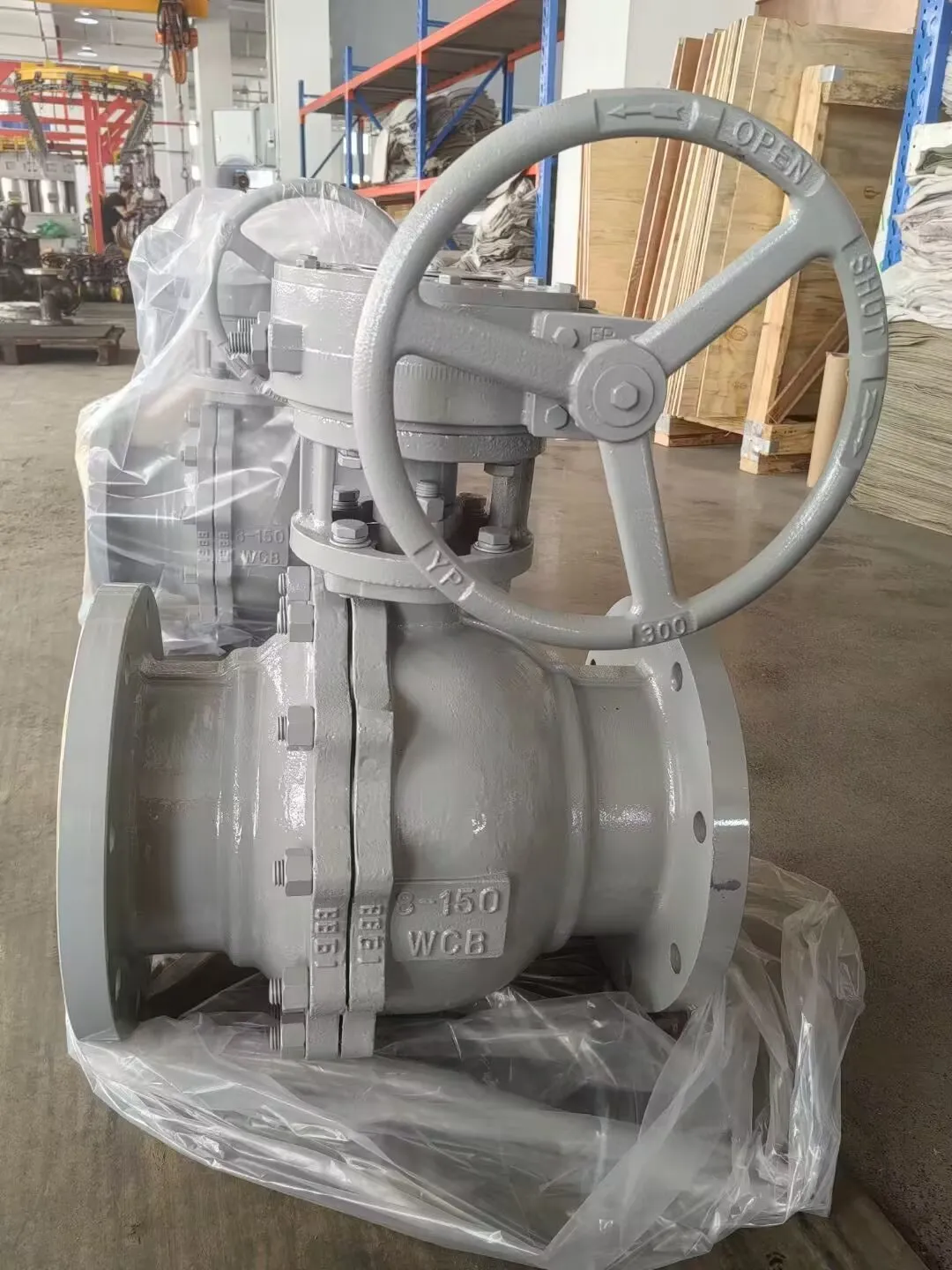
Check valves are essential components in fluid handling systems, designed to prevent backflow and maintain unidirectional flow. Positioned within pipeline networks across diverse industries – including water treatment, oil and gas, chemical processing, power generation, and HVAC – their primary function is to automatically allow fluid to flow in only one direction. Unlike manually operated valves, check valves operate passively, responding to pressure differentials. This article provides a comprehensive technical overview of check valves, encompassing material science, manufacturing processes, performance characteristics, failure modes, and relevant industry standards. Understanding these aspects is critical for ensuring system reliability, preventing costly downtime, and maintaining operational safety. The prevalence of check valve failures related to corrosion, erosion, and material incompatibility underscores the need for thorough engineering analysis during selection and installation.
Material Science & Manufacturing
Check valve bodies are commonly fabricated from a range of materials, each selected based on fluid compatibility, pressure requirements, and temperature conditions. Carbon steel (ASTM A53 Grade B) is frequently used for general water and oil applications due to its cost-effectiveness and strength. However, its susceptibility to corrosion necessitates protective coatings or alternative materials in corrosive environments. Stainless steel (304, 316, and duplex grades conforming to ASTM A276) offers superior corrosion resistance, making it suitable for handling aggressive chemicals, seawater, and high-purity fluids. For highly corrosive applications, specialized alloys like Hastelloy and Monel are employed, despite their higher cost. Polymer-based check valves, utilizing materials such as PVC (ASTM D1785), CPVC (ASTM D1784), and PTFE, are favored for low-pressure, chemically resistant applications. The internal components – discs, poppets, or balls – are often manufactured from materials differing from the body, providing optimized wear resistance and sealing performance.
Manufacturing processes vary depending on the valve size, material, and complexity. Small valves are often produced through investment casting or sand casting, followed by machining to achieve precise dimensions. Larger valves commonly utilize welding techniques (SMAW, GTAW, SAW according to AWS D1.1) to join forged or rolled steel plates. Polymer valves are typically manufactured via injection molding (ASTM D4101), ensuring consistent shape and dimensional accuracy. Critical parameters during manufacturing include weld quality (radiographic inspection per ASME Section V), material heat treatment (annealing, normalizing), and surface finish (Ra values specified per ISO 2768). Post-manufacturing, stringent quality control measures, including hydrostatic testing (API 598), are essential to verify leak tightness and structural integrity.
Performance & Engineering
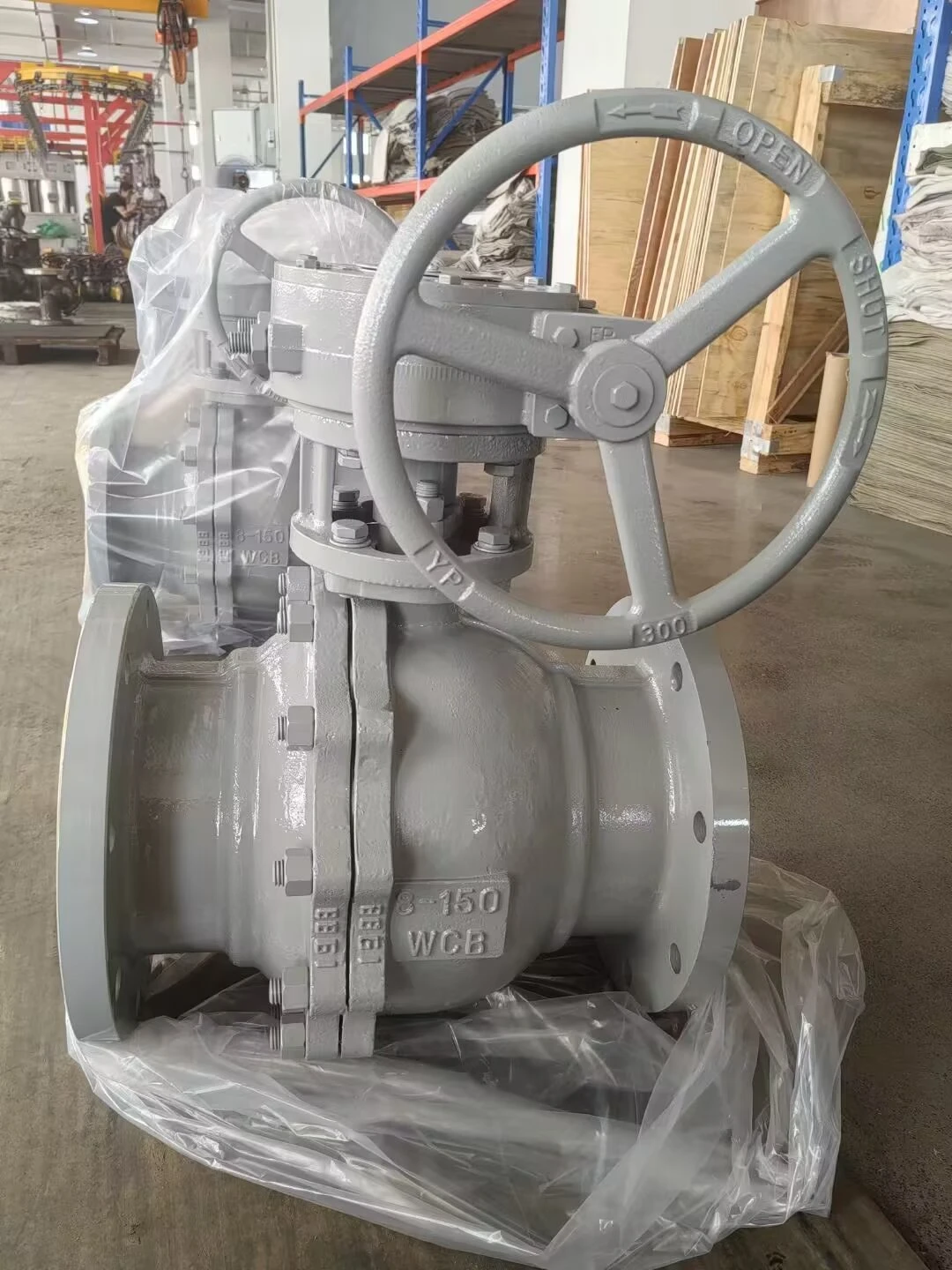
The performance of a check valve is fundamentally defined by its flow coefficient (Cv) and pressure drop characteristics. Cv represents the volumetric flow rate of water at a specific pressure drop. Lower pressure drops are desirable to minimize energy consumption and prevent cavitation. Flow analysis using Computational Fluid Dynamics (CFD) is frequently employed to optimize valve geometry and minimize turbulence. The cracking pressure, which is the minimum upstream pressure required to open the valve, is a critical parameter. Excessively low cracking pressures can lead to valve chatter and premature wear, while excessively high pressures can hinder flow.
Engineering considerations include the valve’s ability to withstand pressure surges (water hammer) and cyclical loading. Finite Element Analysis (FEA) is used to assess stress distribution within the valve body and components under various loading conditions. Compliance with industry standards, such as API 6D for quarter-turn valves and MSS SP-131 for polymeric valves, is paramount. Environmental resistance, particularly to temperature extremes and UV exposure for external installations, must be considered. Valve selection must account for the fluid’s viscosity, density, and the presence of solids, as these factors influence valve performance and longevity. Furthermore, proper valve sizing is crucial to avoid flow restrictions and ensure efficient system operation.
Technical Specifications
| Parameter | Swing Check Valve (Carbon Steel) | Lift Check Valve (Stainless Steel 316) | Ball Check Valve (PVC) | Flange Standard |
|---|---|---|---|---|
| Maximum Pressure (PSI) | 200 | 600 | 150 | ANSI B16.5 |
| Temperature Range (°F) | -20 to 450 | -40 to 600 | -40 to 140 | N/A |
| Cv (Flow Coefficient) | 1.2 | 0.8 | 0.5 | N/A |
| Connection Type | Screwed, Flanged | Flanged, Welded | Socket Welded, Threaded | N/A |
| Material (Body) | Carbon Steel (A53 Grade B) | Stainless Steel 316 (A276) | PVC (D1785) | N/A |
| Material (Disc/Ball) | Ductile Iron | Stainless Steel 316 | PVC | N/A |
Failure Mode & Maintenance
Common failure modes in check valves include corrosion, erosion, seat leakage, and disc/ball sticking. Corrosion, particularly in carbon steel valves, is often initiated by electrochemical reactions between the metal and the fluid. Erosion occurs due to the impact of abrasive particles carried by the fluid stream. Seat leakage can result from damage to the sealing surfaces, foreign object debris, or thermal distortion. Disc or ball sticking is frequently caused by scale buildup, deposits, or lack of lubrication. Fatigue cracking can occur in valves subjected to repeated pressure cycles.
Preventive maintenance is crucial for extending valve lifespan and preventing failures. Regular inspection should include visual checks for corrosion, erosion, and leakage. Periodic testing of valve operation is essential. Lubrication of moving parts (where applicable) should be performed according to manufacturer’s recommendations. Flushing the valve to remove debris and scale buildup is also important. In cases of significant corrosion, valve replacement may be necessary. For severe seat leakage, seat grinding or replacement may be required. Proper installation, avoiding over-tightening of bolts and ensuring correct alignment, is fundamental to prevent premature failure. Periodic non-destructive testing (NDT) such as ultrasonic testing (UT) and liquid penetrant testing (PT) can identify hidden flaws before they lead to catastrophic failure.
Industry FAQ
Q: What are the key differences between swing check valves and lift check valves in terms of application?
A: Swing check valves are generally preferred for low-velocity applications where minimal head loss is required. Their disc swings freely, offering low resistance to flow. Lift check valves, however, are better suited for high-velocity applications and situations where a positive shut-off is critical. The lift design provides a more direct sealing action, reducing the likelihood of backflow. The disc movement in a lift check valve also minimizes slamming, which can cause water hammer.
Q: How does material selection impact the long-term reliability of a check valve in a seawater environment?
A: Seawater is a highly corrosive environment. Carbon steel valves will rapidly corrode unless protected by robust coatings. Stainless steel (316 or duplex grades) provides significantly better corrosion resistance, but even these materials can experience pitting corrosion over time. Specialized alloys like Hastelloy or Monel are often necessary for prolonged exposure to seawater, particularly in high-salinity or turbulent flow conditions. Proper cathodic protection may also be required.
Q: What are the primary causes of valve chatter and how can it be mitigated?
A: Valve chatter is typically caused by low cracking pressure, excessive flow velocity, or improper valve sizing. It results in rapid opening and closing of the valve, leading to noise, wear, and potential damage. Mitigation strategies include increasing the valve size, ensuring proper valve selection for the flow conditions, or installing a spring-assisted check valve that provides a more controlled opening and closing action. Reducing flow velocity through the system can also alleviate the issue.
Q: What role does non-destructive testing (NDT) play in ensuring the integrity of welded check valve bodies?
A: NDT methods, such as Radiographic Testing (RT) and Ultrasonic Testing (UT), are crucial for detecting flaws in weldments that are not visible to the naked eye. RT can identify internal voids, porosity, and cracks. UT can detect subsurface flaws and measure weld thickness. These inspections are performed to ensure weld quality and structural integrity, preventing catastrophic failures due to weld defects. Adherence to standards like ASME Section V dictates the appropriate NDT methods and acceptance criteria.
Q: What are the key considerations when selecting a check valve for a slurry application?
A: Slurry applications present unique challenges due to the abrasive nature of the solid particles. Wear resistance is paramount. Hardened materials like stainless steel with high chromium content or ceramic inserts are often used for valve internals. Valve design should minimize flow obstructions to reduce erosion. Frequent inspection and replacement of wear parts are essential. Consideration should also be given to the slurry's viscosity and particle size distribution.
Conclusion
Check valves, while seemingly simple devices, are critical for maintaining the efficiency and safety of fluid handling systems. The selection of appropriate materials, coupled with adherence to stringent manufacturing standards and robust quality control procedures, is paramount to ensure long-term reliability. Understanding the potential failure modes and implementing proactive maintenance strategies are equally important. The ongoing development of advanced materials and valve designs continues to improve performance and extend service life.
Future trends in check valve technology include the integration of smart sensors for real-time monitoring of valve performance and predictive maintenance capabilities. The development of more corrosion-resistant alloys and coatings will further enhance the durability of valves in harsh environments. Furthermore, advancements in CFD and FEA will enable optimized valve designs that minimize pressure drop and maximize flow efficiency. Ultimately, a holistic approach encompassing material science, engineering analysis, and diligent maintenance will ensure the reliable operation of check valves across a wide range of industrial applications.
-
Top Reasons to Choose a Stainless Steel Flange Check Valve for Industrial Applications
-
forging flanges Material Performance
-
Round Flange Performance Analysis
-
Round Flanges Performance Analysis
-
Custom Flange Performance Analysis
-
DN 40 Flange Performance Analysis
-
8 inch flange Performance Analysis
-
angle ring flanges Performance Analysis
-
Flat Flanges Performance Analysis
-
Full Face Flange Performance Analysis
-
Full Face Flanges Performance Analysis
-
flange 8 inch Performance Analysis
-
Ring Flange Performance Analysis
-
3 inch split flange Performance Analysis
-
Tongue and groove flange Performance Analysis
 Afrikaans
 Albanian
 Amharic
 Arabic
 Armenian
 Azerbaijani
 Basque
 Belarusian
 Bengali
 Bosnian
 Bulgarian
 Catalan
 Cebuano
 Corsican
 Croatian
 Czech
Czech
 Danish
 Dutch
Dutch
 Esperanto
 Estonian
 Finnish
 French
 Frisian
 Galician
 Georgian
 German
 Greek
Greek
 Gujarati
 Haitian Creole
 Hausa
Hawaiian
Hausa
Hawaiian
 Hebrew
 Hindi
Hindi
 Miao
Miao
 Hungarian
 Icelandic
 Igbo
Igbo
 Indonesian
 Irish
Irish
 Italian
 Japanese
 Javanese
Kannada
Javanese
Kannada
 Kazakh
 Khmer
Khmer
 Rwandese
 Korean
 Kurdish
 Kyrgyz
 Lao
Lao
 Latin
Latin
 Latvian
 Lithuanian
 Luxembourgish
 Macedonian
 Malgashi
 Malay
Malay
 Malayalam
 Maltese
 Maori
Maori
 Marathi
 Mongolian
 Myanmar
 Nepali
 Norwegian
 Norwegian
 Occitan
 Pashto
 Persian
 Polish
 Portuguese
Punjabi
Portuguese
Punjabi
 Romanian
 Russian
 Samoan
 Scottish Gaelic
 Serbian
 Sesotho
 Shona
Shona
 Sindhi
 Sinhala
 Slovak
 Slovenian
 Somali
 Spanish
 Sundanese
 Swahili
 Swedish
Tagalog
Swedish
Tagalog
 Tajik
Tajik
 Tamil
Tamil
 Tatar
Tatar
 Telugu
 Thai
Thai
 Turkish
 Turkmen
 Ukrainian
 Urdu
Urdu
 Uighur
 Uzbek
Uzbek
 Vietnamese
 Welsh
Welsh
 Bantu
Bantu
 Yiddish
 Yoruba
 Zulu
Zulu
 English