




electric butterfly valve Performance Engineering
Introduction
The electric butterfly valve is a critical flow control component in a wide range of industrial applications, encompassing water treatment, chemical processing, HVAC systems, and fire protection. Positioned downstream of pumps and control valves in process pipelines, it regulates fluid flow through a rotating disc. Unlike gate valves offering complete shut-off, or globe valves providing precise throttling, the butterfly valve offers a balance of flow control and relatively low pressure drop. The integration of an electric actuator provides automated on/off control and proportional modulation capabilities, eliminating the need for manual operation and improving process efficiency. Its compact design, lightweight nature, and relatively low cost compared to other valve types contribute to its widespread adoption. Core performance characteristics revolve around sealing efficiency, actuator torque requirements, response time, and resistance to media corrosivity.
Material Science & Manufacturing
The core components of an electric butterfly valve dictate its operational longevity and compatibility with various process fluids. The valve body is typically constructed from ductile iron (ASTM A536-83), stainless steel (304/316 - ASTM A240), or PVC/CPVC for corrosive environments. Ductile iron provides high tensile strength and good resistance to erosion, while stainless steel offers superior corrosion resistance. The disc, responsible for flow control, commonly utilizes stainless steel (316L), PTFE (Teflon), or a combination of materials for optimized sealing. PTFE provides an excellent low-friction surface, while stainless steel provides structural integrity. The valve seat, crucial for leak-tight closure, is often made of EPDM, Viton, or PTFE, selected based on chemical compatibility and temperature requirements. The electric actuator housing is usually aluminum alloy (6061-T6 - ASTM B210) due to its lightweight properties and corrosion resistance.
Manufacturing processes involve several key stages. The valve body is typically produced via sand casting or investment casting, followed by machining to precise dimensions. The disc is manufactured through stamping, forging, or machining. Precise surface finishing is crucial for minimizing friction and maximizing sealing. The valve seat is often injection molded for complex shapes and tight tolerances. The actuator assembly involves motor integration, gear train construction (worm gear is prevalent for high torque and self-locking capability), and control circuit board assembly. Critical parameters controlled during manufacturing include material composition verification (spectrometry), dimensional accuracy (coordinate measuring machines – CMMs), surface roughness (Ra measurements), and actuator torque calibration. Welding processes, when used for joining components, must adhere to AWS D1.1 standards for structural welding.
Performance & Engineering
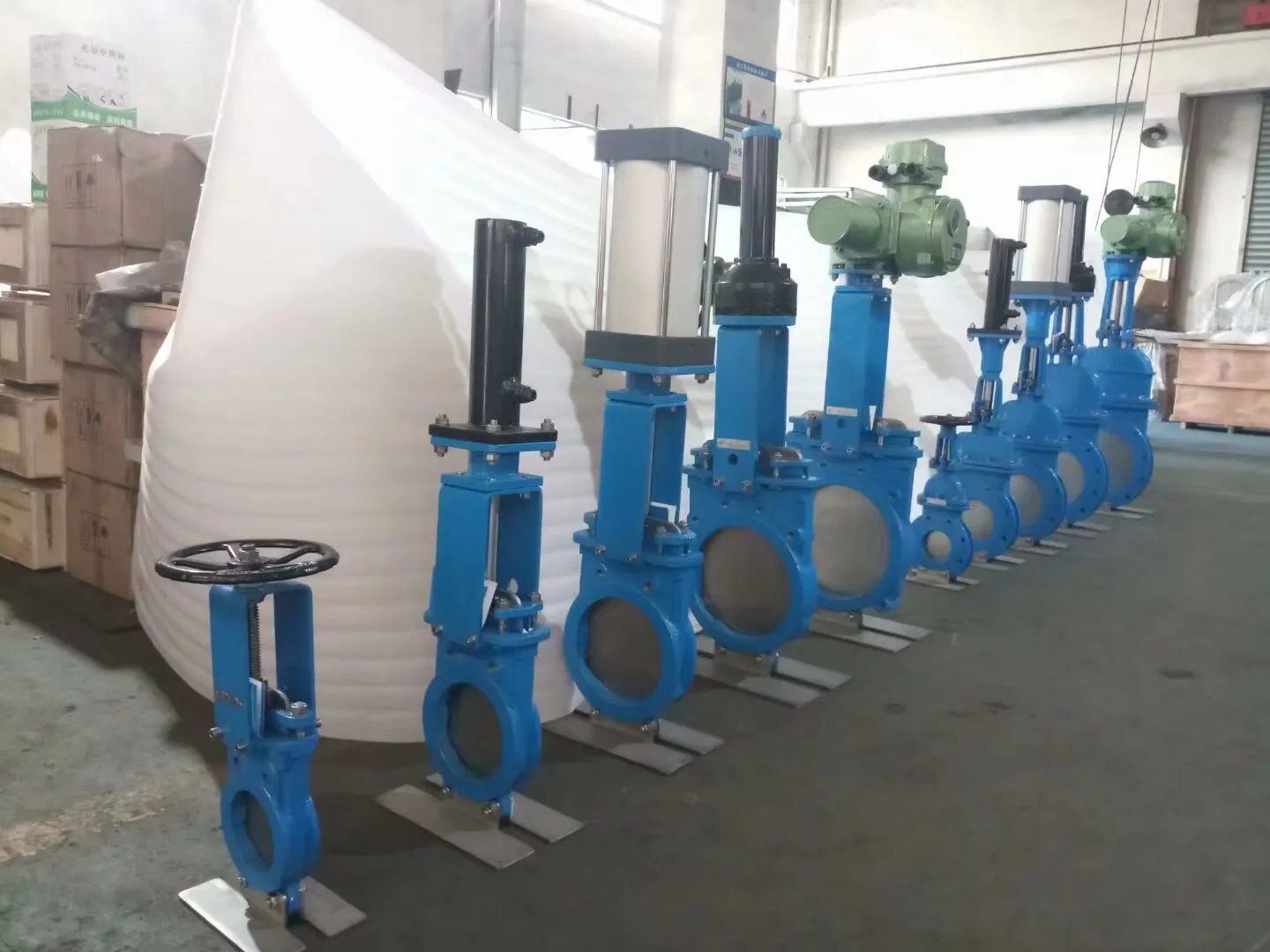
Performance of an electric butterfly valve is heavily influenced by torque requirements, flow characteristics, and environmental resistance. Torque calculation considers factors like fluid density, pressure drop, valve size, and disc position. Excessive torque demands can lead to actuator overload and failure. Flow coefficient (Cv) is a critical parameter quantifying flow capacity; higher Cv values indicate greater flow through the valve for a given pressure drop. The valve’s inherent flow characteristic (typically equal percentage) influences the relationship between valve opening and flow rate.
Engineering considerations include pressure-temperature ratings based on ASME B16.34 standards. Actuator selection must account for required torque, operating speed, and control signal compatibility (4-20mA, Modbus, Profibus). Environmental resistance requires specifying appropriate materials for corrosive media (pH, chloride concentration), extreme temperatures, and potentially hazardous atmospheres (ATEX certification for explosion-proof operation). The valve’s seat design impacts sealing performance; resilient seats offer good sealing at lower pressures, while metal seats are preferred for high-temperature and high-pressure applications. Force analysis on the disc and shaft is vital to prevent fatigue failure under cyclic loading. Regular testing and validation against ISO 5208 standards ensures compliance with industry benchmarks.
Technical Specifications
| Parameter | Unit | Specification Range | Typical Application |
|---|---|---|---|
| Valve Size (DN) | mm | 50 – 600 | Water Distribution, Chemical Plants |
| Pressure Rating (PN) | bar | 6 – 40 | Industrial Process Control |
| Temperature Range | °C | -20 to +180 (depending on seat material) | HVAC, Steam Systems |
| Actuator Voltage | V | 24V DC, 110/220V AC | General Automation |
| Control Signal | - | 4-20mA, 0-10V, Modbus RTU | SCADA Integration |
| Sealing Class | - | Class V (Bubble-Tight) | Gas Pipelines, Critical Fluids |
Failure Mode & Maintenance
Electric butterfly valves can experience several failure modes. Disc corrosion, particularly in aggressive chemical environments, leads to pitting and reduced sealing. Seat degradation due to erosion, chemical attack, or thermal cycling causes leakage. Actuator failure can stem from motor burnout (overload or winding failure), gear train wear (lubrication failure), or control circuit malfunctions. Shaft bending or breakage can occur due to excessive torque or fatigue loading. Cavitation, caused by rapid pressure fluctuations, erodes the disc and seat.
Preventative maintenance includes regular inspection of the disc and seat for wear and corrosion. Lubrication of the actuator gear train is essential. Electrical connections should be checked for tightness and corrosion. Periodic torque testing ensures the actuator is operating within specified parameters. Leak testing verifies sealing integrity. For minor disc corrosion, surface treatment with corrosion inhibitors can extend service life. Damaged seats require replacement. Actuator repairs may involve motor replacement, gear train rebuild, or control circuit board repair. Scheduled inspections based on operating conditions and fluid characteristics are crucial for mitigating failures and maximizing valve lifespan. Adherence to manufacturer’s maintenance manuals is paramount.
Industry FAQ
Q: What are the key differences between a butterfly valve and a ball valve in terms of flow control and pressure drop?
A: Ball valves offer superior shut-off capabilities, achieving a virtually bubble-tight seal. However, they typically exhibit a higher pressure drop than butterfly valves due to the full-bore design and the sharp 90-degree flow path. Butterfly valves, with their disc-based flow control, generally provide lower pressure drop, especially at larger valve sizes. While butterfly valves can achieve tight closure, they may not always match the absolute sealing performance of a ball valve.
Q: How does material selection impact the valve’s performance in corrosive environments?
A: Material selection is critical. For highly corrosive media, stainless steel (316L, Alloy 20) or specialized alloys are essential for the valve body and disc. Seat materials must also be chemically compatible; PTFE, Viton, or other fluoropolymers are commonly used. Incorrect material selection can lead to rapid corrosion, reduced sealing performance, and premature valve failure.
Q: What considerations should be made when specifying an electric actuator for a butterfly valve?
A: Actuator selection depends on required torque, operating speed, control signal type (4-20mA, Modbus), and environmental conditions. The actuator must provide sufficient torque to overcome fluid resistance and maintain precise control. The operating speed should be matched to the process requirements. For hazardous areas, explosion-proof actuators (ATEX certification) are necessary.
Q: What is the role of the gear train in an electric actuator and what maintenance is required?
A: The gear train reduces the high-speed, low-torque output of the electric motor to the lower speed, higher torque required by the valve. Worm gears are commonly used for their self-locking capability, preventing valve drift. Maintenance involves periodic lubrication with specified grease to reduce friction and wear. Inspecting for gear tooth wear and backlash is also crucial.
Q: What is the significance of the valve’s Cv value and how is it used in system design?
A: The Cv value (flow coefficient) quantifies the valve’s capacity to pass a specific flow rate at a given pressure drop. It’s used in system design to ensure the valve is adequately sized for the application. Engineers use Cv values in flow calculations to determine the appropriate valve size to meet process requirements and maintain desired flow rates.
Conclusion
The electric butterfly valve represents a versatile and cost-effective solution for automated flow control across diverse industrial landscapes. Its performance hinges critically on material selection, precise manufacturing, and diligent maintenance. Understanding the interplay between valve body materials, disc/seat compatibility, and actuator specifications is paramount for ensuring long-term reliability and optimal operation. Properly specifying and maintaining these valves not only enhances process efficiency but also mitigates potential downtime and safety hazards.
Future advancements will likely focus on intelligent valve diagnostics, incorporating sensors and data analytics to predict maintenance needs and optimize performance in real-time. Furthermore, the development of more corrosion-resistant materials and improved actuator technologies will continue to expand the application range of electric butterfly valves in challenging environments. Continuous monitoring of industry standards and compliance requirements remains essential for engineers and procurement professionals.
-
Top Reasons to Choose a Stainless Steel Flange Check Valve for Industrial Applications
-
forging flanges Material Performance
-
Round Flange Performance Analysis
-
Round Flanges Performance Analysis
-
Custom Flange Performance Analysis
-
DN 40 Flange Performance Analysis
-
8 inch flange Performance Analysis
-
angle ring flanges Performance Analysis
-
Flat Flanges Performance Analysis
-
Full Face Flange Performance Analysis
-
Full Face Flanges Performance Analysis
-
flange 8 inch Performance Analysis
-
Ring Flange Performance Analysis
-
3 inch split flange Performance Analysis
-
Tongue and groove flange Performance Analysis
 Afrikaans
 Albanian
 Amharic
 Arabic
 Armenian
 Azerbaijani
 Basque
 Belarusian
 Bengali
 Bosnian
 Bulgarian
 Catalan
 Cebuano
 Corsican
 Croatian
 Czech
Czech
 Danish
 Dutch
Dutch
 Esperanto
 Estonian
 Finnish
 French
 Frisian
 Galician
 Georgian
 German
 Greek
Greek
 Gujarati
 Haitian Creole
 Hausa
Hawaiian
Hausa
Hawaiian
 Hebrew
 Hindi
Hindi
 Miao
Miao
 Hungarian
 Icelandic
 Igbo
Igbo
 Indonesian
 Irish
Irish
 Italian
 Japanese
 Javanese
Kannada
Javanese
Kannada
 Kazakh
 Khmer
Khmer
 Rwandese
 Korean
 Kurdish
 Kyrgyz
 Lao
Lao
 Latin
Latin
 Latvian
 Lithuanian
 Luxembourgish
 Macedonian
 Malgashi
 Malay
Malay
 Malayalam
 Maltese
 Maori
Maori
 Marathi
 Mongolian
 Myanmar
 Nepali
 Norwegian
 Norwegian
 Occitan
 Pashto
 Persian
 Polish
 Portuguese
Punjabi
Portuguese
Punjabi
 Romanian
 Russian
 Samoan
 Scottish Gaelic
 Serbian
 Sesotho
 Shona
Shona
 Sindhi
 Sinhala
 Slovak
 Slovenian
 Somali
 Spanish
 Sundanese
 Swahili
 Swedish
Tagalog
Swedish
Tagalog
 Tajik
Tajik
 Tamil
Tamil
 Tatar
Tatar
 Telugu
 Thai
Thai
 Turkish
 Turkmen
 Ukrainian
 Urdu
Urdu
 Uighur
 Uzbek
Uzbek
 Vietnamese
 Welsh
Welsh
 Bantu
Bantu
 Yiddish
 Yoruba
 Zulu
Zulu
 English