




handle globe valve Performance Analysis
Introduction
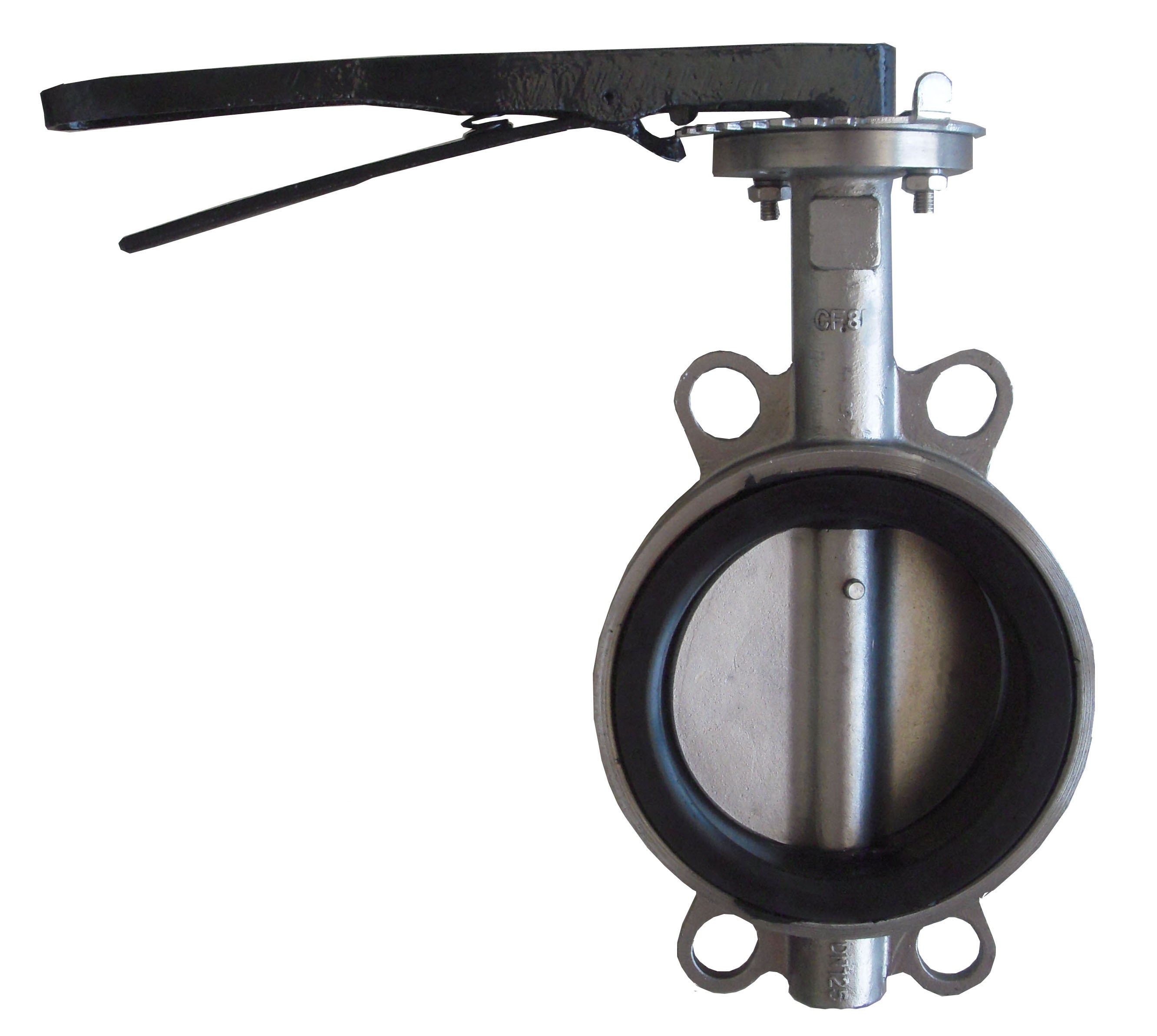
Handle globe valves are a type of valve used to regulate flow in a pipeline. Distinguished by their disc-shaped obstruction and globular body, they are primarily employed for throttling and shut-off service. Within the industrial process chain, globe valves function as critical control components, positioned downstream of pumps, turbines, or other flow-generating equipment. Their technical position is defined by their relatively high-pressure drop compared to other valve types, but superior shut-off capabilities. Core performance characteristics include precise flow control, tight sealing, and resistance to elevated temperatures and pressures, making them indispensable in applications ranging from power generation and chemical processing to water treatment and oil & gas refining. Understanding their design, material properties, and operational parameters is paramount for ensuring efficient and reliable process operation. They operate by varying the distance between the disc and the seat, influencing the flow area and, consequently, the flow rate.
Material Science & Manufacturing
The body of a handle globe valve is typically manufactured from materials like cast iron (ASTM A126 Class B), ductile iron (ASTM A536 65-45-12), carbon steel (ASTM A105), stainless steel (304/316 – ASTM A351 Grade CF8/CF8M), or alloy steels, chosen based on fluid compatibility and operating conditions. The disc and seat, crucial for sealing, commonly utilize materials like hardened stainless steel, PTFE (Teflon), or reinforced polymers. The stem, responsible for translating rotational motion to linear movement, is usually constructed from stainless steel (410, 304, or 316) or alloy steel, requiring precise machining and surface finishing.
Manufacturing processes vary depending on the valve size and material. Cast iron and ductile iron bodies are created via sand casting, followed by machining operations to ensure dimensional accuracy and surface smoothness. Steel bodies are typically forged and subsequently machined. The disc is often produced via investment casting or forging, followed by precision grinding to achieve a tight seal against the seat. Welding (SMAW, GTAW, or FCAW – conforming to AWS D1.1) is used to join valve components, requiring strict adherence to welding procedures and non-destructive testing (NDT) – radiography (RT) and ultrasonic testing (UT) – to ensure weld integrity. The stem undergoes threading and polishing processes. Assembly involves precise alignment and tightening of components to specified torques. Parameter control is critical; heat treatment processes (annealing, quenching, and tempering) are employed to achieve desired material properties. Surface treatments, like epoxy coating (ASTM D3451) or galvanization (ASTM A153), enhance corrosion resistance. Quality control includes hydrostatic testing (API 598) and visual inspection to verify performance and identify defects.
Performance & Engineering
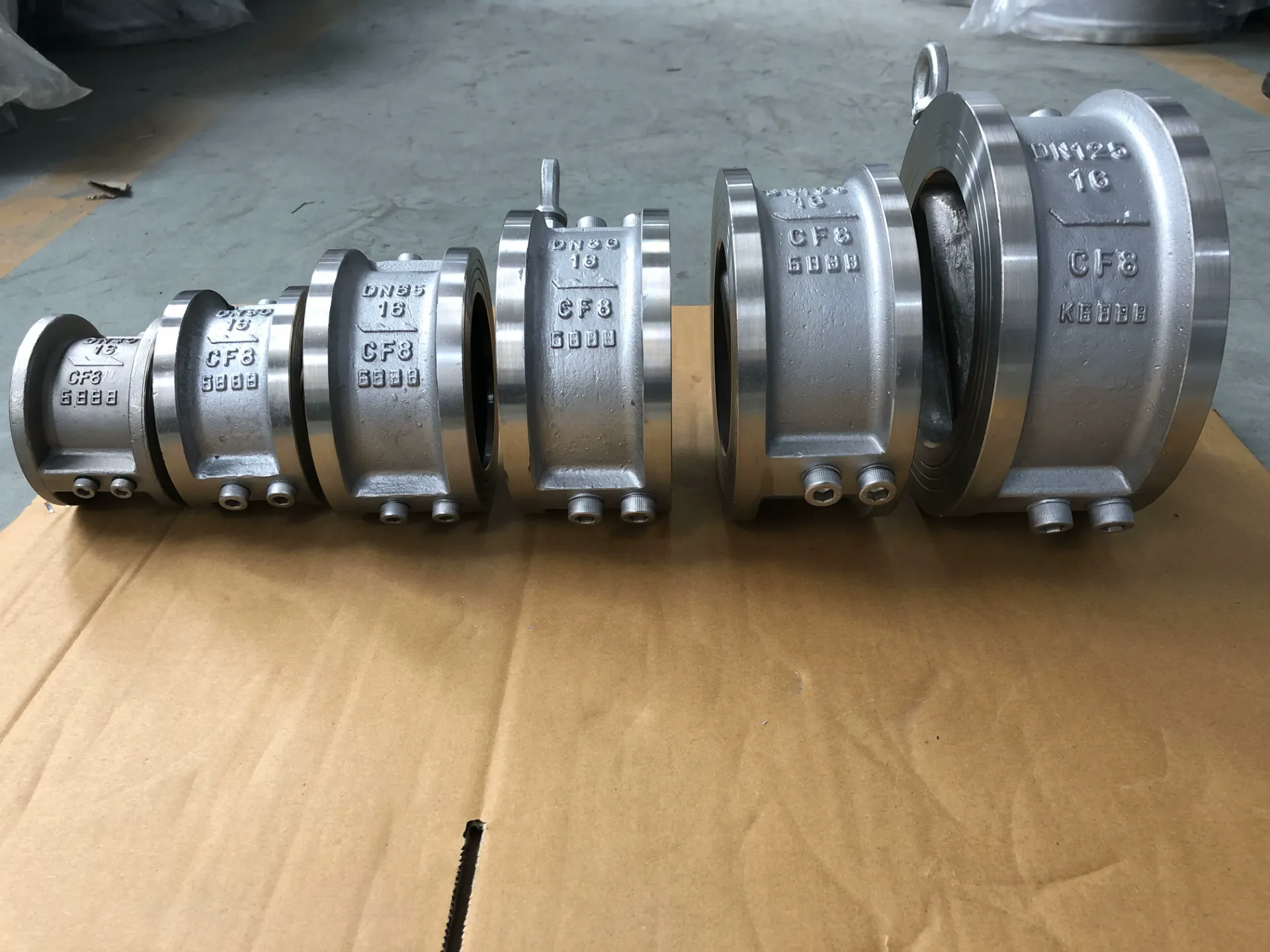
Globe valve performance is heavily reliant on fluid dynamics and mechanical stress analysis. Force analysis considers fluid pressure acting on the disc and seat, requiring a robust body design to withstand these loads. The Kv/Cv factor (flow coefficient) dictates flow capacity, affected by disc opening and valve size. Environmental resistance is crucial; temperature fluctuations cause thermal expansion/contraction, requiring appropriate gasket selection and body design to prevent leakage. The valve's pressure-temperature rating (e.g., ANSI Class 150, 300) dictates maximum operating conditions. Compliance requirements, such as API 600 (Steel Gate Valves – applicable by analogy), dictate design, manufacturing, and testing standards. The stem packing is a critical element, utilizing materials like graphite or PTFE to prevent leakage along the stem. The handle design must withstand operational torque and provide ergonomic operation. Actuation, whether manual or automated (using pneumatic or electric actuators), necessitates careful consideration of torque requirements and control system integration. Finite element analysis (FEA) is often employed to optimize body design and minimize stress concentrations. Cavitation, a phenomenon resulting from rapid pressure drop, can erode valve components; proper valve sizing and operating within specified flow ranges mitigate this risk. Flutter, caused by rapid valve opening/closing, induces mechanical stress; dampening mechanisms can be incorporated into actuator systems.
Technical Specifications
| Parameter | Unit | Typical Value (Carbon Steel) | Typical Value (Stainless Steel 316) |
|---|---|---|---|
| Maximum Operating Pressure | psi | 900 | 740 |
| Maximum Operating Temperature | °F | 800 | 600 |
| Connection Type | - | Screwed, Flanged, Welded | Screwed, Flanged, Welded |
| Body Material | - | Carbon Steel (A105) | Stainless Steel (316) |
| Disc Material | - | Alloy Steel | Stainless Steel (316) |
| Seat Material | - | PTFE, Metal | PTFE, Metal |
Failure Mode & Maintenance
Common failure modes in handle globe valves include seat erosion due to high-velocity flow or particulate matter, stem packing leakage resulting from wear or thermal cycling, disc corrosion from incompatible fluids, and body cracking from excessive stress or fatigue. Fatigue cracking can occur in the stem or disc due to repeated cyclic loading. Delamination of the seat material can lead to leakage. Corrosion (general, pitting, or crevice) degrades material integrity. Oxidation at high temperatures can weaken components. Cavitation causes localized erosion, particularly on the disc.
Maintenance protocols involve regular inspection of the stem packing, tightening or replacing it as needed. Periodic examination of the disc and seat for erosion or corrosion is crucial, with replacement if significant degradation is observed. Lubrication of the stem threads reduces friction and prevents seizing. Non-destructive testing (ultrasonic testing or radiography) can detect internal cracks or flaws. External surface inspection identifies corrosion or damage. Hydrostatic testing verifies valve integrity. Preventive maintenance schedules, based on operating conditions and fluid characteristics, are essential. For severely corroded valves, complete replacement may be necessary. Proper storage practices, protecting valves from moisture and contaminants, extend service life. Record-keeping of maintenance activities and failure analysis provides valuable insights for optimizing valve selection and maintenance strategies.
Industry FAQ
Q: What is the primary advantage of a globe valve over a gate valve in throttling applications?
A: Globe valves offer superior throttling capabilities compared to gate valves. The disc's movement perpendicular to the flow path allows for precise flow control, whereas gate valves are primarily designed for on/off service and can cause erosion if used for throttling.
Q: How does the material selection impact the service life of a globe valve handling corrosive fluids?
A: Material selection is paramount. For corrosive fluids, stainless steel (316, duplex stainless steel) or alloy steels are preferred over carbon steel. The seat material must also be chemically compatible with the fluid to prevent erosion and leakage. Proper coating systems can extend the life of carbon steel valves in mildly corrosive environments.
Q: What are the key considerations when selecting a globe valve for high-temperature applications?
A: High-temperature applications require materials with high creep resistance and thermal stability. Stainless steel alloys and specific carbon steel grades are suited for elevated temperatures. The stem packing must also withstand high temperatures without degradation. Proper gasket selection is crucial to prevent leakage due to thermal expansion.
Q: What is the significance of the Kv/Cv value in globe valve selection?
A: The Kv/Cv value represents the valve’s flow coefficient, indicating its capacity to pass a specific flow rate at a given pressure drop. Matching the valve’s Kv/Cv value to the system’s flow requirements is crucial for optimal performance and preventing cavitation or excessive pressure drop.
Q: What preventative maintenance steps are recommended to minimize failures in globe valves?
A: Regular inspection of stem packing, disc and seat condition, and external corrosion is crucial. Periodic lubrication of the stem threads and hydrostatic testing can detect leaks or internal damage. Maintaining accurate records of maintenance activities helps identify trends and predict potential failures.
Conclusion
Handle globe valves represent a crucial component in fluid control systems, offering reliable throttling and shut-off capabilities across diverse industrial applications. Their performance is fundamentally linked to material science principles, precise manufacturing techniques, and adherence to stringent industry standards. Understanding the interplay between fluid dynamics, mechanical stresses, and material compatibility is essential for optimal valve selection and operation.
Future developments in globe valve technology will likely focus on enhanced materials for extreme environments, smart valve designs incorporating sensors and actuators for remote monitoring and control, and improved sealing mechanisms to minimize leakage and environmental impact. Proper maintenance and adherence to established preventative maintenance schedules remain paramount for maximizing valve lifespan and ensuring reliable process operation.
-
Top Reasons to Choose a Stainless Steel Flange Check Valve for Industrial Applications
-
forging flanges Material Performance
-
Round Flange Performance Analysis
-
Round Flanges Performance Analysis
-
Custom Flange Performance Analysis
-
DN 40 Flange Performance Analysis
-
8 inch flange Performance Analysis
-
angle ring flanges Performance Analysis
-
Flat Flanges Performance Analysis
-
Full Face Flange Performance Analysis
-
Full Face Flanges Performance Analysis
-
flange 8 inch Performance Analysis
-
Ring Flange Performance Analysis
-
3 inch split flange Performance Analysis
-
Tongue and groove flange Performance Analysis
 Afrikaans
 Albanian
 Amharic
 Arabic
 Armenian
 Azerbaijani
 Basque
 Belarusian
 Bengali
 Bosnian
 Bulgarian
 Catalan
 Cebuano
 Corsican
 Croatian
 Czech
Czech
 Danish
 Dutch
Dutch
 Esperanto
 Estonian
 Finnish
 French
 Frisian
 Galician
 Georgian
 German
 Greek
Greek
 Gujarati
 Haitian Creole
 Hausa
Hawaiian
Hausa
Hawaiian
 Hebrew
 Hindi
Hindi
 Miao
Miao
 Hungarian
 Icelandic
 Igbo
Igbo
 Indonesian
 Irish
Irish
 Italian
 Japanese
 Javanese
Kannada
Javanese
Kannada
 Kazakh
 Khmer
Khmer
 Rwandese
 Korean
 Kurdish
 Kyrgyz
 Lao
Lao
 Latin
Latin
 Latvian
 Lithuanian
 Luxembourgish
 Macedonian
 Malgashi
 Malay
Malay
 Malayalam
 Maltese
 Maori
Maori
 Marathi
 Mongolian
 Myanmar
 Nepali
 Norwegian
 Norwegian
 Occitan
 Pashto
 Persian
 Polish
 Portuguese
Punjabi
Portuguese
Punjabi
 Romanian
 Russian
 Samoan
 Scottish Gaelic
 Serbian
 Sesotho
 Shona
Shona
 Sindhi
 Sinhala
 Slovak
 Slovenian
 Somali
 Spanish
 Sundanese
 Swahili
 Swedish
Tagalog
Swedish
Tagalog
 Tajik
Tajik
 Tamil
Tamil
 Tatar
Tatar
 Telugu
 Thai
Thai
 Turkish
 Turkmen
 Ukrainian
 Urdu
Urdu
 Uighur
 Uzbek
Uzbek
 Vietnamese
 Welsh
Welsh
 Bantu
Bantu
 Yiddish
 Yoruba
 Zulu
Zulu
 English