




manual butterfly valve Performance Engineering
Introduction
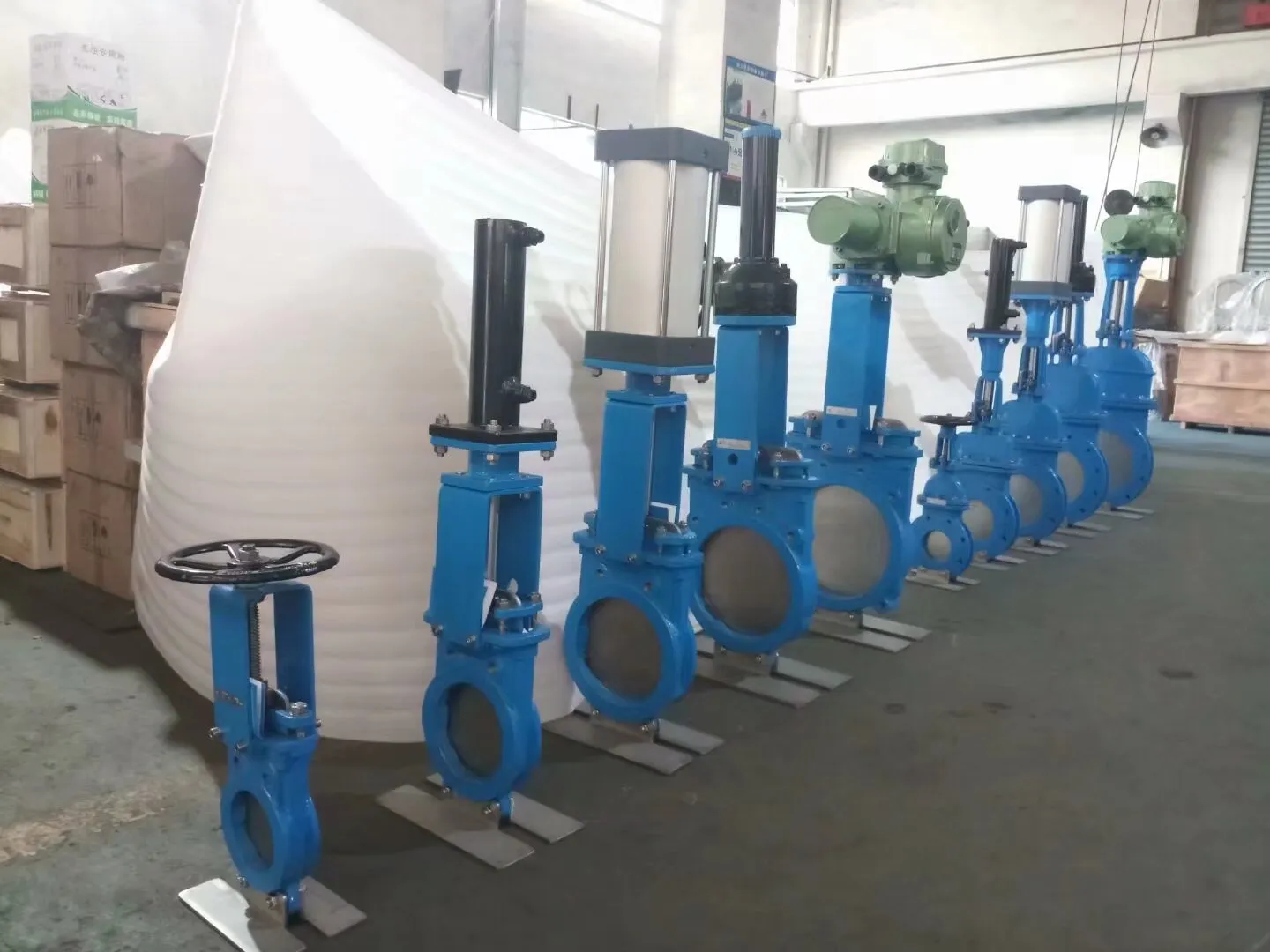
Manual butterfly valves are quarter-turn rotational motion valves used to regulate or isolate flow within a piping system. Positioned within the industry chain as a critical flow control component, they find applications across diverse sectors including water treatment, chemical processing, oil & gas, and HVAC. Unlike gate valves which offer minimal flow restriction when fully open, butterfly valves present a discernible pressure drop due to the disc obstructing the flow path. However, their compact design, relatively low cost, and rapid actuation make them a favored choice in numerous applications. Core performance characteristics center around flow capacity (Cv), pressure drop, sealing capabilities, and material compatibility with the transported fluid. The selection of a manual butterfly valve necessitates a comprehensive understanding of these parameters to ensure process efficiency and longevity.
Material Science & Manufacturing
Butterfly valve construction typically employs several key materials, each selected for specific properties. The valve body is commonly fabricated from ductile iron (ASTM A536-89), carbon steel (ASTM A105), or stainless steel (304/316 – ASTM A351). Ductile iron provides a balance of strength and cost-effectiveness, while carbon steel is suited for higher pressure applications. Stainless steel offers superior corrosion resistance, crucial when handling aggressive fluids. The disc material often mirrors the body material, with additional options including PTFE, EPDM, or other elastomeric coatings to enhance sealing. Valve seats are commonly composed of resilient materials like EPDM, Viton, or PTFE, chosen for their compatibility with the process fluid and their ability to create a tight seal.
Manufacturing processes vary depending on the valve size and material. Smaller valves (typically under 12 inches) are frequently cast, followed by machining to achieve precise dimensions and surface finishes. Larger valves often utilize a fabricated construction method, involving welding of steel plates. Critical manufacturing parameters include weld quality (radiographic inspection – ASME Section IX), surface roughness (Ra values impacting sealing – ISO 4287), and dimensional accuracy (verified through coordinate measuring machines – ISO 10360). The disc itself is typically produced through machining or casting, followed by precision grinding to ensure a leak-tight fit against the seat. Eccentric designs (double offset or triple offset) require particularly precise manufacturing tolerances to maintain optimal performance and minimize wear.
Performance & Engineering
Performance of a manual butterfly valve is dictated by several engineering principles. Torque requirements for actuation are directly proportional to the fluid pressure, valve size, and seat friction. The valve’s Cv (flow coefficient) determines its flow capacity, calculated based on pressure drop across the valve and the volumetric flow rate. Environmental resistance is crucial; valves operating in corrosive environments require careful material selection and protective coatings. The valve’s ability to withstand pressure fluctuations (pressure surges – ANSI/API 598) and temperature variations (thermal expansion/contraction) must be considered in the design.
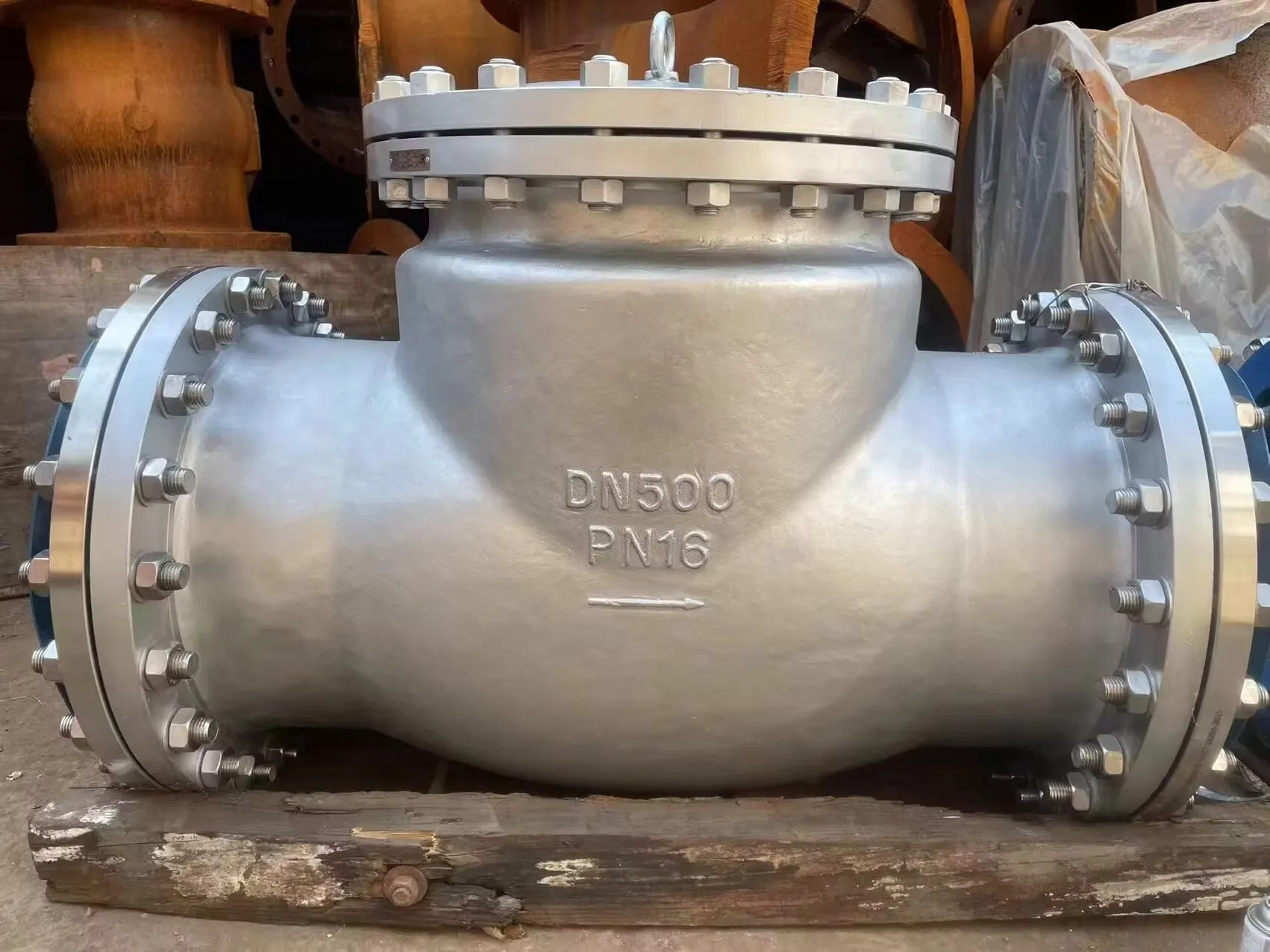
Engineering designs address sealing integrity using various mechanisms. Resilient seats provide a tight seal through compression, while metal seats rely on tight tolerances and surface finishes. Eccentric designs (double offset or triple offset) reduce seat wear and enhance sealing performance by minimizing contact between the disc and seat during operation. Compliance requirements, such as those specified by ANSI/API 609 for butterfly valves, dictate testing procedures for leakage, pressure containment, and operational reliability. Furthermore, the valve stem design and packing arrangement prevent leakage around the stem. Finite Element Analysis (FEA) is commonly used to optimize the valve body and disc design for stress distribution and structural integrity.
Technical Specifications
| Parameter | DN50 (2 inch) | DN100 (4 inch) | DN150 (6 inch) | DN200 (8 inch) |
|---|---|---|---|---|
| Maximum Pressure (PS) | 1.6 MPa | 1.0 MPa | 0.6 MPa | 0.4 MPa |
| Temperature Range | -20°C to 120°C | -20°C to 120°C | -20°C to 120°C | -20°C to 120°C |
| Cv (Flow Coefficient) | 1.2 | 3.5 | 7.8 | 14.2 |
| Actuation Torque (Max) | 20 Nm | 50 Nm | 100 Nm | 180 Nm |
| Seat Material Options | EPDM, PTFE | EPDM, PTFE, Viton | EPDM, PTFE, Viton | EPDM, PTFE, Viton |
| Body Material Options | Ductile Iron, Carbon Steel | Ductile Iron, Carbon Steel, SS304 | Carbon Steel, SS304, SS316 | Carbon Steel, SS304, SS316 |
Failure Mode & Maintenance
Common failure modes for manual butterfly valves include seat erosion or degradation (particularly with abrasive fluids), disc corrosion, stem leakage (due to packing failure), and body cracking (under excessive stress or temperature cycling). Fatigue cracking can occur in the disc or body, particularly in valves subject to frequent operation or pressure fluctuations. Seat erosion leads to leakage and diminished flow control. Chemical attack on the disc or body material results in corrosion and eventual failure. Stem leakage introduces safety hazards and environmental concerns.
Preventative maintenance is critical. Regular inspection of the seat for wear and damage is recommended. Periodic lubrication of the stem packing prevents leakage and ensures smooth operation. Visual inspection for corrosion or cracking should be performed on the body and disc. Torque checks during operation can indicate seat wear or blockage. In the event of leakage, the seat should be replaced. Stem packing should be adjusted or replaced as necessary. For corroded components, replacement with compatible materials is essential. Non-destructive testing (NDT) methods such as ultrasonic testing (UT – ASTM E797) or magnetic particle inspection (MPI – ASTM E1444) can identify hidden cracks or flaws. Proper storage conditions, protecting the valve from environmental factors, will extend its lifespan.
Industry FAQ
Q: What is the primary difference between a concentric and an eccentric butterfly valve, and when would I choose one over the other?
A: Concentric butterfly valves have the disc centered in the bore, resulting in a symmetrical flow path. Eccentric valves (double or triple offset) position the disc off-center. Eccentric designs minimize contact between the disc and seat, reducing wear and providing better sealing at higher pressures and temperatures. Choose a concentric valve for lower pressure, less abrasive applications. Opt for an eccentric valve for higher pressure, critical shut-off requirements, or when handling fluids with particulate matter.
Q: How does the material of the valve seat impact its performance and longevity?
A: The seat material dictates chemical compatibility, temperature resistance, and sealing effectiveness. EPDM is common for water and general service but degrades with certain chemicals. PTFE offers broad chemical resistance but has limited temperature capabilities and lower resilience. Viton provides excellent chemical and temperature resistance but is more expensive. Select a seat material specifically compatible with the process fluid to prevent swelling, cracking, or erosion.
Q: What are the key considerations when selecting a manual butterfly valve for a slurry application?
A: Slurries introduce abrasive particles that accelerate seat wear. Choose a valve with a hardened seat material (e.g., metal-reinforced PTFE or ceramic) and a robust disc design. Eccentric designs are preferred to minimize seat contact. Consider a larger valve size to reduce flow velocity and erosion rates. Regular inspection and seat replacement are crucial for maintaining performance.
Q: What is the significance of the valve's pressure-temperature rating, and how should it be interpreted?
A: The pressure-temperature rating specifies the maximum allowable pressure at a given temperature. Exceeding these limits compromises valve integrity and can lead to catastrophic failure. The rating is determined by the valve body material and construction. Always verify that the valve rating matches or exceeds the operating conditions of the system.
Q: What are the common causes of stem leakage, and what steps can be taken to address it?
A: Stem leakage is usually caused by worn or improperly adjusted packing. Other causes include damage to the stem surface or corrosion of the stem packing gland. Tighten the packing gland in increments. If tightening doesn’t resolve the leak, replace the stem packing with a compatible material. Inspect the stem for damage and replace if necessary. Ensure proper lubrication of the stem during packing replacement.
Conclusion
Manual butterfly valves represent a versatile and cost-effective flow control solution across a broad spectrum of industrial applications. Their performance relies heavily on careful material selection, precise manufacturing processes, and diligent maintenance practices. Understanding the interplay between valve design, operating conditions, and potential failure modes is crucial for ensuring reliable and long-term operation.
Future advancements in butterfly valve technology will likely focus on improved sealing materials, enhanced corrosion resistance, and the integration of smart sensors for condition monitoring. Proper specification, installation, and adherence to industry standards (ANSI/API, ISO) remain fundamental to maximizing the performance and longevity of these critical components.
-
Top Reasons to Choose a Stainless Steel Flange Check Valve for Industrial Applications
-
forging flanges Material Performance
-
Round Flange Performance Analysis
-
Round Flanges Performance Analysis
-
Custom Flange Performance Analysis
-
DN 40 Flange Performance Analysis
-
8 inch flange Performance Analysis
-
angle ring flanges Performance Analysis
-
Flat Flanges Performance Analysis
-
Full Face Flange Performance Analysis
-
Full Face Flanges Performance Analysis
-
flange 8 inch Performance Analysis
-
Ring Flange Performance Analysis
-
3 inch split flange Performance Analysis
-
Tongue and groove flange Performance Analysis
 Afrikaans
 Albanian
 Amharic
 Arabic
 Armenian
 Azerbaijani
 Basque
 Belarusian
 Bengali
 Bosnian
 Bulgarian
 Catalan
 Cebuano
 Corsican
 Croatian
 Czech
Czech
 Danish
 Dutch
Dutch
 Esperanto
 Estonian
 Finnish
 French
 Frisian
 Galician
 Georgian
 German
 Greek
Greek
 Gujarati
 Haitian Creole
 Hausa
Hawaiian
Hausa
Hawaiian
 Hebrew
 Hindi
Hindi
 Miao
Miao
 Hungarian
 Icelandic
 Igbo
Igbo
 Indonesian
 Irish
Irish
 Italian
 Japanese
 Javanese
Kannada
Javanese
Kannada
 Kazakh
 Khmer
Khmer
 Rwandese
 Korean
 Kurdish
 Kyrgyz
 Lao
Lao
 Latin
Latin
 Latvian
 Lithuanian
 Luxembourgish
 Macedonian
 Malgashi
 Malay
Malay
 Malayalam
 Maltese
 Maori
Maori
 Marathi
 Mongolian
 Myanmar
 Nepali
 Norwegian
 Norwegian
 Occitan
 Pashto
 Persian
 Polish
 Portuguese
Punjabi
Portuguese
Punjabi
 Romanian
 Russian
 Samoan
 Scottish Gaelic
 Serbian
 Sesotho
 Shona
Shona
 Sindhi
 Sinhala
 Slovak
 Slovenian
 Somali
 Spanish
 Sundanese
 Swahili
 Swedish
Tagalog
Swedish
Tagalog
 Tajik
Tajik
 Tamil
Tamil
 Tatar
Tatar
 Telugu
 Thai
Thai
 Turkish
 Turkmen
 Ukrainian
 Urdu
Urdu
 Uighur
 Uzbek
Uzbek
 Vietnamese
 Welsh
Welsh
 Bantu
Bantu
 Yiddish
 Yoruba
 Zulu
Zulu
 English