




Pipe Fitting Performance Analysis
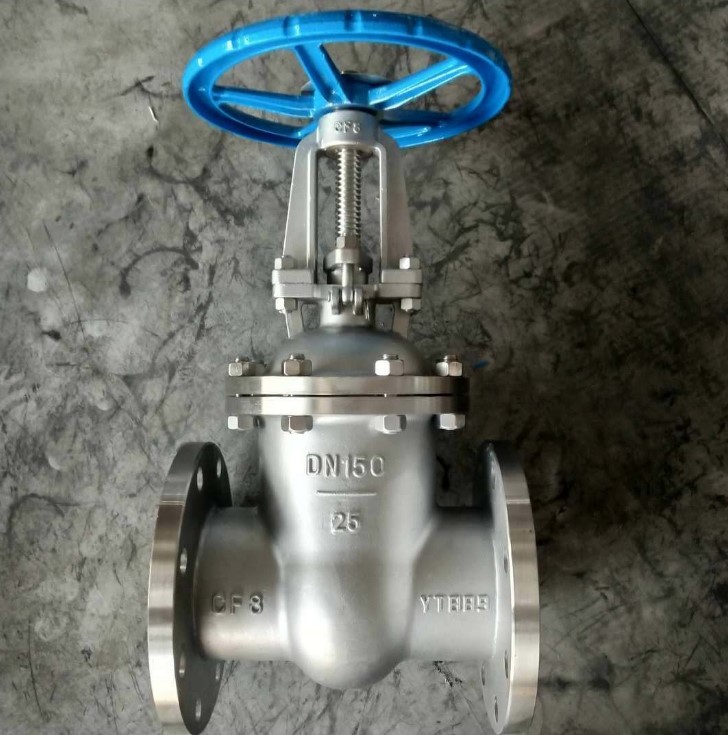
Introduction
Pipe fittings are essential components in piping systems, facilitating the connection and direction of fluid or gas flow. They represent a critical interface within the broader infrastructure of process plants, power generation facilities, building services, and transportation networks. While seemingly simple in concept, the selection and implementation of pipe fittings are governed by complex considerations relating to material compatibility, pressure/temperature ratings, stress analysis, and regulatory compliance. This guide provides a comprehensive technical overview of pipe fittings, encompassing material science, manufacturing processes, performance characteristics, failure modes, and industry best practices. The increasing demands for enhanced safety, efficiency, and environmental sustainability in fluid handling systems necessitate a thorough understanding of these components beyond mere catalog specifications. Common fitting types include elbows, tees, reducers, couplings, unions, and flanges, each serving a distinct purpose within a complete piping design. This document aims to provide a foundation for informed decision-making during the specification, installation, and maintenance of pipe fitting systems.
Material Science & Manufacturing
The selection of materials for pipe fittings is paramount, dictated by the fluid being conveyed, operating temperature, pressure, and corrosive environment. Common materials include carbon steel (ASTM A53, A106), stainless steel (304, 316, duplex grades), alloy steels (e.g., chrome-moly steels for high-temperature service), copper alloys (brass, bronze), and polymeric materials (PVC, CPVC, PEEK). Carbon steel offers a cost-effective solution for many applications, but requires protective coatings (epoxy, galvanizing) to mitigate corrosion. Stainless steels provide excellent corrosion resistance, particularly in aggressive environments, but are generally more expensive. Alloy steels are used where high strength and creep resistance are critical.
Manufacturing processes vary depending on the fitting type and material. For steel fittings, forging is a common method, particularly for high-pressure applications, offering superior strength and grain structure. Seamless fittings are typically produced through hot extrusion or rotary piercing, minimizing potential weld defects. Welded fittings, fabricated from plates or pipes, are more economical but require stringent quality control of weld procedures and non-destructive testing (NDT) – radiography, ultrasonic testing, liquid penetrant inspection – to ensure weld integrity. Cast iron fittings are produced through sand casting, offering complex geometries but potentially lower mechanical properties. Polymeric fittings are typically manufactured through injection molding, requiring precise control of molding parameters (temperature, pressure, cooling rate) to achieve dimensional accuracy and prevent internal stresses. Post-processing treatments, such as heat treatment (annealing, quenching, tempering) for steel fittings and stress relieving for welded structures, are critical to optimize mechanical properties and minimize the risk of failure. Surface finishing (e.g., passivation for stainless steel) further enhances corrosion resistance.
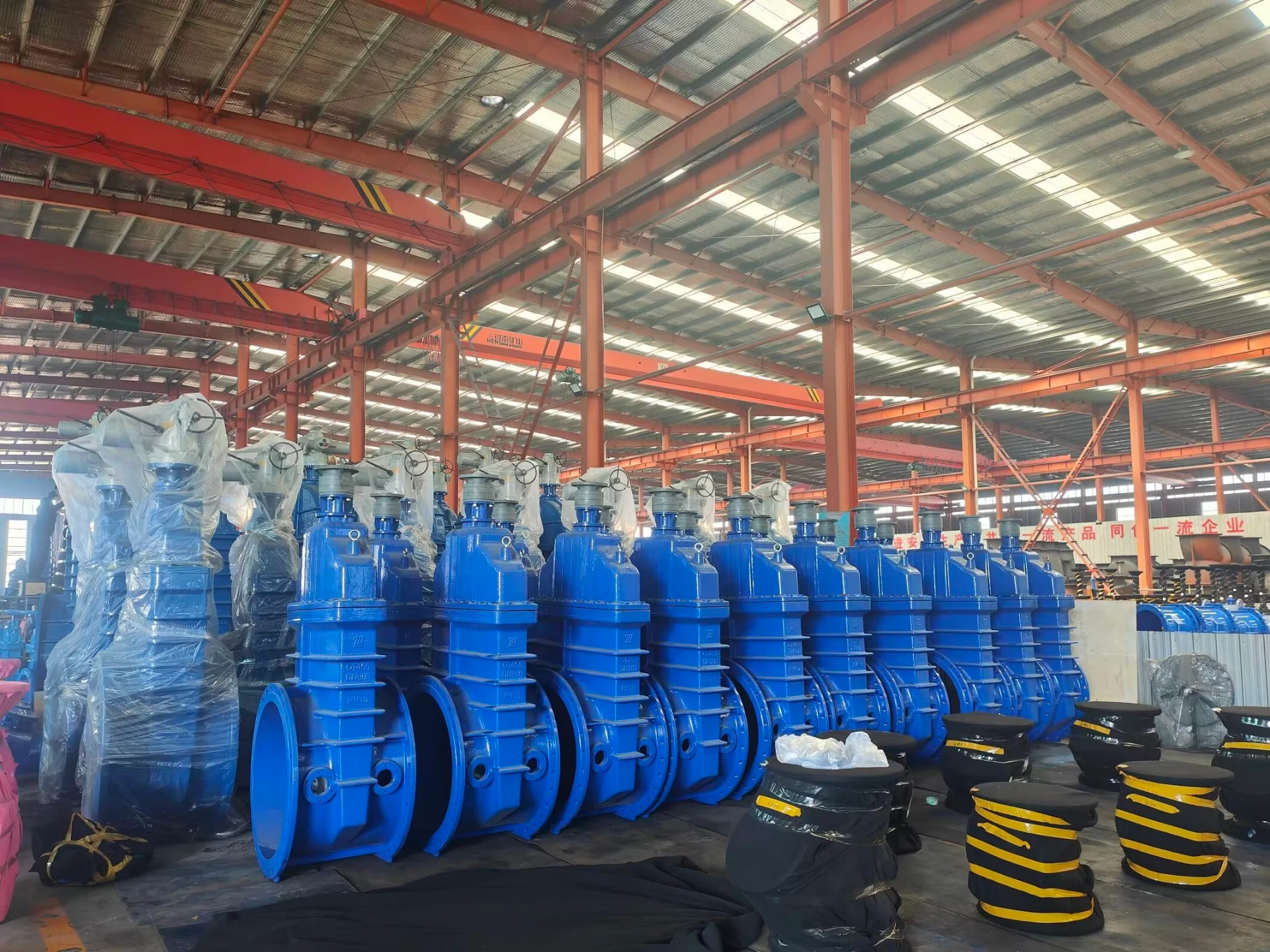
Performance & Engineering
The performance of pipe fittings is governed by several key engineering principles. Pressure containment is a primary concern, requiring fittings to withstand internal pressures without failure. Stress analysis, utilizing Finite Element Analysis (FEA) software, is crucial to identify stress concentrations at critical locations (e.g., weld necks, thread roots) and ensure structural integrity. Fatigue analysis is essential for fittings subjected to cyclic loading, assessing the potential for crack initiation and propagation. Thermal expansion and contraction of piping systems must be accounted for, employing expansion loops or flexible connectors to mitigate thermal stresses. Flow characteristics are also important; fittings introduce pressure losses due to frictional effects and flow disturbances. Minimizing these losses is essential for energy efficiency and maintaining desired flow rates.
Compliance with industry standards and regulations is paramount. ASME B31.3 (Process Piping), ASME B31.1 (Power Piping), and EN 10255 (Seamless Steel Tubes for Pressure Purposes) specify material requirements, design criteria, fabrication procedures, and inspection methods. Hydrostatic testing, involving pressurizing the fitting to a specified level, is a common acceptance test to verify leak tightness and structural integrity. Non-destructive testing (NDT) methods, such as radiography and ultrasonic testing, are used to detect internal flaws and ensure weld quality. Proper installation practices, including correct alignment, tightening torques, and support spacing, are essential to prevent premature failure. Furthermore, the fittings must be chemically compatible with the flowing medium to avoid corrosion or material degradation. For example, using carbon steel fittings with highly corrosive acids will lead to rapid failure.
Technical Specifications
| Material Grade | Pressure Rating (PSI) | Temperature Range (°C) | Connection Type |
|---|---|---|---|
| ASTM A53 Grade B | Up to 2000 | -30 to 370 | Threaded, Welded, Socket Welded |
| 304/304L Stainless Steel | Up to 6000 | -196 to 425 | Threaded, Welded, Socket Welded, Flanged |
| 316/316L Stainless Steel | Up to 6000 | -196 to 450 | Threaded, Welded, Socket Welded, Flanged |
| PVC (Schedule 80) | Up to 400 | 0 to 60 | Socket, Threaded |
| CPVC (Schedule 80) | Up to 300 | 0 to 93 | Socket, Threaded |
| Alloy Steel (P22) | Up to 4500 | -30 to 540 | Welded, Flanged |
Failure Mode & Maintenance
Pipe fitting failures can manifest in several ways. Corrosion is a prevalent failure mode, particularly in carbon steel fittings exposed to corrosive environments. Forms of corrosion include uniform corrosion, pitting corrosion, galvanic corrosion, and stress corrosion cracking. Fatigue cracking can occur in fittings subjected to cyclic loading, initiating at stress concentrators. Erosion corrosion, caused by abrasive particles in the fluid stream, can erode material from the fitting walls. Weld defects (porosity, cracks, inclusions) can compromise the structural integrity of welded fittings. Thread failures can occur due to improper tightening or overloading. For polymeric fittings, degradation due to UV exposure, chemical attack, or thermal cycling can lead to embrittlement and cracking.
Preventive maintenance is crucial to minimize the risk of failure. Regular visual inspections should be conducted to identify signs of corrosion, erosion, or damage. Non-destructive testing (NDT) methods can be used to detect internal flaws. Protective coatings should be maintained and reapplied as needed. Proper lubrication of threaded connections is essential. Periodic hydrostatic testing can verify the integrity of the system. For polymeric fittings, periodic replacement is recommended based on service conditions and material degradation rates. In the event of a leak or failure, the affected fitting should be immediately replaced with a compatible component. A robust record-keeping system for inspections, maintenance, and repairs is also essential for long-term reliability.
Industry FAQ
Q: What is the primary difference between seamless and welded fittings in terms of mechanical properties and application?
A: Seamless fittings, produced without a weld seam, generally exhibit superior mechanical properties, particularly in terms of burst strength and fatigue resistance. This is due to the uninterrupted grain structure. They are preferred for high-pressure, high-temperature, and critical applications where failure consequences are severe. Welded fittings, while more economical, have a weld seam that introduces a potential point of weakness. However, with proper welding procedures, NDT, and post-weld heat treatment, welded fittings can achieve acceptable performance for many applications, especially in lower-pressure and less critical systems.
Q: How does material selection impact the long-term corrosion resistance of pipe fittings in a seawater environment?
A: Seawater is a highly corrosive environment. Carbon steel is unsuitable without robust corrosion protection. Stainless steels, particularly 316 and duplex stainless steels, offer significantly better resistance due to their chromium, molybdenum, and nickel content. However, even stainless steels can suffer from pitting corrosion in chloride-rich seawater. Nickel alloys (e.g., Monel, Inconel) provide the highest level of corrosion resistance but are very expensive. The choice depends on the severity of the environment, operating temperature, and budget constraints. Cathodic protection can also be used to mitigate corrosion.
Q: What are the key considerations when selecting fittings for high-temperature, high-pressure steam systems?
A: High-temperature, high-pressure steam systems require materials with excellent creep resistance and oxidation resistance. Alloy steels (e.g., chrome-moly steels) are typically used. Fittings must be designed to withstand the combined stresses due to pressure and temperature. Stress analysis is crucial to identify potential failure points. Welded fittings require careful attention to weld quality and post-weld heat treatment. Regular inspections for creep damage and oxidation are essential.
Q: What role does surface finish play in preventing corrosion and maintaining hygiene in sanitary piping systems?
A: Surface finish is critical in sanitary piping systems (e.g., food processing, pharmaceutical). A smooth, polished surface minimizes the adhesion of bacteria and contaminants, reducing the risk of biofilm formation and corrosion. Electropolishing is often used to achieve a highly smooth, passive surface on stainless steel fittings. Rough surfaces can provide nucleation sites for corrosion and harbor bacteria, compromising product purity and hygiene.
Q: Can you explain the importance of proper tightening torque for threaded pipe fittings?
A: Proper tightening torque is crucial for ensuring a leak-tight seal in threaded pipe fittings. Under-tightening can lead to leaks, while over-tightening can damage the threads, causing stripping or cracking. Recommended torque values are typically provided by the fitting manufacturer and depend on the material, size, and thread type. Using a calibrated torque wrench is essential to achieve consistent and accurate tightening. The use of a suitable thread sealant (e.g., PTFE tape, thread sealant compound) is also recommended.
Conclusion
Pipe fittings represent a foundational element in countless industrial and commercial applications. Their selection and implementation require a comprehensive understanding of material science, manufacturing processes, performance engineering, and applicable regulatory standards. The long-term reliability and safety of fluid handling systems are directly dependent on the careful consideration of these factors. Ignoring these technical nuances can lead to costly failures, environmental damage, and safety hazards.
Future advancements in pipe fitting technology will likely focus on the development of new materials with enhanced corrosion resistance and strength, the implementation of advanced manufacturing techniques (e.g., additive manufacturing) to create complex geometries, and the integration of smart sensors for real-time monitoring of fitting performance. Continued emphasis on preventive maintenance and adherence to industry best practices will remain crucial for ensuring the integrity and longevity of piping systems.
-
Top Reasons to Choose a Stainless Steel Flange Check Valve for Industrial Applications
-
forging flanges Material Performance
-
Round Flange Performance Analysis
-
Round Flanges Performance Analysis
-
Custom Flange Performance Analysis
-
DN 40 Flange Performance Analysis
-
8 inch flange Performance Analysis
-
angle ring flanges Performance Analysis
-
Flat Flanges Performance Analysis
-
Full Face Flange Performance Analysis
-
Full Face Flanges Performance Analysis
-
flange 8 inch Performance Analysis
-
Ring Flange Performance Analysis
-
3 inch split flange Performance Analysis
-
Tongue and groove flange Performance Analysis
 Afrikaans
 Albanian
 Amharic
 Arabic
 Armenian
 Azerbaijani
 Basque
 Belarusian
 Bengali
 Bosnian
 Bulgarian
 Catalan
 Cebuano
 Corsican
 Croatian
 Czech
Czech
 Danish
 Dutch
Dutch
 Esperanto
 Estonian
 Finnish
 French
 Frisian
 Galician
 Georgian
 German
 Greek
Greek
 Gujarati
 Haitian Creole
 Hausa
Hawaiian
Hausa
Hawaiian
 Hebrew
 Hindi
Hindi
 Miao
Miao
 Hungarian
 Icelandic
 Igbo
Igbo
 Indonesian
 Irish
Irish
 Italian
 Japanese
 Javanese
Kannada
Javanese
Kannada
 Kazakh
 Khmer
Khmer
 Rwandese
 Korean
 Kurdish
 Kyrgyz
 Lao
Lao
 Latin
Latin
 Latvian
 Lithuanian
 Luxembourgish
 Macedonian
 Malgashi
 Malay
Malay
 Malayalam
 Maltese
 Maori
Maori
 Marathi
 Mongolian
 Myanmar
 Nepali
 Norwegian
 Norwegian
 Occitan
 Pashto
 Persian
 Polish
 Portuguese
Punjabi
Portuguese
Punjabi
 Romanian
 Russian
 Samoan
 Scottish Gaelic
 Serbian
 Sesotho
 Shona
Shona
 Sindhi
 Sinhala
 Slovak
 Slovenian
 Somali
 Spanish
 Sundanese
 Swahili
 Swedish
Tagalog
Swedish
Tagalog
 Tajik
Tajik
 Tamil
Tamil
 Tatar
Tatar
 Telugu
 Thai
Thai
 Turkish
 Turkmen
 Ukrainian
 Urdu
Urdu
 Uighur
 Uzbek
Uzbek
 Vietnamese
 Welsh
Welsh
 Bantu
Bantu
 Yiddish
 Yoruba
 Zulu
Zulu
 English