




pn16 gate valve Performance Analysis
Introduction
The PN16 gate valve is a critical component in fluid handling systems, categorized by its pressure rating of 16 bar (approximately 232 psi). It serves as an isolation valve, primarily used to start or stop flow, rather than throttling. Positioned within the industrial chain, it follows pipelines, pumps, and tanks, preceding sensitive equipment requiring flow control. Its core performance characteristics include tight shut-off, minimal pressure drop when fully open, and robust containment of process fluids. Industries relying heavily on PN16 gate valves include water treatment, chemical processing, oil & gas, and power generation. A key industry pain point revolves around achieving consistently reliable sealing, particularly in abrasive or corrosive environments, and maintaining valve integrity over extended service life, which drives the need for high-quality materials, precise manufacturing, and diligent maintenance practices. Furthermore, compliance with evolving international safety and environmental standards presents an ongoing challenge for both manufacturers and end-users.
Material Science & Manufacturing
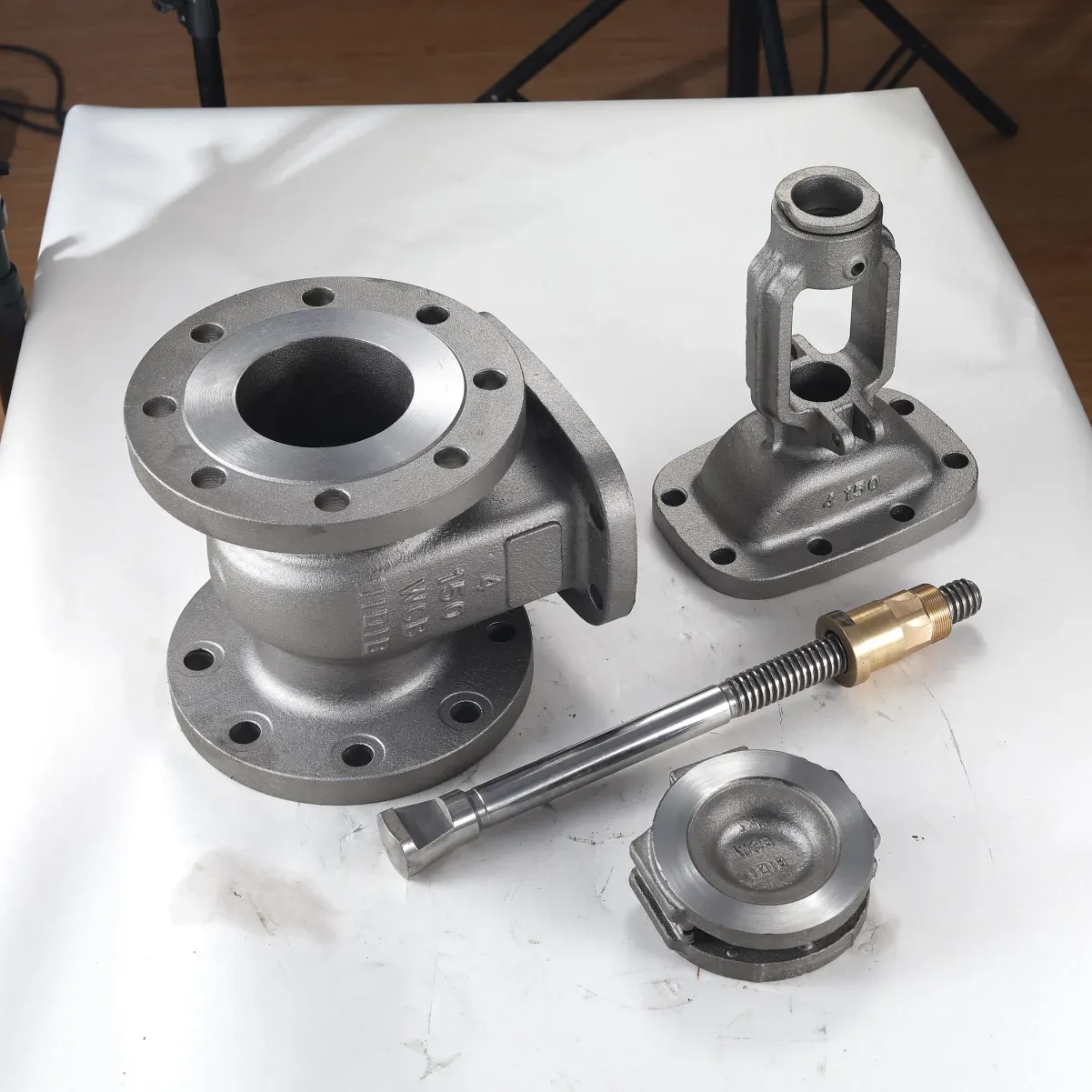
PN16 gate valves are commonly fabricated from materials selected for their mechanical properties and chemical compatibility with the intended fluid. Common body materials include cast iron (ASTM A126 Class B), ductile iron (ASTM A536 65-45-12), carbon steel (ASTM A105), and stainless steel (ASTM A351 Grade CF8/CF8M). Gate materials typically consist of bronze (ASTM B584), stainless steel (ASTM A276 Type 304/316), or alloy steel. Seat materials often employ EPDM, NBR, PTFE, or reinforced PTFE depending on temperature and chemical resistance requirements. Manufacturing typically involves casting or forging the body, followed by precision machining of internal surfaces to ensure smooth gate operation and tight sealing. The gate itself is manufactured through casting or forging and undergoes rigorous quality control to verify dimensional accuracy and surface finish. Welding processes, such as shielded metal arc welding (SMAW) or gas tungsten arc welding (GTAW), are used to join components, requiring qualified welders and adherence to welding procedures specification (WPS) per ASME Section IX. Critical parameters during manufacturing include dimensional tolerances (ISO 2768-1), surface roughness (ISO 4287), and heat treatment processes (ASTM A992) to optimize material properties. Non-destructive testing (NDT) methods, including radiography (RT1), ultrasonic testing (UT), and liquid penetrant testing (PT) are employed to detect defects and ensure structural integrity.
Performance & Engineering
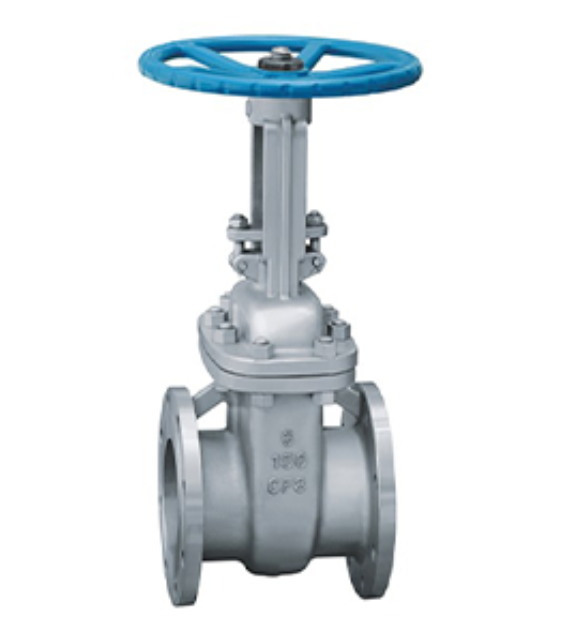
Performance analysis of PN16 gate valves involves evaluating their ability to withstand internal pressure, external loads, and thermal stresses. Force analysis considers the forces exerted by the fluid on the gate and seat, as well as the mechanical stresses induced by the valve’s housing. Finite element analysis (FEA) is often used to simulate stress distribution under various loading conditions. Environmental resistance is a critical consideration, particularly in outdoor applications. Valves must withstand temperature fluctuations, humidity, UV radiation, and potential corrosion. Coatings, such as epoxy or polyurethane, are applied to protect the valve body from corrosion. Compliance requirements are dictated by various international standards, including pressure equipment directive (PED) 2014/68/EU, API 6D for gate valves, and EN 1074-1 & 2 for testing procedures. Functional implementation focuses on ensuring smooth gate operation and tight shut-off. Gate lift is carefully controlled to prevent excessive friction or binding. Seat designs are optimized to minimize leakage and maximize sealing efficiency. The valve’s stem design (rising or non-rising) influences operational characteristics and maintenance requirements. Proper valve actuation, whether manual, pneumatic, or electric, is crucial for reliable performance and safe operation. Consideration must be given to the fluid's viscosity, temperature, and the presence of solids which can affect valve operation and lifespan.
Technical Specifications
| Parameter | Specification | Testing Standard | Typical Application |
|---|---|---|---|
| Pressure Rating (PN) | 16 bar (232 psi) | EN 1092-1 | Water Treatment, Chemical Processing |
| Body Material | Ductile Iron (ASTM A536 65-45-12) | ASTM A536 | General Industrial Applications |
| Gate Material | Bronze (ASTM B584) | ASTM B584 | Non-Corrosive Fluids |
| Seat Material | EPDM | ASTM D2000 | Water & Wastewater |
| Connection Type | Flanged (DIN EN 1092-1) | DIN EN 1092-1 | Pipeline Connections |
| Operating Temperature | -10°C to 80°C (14°F to 176°F) | ASTM E23 | Moderate Temperature Applications |
Failure Mode & Maintenance
Common failure modes for PN16 gate valves include seat erosion due to abrasive particles in the fluid, gate sticking caused by corrosion or debris accumulation, stem leakage resulting from packing gland failure, and body cracking due to overpressure or thermal stress. Fatigue cracking can occur in the gate and stem under cyclic loading. Delamination of coatings can accelerate corrosion. Oxidation of metallic components can lead to reduced strength and increased friction. Failure analysis often involves visual inspection, non-destructive testing (NDT), and metallographic examination of failed components. Preventive maintenance is critical to prolong valve life. Regular inspection of packing glands, stem threads, and seating surfaces is essential. Lubrication of the stem and gate is required to prevent sticking. Periodic testing of valve operation and leak tightness should be conducted. Replacement of worn or damaged components, such as seats, packing, and gaskets, is necessary to maintain optimal performance. For severely corroded valves, complete replacement may be required. Proper storage conditions, including protection from moisture and UV radiation, are essential when valves are not in service. Maintaining detailed maintenance records is crucial for tracking valve performance and identifying potential problems before they escalate.
Industry FAQ
Q: What is the acceptable leakage rate for a PN16 gate valve, and how is it measured?
A: The acceptable leakage rate is typically defined by industry standards like EN 12952 or API 598. For a PN16 valve, a leakage rate of 0.1 ml/min per seat diameter at maximum operating pressure is generally considered acceptable. Leakage is measured using a bubble test or a pressure decay test, employing calibrated leak detection equipment.
Q: How does the choice of seat material affect the valve’s performance in different fluids?
A: The seat material must be chemically compatible with the process fluid. EPDM is suitable for water and mild chemicals, while PTFE provides broader chemical resistance but may have lower mechanical strength. NBR is good for oil-based fluids. Incorrect material selection can lead to rapid degradation, swelling, or cracking of the seat, resulting in leakage.
Q: What are the critical considerations when selecting a valve actuator for a PN16 gate valve?
A: The actuator's torque capacity must be sufficient to overcome the valve's operating torque, considering the fluid pressure and temperature. The actuator’s speed and control capabilities should meet the process requirements. Environmental factors, such as temperature and humidity, must also be considered when selecting the actuator.
Q: What are the best practices for preventing corrosion in PN16 gate valves used in seawater applications?
A: Utilizing materials with high corrosion resistance, such as stainless steel (316), duplex stainless steel, or alloys specifically designed for seawater service, is crucial. Applying protective coatings like epoxy or polyurethane provides an additional barrier. Regular inspection and cleaning to remove marine growth and salt deposits are also essential.
Q: How often should the packing gland be adjusted or replaced on a PN16 gate valve?
A: The packing gland should be inspected regularly, typically every 6-12 months, depending on the application and operating conditions. Adjustment may be necessary to maintain a proper seal and prevent stem leakage. Packing should be replaced when it becomes worn, hardened, or ineffective in preventing leakage, generally every 1-3 years, depending on service conditions.
Conclusion
The PN16 gate valve remains a fundamental component in numerous industrial applications, offering reliable flow isolation when properly specified, maintained, and operated. A deep understanding of material science, manufacturing processes, and performance characteristics is essential for ensuring optimal valve longevity and safety. Selecting the correct materials, adhering to stringent quality control procedures, and implementing a proactive maintenance program are critical for mitigating potential failure modes and maximizing valve lifespan.
Future developments in gate valve technology will likely focus on enhanced sealing materials, improved corrosion resistance, and the integration of smart sensors for remote monitoring and predictive maintenance. Adherence to evolving international standards and a commitment to continuous improvement will be essential for maintaining the reliability and efficiency of PN16 gate valves in demanding industrial environments.
-
Top Reasons to Choose a Stainless Steel Flange Check Valve for Industrial Applications
-
forging flanges Material Performance
-
Round Flange Performance Analysis
-
Round Flanges Performance Analysis
-
Custom Flange Performance Analysis
-
DN 40 Flange Performance Analysis
-
8 inch flange Performance Analysis
-
angle ring flanges Performance Analysis
-
Flat Flanges Performance Analysis
-
Full Face Flange Performance Analysis
-
Full Face Flanges Performance Analysis
-
flange 8 inch Performance Analysis
-
Ring Flange Performance Analysis
-
3 inch split flange Performance Analysis
-
Tongue and groove flange Performance Analysis
 Afrikaans
 Albanian
 Amharic
 Arabic
 Armenian
 Azerbaijani
 Basque
 Belarusian
 Bengali
 Bosnian
 Bulgarian
 Catalan
 Cebuano
 Corsican
 Croatian
 Czech
Czech
 Danish
 Dutch
Dutch
 Esperanto
 Estonian
 Finnish
 French
 Frisian
 Galician
 Georgian
 German
 Greek
Greek
 Gujarati
 Haitian Creole
 Hausa
Hawaiian
Hausa
Hawaiian
 Hebrew
 Hindi
Hindi
 Miao
Miao
 Hungarian
 Icelandic
 Igbo
Igbo
 Indonesian
 Irish
Irish
 Italian
 Japanese
 Javanese
Kannada
Javanese
Kannada
 Kazakh
 Khmer
Khmer
 Rwandese
 Korean
 Kurdish
 Kyrgyz
 Lao
Lao
 Latin
Latin
 Latvian
 Lithuanian
 Luxembourgish
 Macedonian
 Malgashi
 Malay
Malay
 Malayalam
 Maltese
 Maori
Maori
 Marathi
 Mongolian
 Myanmar
 Nepali
 Norwegian
 Norwegian
 Occitan
 Pashto
 Persian
 Polish
 Portuguese
Punjabi
Portuguese
Punjabi
 Romanian
 Russian
 Samoan
 Scottish Gaelic
 Serbian
 Sesotho
 Shona
Shona
 Sindhi
 Sinhala
 Slovak
 Slovenian
 Somali
 Spanish
 Sundanese
 Swahili
 Swedish
Tagalog
Swedish
Tagalog
 Tajik
Tajik
 Tamil
Tamil
 Tatar
Tatar
 Telugu
 Thai
Thai
 Turkish
 Turkmen
 Ukrainian
 Urdu
Urdu
 Uighur
 Uzbek
Uzbek
 Vietnamese
 Welsh
Welsh
 Bantu
Bantu
 Yiddish
 Yoruba
 Zulu
Zulu
 English