




bellows globe valve Performance Analysis
Introduction
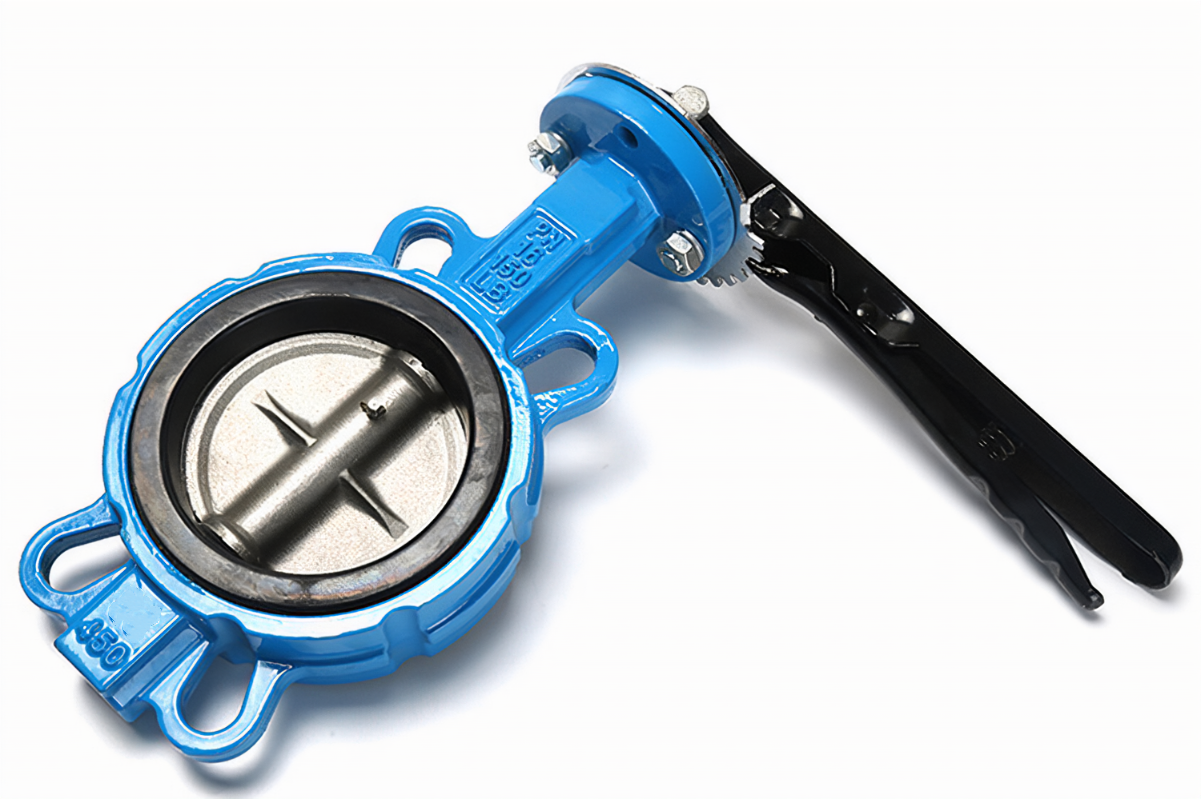
Bellows globe valves represent a specialized class of control valves utilized in process industries requiring zero leakage. Unlike traditional globe valves employing packing glands, bellows globe valves utilize a flexible metal bellows to seal the valve stem, preventing any fugitive emissions to the atmosphere. This construction makes them critical in handling hazardous, toxic, or high-value fluids where environmental protection and process integrity are paramount. Their technical position within the industry chain falls between standard globe valve technology and more complex seal-less valve solutions like magnetic drive pumps. Core performance characteristics center around achieving bubble-tight shutoff, precise flow control, and resistance to corrosion depending on bellows material selection. The valve body design, flow characteristics, and bellows material directly influence the valve’s pressure drop, capacity, and operational lifespan. Addressing the industry’s increasing focus on sustainability and safety, bellows globe valves are frequently specified in pharmaceutical, chemical, and oil & gas applications.
Material Science & Manufacturing
The construction of a bellows globe valve relies on a combination of materials carefully selected for compatibility and performance. Valve body materials commonly include stainless steels (304, 316, 316L) offering excellent corrosion resistance, carbon steel for less demanding applications, and alloy steels like Hastelloy or Inconel for highly corrosive environments. The bellows themselves are typically manufactured from stainless steel alloys (304L, 316L, 321) chosen for their flexibility, fatigue resistance, and corrosion properties. Nickel alloys are also used where extreme temperature or chemical resistance is necessary. Manufacturing the bellows involves a complex deep-drawing process, forming the corrugated structure from a seamless tube. This process requires precise control of forming parameters—pressure, temperature, and die geometry—to ensure consistent corrugation depth and uniformity. Weld integrity is crucial, employing techniques like TIG (Tungsten Inert Gas) welding under strict quality control. Valve trim, including the disc and seat, are often hardened alloys to resist erosion and provide a tight seal. The valve assembly process demands meticulous alignment of the bellows with the valve stem and body to prevent stress concentrations and maintain leak-tightness. Post-manufacturing, hydrotesting and helium leak testing are standard procedures to verify valve integrity and performance. Material certifications conforming to ASTM standards (e.g., ASTM A36 for carbon steel, ASTM A240 for stainless steel) are essential for traceability and quality assurance.
Performance & Engineering
Bellows globe valve performance is fundamentally governed by the valve’s flow coefficient (Cv), pressure drop, and shutoff capabilities. The Cv value, determined through hydraulic testing, indicates the valve's capacity to pass a given flow rate at a specific pressure drop. Flow analysis, often utilizing computational fluid dynamics (CFD), is employed to optimize valve body geometry and minimize turbulence, thereby reducing pressure loss. The bellows design itself is subject to rigorous engineering analysis, including finite element analysis (FEA), to determine stress distribution and predict fatigue life under cyclic loading. Bellows stress is a critical parameter, as exceeding the allowable stress limit can lead to premature failure. Environmental resistance, especially to temperature fluctuations and corrosive media, is a primary concern. The bellows’ ability to withstand repeated cycles of expansion and contraction without cracking or losing seal integrity is vital. Compliance with industry standards such as ANSI/FCI 70-2, which defines performance testing requirements for control valves, is essential. The valve’s actuation mechanism—pneumatic, electric, or hydraulic—must be carefully matched to the process requirements, considering factors such as speed of response, torque requirements, and fail-safe mechanisms. Accurate flow control relies on a linear relationship between valve stem position and flow rate, achieved through careful valve characteristic shaping (equal percentage, linear, or quick opening).
Technical Specifications
| Parameter | Units | Typical Value (Stainless Steel, 1" Valve) | Notes |
|---|---|---|---|
| Maximum Inlet Pressure | psi | 500 | Dependent on body material and bellows design |
| Temperature Range | °F | -20 to 450 | Bellows material dictates temperature limits |
| Cv (Flow Coefficient) | gal/min @ 1 psi ΔP | 15 | Varies with valve size and trim |
| Leakage Rate | SCCM (Standard Cubic Centimeters per Minute) | < 0.1 | Achieved through bellows sealing |
| Bellows Material | - | 316L Stainless Steel | Other alloys available for specific applications |
| Connection Type | - | NPT, Flange | Configurable to process requirements |
Failure Mode & Maintenance
Bellows globe valves, while highly reliable, are susceptible to specific failure modes. Fatigue cracking of the bellows is a primary concern, resulting from repeated cyclic stress induced by pressure and temperature fluctuations. Corrosion, particularly in aggressive chemical environments, can lead to bellows perforation and leakage. Erosion from particulate matter in the fluid stream can also damage the bellows. Stem misalignment during installation or operation introduces bending stress on the bellows, accelerating fatigue. Failure of the valve seat can compromise the shutoff capability. Routine maintenance is crucial to prolong valve life. This includes regular visual inspection for signs of corrosion, cracking, or leakage. Periodic bellows stress analysis, especially in critical applications, can identify potential fatigue issues before failure occurs. Lubrication of the valve stem threads is essential to reduce friction and prevent galling. Proper installation, ensuring correct alignment and adequate support, is paramount. If leakage is detected, the bellows should be replaced. Replacement bellows must be of the same material and specification as the original. Regular calibration of the actuator ensures accurate flow control. Preventive maintenance schedules should be implemented based on process conditions and valve operating history. Detailed documentation of maintenance activities and failure analysis data is critical for continuous improvement.
Industry FAQ
Q: What are the key advantages of a bellows globe valve over a traditional globe valve with packing?
A: The primary advantage is zero leakage. Traditional globe valves rely on packing to seal the valve stem, which can exhibit fugitive emissions over time. Bellows globe valves, utilizing a metal bellows, eliminate this leakage path, ensuring complete shutoff and enhancing process safety and environmental protection. This is especially critical for hazardous fluids.
Q: How does the bellows material selection impact valve performance and lifespan?
A: Bellows material is paramount. Stainless steels offer good general corrosion resistance, but more aggressive environments require nickel alloys like Hastelloy or Inconel. The material must be compatible with the fluid, temperature, and pressure. Incorrect material selection will lead to premature failure due to corrosion or stress cracking.
Q: What is the expected service life of a bellows globe valve bellows?
A: Service life depends heavily on operating conditions. Under ideal conditions—stable temperature, non-corrosive fluids, minimal pressure cycling—a bellows can last for several years (5-10+). Frequent cycling, high temperatures, or corrosive environments will significantly reduce the lifespan. Regular inspection and stress analysis are crucial.
Q: Can bellows globe valves be used in high-temperature applications?
A: Yes, but bellows material selection is critical. Certain nickel alloys can withstand temperatures up to 800°F (427°C). However, high temperatures accelerate oxidation and creep, reducing bellows life. Proper design and material selection are essential for high-temperature service.
Q: What are the typical maintenance requirements for a bellows globe valve?
A: Regular visual inspection for leaks or corrosion is vital. Periodic lubrication of the stem threads is recommended. Stress analysis of the bellows should be conducted periodically, especially in cyclic applications. Replacement of the bellows is the primary maintenance task when leakage is detected or fatigue is suspected.
Conclusion
Bellows globe valves represent a critical component in process control applications demanding absolute leak tightness. Their sophisticated design, reliant on meticulous material selection and manufacturing processes, provides a superior sealing solution compared to conventional globe valves. The performance characteristics, including Cv values, pressure drop, and fatigue life, are heavily influenced by the bellows material, valve body geometry, and operating conditions. Understanding potential failure modes – primarily fatigue cracking and corrosion – and implementing a proactive maintenance strategy are essential for maximizing valve longevity and ensuring process safety.
Looking forward, advancements in bellows material technology, such as the development of improved alloys with enhanced corrosion resistance and fatigue strength, will further extend the service life and broaden the application range of these valves. Integration with predictive maintenance systems, utilizing sensors to monitor bellows stress and corrosion in real-time, will enable proactive intervention and prevent catastrophic failures. The continued demand for environmentally responsible and safe process operations will solidify the bellows globe valve's position as a key technology in the chemical, pharmaceutical, and oil & gas industries.
-
Top Reasons to Choose a Stainless Steel Flange Check Valve for Industrial Applications
-
flange 8 inch Performance Analysis
-
Ring Flange Performance Analysis
-
3 inch split flange Performance Analysis
-
Tongue and groove flange Performance Analysis
-
Grooved Flange Performance Analysis
-
o ring flange Performance Analysis
-
Ring Flanges Performance Analysis
-
Groove Flange Performance Analysis
-
Tongue and groove flanges Performance Analysis
-
12 inch flange Performance Analysis
-
Header Exhaust Flange Material Science
-
Header Exhaust Flanges Performance Analysis
-
Spacer Ring Flanges Material Science Manufacturing
-
tee flange Performance Analysis
 Afrikaans
 Albanian
 Amharic
 Arabic
 Armenian
 Azerbaijani
 Basque
 Belarusian
 Bengali
 Bosnian
 Bulgarian
 Catalan
 Cebuano
 Corsican
 Croatian
 Czech
Czech
 Danish
 Dutch
Dutch
 Esperanto
 Estonian
 Finnish
 French
 Frisian
 Galician
 Georgian
 German
 Greek
Greek
 Gujarati
 Haitian Creole
 Hausa
Hawaiian
Hausa
Hawaiian
 Hebrew
 Hindi
Hindi
 Miao
Miao
 Hungarian
 Icelandic
 Igbo
Igbo
 Indonesian
 Irish
Irish
 Italian
 Japanese
 Javanese
Kannada
Javanese
Kannada
 Kazakh
 Khmer
Khmer
 Rwandese
 Korean
 Kurdish
 Kyrgyz
 Lao
Lao
 Latin
Latin
 Latvian
 Lithuanian
 Luxembourgish
 Macedonian
 Malgashi
 Malay
Malay
 Malayalam
 Maltese
 Maori
Maori
 Marathi
 Mongolian
 Myanmar
 Nepali
 Norwegian
 Norwegian
 Occitan
 Pashto
 Persian
 Polish
 Portuguese
Punjabi
Portuguese
Punjabi
 Romanian
 Russian
 Samoan
 Scottish Gaelic
 Serbian
 Sesotho
 Shona
Shona
 Sindhi
 Sinhala
 Slovak
 Slovenian
 Somali
 Spanish
 Sundanese
 Swahili
 Swedish
Tagalog
Swedish
Tagalog
 Tajik
Tajik
 Tamil
Tamil
 Tatar
Tatar
 Telugu
 Thai
Thai
 Turkish
 Turkmen
 Ukrainian
 Urdu
Urdu
 Uighur
 Uzbek
Uzbek
 Vietnamese
 Welsh
Welsh
 Bantu
Bantu
 Yiddish
 Yoruba
 Zulu
Zulu
 English