




china stainless steel needle valve Performance Analysis

Introduction
Stainless steel needle valves are precision fluid control devices integral to numerous industrial processes. Manufactured extensively in China, these valves regulate flow rates with high accuracy, finding application in sectors ranging from chemical processing and oil & gas to pharmaceutical manufacturing and analytical instrumentation. Their core function involves modulating flow through a precisely machined tapered needle and seat. The technical position within the industry chain is generally post-casting/forging of the stainless steel body, proceeding through machining, polishing, assembly, and rigorous quality control. Key performance characteristics include leak tightness, flow coefficient (Cv), pressure drop, and resistance to corrosive media. This guide provides a comprehensive technical overview, covering material science, manufacturing, performance, failure modes, and relevant industry standards for China-manufactured stainless steel needle valves.
Material Science & Manufacturing
The predominant material for stainless steel needle valves is 316/316L stainless steel, selected for its exceptional corrosion resistance, particularly against chlorides and other aggressive chemicals. 304 stainless steel is used in less demanding applications. The chemical composition of 316/316L typically includes 16-18% Chromium, 10-14% Nickel, and 2-3% Molybdenum. The ‘L’ designation indicates low carbon content (<0.03%), minimizing carbide precipitation during welding and enhancing resistance to intergranular corrosion. Manufacturing commences with either investment casting or bar stock machining. Investment casting allows for complex geometries but requires extensive post-machining. Bar stock machining, while more material intensive, provides superior mechanical properties and dimensional accuracy. Critical parameters during machining include surface finish (Ra < 0.8 μm for sealing surfaces), dimensional tolerances (±0.025mm for critical diameters), and concentricity of the needle to the valve body. Welding, when employed for body assembly, is typically performed using the GTAW (Gas Tungsten Arc Welding) process with argon shielding to prevent oxidation. Post-weld heat treatment (PWHT) is essential to restore corrosion resistance and relieve residual stresses. The needle itself undergoes precision grinding and lapping to achieve a smooth, leak-tight sealing surface. Seat materials are frequently PTFE, PEEK, or reinforced PTFE composites, chosen for their low friction, chemical inertness, and sealing capabilities. Quality control includes hydrostatic testing to verify leak tightness and dimensional inspection using Coordinate Measuring Machines (CMMs).
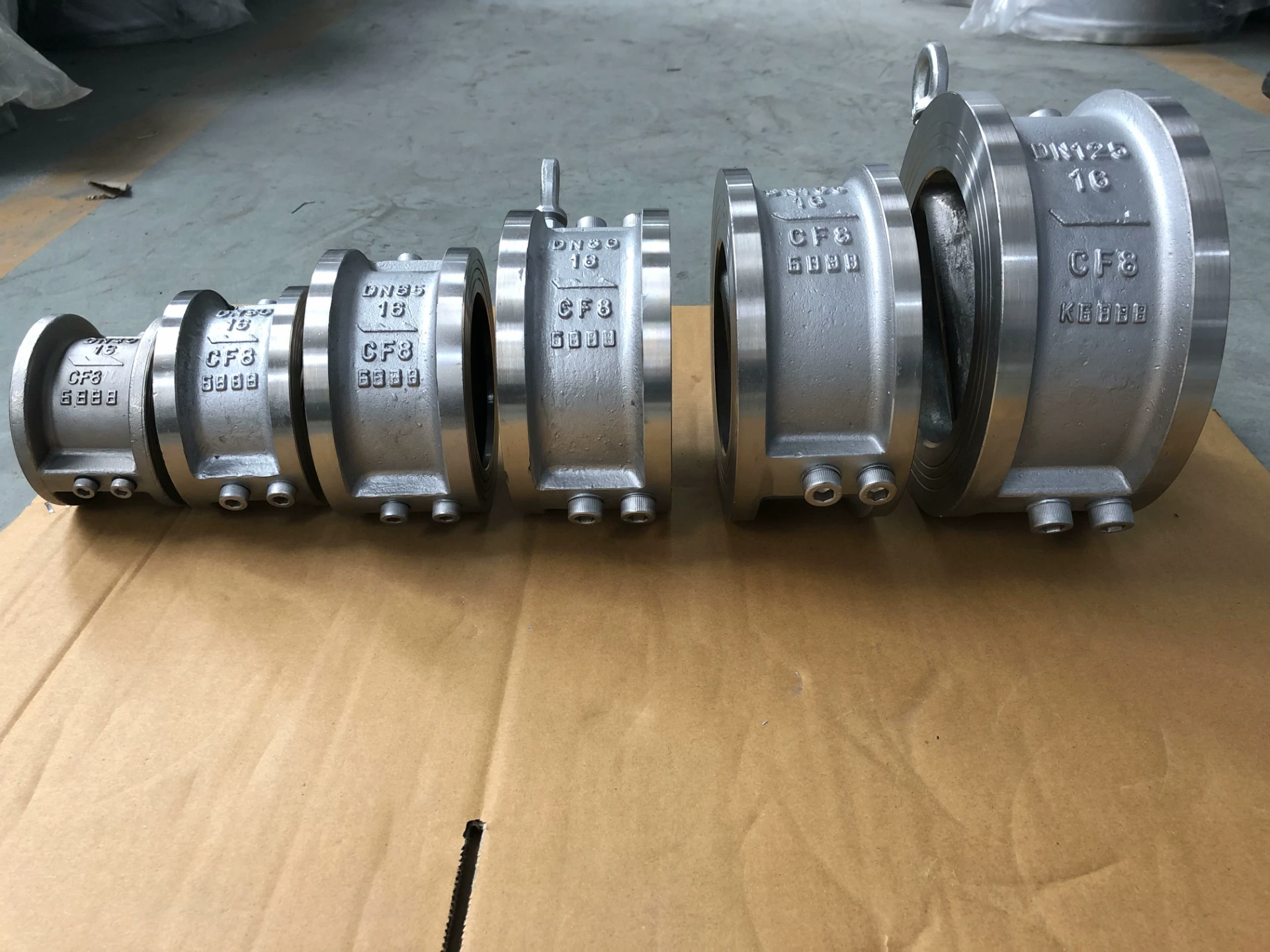
Performance & Engineering
The performance of a stainless steel needle valve is dictated by several engineering factors. Firstly, the flow coefficient (Cv) determines the valve’s capacity to pass a specific flow rate at a given pressure drop. Cv is dependent on the needle’s port area and the valve’s internal geometry. Secondly, pressure-temperature ratings are crucial, specifying the maximum allowable working pressure at a given temperature. These ratings are determined by Finite Element Analysis (FEA) to ensure structural integrity. Thirdly, environmental resistance is paramount, particularly in corrosive environments. Material selection, as previously discussed, is critical, but also the valve’s body seal design to prevent ingress of corrosive fluids. Compliance with industry standards (detailed in the footer) is essential. For example, NACE MR0175/ISO 15156 specifies requirements for materials resistant to sour service in the oil and gas industry. The design must also account for thermal expansion and contraction to prevent distortion and leakage. Force analysis is performed to calculate the actuator force required to fully close the valve against maximum operating pressure. Actuator selection (manual, pneumatic, or electric) is based on this force calculation and the desired level of automation. The choice of seat material impacts the valve’s sealing performance and its compatibility with the process fluid. PTFE seats offer excellent chemical resistance but limited temperature range, while PEEK offers higher temperature resistance but lower chemical resistance.
Technical Specifications
| Parameter | Unit | 316 Stainless Steel – Standard Port | 316L Stainless Steel – Reduced Port |
|---|---|---|---|
| Maximum Working Pressure | psi | 5000 | 7500 |
| Temperature Range | °F | -60 to 450 | -60 to 500 |
| Cv (Water at 70°F) | - | 0.5 - 5.0 (depending on size) | 0.2 - 3.0 (depending on size) |
| Body Material | - | 316 Stainless Steel | 316L Stainless Steel |
| Seat Material | - | PTFE | PEEK |
| Connection Type | - | NPT, BSPT, Socket Weld, Butt Weld | NPT, BSPT, Socket Weld, Butt Weld |
Failure Mode & Maintenance
Common failure modes in stainless steel needle valves include seat erosion, stem packing leakage, corrosion, and fatigue cracking. Seat erosion occurs due to high-velocity flow containing abrasive particles. This leads to increased leakage and reduced flow control accuracy. Stem packing leakage results from degradation of the packing material due to temperature, pressure, or chemical attack. Corrosion, particularly pitting corrosion in chloride environments, can compromise the valve body’s structural integrity. Fatigue cracking can occur in the valve stem or body due to cyclical loading. Maintenance involves regular inspection of the stem packing for leakage and replacement as needed. Periodic cleaning of the valve body and internal components is also crucial to remove debris and prevent corrosion. For applications involving abrasive fluids, consider installing a strainer upstream of the valve. Seat replacement is necessary when erosion or damage occurs. To mitigate corrosion, ensure proper material selection based on the process fluid and consider applying protective coatings. Regular torque checks on the stem packing gland are essential to maintain a tight seal. A preventive maintenance schedule, including hydrostatic testing and visual inspection, should be implemented to identify and address potential problems before they lead to catastrophic failure. Failure Analysis of returned valves should be conducted to identify root causes and implement corrective actions.
Industry FAQ
Q: What are the key differences between 316 and 316L stainless steel for needle valve applications?
A: The primary difference lies in carbon content. 316L has a lower carbon content (<0.03%) compared to 316. This reduced carbon content minimizes carbide precipitation during welding, enhancing resistance to intergranular corrosion, particularly in welded joints. Therefore, 316L is preferred for applications involving welding or exposure to corrosive environments where sensitization is a concern.
Q: How does the choice of seat material impact the valve’s performance in high-temperature applications?
A: PTFE seats have a limited temperature range, typically up to 450°F. Beyond this temperature, PTFE begins to degrade, leading to leakage and reduced sealing performance. PEEK seats offer superior high-temperature resistance, capable of operating up to 500°F or higher. However, PEEK has lower chemical resistance compared to PTFE.
Q: What is the significance of the Cv value when selecting a needle valve?
A: The Cv value indicates the valve’s capacity to pass a specific flow rate at a given pressure drop. A higher Cv value means the valve can handle a larger flow rate with a smaller pressure drop. Selecting a valve with an appropriate Cv value is critical to ensure adequate flow control and minimize energy consumption.
Q: What are common causes of needle valve leakage and how can they be addressed?
A: Common causes include seat erosion, stem packing leakage, and corrosion. Seat erosion can be addressed by installing a strainer upstream, while stem packing leakage requires packing replacement. Corrosion necessitates material selection appropriate for the process fluid. Regular inspection and maintenance are crucial for preventing leakage.
Q: How do industry standards like NACE MR0175/ISO 15156 influence the selection of materials for needle valves used in sour service?
A: NACE MR0175/ISO 15156 specifies the acceptable materials for components used in sour service environments (containing H2S). These standards mandate the use of materials with sufficient resistance to sulfide stress cracking (SSC). Selecting materials compliant with these standards is crucial to ensure the valve’s integrity and prevent catastrophic failure in sour service applications.
Conclusion
China-manufactured stainless steel needle valves represent a critical component in various industrial fluid control systems. Their performance hinges on careful material selection – prioritizing 316/316L stainless steel for corrosion resistance – and precise manufacturing processes ensuring tight tolerances and smooth sealing surfaces. Understanding the interplay between Cv values, pressure-temperature ratings, and environmental resistance is paramount for effective application.
Proactive maintenance, including regular inspection, seat replacement, and stem packing maintenance, is essential to mitigate common failure modes such as erosion, leakage, and corrosion. Adherence to relevant international standards, like those outlined below, guarantees reliability and safety. Continued advancements in material science and manufacturing techniques will further enhance the performance and longevity of these vital industrial components.
-
Top Reasons to Choose a Stainless Steel Flange Check Valve for Industrial Applications
-
flange 8 inch Performance Analysis
-
Ring Flange Performance Analysis
-
3 inch split flange Performance Analysis
-
Tongue and groove flange Performance Analysis
-
Grooved Flange Performance Analysis
-
o ring flange Performance Analysis
-
Ring Flanges Performance Analysis
-
Groove Flange Performance Analysis
-
Tongue and groove flanges Performance Analysis
-
12 inch flange Performance Analysis
-
Header Exhaust Flange Material Science
-
Header Exhaust Flanges Performance Analysis
-
Spacer Ring Flanges Material Science Manufacturing
-
tee flange Performance Analysis
 Afrikaans
 Albanian
 Amharic
 Arabic
 Armenian
 Azerbaijani
 Basque
 Belarusian
 Bengali
 Bosnian
 Bulgarian
 Catalan
 Cebuano
 Corsican
 Croatian
 Czech
Czech
 Danish
 Dutch
Dutch
 Esperanto
 Estonian
 Finnish
 French
 Frisian
 Galician
 Georgian
 German
 Greek
Greek
 Gujarati
 Haitian Creole
 Hausa
Hawaiian
Hausa
Hawaiian
 Hebrew
 Hindi
Hindi
 Miao
Miao
 Hungarian
 Icelandic
 Igbo
Igbo
 Indonesian
 Irish
Irish
 Italian
 Japanese
 Javanese
Kannada
Javanese
Kannada
 Kazakh
 Khmer
Khmer
 Rwandese
 Korean
 Kurdish
 Kyrgyz
 Lao
Lao
 Latin
Latin
 Latvian
 Lithuanian
 Luxembourgish
 Macedonian
 Malgashi
 Malay
Malay
 Malayalam
 Maltese
 Maori
Maori
 Marathi
 Mongolian
 Myanmar
 Nepali
 Norwegian
 Norwegian
 Occitan
 Pashto
 Persian
 Polish
 Portuguese
Punjabi
Portuguese
Punjabi
 Romanian
 Russian
 Samoan
 Scottish Gaelic
 Serbian
 Sesotho
 Shona
Shona
 Sindhi
 Sinhala
 Slovak
 Slovenian
 Somali
 Spanish
 Sundanese
 Swahili
 Swedish
Tagalog
Swedish
Tagalog
 Tajik
Tajik
 Tamil
Tamil
 Tatar
Tatar
 Telugu
 Thai
Thai
 Turkish
 Turkmen
 Ukrainian
 Urdu
Urdu
 Uighur
 Uzbek
Uzbek
 Vietnamese
 Welsh
Welsh
 Bantu
Bantu
 Yiddish
 Yoruba
 Zulu
Zulu
 English