




flanged needle valves Performance Analysis
Introduction
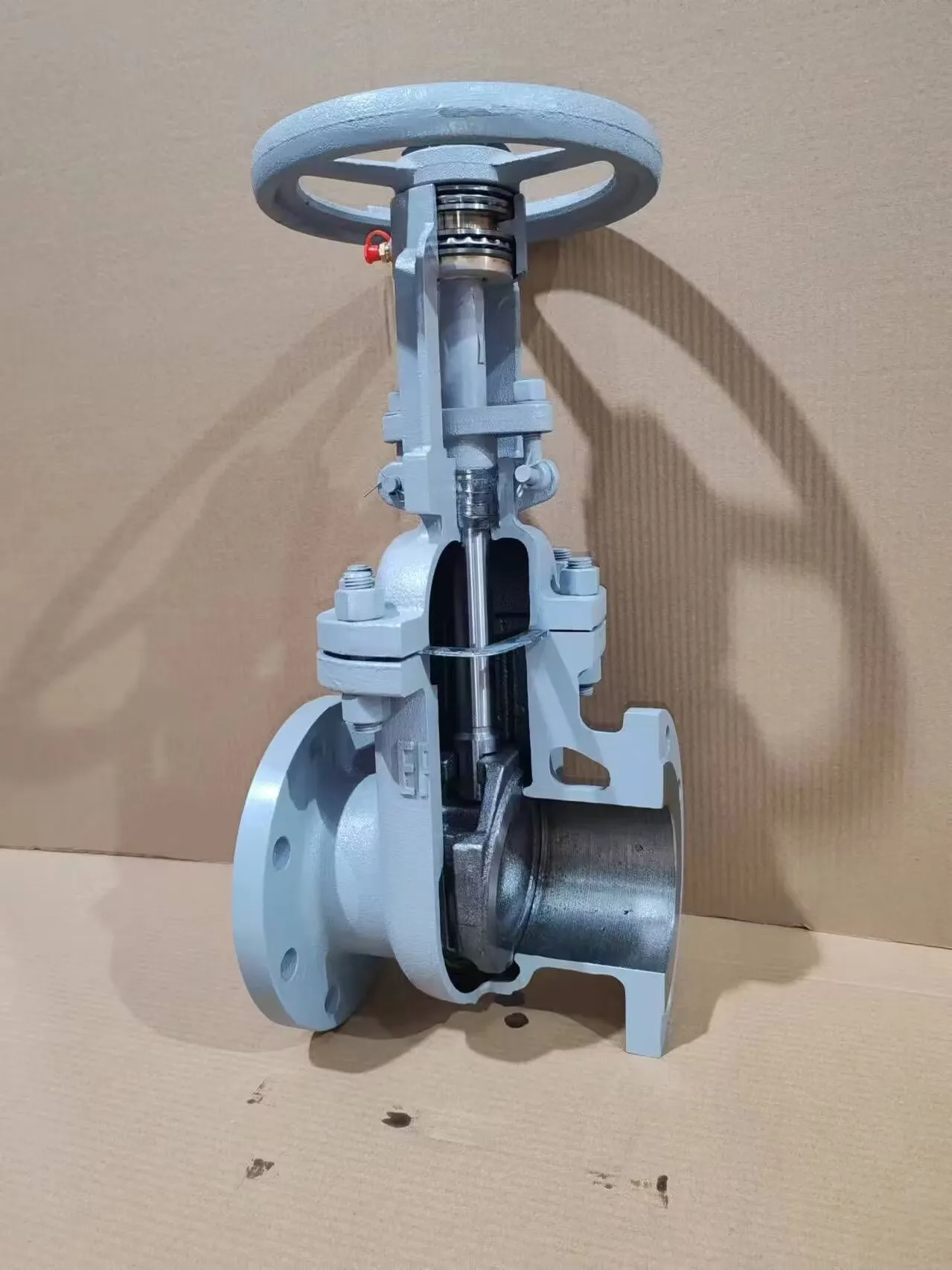
Flanged needle valves are precision flow control devices utilized extensively across process industries, including chemical processing, oil & gas, power generation, and pharmaceutical manufacturing. Positioned within the broader valve family – alongside gate, globe, ball, and butterfly valves – needle valves distinguish themselves through their capability for precise, repeatable flow regulation, particularly in low to moderate flow rate applications. Characterized by a long, tapered needle-shaped closure member that mates with a corresponding orifice, these valves excel in throttling services where fine adjustments are critical. The 'flanged' connection denotes a bolted connection to the process piping, offering robust sealing and mechanical strength suitable for high-pressure and high-temperature systems. Core performance characteristics center around their Cv (flow coefficient) value, shut-off class (typically Class VI for bubble-tight sealing), and resistance to the corrosive effects of the process fluid. This guide provides an in-depth exploration of their materials, manufacturing, performance characteristics, failure modes, and relevant industry standards.
Material Science & Manufacturing
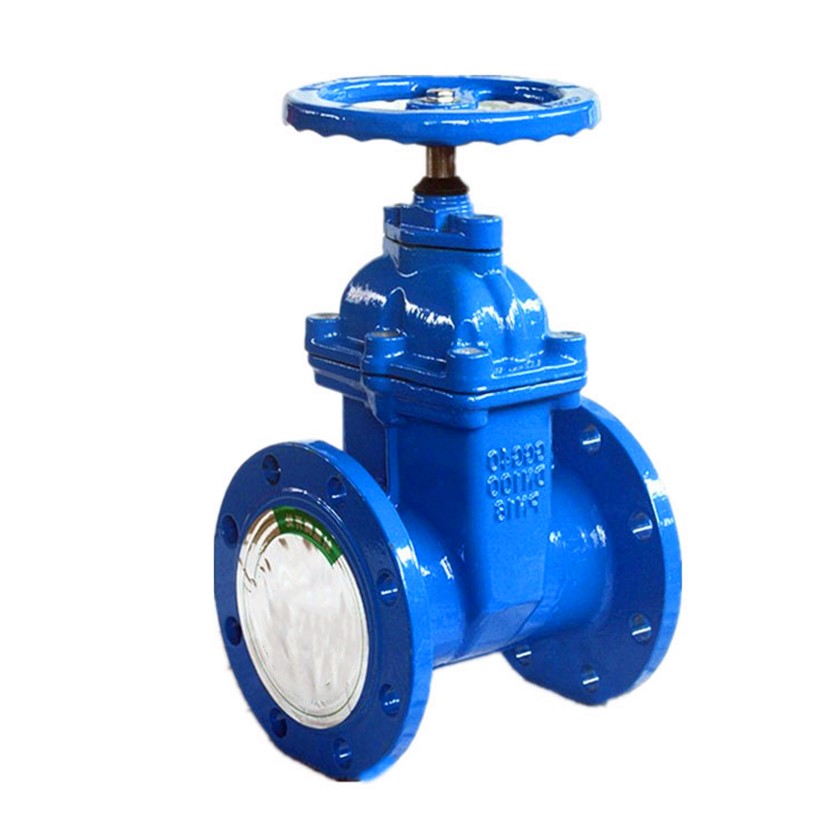
The construction of flanged needle valves necessitates a carefully selected range of materials to ensure compatibility with process fluids and withstand operating conditions. Common body materials include 304/316 stainless steel (ASTM A351 Grade CF8/CF8M), carbon steel (ASTM A105), and alloy steels (e.g., Alloy 20). The choice hinges on the corrosive nature of the fluid; stainless steels provide superior resistance to many aggressive chemicals, while carbon steel is often used in less demanding applications. The needle and seat, critical for sealing performance, are frequently manufactured from hardened alloys like 17-4 PH stainless steel or Stellite alloys, providing wear resistance and tight shut-off capabilities. Stem materials typically mirror body material selection. Manufacturing processes vary based on valve size and complexity. Smaller valves are often produced via investment casting, providing intricate shapes and high dimensional accuracy. Larger valves commonly utilize forging followed by machining. The needle is meticulously ground and lapped to achieve a smooth, consistent taper, ensuring bubble-tight sealing. Flange faces are machined according to ASME B16.5 standards (raised face, flat face, ring type joint). Welding procedures (AWS D1.1) are rigorously controlled to maintain structural integrity and prevent porosity, particularly when joining dissimilar metals. Post-weld heat treatment (PWHT) is often employed to relieve residual stresses and enhance corrosion resistance. Critical parameter control during manufacturing includes dimensional tolerances for the needle and seat, surface finish on sealing surfaces (Ra < 0.4 μm), and the hardness of wear components (HRC 60-65).
Performance & Engineering
The performance of flanged needle valves is governed by fundamental fluid dynamics principles. Flow through a needle valve is characterized by a pressure drop proportional to the square of the flow rate. The Cv (flow coefficient) – a measure of the valve's flow capacity – is a crucial engineering parameter, enabling precise flow rate calculation using the equation Q = Cv√(ΔP/SG), where Q is the flow rate, ΔP is the pressure drop, and SG is the specific gravity of the fluid. Force analysis is vital in designing the stem and packing gland to withstand the forces generated by process pressure and fluid flow. Environmental resistance is a key consideration; materials must be selected to prevent corrosion, erosion, and cavitation. Cavitation, a destructive phenomenon caused by vapor bubble implosion, can occur at high flow rates and pressure drops, leading to pitting and erosion of the valve internals. Proper valve sizing and flow control are critical to mitigating cavitation risk. Compliance requirements are stringent, particularly in industries like pharmaceuticals and food processing. Valves must conform to standards like FDA 21 CFR Part 11 (traceability and data integrity) and sanitary standards (3-A Sanitary Standards). Functional implementation involves selecting appropriate actuation methods – manual handwheel, pneumatic actuator, or electric actuator – based on the application’s automation needs and safety requirements. Packing materials, such as PTFE or graphite, must provide effective sealing while minimizing friction and preventing leakage.
Technical Specifications
| Parameter | Unit | Specification Range | Typical Application |
|---|---|---|---|
| Valve Size (DN) | mm | 15 – 300 | Process piping, instrumentation |
| Pressure Rating (PN) | bar | 6 – 420 | High-pressure systems, chemical processing |
| Temperature Range | °C | -196 – 425 | Cryogenic to high-temperature applications |
| Cv (Flow Coefficient) | m³/h | 0.01 – 10 | Precise flow control, throttling services |
| Shut-off Class | - | Class VI (Bubble-Tight) | Critical applications requiring zero leakage |
| Body Material | - | 304/316 SS, Carbon Steel, Alloy 20 | Fluid compatibility, corrosion resistance |
Failure Mode & Maintenance
Flanged needle valves, despite their robust design, are susceptible to several failure modes. Fatigue cracking can occur in the stem or body due to cyclic loading and thermal stresses, particularly in high-vibration environments. Delamination of the valve seat can lead to leakage and reduced shut-off performance, often caused by erosion from particulate matter in the fluid stream. Degradation of the packing material results in stem leakage, necessitating repacking or replacement. Oxidation of metallic components, particularly at elevated temperatures, can compromise material strength and corrosion resistance. Erosion is prevalent when handling abrasive fluids or slurries. A common failure analysis reveals that improper operation (over-tightening, forceful closure) accelerates wear and damage. Maintenance strategies involve regular inspection of the valve body, stem, seat, and packing gland. Periodic stem lubrication reduces friction and prevents galling. Packing gland adjustment ensures effective sealing. Backflushing the valve removes accumulated debris and prevents seat damage. For critical applications, non-destructive testing (NDT) methods like ultrasonic testing (UT) and radiographic testing (RT) can detect internal flaws and assess component integrity. Replacement of worn or damaged components is essential to maintain optimal performance and prevent catastrophic failure. Scheduled preventative maintenance, based on operating hours and fluid conditions, minimizes downtime and extends valve lifespan.
Industry FAQ
Q: What are the key considerations when selecting a needle valve for a highly corrosive fluid?
A: Material selection is paramount. 316 stainless steel offers good general corrosion resistance, but for particularly aggressive chemicals (e.g., hydrochloric acid, sulfuric acid), more specialized alloys like Alloy 20, Hastelloy, or even exotic materials like tantalum may be required. Verify the material’s compatibility with the fluid at the operating temperature and pressure using corrosion rate data and industry standards like NACE MR0175/ISO 15156.
Q: How does the Cv value affect the precision of flow control?
A: A lower Cv value generally corresponds to greater precision in flow control, particularly at low flow rates. However, a very low Cv value can also lead to excessive pressure drop and increased susceptibility to cavitation. The ideal Cv value depends on the specific application requirements and the desired flow rate range. Proper valve sizing, considering the anticipated flow conditions, is crucial.
Q: What is the impact of particulate matter on needle valve performance?
A: Particulate matter can cause erosion of the needle and seat, leading to leakage and reduced shut-off performance. It can also interfere with smooth operation and create sticking. Installing a strainer or filter upstream of the valve is essential to remove particulate matter and protect the valve internals.
Q: What are the advantages of a flanged connection over a threaded connection for needle valves?
A: Flanged connections offer superior mechanical strength and sealing reliability, particularly for high-pressure and high-temperature applications. They are less prone to leakage and can withstand greater stresses than threaded connections. Flanged connections also facilitate easier disassembly and maintenance.
Q: What are the typical maintenance intervals for flanged needle valves in a chemical processing plant?
A: Maintenance intervals depend on the severity of the service and the frequency of operation. As a general guideline, visual inspections should be conducted monthly, looking for signs of leakage or corrosion. Packing gland adjustments should be performed every 3-6 months. Complete valve overhauls, including seat replacement and stem lubrication, should be scheduled annually or bi-annually, based on operating conditions.
Conclusion
Flanged needle valves represent a critical component in precise fluid control systems across diverse industries. Their ability to deliver repeatable and accurate throttling, coupled with robust flanged connections, makes them indispensable in applications demanding tight shut-off and reliable performance. Understanding the intricacies of material selection, manufacturing processes, performance characteristics, and potential failure modes is paramount for optimizing valve lifespan and preventing costly downtime.
Looking ahead, advancements in materials science will likely lead to the development of even more corrosion-resistant and wear-resistant valve components, extending service life and reducing maintenance requirements. Integration with digital monitoring systems and predictive maintenance algorithms will further enhance operational efficiency and proactively identify potential issues before they escalate into failures. Adherence to rigorous industry standards and best practices remains critical for ensuring the safe and reliable operation of these vital control devices.
-
Top Reasons to Choose a Stainless Steel Flange Check Valve for Industrial Applications
-
flange 8 inch Performance Analysis
-
Ring Flange Performance Analysis
-
3 inch split flange Performance Analysis
-
Tongue and groove flange Performance Analysis
-
Grooved Flange Performance Analysis
-
o ring flange Performance Analysis
-
Ring Flanges Performance Analysis
-
Groove Flange Performance Analysis
-
Tongue and groove flanges Performance Analysis
-
12 inch flange Performance Analysis
-
Header Exhaust Flange Material Science
-
Header Exhaust Flanges Performance Analysis
-
Spacer Ring Flanges Material Science Manufacturing
-
tee flange Performance Analysis
 Afrikaans
 Albanian
 Amharic
 Arabic
 Armenian
 Azerbaijani
 Basque
 Belarusian
 Bengali
 Bosnian
 Bulgarian
 Catalan
 Cebuano
 Corsican
 Croatian
 Czech
Czech
 Danish
 Dutch
Dutch
 Esperanto
 Estonian
 Finnish
 French
 Frisian
 Galician
 Georgian
 German
 Greek
Greek
 Gujarati
 Haitian Creole
 Hausa
Hawaiian
Hausa
Hawaiian
 Hebrew
 Hindi
Hindi
 Miao
Miao
 Hungarian
 Icelandic
 Igbo
Igbo
 Indonesian
 Irish
Irish
 Italian
 Japanese
 Javanese
Kannada
Javanese
Kannada
 Kazakh
 Khmer
Khmer
 Rwandese
 Korean
 Kurdish
 Kyrgyz
 Lao
Lao
 Latin
Latin
 Latvian
 Lithuanian
 Luxembourgish
 Macedonian
 Malgashi
 Malay
Malay
 Malayalam
 Maltese
 Maori
Maori
 Marathi
 Mongolian
 Myanmar
 Nepali
 Norwegian
 Norwegian
 Occitan
 Pashto
 Persian
 Polish
 Portuguese
Punjabi
Portuguese
Punjabi
 Romanian
 Russian
 Samoan
 Scottish Gaelic
 Serbian
 Sesotho
 Shona
Shona
 Sindhi
 Sinhala
 Slovak
 Slovenian
 Somali
 Spanish
 Sundanese
 Swahili
 Swedish
Tagalog
Swedish
Tagalog
 Tajik
Tajik
 Tamil
Tamil
 Tatar
Tatar
 Telugu
 Thai
Thai
 Turkish
 Turkmen
 Ukrainian
 Urdu
Urdu
 Uighur
 Uzbek
Uzbek
 Vietnamese
 Welsh
Welsh
 Bantu
Bantu
 Yiddish
 Yoruba
 Zulu
Zulu
 English