




hydraulic globe valve Performance Engineering

Introduction
Hydraulic globe valves are a critical component in hydraulic systems, designed to regulate flow through precise throttling. Positioned within the broader fluid power industry, they function as essential control elements, dictating the rate and direction of hydraulic fluid. Unlike ball or gate valves, globe valves excel in applications requiring frequent adjustments and precise flow control, albeit at the cost of increased pressure drop. Their construction typically involves a disc and seat, allowing for modulating flow control. Core performance characteristics are defined by their flow coefficient (Cv), pressure rating, and sealing capability. Understanding these characteristics is paramount for selecting the appropriate globe valve for demanding industrial applications where accurate flow management is crucial. Common applications span heavy machinery, robotics, and process control systems where variable flow rates are essential for operational efficiency and safety.
Material Science & Manufacturing
The performance and longevity of hydraulic globe valves are directly tied to the materials used in their construction. Valve bodies are frequently manufactured from carbon steel (ASTM A105, A350) for general-purpose applications, providing robust mechanical strength. For corrosive environments or high-temperature applications, alloy steels like stainless steel (304, 316 – ASTM A276) are preferred due to their superior resistance to chemical attack and oxidation. Disc and seat materials typically consist of hardened alloys, such as 410 or 17-4 PH stainless steel, selected for their wear resistance and ability to maintain a tight seal under high pressure. The stem is commonly made of alloy steel, undergoing hardening and tempering processes to enhance durability.
Manufacturing processes vary depending on the valve's size and complexity. Smaller valves often utilize investment casting, yielding high dimensional accuracy and smooth surface finishes. Larger valves employ forging, followed by machining to achieve the required tolerances. Critical dimensions, such as the disc-to-seat contact area, are meticulously controlled using CNC machining. Welding is employed for joining components, adhering to standards like AWS D1.1 for structural welding. Post-welding, heat treatment processes (stress relieving, hardening) are implemented to mitigate residual stresses and enhance the weld's integrity. Non-destructive testing (NDT) methods, including liquid penetrant inspection (LPI) and radiographic testing (RT), are routinely employed to verify weld quality and identify potential flaws. Surface treatments, such as nitriding or hard chrome plating, are applied to stem surfaces to improve wear resistance and minimize friction. Parameter control during manufacturing, particularly heat treatment temperatures and durations, is crucial to attaining desired mechanical properties and preventing material degradation.
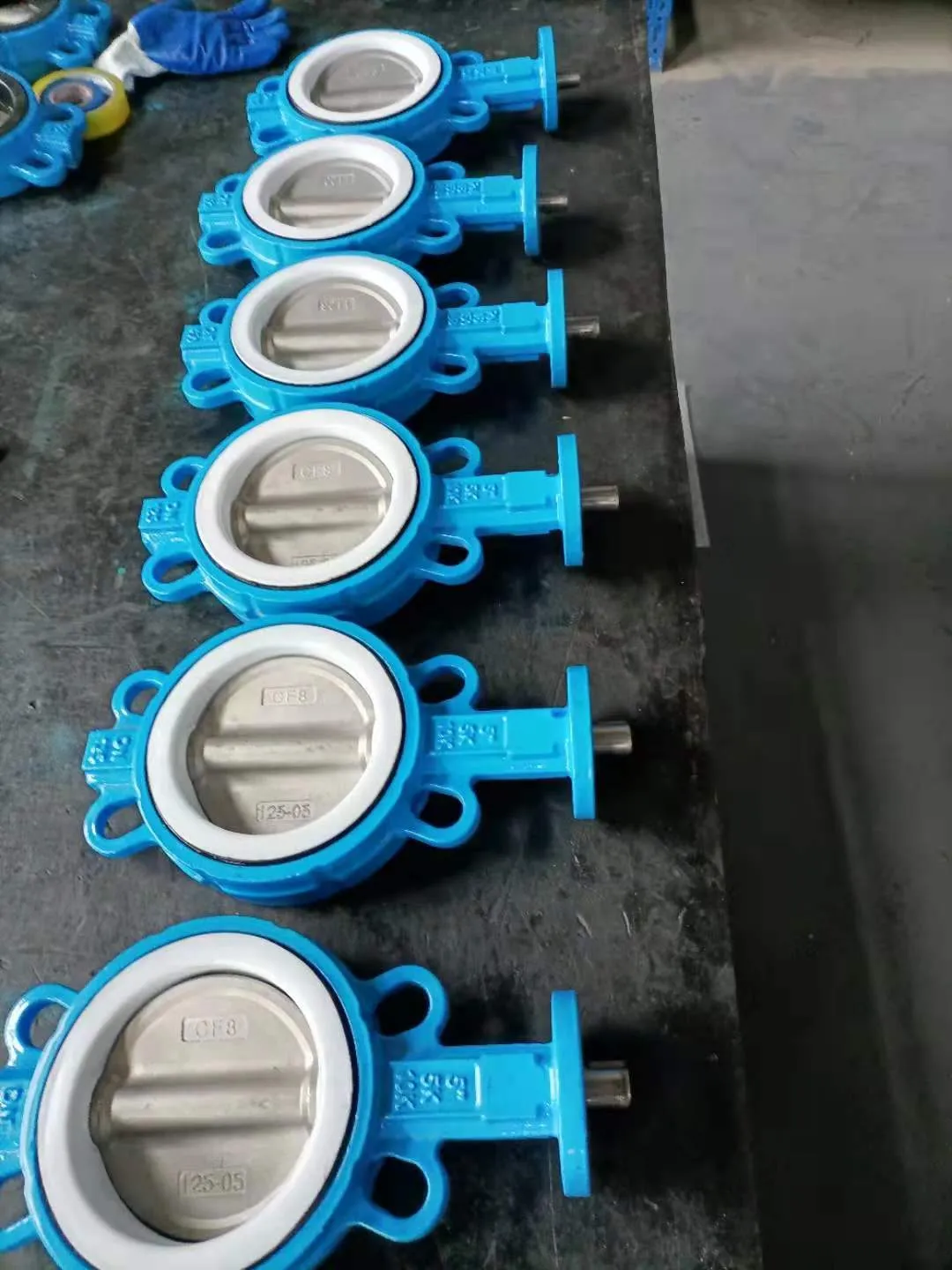
Performance & Engineering
The performance of a hydraulic globe valve is governed by a complex interplay of hydrodynamic forces and material properties. Flow analysis, often conducted using Computational Fluid Dynamics (CFD), reveals pressure drop characteristics and identifies potential cavitation zones. Cavitation, the formation and collapse of vapor bubbles, can cause significant erosion damage to the disc and seat. Engineering designs prioritize minimizing pressure drop while maintaining tight shut-off capabilities. The valve’s Kv (flow coefficient) is a crucial parameter, defining the volume of fluid that can pass through the valve at a specific pressure drop. Force analysis considers the impact of fluid pressure on the disc and stem, ensuring structural integrity under maximum operating conditions.
Environmental resistance is a key consideration. Exposure to corrosive fluids necessitates careful material selection and the application of protective coatings. Temperature variations can induce thermal expansion and contraction, potentially compromising sealing performance. Valves operating in extreme temperatures require specialized seals (e.g., Viton, PTFE) that maintain elasticity and sealing properties over a wide temperature range. Compliance requirements, such as those stipulated by API 6D (Specification for Valves) and ISO 10431 (Petroleum and natural gas industries – Downhole equipment – Subsurface safety valve), dictate stringent testing procedures to verify performance and safety. Functional implementation often involves integrating the valve with actuation systems (e.g., pneumatic, hydraulic, electric actuators) for remote control and automated operation. Careful consideration must be given to actuator sizing and control algorithms to ensure precise and responsive flow regulation.
Technical Specifications
| Parameter | Unit | Typical Value (Carbon Steel) | Typical Value (Stainless Steel) |
|---|---|---|---|
| Maximum Operating Pressure | MPa | 35 | 30 |
| Temperature Range | °C | -20 to 120 | -20 to 200 |
| Cv (Flow Coefficient) | m³/h | 2 - 100 | 1.5 - 80 |
| Connection Type | Flanged, Threaded, Welded | Flanged, Threaded | |
| Actuation Type | Pneumatic, Hydraulic, Electric | Pneumatic, Electric | |
| Leakage Rate (Closed) | ml/min | ≤ 0.1 | ≤ 0.05 |
Failure Mode & Maintenance
Hydraulic globe valves are susceptible to several failure modes. Fatigue cracking, particularly in the valve body and disc, can occur due to cyclical loading and high stresses. Erosion, caused by abrasive particles in the fluid, degrades the disc and seat, leading to leakage. Cavitation, as mentioned previously, causes pitting and erosion damage. Corrosion, especially in environments with corrosive fluids, weakens the valve's structural integrity. Seal degradation, resulting from temperature extremes or chemical incompatibility, leads to leakage. Stem packing failure results in external leakage around the stem.
Preventative maintenance is crucial to extending valve lifespan and preventing catastrophic failures. Regular inspection for signs of erosion, corrosion, and leakage is paramount. Periodic testing of the valve's shut-off capability and flow characteristics is recommended. Lubrication of the stem and actuator components minimizes friction and ensures smooth operation. Replacing worn seals and packing proactively prevents leakage. NDT methods, such as ultrasonic testing (UT), can detect internal cracks and flaws before they escalate. In the event of a failure, complete disassembly and inspection are required to identify the root cause. Replacement of damaged components should adhere to original equipment manufacturer (OEM) specifications. Proper storage conditions, protecting valves from moisture and contaminants, are essential when valves are not in service.
Industry FAQ
Q: What is the primary difference between a globe valve and a ball valve in hydraulic applications?
A: While both control flow, ball valves are typically used for on/off service, providing quick opening and closing with minimal pressure drop. Globe valves, on the other hand, are designed for throttling and precise flow control, but inherently create a higher pressure drop due to their internal geometry. Therefore, globe valves are preferable when accurate flow regulation is required, whereas ball valves suit applications needing fast, full-bore or fully-blocked flow.
Q: How does the material selection impact the lifespan of a globe valve in a seawater environment?
A: Seawater is highly corrosive. Carbon steel valves will corrode rapidly. Stainless steel alloys (specifically 316 or duplex stainless steels) are essential due to their superior corrosion resistance. However, even stainless steel can suffer from pitting corrosion. Specialized coatings like epoxy or PTFE linings may be necessary for extended lifespan. Regular inspection and cathodic protection should also be considered.
Q: What are the common causes of cavitation in hydraulic globe valves and how can they be mitigated?
A: Cavitation occurs when pressure drops below the vapor pressure of the fluid, forming vapor bubbles that collapse violently. This can be caused by excessive throttling, high fluid velocity, or restrictions in the flow path. Mitigation strategies include increasing valve size to reduce velocity, optimizing valve trim design to minimize pressure drop, and ensuring adequate inlet pressure.
Q: What is the significance of API 6D certification for hydraulic globe valves?
A: API 6D certification demonstrates that the valve has undergone rigorous testing and meets industry standards for design, manufacturing, and performance. This certification provides assurance of reliability, safety, and interchangeability of components, which is critical for large-scale hydraulic systems. Valves without API 6D certification may not meet required performance criteria.
Q: What maintenance procedures are recommended for globe valves equipped with pneumatic actuators?
A: Regular inspection of the actuator components, including the solenoid valves, air filters, and diaphragms, is crucial. Lubricate all moving parts as per the manufacturer’s recommendations. Check for air leaks in the actuator and pneumatic lines. Periodically test the actuator’s response time and accuracy. Ensure the actuator is properly aligned with the valve stem to avoid binding or excessive wear.
Conclusion
Hydraulic globe valves remain indispensable components in hydraulic systems demanding precise flow control. Their effectiveness is profoundly influenced by material selection, manufacturing precision, and diligent maintenance practices. Understanding the interplay between hydrodynamic forces, material properties, and operational parameters is paramount for optimal performance and longevity. Proper valve selection, based on application-specific requirements such as pressure, temperature, and fluid compatibility, is critical.
Future advancements in globe valve technology will likely focus on minimizing pressure drop through optimized designs, enhancing material resistance to corrosion and erosion, and integrating smart sensors for real-time performance monitoring and predictive maintenance. Furthermore, the adoption of additive manufacturing techniques could enable the creation of complex valve geometries with improved flow characteristics. Continued adherence to industry standards and best practices will remain essential for ensuring the safe and reliable operation of hydraulic systems.
-
Top Reasons to Choose a Stainless Steel Flange Check Valve for Industrial Applications
-
flange 8 inch Performance Analysis
-
Ring Flange Performance Analysis
-
3 inch split flange Performance Analysis
-
Tongue and groove flange Performance Analysis
-
Grooved Flange Performance Analysis
-
o ring flange Performance Analysis
-
Ring Flanges Performance Analysis
-
Groove Flange Performance Analysis
-
Tongue and groove flanges Performance Analysis
-
12 inch flange Performance Analysis
-
Header Exhaust Flange Material Science
-
Header Exhaust Flanges Performance Analysis
-
Spacer Ring Flanges Material Science Manufacturing
-
tee flange Performance Analysis
 Afrikaans
 Albanian
 Amharic
 Arabic
 Armenian
 Azerbaijani
 Basque
 Belarusian
 Bengali
 Bosnian
 Bulgarian
 Catalan
 Cebuano
 Corsican
 Croatian
 Czech
Czech
 Danish
 Dutch
Dutch
 Esperanto
 Estonian
 Finnish
 French
 Frisian
 Galician
 Georgian
 German
 Greek
Greek
 Gujarati
 Haitian Creole
 Hausa
Hawaiian
Hausa
Hawaiian
 Hebrew
 Hindi
Hindi
 Miao
Miao
 Hungarian
 Icelandic
 Igbo
Igbo
 Indonesian
 Irish
Irish
 Italian
 Japanese
 Javanese
Kannada
Javanese
Kannada
 Kazakh
 Khmer
Khmer
 Rwandese
 Korean
 Kurdish
 Kyrgyz
 Lao
Lao
 Latin
Latin
 Latvian
 Lithuanian
 Luxembourgish
 Macedonian
 Malgashi
 Malay
Malay
 Malayalam
 Maltese
 Maori
Maori
 Marathi
 Mongolian
 Myanmar
 Nepali
 Norwegian
 Norwegian
 Occitan
 Pashto
 Persian
 Polish
 Portuguese
Punjabi
Portuguese
Punjabi
 Romanian
 Russian
 Samoan
 Scottish Gaelic
 Serbian
 Sesotho
 Shona
Shona
 Sindhi
 Sinhala
 Slovak
 Slovenian
 Somali
 Spanish
 Sundanese
 Swahili
 Swedish
Tagalog
Swedish
Tagalog
 Tajik
Tajik
 Tamil
Tamil
 Tatar
Tatar
 Telugu
 Thai
Thai
 Turkish
 Turkmen
 Ukrainian
 Urdu
Urdu
 Uighur
 Uzbek
Uzbek
 Vietnamese
 Welsh
Welsh
 Bantu
Bantu
 Yiddish
 Yoruba
 Zulu
Zulu
 English