




needle valves stainless steel Performance Analysis
Introduction
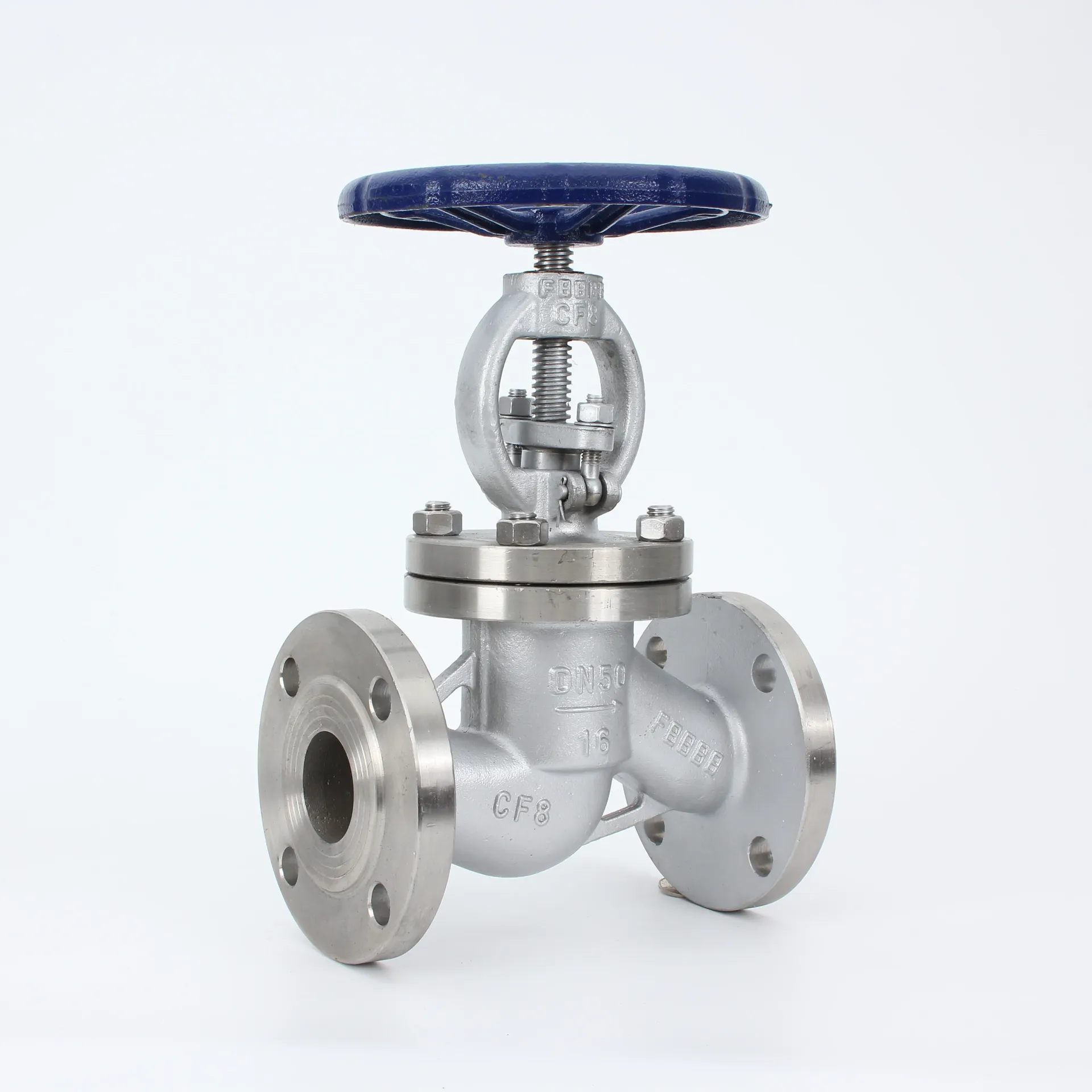
Needle valves, constructed from stainless steel alloys, are precision flow control devices integral to numerous industrial processes. Positioned within the fluid control infrastructure, these valves regulate flow rates with high accuracy, distinguishing themselves from simpler on/off valves. Their functionality relies on a tapered needle moving within a corresponding seat, enabling precise throttling. Stainless steel’s inherent corrosion resistance, mechanical strength, and temperature tolerance make it the material of choice across diverse applications, including chemical processing, oil and gas, pharmaceutical manufacturing, and instrumentation. Core performance characteristics include precise flow control, tight shut-off capability, and reliable operation in harsh environments. The selection of the appropriate stainless steel grade is paramount, directly influencing the valve’s longevity and compatibility with the conveyed fluid. This guide provides an in-depth technical overview of stainless steel needle valves, encompassing material science, manufacturing processes, performance considerations, failure analysis, and relevant industry standards.
Material Science & Manufacturing
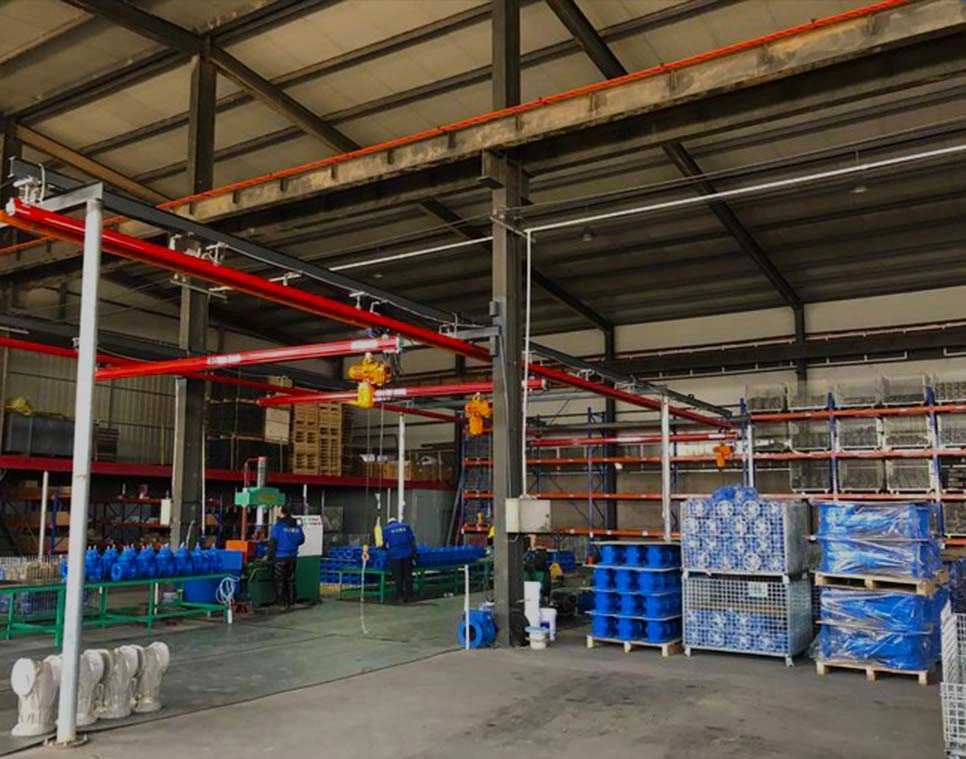
The predominant material for stainless steel needle valve bodies, stems, and seats is 316/316L stainless steel, favored for its exceptional corrosion resistance, particularly to chlorides. Other grades, such as 304/304L, are employed in less corrosive environments. The 'L' designation indicates low carbon content, minimizing carbide precipitation during welding and enhancing resistance to intergranular corrosion. Material properties crucial to valve performance include tensile strength (typically 500-700 MPa for 316/316L), yield strength (205-275 MPa), and hardness (typically Rockwell C 85-95). Manufacturing typically commences with bar stock, which undergoes machining processes including turning, milling, and drilling to form the valve body components. The needle and seat require particularly precise machining to ensure a leak-tight seal. Welding, utilizing techniques like Gas Tungsten Arc Welding (GTAW/TIG) or Plasma Arc Welding (PAW), is employed for assembling complex valve structures. Parameter control during welding is critical; heat input, shielding gas composition (typically Argon), and post-weld heat treatment are meticulously monitored to prevent weld decay and maintain corrosion resistance. Surface finishing, often involving electropolishing, enhances corrosion resistance and reduces friction between the needle and seat. Quality control at each stage – material certification, dimensional inspection (using CMM), non-destructive testing (NDT) such as dye penetrant inspection and radiographic testing – is vital to ensure compliance with stringent industry standards.
Performance & Engineering
Needle valve performance is governed by several engineering principles. Flow rate is directly proportional to the square of the needle’s opening and inversely proportional to the fluid viscosity. Cv (flow coefficient) values, typically ranging from 0.1 to 10, quantify the valve’s flow capacity. The valve's pressure-temperature rating, often specified according to ANSI/ASME standards, dictates the maximum allowable operating conditions. Force analysis focuses on the stem’s ability to withstand fluid pressure and external loads without deformation or failure. The stem packing – commonly PTFE or graphite-based materials – must effectively seal against leakage while minimizing friction. Environmental resistance is particularly crucial; stainless steel’s passivation layer provides inherent corrosion protection, but specific fluid compositions can necessitate specialized alloys (e.g., Alloy 20 for sulfuric acid). Compliance requirements vary by application. For example, valves used in pharmaceutical applications must adhere to 3A Sanitary Standards, while those used in hazardous locations require ATEX or IECEx certification. The seat design – typically a conical or tapered shape – dictates the valve's shut-off class, quantified by leakage rate in units of SCCM (Standard Cubic Centimeters per Minute). Finite Element Analysis (FEA) is frequently employed to optimize valve geometry and ensure structural integrity under extreme operating conditions.
Technical Specifications
| Parameter | Unit | 316 Stainless Steel | 304 Stainless Steel |
|---|---|---|---|
| Maximum Operating Pressure | psi | 5000 | 4000 |
| Temperature Range | °F | -40 to 650 | -40 to 500 |
| Cv Value (Typical) | - | 0.5 - 5 | 0.3 - 3 |
| Connection Type | - | NPT, BSPT, Socket Weld, Flanged | NPT, BSPT, Socket Weld, Flanged |
| Stem Packing Material | - | PTFE, Graphite | PTFE, Graphite |
| Shut-off Class | SCCM | Class VI (≤ 0.1) | Class V (≤ 1.0) |
Failure Mode & Maintenance
Common failure modes in stainless steel needle valves include seat erosion due to particulate matter in the fluid stream, stem packing leakage resulting from material degradation or improper tightening, and stem corrosion arising from incompatible fluid exposure. Fatigue cracking can occur in the stem under cyclic loading. Galvanic corrosion, while less common with all-stainless steel construction, can arise when dissimilar metals are present in the system. Oxidation at elevated temperatures can weaken the material. Delamination of the valve body, although rare in properly manufactured valves, can occur due to material defects. Maintenance typically involves periodic inspection of the stem packing, replacing it if leakage is observed. Regular cleaning to remove particulate buildup is crucial. Lubrication of the stem threads with a compatible lubricant (e.g., PTFE-based grease) reduces friction and prevents galling. Hydrostatic testing should be performed periodically to verify valve integrity. If corrosion is detected, the valve should be replaced. For valves exposed to aggressive media, periodic material testing (e.g., pitting corrosion tests) can assess the extent of degradation. Proper storage in a dry environment prevents corrosion during prolonged periods of inactivity. Replacement of worn seats and stems is recommended rather than attempting repairs that may compromise the valve’s sealing integrity.
Industry FAQ
Q: What is the primary advantage of using a 316L stainless steel needle valve over a carbon steel valve in a chemical processing application?
A: The primary advantage is significantly enhanced corrosion resistance. 316L stainless steel contains molybdenum, which imparts greater resistance to pitting and crevice corrosion, particularly in chloride-containing environments common in chemical processing. Carbon steel is susceptible to rapid corrosion in these conditions, leading to premature failure and potential process contamination.
Q: How does the Cv value influence the selection of a needle valve for a specific flow rate?
A: The Cv value dictates the valve's flow capacity. A higher Cv value indicates a greater flow rate for a given pressure drop. To select the appropriate valve, calculate the required Cv based on the desired flow rate, fluid properties, and pressure differential. Select a valve with a Cv value closest to the calculated requirement to optimize performance and control.
Q: What are the key considerations when selecting stem packing material for high-temperature applications?
A: The stem packing material must maintain its sealing properties at elevated temperatures without degradation or outgassing. PTFE is a common choice due to its high temperature resistance and low friction. However, for extremely high temperatures, graphite-based packing materials are often preferred. Consideration must also be given to the chemical compatibility of the packing material with the process fluid.
Q: What Non-Destructive Testing (NDT) methods are commonly used to ensure the quality of a stainless steel needle valve body?
A: Dye penetrant inspection (DPI) is frequently used to detect surface cracks and discontinuities. Radiographic testing (RT), or X-ray inspection, is employed to identify internal flaws such as porosity or inclusions. Ultrasonic testing (UT) can also be used for internal flaw detection. These methods verify the integrity of the valve body without causing damage.
Q: What is the significance of the shut-off class for a needle valve, and how is it measured?
A: The shut-off class indicates the valve’s ability to prevent leakage when fully closed. It’s measured by the leakage rate, typically expressed in Standard Cubic Centimeters per Minute (SCCM) of air or another specified gas. Lower SCCM values indicate tighter shut-off capability. Class VI valves (≤ 0.1 SCCM) offer the highest level of leak tightness.
Conclusion
Stainless steel needle valves represent a critical component in precise fluid control systems across a broad spectrum of industries. Their robust construction, corrosion resistance, and accurate throttling capabilities make them indispensable in demanding applications. Selecting the appropriate stainless steel grade, understanding the manufacturing processes, and adhering to stringent quality control measures are essential for ensuring reliable long-term performance.
Future advancements in needle valve technology will likely focus on enhanced materials – such as duplex stainless steels for even greater corrosion resistance – and the integration of smart valve features, including real-time monitoring of valve position and leakage detection. Continued refinement of manufacturing techniques, coupled with rigorous adherence to industry standards, will further solidify the role of stainless steel needle valves as the benchmark for precision fluid control.
-
Top Reasons to Choose a Stainless Steel Flange Check Valve for Industrial Applications
-
flange 8 inch Performance Analysis
-
Ring Flange Performance Analysis
-
3 inch split flange Performance Analysis
-
Tongue and groove flange Performance Analysis
-
Grooved Flange Performance Analysis
-
o ring flange Performance Analysis
-
Ring Flanges Performance Analysis
-
Groove Flange Performance Analysis
-
Tongue and groove flanges Performance Analysis
-
12 inch flange Performance Analysis
-
Header Exhaust Flange Material Science
-
Header Exhaust Flanges Performance Analysis
-
Spacer Ring Flanges Material Science Manufacturing
-
tee flange Performance Analysis
 Afrikaans
 Albanian
 Amharic
 Arabic
 Armenian
 Azerbaijani
 Basque
 Belarusian
 Bengali
 Bosnian
 Bulgarian
 Catalan
 Cebuano
 Corsican
 Croatian
 Czech
Czech
 Danish
 Dutch
Dutch
 Esperanto
 Estonian
 Finnish
 French
 Frisian
 Galician
 Georgian
 German
 Greek
Greek
 Gujarati
 Haitian Creole
 Hausa
Hawaiian
Hausa
Hawaiian
 Hebrew
 Hindi
Hindi
 Miao
Miao
 Hungarian
 Icelandic
 Igbo
Igbo
 Indonesian
 Irish
Irish
 Italian
 Japanese
 Javanese
Kannada
Javanese
Kannada
 Kazakh
 Khmer
Khmer
 Rwandese
 Korean
 Kurdish
 Kyrgyz
 Lao
Lao
 Latin
Latin
 Latvian
 Lithuanian
 Luxembourgish
 Macedonian
 Malgashi
 Malay
Malay
 Malayalam
 Maltese
 Maori
Maori
 Marathi
 Mongolian
 Myanmar
 Nepali
 Norwegian
 Norwegian
 Occitan
 Pashto
 Persian
 Polish
 Portuguese
Punjabi
Portuguese
Punjabi
 Romanian
 Russian
 Samoan
 Scottish Gaelic
 Serbian
 Sesotho
 Shona
Shona
 Sindhi
 Sinhala
 Slovak
 Slovenian
 Somali
 Spanish
 Sundanese
 Swahili
 Swedish
Tagalog
Swedish
Tagalog
 Tajik
Tajik
 Tamil
Tamil
 Tatar
Tatar
 Telugu
 Thai
Thai
 Turkish
 Turkmen
 Ukrainian
 Urdu
Urdu
 Uighur
 Uzbek
Uzbek
 Vietnamese
 Welsh
Welsh
 Bantu
Bantu
 Yiddish
 Yoruba
 Zulu
Zulu
 English