




16 inch gate valve Performance Analysis
Introduction
A 16-inch gate valve is a critical component in industrial fluid handling systems, primarily designed for on/off control rather than flow regulation. Positioned within the broader piping infrastructure, gate valves serve as isolation devices, enabling complete shutoff of fluid flow to facilitate maintenance, repairs, or process changes. Their prevalence stems from their relatively low flow resistance when fully open and their ability to handle high pressures and temperatures. Key performance indicators include leak tightness, operational torque, and the valve's ability to withstand cyclical operation. Core challenges within the industry revolve around achieving consistent sealing performance over extended periods, mitigating corrosion in aggressive media, and ensuring reliable operation under fluctuating pressure and temperature conditions. The selection of appropriate materials and adherence to stringent manufacturing standards are paramount to addressing these pain points.
Material Science & Manufacturing
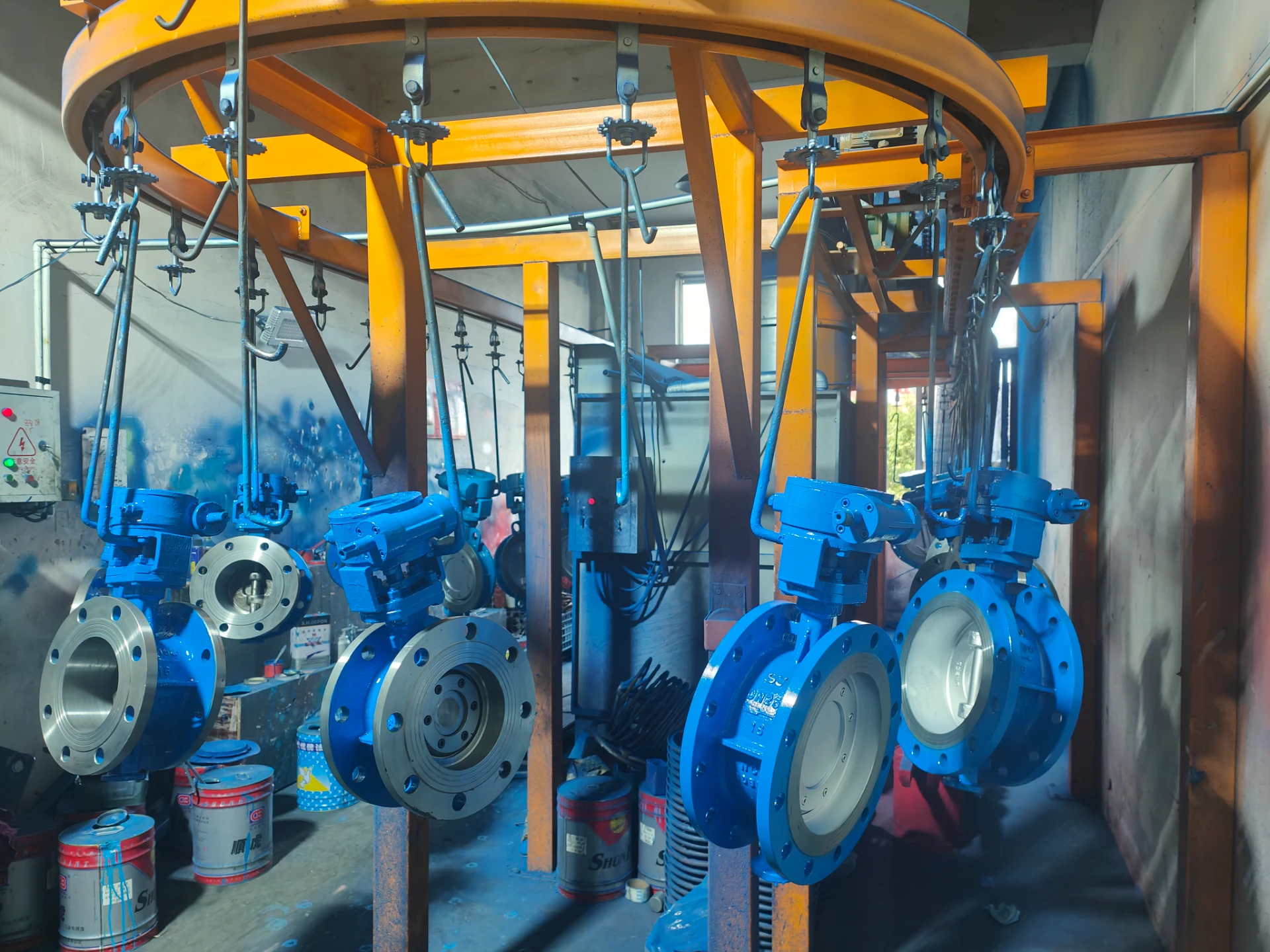
The body of a 16-inch gate valve is commonly constructed from carbon steel (ASTM A105), stainless steel (304, 316), or alloy steel (e.g., WCB – Welded Carbon Steel) depending on the fluid being handled and the operating conditions. Carbon steel provides good strength and cost-effectiveness for non-corrosive applications. Stainless steel offers superior corrosion resistance, critical for handling corrosive fluids like acids or seawater. Alloy steels are chosen for high-temperature, high-pressure applications. The gate itself is often made from materials like ductile iron, bronze, or stainless steel, with resilient seat materials (e.g., EPDM, PTFE) providing the primary sealing surface. Manufacturing typically involves casting the valve body, followed by machining to precise dimensions. The gate is fabricated separately and precisely fitted within the body. Welding is a crucial process, requiring qualified welders and adherence to standards like ASME Section IX to ensure structural integrity. Non-destructive testing (NDT) methods, including radiographic testing (RT), ultrasonic testing (UT), and liquid penetrant testing (PT), are used to verify weld quality and identify potential defects. Parameter control during heat treatment is essential to achieve the desired material hardness and tensile strength, preventing premature failure. Surface treatments, like epoxy coating, are frequently applied to the exterior to protect against external corrosion.
Performance & Engineering
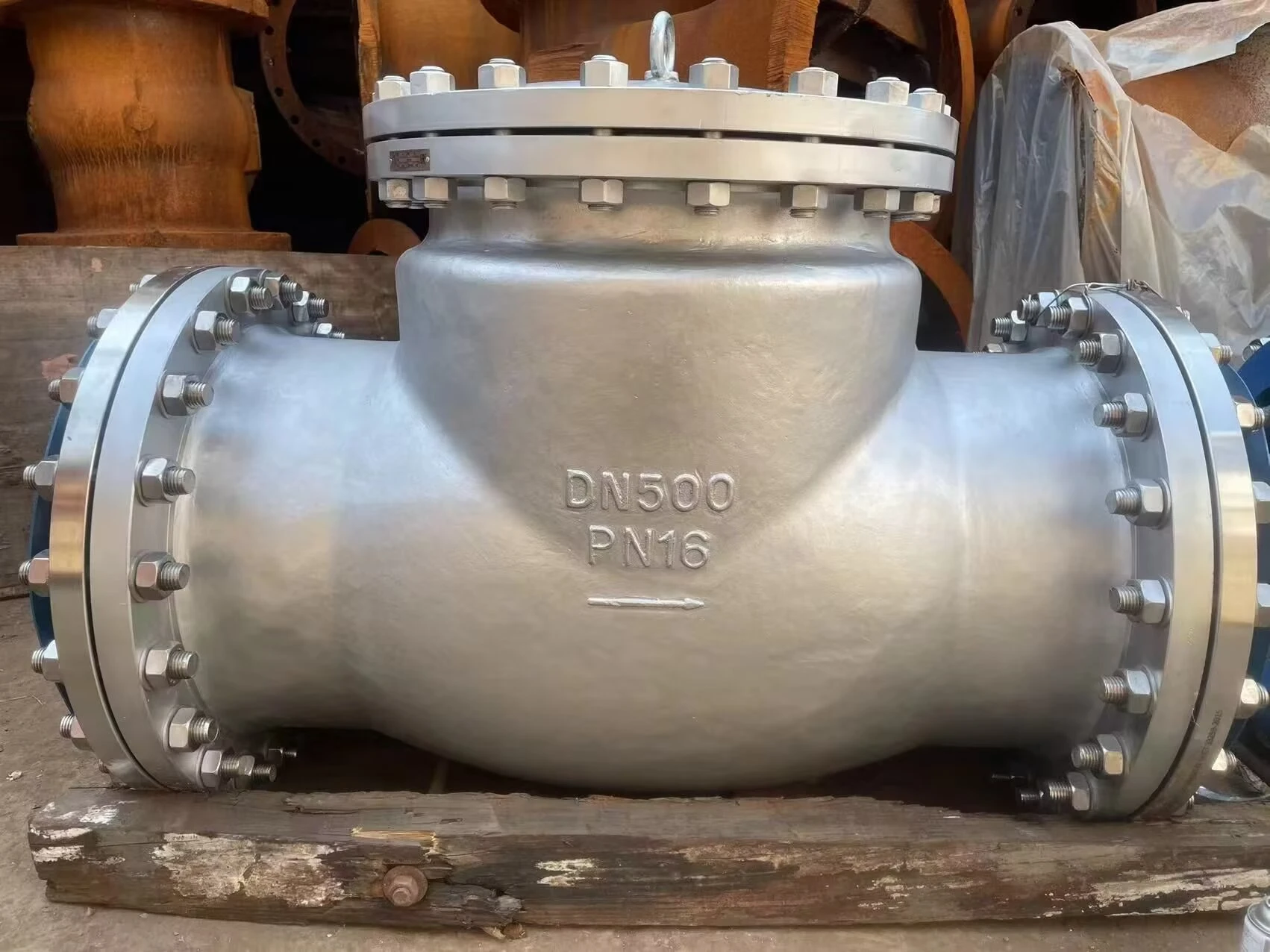
Gate valve performance is critically evaluated based on pressure-temperature ratings (ANSI/ASME B16.34), leak tightness (Fugitive Emission standards API 598), and flow coefficient (Cv). Force analysis is essential during design to determine the torque required for operation, considering factors like fluid pressure, gate size, and seat material. Environmental resistance involves evaluating material compatibility with the process fluid to prevent corrosion, erosion, and chemical attack. Compliance requirements vary based on the application; for example, valves used in oil & gas applications must adhere to API 6D and API 600 standards. Functional implementation hinges on the proper selection of actuator type (manual, pneumatic, hydraulic, electric) based on the required level of automation and control. The stem packing must provide a reliable seal to prevent leakage around the stem, employing materials like PTFE or graphite. Valve actuation speed and precision are crucial considerations in automated systems, requiring careful selection of control systems and actuators. The valve’s pressure drop when fully open needs to be minimized to reduce energy consumption and maintain optimal process efficiency.
Technical Specifications
| Parameter | Specification (Typical) | Testing Standard | Material |
|---|---|---|---|
| Nominal Size | 16 inches (DN400) | ASME B16.34 | Carbon Steel (A105) |
| Pressure Rating | 150 lb, 300 lb, 600 lb | ASME B16.34 | Varies based on rating |
| End Connection | Welded End, Flanged End (ANSI B16.5) | ASME B16.34 | Matching Body Material |
| Seat Material | EPDM, PTFE, NBR | API 598 | Resilient Polymer |
| Actuation Type | Manual (Handwheel), Pneumatic, Electric | Varies based on type | Valve Body and Actuator Components |
| Leakage Rate | Bubble-Tight (API 598) | API 598 | Seat and Gate Material |
Failure Mode & Maintenance
Common failure modes in 16-inch gate valves include seat erosion and damage (leading to leakage), gate sticking due to corrosion or debris accumulation, stem packing failure (causing fugitive emissions), and body cracking due to overpressure or fatigue. Fatigue cracking can occur in the valve body, particularly around weld joints, under cyclical loading. Delamination of the seat material can occur due to improper installation or exposure to incompatible fluids. Oxidation and corrosion, especially in carbon steel valves, can lead to pitting and eventual failure. Maintenance involves regular inspection of the seat, stem packing, and body for signs of wear or damage. Periodic lubrication of the stem and gate is critical to prevent sticking. Stem packing should be replaced when leakage is observed. Non-destructive testing (NDT) can be employed to assess the integrity of the valve body and weld joints. Preventative maintenance schedules should be established based on the operating conditions and fluid characteristics. In case of severe corrosion, complete valve replacement may be necessary. Proper cleaning of the valve before storage is crucial to prevent corrosion during periods of inactivity.
Industry FAQ
Q: What is the primary difference between a gate valve and a ball valve in a large-diameter application like 16 inches?
A: While both control flow, gate valves are designed for infrequent, full-bore on/off service, offering minimal pressure drop when fully open. Ball valves, conversely, can be used for both on/off and throttling applications and generally offer faster operation. In 16-inch sizes, gate valves are often preferred for applications where minimizing pressure drop and achieving bubble-tight shutoff are paramount, whereas ball valves are more suitable for frequent operation and flow regulation.
Q: How does the material selection impact the lifespan of a 16-inch gate valve in a seawater application?
A: Seawater is highly corrosive. Carbon steel will rapidly corrode. Stainless steel (316 or higher alloy content) or duplex stainless steel is essential. The choice hinges on chloride concentration, temperature, and flow velocity. Even with stainless steel, special coatings or cathodic protection may be necessary to maximize lifespan and prevent pitting corrosion.
Q: What are the key considerations when specifying a pneumatic actuator for a 16-inch gate valve?
A: Torque requirements are critical, determined by fluid pressure, valve size, and seat tightness. Actuator speed and precision must align with process control needs. Fail-safe design (fail-open or fail-close) should be specified based on safety requirements. Air supply quality (filtered and lubricated) is vital for actuator reliability. Environmental considerations (temperature, humidity) also influence actuator selection.
Q: What NDT methods are commonly used during the manufacturing and inspection of a large gate valve, and what defects do they detect?
A: Radiographic Testing (RT) detects internal flaws like porosity and inclusions in welds and castings. Ultrasonic Testing (UT) identifies subsurface defects and measures material thickness. Liquid Penetrant Testing (PT) reveals surface cracks and discontinuities. Magnetic Particle Testing (MT) detects surface and near-surface cracks in ferromagnetic materials. Visual inspection (VT) is used for initial assessment and to identify obvious defects.
Q: How important is valve packing in preventing fugitive emissions, and what are some common packing materials?
A: Valve packing is critically important for preventing fugitive emissions, especially with hazardous or environmentally sensitive fluids. Common packing materials include PTFE (Teflon), graphite, and flexible graphite. Packing effectiveness is influenced by proper installation, compression, and material compatibility with the process fluid and temperature.
Conclusion
The 16-inch gate valve remains a cornerstone of industrial fluid handling, offering a reliable and cost-effective solution for isolation duties. Its performance is fundamentally dictated by material selection, precise manufacturing processes, and adherence to rigorous industry standards. Understanding the potential failure modes – from corrosion and erosion to fatigue cracking – is paramount for implementing effective preventative maintenance strategies and ensuring long-term operational reliability.
Future trends will likely focus on advanced materials for enhanced corrosion resistance, improved sealing technologies to minimize leakage, and the integration of smart sensors for remote monitoring and predictive maintenance. Selecting the correct valve, based on a thorough understanding of process conditions and applicable standards, is critical for maximizing safety, efficiency, and overall system performance.
-
Top Reasons to Choose a Stainless Steel Flange Check Valve for Industrial Applications
-
flange 8 inch Performance Analysis
-
Ring Flange Performance Analysis
-
3 inch split flange Performance Analysis
-
Tongue and groove flange Performance Analysis
-
Grooved Flange Performance Analysis
-
o ring flange Performance Analysis
-
Ring Flanges Performance Analysis
-
Groove Flange Performance Analysis
-
Tongue and groove flanges Performance Analysis
-
12 inch flange Performance Analysis
-
Header Exhaust Flange Material Science
-
Header Exhaust Flanges Performance Analysis
-
Spacer Ring Flanges Material Science Manufacturing
-
tee flange Performance Analysis
 Afrikaans
 Albanian
 Amharic
 Arabic
 Armenian
 Azerbaijani
 Basque
 Belarusian
 Bengali
 Bosnian
 Bulgarian
 Catalan
 Cebuano
 Corsican
 Croatian
 Czech
Czech
 Danish
 Dutch
Dutch
 Esperanto
 Estonian
 Finnish
 French
 Frisian
 Galician
 Georgian
 German
 Greek
Greek
 Gujarati
 Haitian Creole
 Hausa
Hawaiian
Hausa
Hawaiian
 Hebrew
 Hindi
Hindi
 Miao
Miao
 Hungarian
 Icelandic
 Igbo
Igbo
 Indonesian
 Irish
Irish
 Italian
 Japanese
 Javanese
Kannada
Javanese
Kannada
 Kazakh
 Khmer
Khmer
 Rwandese
 Korean
 Kurdish
 Kyrgyz
 Lao
Lao
 Latin
Latin
 Latvian
 Lithuanian
 Luxembourgish
 Macedonian
 Malgashi
 Malay
Malay
 Malayalam
 Maltese
 Maori
Maori
 Marathi
 Mongolian
 Myanmar
 Nepali
 Norwegian
 Norwegian
 Occitan
 Pashto
 Persian
 Polish
 Portuguese
Punjabi
Portuguese
Punjabi
 Romanian
 Russian
 Samoan
 Scottish Gaelic
 Serbian
 Sesotho
 Shona
Shona
 Sindhi
 Sinhala
 Slovak
 Slovenian
 Somali
 Spanish
 Sundanese
 Swahili
 Swedish
Tagalog
Swedish
Tagalog
 Tajik
Tajik
 Tamil
Tamil
 Tatar
Tatar
 Telugu
 Thai
Thai
 Turkish
 Turkmen
 Ukrainian
 Urdu
Urdu
 Uighur
 Uzbek
Uzbek
 Vietnamese
 Welsh
Welsh
 Bantu
Bantu
 Yiddish
 Yoruba
 Zulu
Zulu
 English