




ansi globe valve Performance Engineering
Introduction
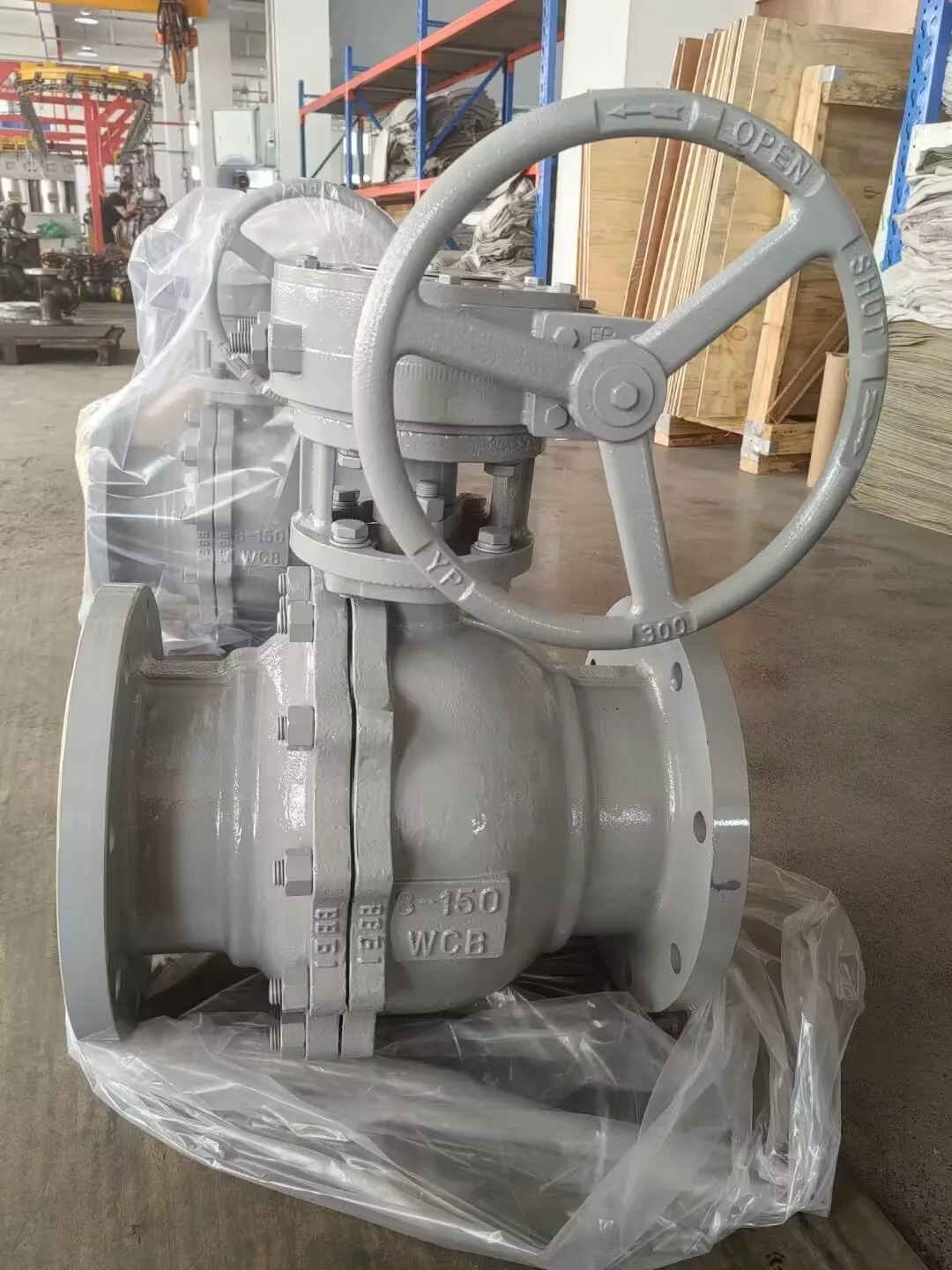
ANSI globe valves are quarter-turn valves characterized by a disc positioned within a spherical body. They are critical components in fluid flow regulation and isolation across a broad spectrum of industrial applications, including oil and gas, chemical processing, power generation, and water treatment. Distinct from gate valves, globe valves excel in throttling and flow control due to their design, offering precise manipulation of fluid passage. Their construction, adhering to American National Standards Institute (ANSI) standards, ensures interchangeability, reliability, and safety. Positioned within the broader valve industry, ANSI globe valves often serve as the preferred choice where frequent operation and precise flow regulation are paramount. Core performance metrics include flow coefficient (Cv), pressure drop, sealing capability, and operational torque.
Material Science & Manufacturing
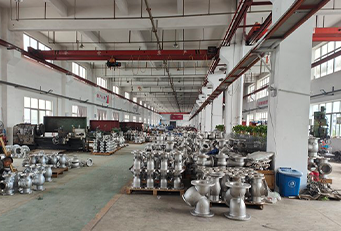
The body of an ANSI globe valve is frequently manufactured from carbon steel (ASTM A105), stainless steel (304/316 – ASTM A351), or alloy steel (A182 F304/F316) depending on the service fluid and operating conditions. Carbon steel provides robust mechanical strength at lower costs, while stainless steels offer superior corrosion resistance. Alloy steels are chosen for high-temperature and high-pressure applications. The internal disc is typically made from materials like PTFE, reinforced PTFE, or stainless steel, selected for their sealing properties and compatibility with the process fluid. Manufacturing processes include casting (for the body), forging (for high-pressure components), and machining (for critical dimensions). Welding procedures (AWS D1.1) are crucial for body and bonnet connections, requiring qualified welders and strict adherence to pre- and post-weld heat treatment specifications. Surface treatments, such as epoxy coating, are applied to external surfaces to enhance corrosion resistance. Key parameter control involves maintaining tight tolerances on bore diameter, disc flatness, and seat geometry to ensure optimal sealing and flow characteristics. Material traceability and non-destructive testing (NDT) methods – radiographic testing (RT), ultrasonic testing (UT), and liquid penetrant testing (PT) – are essential quality control steps.
Performance & Engineering
Performance of an ANSI globe valve is heavily dictated by its hydrodynamic characteristics. Force analysis focuses on the pressure exerted by the fluid on the disc and seat, calculating the required actuator torque to overcome this force and achieve valve operation. Flow coefficient (Cv) quantifies the valve’s ability to pass fluid, with higher Cv values indicating lower pressure drop. The valve’s sealing class (ANSI Class VI being the most common for tight shutoff) determines the permissible leakage rate. Environmental resistance considerations include temperature extremes, corrosive atmospheres, and potential for erosion. Compliance requirements are extensive, encompassing ASME Section VIII Div 1 (pressure vessel code), API 598 (valve inspection and testing), and PED (Pressure Equipment Directive) for European markets. Functional implementation relies on various actuator types – manual handwheels, pneumatic actuators, electric actuators, or hydraulic actuators – each selected based on process requirements for speed, force, and control precision. Valve trim design, encompassing disc shape and seat configuration, directly impacts flow characteristics and cavitation potential. Careful engineering analysis is required to prevent cavitation, which can cause significant damage to valve internals.
Technical Specifications
| Parameter | Unit | Typical Value (Carbon Steel) | Typical Value (Stainless Steel 316) |
|---|---|---|---|
| Maximum Allowable Working Pressure (MAWP) | psi | 900 | 800 |
| Temperature Range | °F | -20 to 450 | -20 to 650 |
| Cv (Flow Coefficient) - 1” Valve | gallons per minute per psi | 25 | 23 |
| Connection Type | - | Screwed, Flanged | Screwed, Flanged |
| Body Material | - | ASTM A105 | ASTM A351 CF8M |
| Seat Material | - | PTFE | PTFE |
Failure Mode & Maintenance
Common failure modes in ANSI globe valves include seat erosion due to high-velocity flow, disc damage from cavitation or erosion, stem packing leakage leading to fugitive emissions, and body gasket failure resulting in external leakage. Fatigue cracking can occur in the valve body or bonnet under cyclic loading. Corrosion, particularly in aggressive environments, can lead to pitting and material degradation. Failure analysis techniques include visual inspection, metallographic examination, and non-destructive testing to identify the root cause of failure. Preventative maintenance involves regular inspection of the valve’s internals, tightening of packing glands, lubrication of moving parts, and replacement of worn components. Periodic testing of the valve's sealing capability is crucial to ensure continued tight shutoff. For severe cases of erosion or corrosion, complete valve replacement may be necessary. Proper storage conditions (dry environment, protected from direct sunlight) are essential to prevent corrosion during periods of inactivity. Detailed maintenance records should be maintained to track valve performance and identify potential issues before they escalate.
Industry FAQ
Q: What are the key differences between a globe valve and a gate valve in terms of application?
A: Gate valves are ideal for on/off service where minimal pressure drop is required, while globe valves are superior for throttling and frequent operation due to their disc design and flow path. Gate valves shouldn't be used for throttling as it accelerates seat erosion.
Q: How does the material of construction impact the longevity of a globe valve in a corrosive environment?
A: Using corrosion-resistant materials like stainless steel (316) or alloy steel (A182 F316) is crucial. The choice depends on the specific corrosive agent. Proper material selection dramatically extends valve life and minimizes the risk of failure.
Q: What are the primary causes of cavitation in globe valves and how can they be mitigated?
A: Cavitation occurs due to a rapid pressure drop, forming vapor bubbles that collapse and damage valve internals. Mitigation involves optimizing valve trim design, increasing upstream pressure, and reducing flow velocity.
Q: What is the significance of the ANSI Class VI sealing standard?
A: ANSI Class VI represents the most stringent leakage rate standard for globe valves, ensuring virtually bubble-tight shutoff. This is crucial in applications where even minimal leakage is unacceptable.
Q: How often should the packing gland be tightened on a globe valve, and what are the consequences of improper packing maintenance?
A: Packing gland tightening frequency depends on operating conditions and service fluid. Regular inspection and tightening are essential to prevent stem leakage and fugitive emissions. Improper maintenance can lead to environmental hazards and reduced valve performance.
Conclusion
ANSI globe valves represent a critical component in numerous industrial processes, offering reliable flow regulation and isolation. Their performance is intricately linked to material selection, manufacturing precision, and adherence to stringent industry standards. Understanding the nuances of their operation, potential failure modes, and proper maintenance procedures is paramount for ensuring long-term reliability and safety.
Future advancements in globe valve technology focus on optimized trim designs to minimize pressure drop and cavitation, the incorporation of smart valve actuators with remote monitoring capabilities, and the development of advanced sealing materials for increased durability and reduced emissions. Continued refinement of these areas will solidify the globe valve's position as a cornerstone of fluid control systems.
-
Top Reasons to Choose a Stainless Steel Flange Check Valve for Industrial Applications
-
flange 8 inch Performance Analysis
-
Ring Flange Performance Analysis
-
3 inch split flange Performance Analysis
-
Tongue and groove flange Performance Analysis
-
Grooved Flange Performance Analysis
-
o ring flange Performance Analysis
-
Ring Flanges Performance Analysis
-
Groove Flange Performance Analysis
-
Tongue and groove flanges Performance Analysis
-
12 inch flange Performance Analysis
-
Header Exhaust Flange Material Science
-
Header Exhaust Flanges Performance Analysis
-
Spacer Ring Flanges Material Science Manufacturing
-
tee flange Performance Analysis
 Afrikaans
 Albanian
 Amharic
 Arabic
 Armenian
 Azerbaijani
 Basque
 Belarusian
 Bengali
 Bosnian
 Bulgarian
 Catalan
 Cebuano
 Corsican
 Croatian
 Czech
Czech
 Danish
 Dutch
Dutch
 Esperanto
 Estonian
 Finnish
 French
 Frisian
 Galician
 Georgian
 German
 Greek
Greek
 Gujarati
 Haitian Creole
 Hausa
Hawaiian
Hausa
Hawaiian
 Hebrew
 Hindi
Hindi
 Miao
Miao
 Hungarian
 Icelandic
 Igbo
Igbo
 Indonesian
 Irish
Irish
 Italian
 Japanese
 Javanese
Kannada
Javanese
Kannada
 Kazakh
 Khmer
Khmer
 Rwandese
 Korean
 Kurdish
 Kyrgyz
 Lao
Lao
 Latin
Latin
 Latvian
 Lithuanian
 Luxembourgish
 Macedonian
 Malgashi
 Malay
Malay
 Malayalam
 Maltese
 Maori
Maori
 Marathi
 Mongolian
 Myanmar
 Nepali
 Norwegian
 Norwegian
 Occitan
 Pashto
 Persian
 Polish
 Portuguese
Punjabi
Portuguese
Punjabi
 Romanian
 Russian
 Samoan
 Scottish Gaelic
 Serbian
 Sesotho
 Shona
Shona
 Sindhi
 Sinhala
 Slovak
 Slovenian
 Somali
 Spanish
 Sundanese
 Swahili
 Swedish
Tagalog
Swedish
Tagalog
 Tajik
Tajik
 Tamil
Tamil
 Tatar
Tatar
 Telugu
 Thai
Thai
 Turkish
 Turkmen
 Ukrainian
 Urdu
Urdu
 Uighur
 Uzbek
Uzbek
 Vietnamese
 Welsh
Welsh
 Bantu
Bantu
 Yiddish
 Yoruba
 Zulu
Zulu
 English