




centerline butterfly valve Performance Analysis
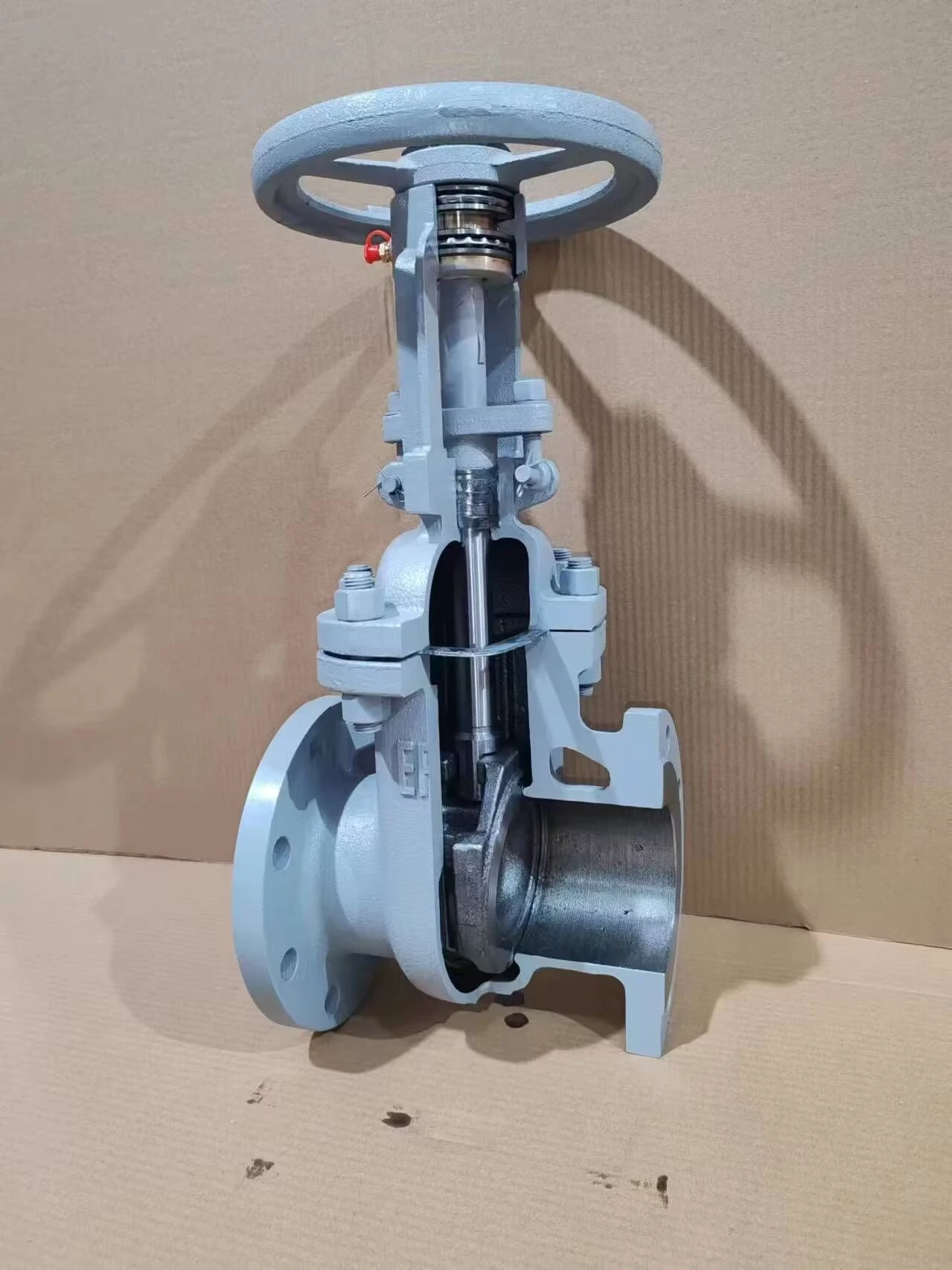
Introduction
The centerline butterfly valve is a quarter-turn rotational motion valve used to isolate or regulate flow. Positioned within the pipeline, the disc rotates perpendicular to the flow direction, providing modulation or on/off control. Its technical position within the fluid handling industry chain falls between simpler gate valves and more complex ball valves, offering a balance of cost, weight, and flow characteristics. Core performance metrics revolve around pressure drop, sealing capability (achieved through resilient or metal seating materials), and actuation speed. Critical to many industries, including water treatment, HVAC, fire protection, and chemical processing, centerline butterfly valves address the core need for reliable and responsive flow control. Common pain points in industrial applications include disc erosion in slurry services, seat degradation leading to leakage, and limitations in high-temperature, high-pressure environments. The design focuses on minimizing torque requirements by positioning the stem directly in line with the flow, distinguishing it from offset butterfly valves and allowing for greater control in larger diameter applications.
Material Science & Manufacturing
Centerline butterfly valves are constructed from a variety of materials selected based on fluid compatibility and operating conditions. Disc materials commonly include stainless steel (304, 316, 316L for corrosion resistance), carbon steel (for water and non-corrosive applications), and ductile iron (offering strength and cost-effectiveness). Seat materials vary from EPDM, PTFE, and Viton for resilient seating, providing tight shut-off at lower pressures, to metallic seats (stainless steel, alloy 20) for high-temperature and pressure services. The valve body is typically cast iron, ductile iron, or steel. Manufacturing begins with pattern or mold creation, followed by casting or forging of the body. Discs are typically machined from plate stock, requiring precise grinding and polishing to ensure smooth operation and sealing. Welding procedures, if employed for body construction, adhere to ASME Section IX standards, focusing on weld metallurgy and non-destructive testing (NDT) like radiographic and ultrasonic inspection. Critical parameter control includes maintaining dimensional tolerances during machining (disc thickness, seat geometry), ensuring proper heat treatment to achieve desired material properties (hardness, ductility), and applying protective coatings (epoxy, PTFE lining) to enhance corrosion resistance. Seat interference and disc centering are meticulously checked during assembly to guarantee leak-free operation. Furthermore, the stem-to-disc connection undergoes rigorous torque testing to prevent failure under operational loads.
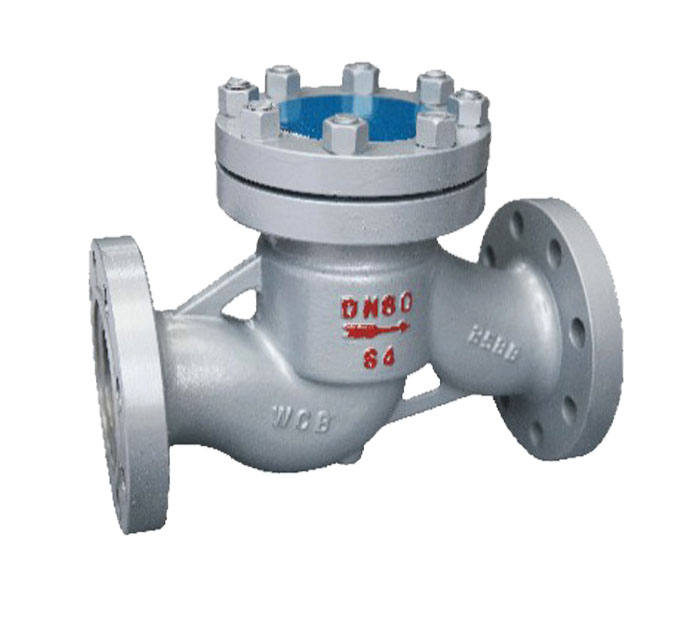
Performance & Engineering
Performance of a centerline butterfly valve is dictated by hydrodynamic principles and mechanical engineering considerations. Torque requirements are calculated based on fluid pressure, valve size, and disc geometry. A larger disc area and higher fluid pressure increase torque, necessitating a robust actuator. Environmental resistance is crucial; valves operating in corrosive environments require material selection to prevent galvanic corrosion and erosion. Compliance requirements depend on the application; potable water systems necessitate NSF/ANSI 61 certification, while hazardous material handling demands ATEX or IECEx compliance for explosion protection. Functional implementation relies on accurate stem positioning, achieved through manual gear operators, pneumatic actuators, or electric actuators. Force analysis considers the bending moment on the stem and disc, ensuring structural integrity under maximum differential pressure. The valve’s Cv (flow coefficient) value is a key performance indicator, directly influencing pressure drop across the valve. Flutter and cavitation are potential issues in high-velocity flow scenarios, mitigated by proper valve sizing and disc design. Furthermore, the valve’s resilience to water hammer is critical in pipeline systems; careful consideration of valve closure speed and actuator response time is essential to minimize pressure surges.
Technical Specifications
| Parameter | Units | Specification Range | Typical Application |
|---|---|---|---|
| Maximum Operating Pressure | PSI | Up to 500 | Industrial Water Systems |
| Operating Temperature | °F | -20 to 450 | Steam Distribution |
| Valve Size (DN) | mm | 50 to 3000 | Large Diameter Pipelines |
| Seat Leakage Class | (ANSI/FCI 70-2) | Class V (Bubble Tight) to VI | Critical Shut-Off Applications |
| Actuator Type | - | Manual, Pneumatic, Electric | Automated Control Systems |
| Body Material | - | Cast Iron, Ductile Iron, Stainless Steel | Corrosive Fluid Handling |
Failure Mode & Maintenance
Common failure modes in centerline butterfly valves include seat erosion/degradation (leading to leakage), disc corrosion/pitting, stem packing failure (causing leakage around the stem), actuator malfunction (loss of control), and cavitation damage (due to high fluid velocity). Fatigue cracking can occur in the disc due to cyclical loading, particularly in applications with frequent operation. Delamination of seat liners, especially with PTFE, can also lead to leakage. Oxidation of metal components in high-temperature environments reduces material strength and increases susceptibility to corrosion. Maintenance procedures include regular inspection of the seat for wear and tear, replacing the seat when necessary, lubricating the stem packing, and checking the actuator for proper function. Periodic testing of the valve’s shut-off capability is crucial. NDT methods, such as liquid penetrant inspection, can identify surface cracks in the disc. Preventive maintenance schedules should be established based on operating conditions and fluid properties. When replacing components, it is critical to use materials compatible with the original specifications to maintain performance and ensure longevity. Incorrect tightening of flange bolts can induce stress on the valve body, leading to distortion and leakage; torque wrenches should be used during reassembly.
Industry FAQ
Q: What are the key differences between a centerline butterfly valve and an offset butterfly valve?
A: The primary difference lies in stem design. Centerline valves have a stem that passes directly through the center of the disc, minimizing torque requirements, especially in larger sizes. Offset valves feature a stem that is offset from the flow path, creating a camming action that generates a tighter shut-off but requires higher actuation torque. Centerline designs are typically preferred for large-diameter, high-pressure applications, while offset designs are often used in smaller sizes where tight shut-off is paramount.
Q: How does the seat material affect the valve’s performance?
A: Seat material directly influences leakage rate, temperature range, and chemical compatibility. Resilient seats (EPDM, PTFE, Viton) provide excellent sealing at lower pressures and temperatures but may be limited in harsh chemical environments. Metallic seats offer higher temperature and pressure capabilities and are suitable for corrosive fluids, but generally exhibit slightly higher leakage rates.
Q: What is the significance of the Cv value in butterfly valve selection?
A: The Cv value represents the valve's flow capacity. A higher Cv indicates a greater flow rate for a given pressure drop. Correctly matching the valve's Cv to the system's flow requirements is critical to avoid excessive pressure drop, cavitation, and noise.
Q: What are the common causes of cavitation in butterfly valves, and how can they be prevented?
A: Cavitation occurs when the pressure drops below the vapor pressure of the fluid, forming bubbles that collapse violently, causing erosion damage. It’s primarily caused by excessive fluid velocity and improper valve sizing. Prevention methods include ensuring correct valve sizing, reducing flow velocity, and selecting a valve design that minimizes pressure drop.
Q: What are the typical maintenance requirements for pneumatic actuators on centerline butterfly valves?
A: Pneumatic actuators require regular inspection of air supply lines for leaks, lubrication of moving parts, and monitoring of air pressure. Filter regulators should be checked and cleaned regularly to ensure clean, dry air is supplied. Periodic testing of solenoid valves is also recommended to verify proper operation.
Conclusion
The centerline butterfly valve remains a critical component in fluid control systems across a diverse range of industries. Its combination of cost-effectiveness, reliability, and adaptability makes it a preferred choice for many applications. Understanding the interplay between material science, manufacturing processes, and performance parameters is essential for proper valve selection, installation, and maintenance.
Future trends will likely focus on the development of advanced materials for enhanced corrosion resistance and high-temperature performance, as well as the integration of smart technologies for remote monitoring and predictive maintenance. Optimized disc designs and actuator control systems will further improve efficiency and reduce operating costs, solidifying the centerline butterfly valve’s position as a leading fluid control solution.
-
Top Reasons to Choose a Stainless Steel Flange Check Valve for Industrial Applications
-
flange 8 inch Performance Analysis
-
Ring Flange Performance Analysis
-
3 inch split flange Performance Analysis
-
Tongue and groove flange Performance Analysis
-
Grooved Flange Performance Analysis
-
o ring flange Performance Analysis
-
Ring Flanges Performance Analysis
-
Groove Flange Performance Analysis
-
Tongue and groove flanges Performance Analysis
-
12 inch flange Performance Analysis
-
Header Exhaust Flange Material Science
-
Header Exhaust Flanges Performance Analysis
-
Spacer Ring Flanges Material Science Manufacturing
-
tee flange Performance Analysis
 Afrikaans
 Albanian
 Amharic
 Arabic
 Armenian
 Azerbaijani
 Basque
 Belarusian
 Bengali
 Bosnian
 Bulgarian
 Catalan
 Cebuano
 Corsican
 Croatian
 Czech
Czech
 Danish
 Dutch
Dutch
 Esperanto
 Estonian
 Finnish
 French
 Frisian
 Galician
 Georgian
 German
 Greek
Greek
 Gujarati
 Haitian Creole
 Hausa
Hawaiian
Hausa
Hawaiian
 Hebrew
 Hindi
Hindi
 Miao
Miao
 Hungarian
 Icelandic
 Igbo
Igbo
 Indonesian
 Irish
Irish
 Italian
 Japanese
 Javanese
Kannada
Javanese
Kannada
 Kazakh
 Khmer
Khmer
 Rwandese
 Korean
 Kurdish
 Kyrgyz
 Lao
Lao
 Latin
Latin
 Latvian
 Lithuanian
 Luxembourgish
 Macedonian
 Malgashi
 Malay
Malay
 Malayalam
 Maltese
 Maori
Maori
 Marathi
 Mongolian
 Myanmar
 Nepali
 Norwegian
 Norwegian
 Occitan
 Pashto
 Persian
 Polish
 Portuguese
Punjabi
Portuguese
Punjabi
 Romanian
 Russian
 Samoan
 Scottish Gaelic
 Serbian
 Sesotho
 Shona
Shona
 Sindhi
 Sinhala
 Slovak
 Slovenian
 Somali
 Spanish
 Sundanese
 Swahili
 Swedish
Tagalog
Swedish
Tagalog
 Tajik
Tajik
 Tamil
Tamil
 Tatar
Tatar
 Telugu
 Thai
Thai
 Turkish
 Turkmen
 Ukrainian
 Urdu
Urdu
 Uighur
 Uzbek
Uzbek
 Vietnamese
 Welsh
Welsh
 Bantu
Bantu
 Yiddish
 Yoruba
 Zulu
Zulu
 English