




control globe valve Performance Analysis
Introduction
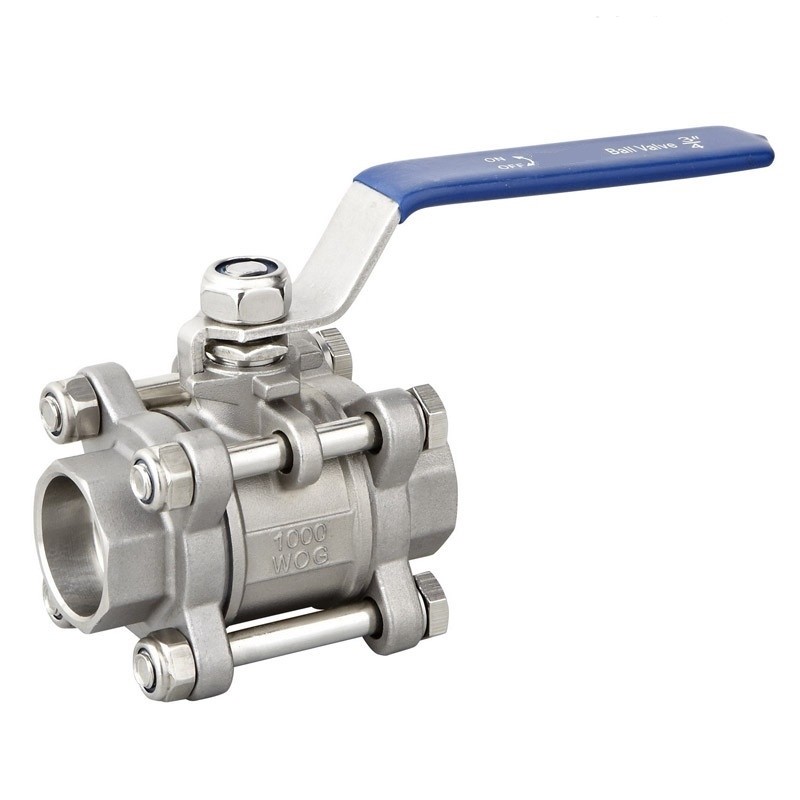
Control globe valves are a critical component in process control systems across numerous industries, including chemical processing, power generation, oil and gas refining, and water treatment. Functionally, they regulate flow by varying the size of the flow passage using a disc and seat arrangement. Unlike gate valves which are primarily for on/off service, globe valves are designed for throttling and precise flow control. Their positioning within the industry chain is as the final control element, responding to signals from control systems to maintain desired process parameters such as pressure, temperature, and flow rate. Core performance characteristics include accurate flow regulation, tight shut-off capabilities, durability under varying process conditions, and responsiveness to control signals. A key pain point in the industry is achieving consistent performance across a wide range of fluid viscosities and temperatures, alongside preventing erosion and cavitation damage. Material selection and precise machining are paramount to address these challenges.
Material Science & Manufacturing
The body of a control globe valve is commonly constructed from materials such as cast iron (ASTM A126 Class B), ductile iron (ASTM A536 65-45-12), carbon steel (ASTM A105), stainless steel (304, 316, 316L - ASTM A351), or alloy steels depending on the process fluid and operating conditions. Stainless steel offers superior corrosion resistance, crucial for handling aggressive chemicals and high-purity fluids. The disc and seat, responsible for the primary throttling action, utilize materials like PTFE (polytetrafluoroethylene), reinforced PTFE, hardened alloys (e.g., Stellite 6), or ceramic materials for abrasion resistance and tight sealing. The stem is typically made from stainless steel (410 or 304) for strength and corrosion resistance. Manufacturing processes vary based on valve size and material. Smaller valves often utilize investment casting for complex geometries, while larger valves rely on sand casting followed by extensive machining. Welding (SMAW, GTAW, or FCAW) is critical for joining body components and requires qualified welders adhering to ASME Section IX standards to ensure structural integrity. The disc-to-seat surface finish is critical, typically achieved through lapping or grinding to achieve leak-tight closure (ANSI/FCI 70-2). Parameter control during heat treatment (hardening, tempering) of steel components is vital to achieve the required hardness and ductility. Stem packing utilizes materials like graphite-based rings, PTFE packing, or braided asbestos-free fibers compressed with a packing gland, requiring precise compression to prevent leakage without excessive friction.
Performance & Engineering
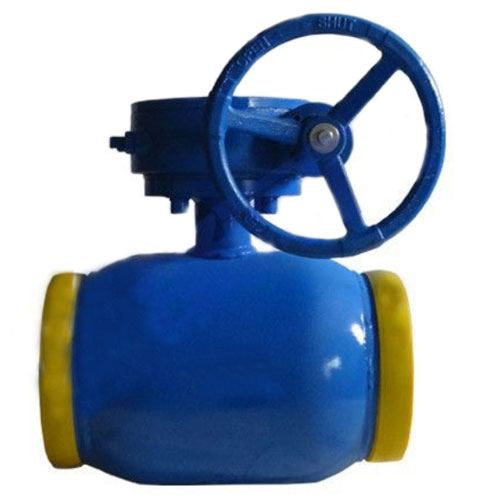
The performance of a control globe valve is heavily influenced by fluid dynamics and the inherent flow characteristics. The valve’s Cv (flow coefficient) dictates the flow rate for a given pressure drop. Force analysis is critical in actuator sizing – the force required to overcome fluid forces acting on the disc at full stroke. Environmental resistance includes temperature fluctuations, exposure to corrosive atmospheres, and potential for erosion from particulate matter in the fluid. Compliance requirements are dictated by industry standards (ANSI, ASME, API) and specific application needs (e.g., FDA compliance for pharmaceutical applications). Functional implementation hinges on the actuator, which can be pneumatic, electric, or hydraulic. Pneumatic actuators are common due to their simplicity and responsiveness, but require a compressed air supply. Electric actuators offer precise control and are suitable for remote operation. Cavitation is a significant concern in liquid service, particularly with high pressure drops. The valve's trim design (the shape of the disc and seat) significantly influences the potential for cavitation. Proper trim selection (e.g., contoured discs) can minimize cavitation damage and extend valve life. Furthermore, the valve’s characteristic curve (equal percentage, linear, quick opening) must be matched to the process requirements to ensure stable control.
Technical Specifications
| Parameter | Unit | Typical Value (Carbon Steel) | Typical Value (316 Stainless Steel) |
|---|---|---|---|
| Maximum Allowable Pressure (MAP) | psi | 900 | 800 |
| Temperature Range | °F | -20 to 450 | -20 to 650 |
| Cv (Flow Coefficient) | gal/min @ 1 psi ΔP | 1 - 200 | 1 - 200 |
| Actuator Response Time | seconds | 0.5 - 5 | 0.5 - 5 |
| Leakage Class (Seat) | % of rated capacity | 0.1 | 0.01 |
| Connection Type | - | Screwed, Flanged, Welded | Screwed, Flanged, Welded |
Failure Mode & Maintenance
Control globe valves are susceptible to several failure modes. Fatigue cracking can occur in the stem or disc due to cyclical loading. Erosion is common with fluids containing abrasive particles, leading to wear of the disc and seat. Cavitation, as previously mentioned, causes pitting and damage to the trim. Corrosion, particularly in aggressive environments, can lead to body or internal component degradation. Stem packing failure results in leakage. Actuator malfunctions (e.g., diaphragm rupture in pneumatic actuators, motor failure in electric actuators) can prevent proper valve operation. Maintenance procedures include regular inspection of the stem packing and replacement as needed. Periodic cleaning of the valve body to remove debris. Non-destructive testing (NDT) methods like ultrasonic testing (UT) and radiography (RT) can detect cracks or corrosion. Lap grinding or replacement of the disc and seat when leakage exceeds acceptable limits. Lubrication of moving parts. For pneumatic actuators, inspection and replacement of air filters and diaphragms. Scheduled preventative maintenance, guided by operating conditions and historical failure data, is crucial to minimize downtime and ensure reliable operation. A thorough Failure Mode and Effects Analysis (FMEA) is recommended to identify potential failure points and implement preventative measures.
Industry FAQ
Q: What are the key differences between a globe valve and a ball valve for control applications?
A: While ball valves can be used for control, globe valves offer superior throttling capabilities and tighter shut-off. Ball valves have a relatively linear flow characteristic, making precise control challenging. Globe valves, particularly with equal percentage characteristics, allow for more nuanced flow regulation. However, ball valves typically have lower pressure drop and faster response times.
Q: How does the choice of trim affect the susceptibility to cavitation?
A: Trim design is paramount in mitigating cavitation. Contoured discs and cages promote multi-stage pressure reduction, reducing the likelihood of vapor bubble formation. Standard discs with abrupt pressure drops are more prone to cavitation. Selecting the appropriate trim for the specific fluid and operating conditions is crucial.
Q: What is the significance of the valve’s characteristic curve?
A: The characteristic curve defines the relationship between valve travel and flow rate. Equal percentage curves provide the most stable control over a wide range of operating points, especially in processes with varying pressure drops. Linear curves offer a more direct relationship, while quick-opening curves are suitable for on/off applications.
Q: What are the typical materials used for valve seats to achieve bubble-tight shutoff?
A: Materials like PTFE (Teflon), reinforced PTFE, and PEEK are commonly used for valve seats to achieve bubble-tight shutoff. These materials conform to the disc surface, creating a tight seal. Hardened alloys like Stellite 6 are used in abrasive or high-temperature applications where tight shutoff is also required.
Q: How can I determine the correct actuator size for a globe control valve?
A: Actuator sizing requires calculating the total force needed to overcome fluid forces, friction, and any external loads. This calculation considers the valve’s size, pressure drop, fluid properties, and desired response time. Actuator manufacturers provide sizing tools and guidelines based on these parameters.
Conclusion
Control globe valves remain indispensable in precision flow control, demanding careful consideration of material science, manufacturing processes, and engineering principles. The selection of appropriate materials, coupled with adherence to rigorous manufacturing standards, is paramount to ensure long-term reliability and performance in challenging industrial environments. Understanding failure modes and implementing preventative maintenance programs are equally critical for minimizing downtime and optimizing operational efficiency.
Future advancements in control globe valve technology will likely focus on smart valve designs incorporating integrated sensors and diagnostics for predictive maintenance, enhanced trim designs to further mitigate cavitation, and the development of new materials with improved corrosion resistance and erosion resistance. Continued emphasis on standardization and adherence to industry best practices will be essential for maintaining quality and ensuring seamless integration within complex process control systems.
-
Top Reasons to Choose a Stainless Steel Flange Check Valve for Industrial Applications
-
flange 8 inch Performance Analysis
-
Ring Flange Performance Analysis
-
3 inch split flange Performance Analysis
-
Tongue and groove flange Performance Analysis
-
Grooved Flange Performance Analysis
-
o ring flange Performance Analysis
-
Ring Flanges Performance Analysis
-
Groove Flange Performance Analysis
-
Tongue and groove flanges Performance Analysis
-
12 inch flange Performance Analysis
-
Header Exhaust Flange Material Science
-
Header Exhaust Flanges Performance Analysis
-
Spacer Ring Flanges Material Science Manufacturing
-
tee flange Performance Analysis
 Afrikaans
 Albanian
 Amharic
 Arabic
 Armenian
 Azerbaijani
 Basque
 Belarusian
 Bengali
 Bosnian
 Bulgarian
 Catalan
 Cebuano
 Corsican
 Croatian
 Czech
Czech
 Danish
 Dutch
Dutch
 Esperanto
 Estonian
 Finnish
 French
 Frisian
 Galician
 Georgian
 German
 Greek
Greek
 Gujarati
 Haitian Creole
 Hausa
Hawaiian
Hausa
Hawaiian
 Hebrew
 Hindi
Hindi
 Miao
Miao
 Hungarian
 Icelandic
 Igbo
Igbo
 Indonesian
 Irish
Irish
 Italian
 Japanese
 Javanese
Kannada
Javanese
Kannada
 Kazakh
 Khmer
Khmer
 Rwandese
 Korean
 Kurdish
 Kyrgyz
 Lao
Lao
 Latin
Latin
 Latvian
 Lithuanian
 Luxembourgish
 Macedonian
 Malgashi
 Malay
Malay
 Malayalam
 Maltese
 Maori
Maori
 Marathi
 Mongolian
 Myanmar
 Nepali
 Norwegian
 Norwegian
 Occitan
 Pashto
 Persian
 Polish
 Portuguese
Punjabi
Portuguese
Punjabi
 Romanian
 Russian
 Samoan
 Scottish Gaelic
 Serbian
 Sesotho
 Shona
Shona
 Sindhi
 Sinhala
 Slovak
 Slovenian
 Somali
 Spanish
 Sundanese
 Swahili
 Swedish
Tagalog
Swedish
Tagalog
 Tajik
Tajik
 Tamil
Tamil
 Tatar
Tatar
 Telugu
 Thai
Thai
 Turkish
 Turkmen
 Ukrainian
 Urdu
Urdu
 Uighur
 Uzbek
Uzbek
 Vietnamese
 Welsh
Welsh
 Bantu
Bantu
 Yiddish
 Yoruba
 Zulu
Zulu
 English