




electric actuator butterfly valve Performance Analysis
Introduction
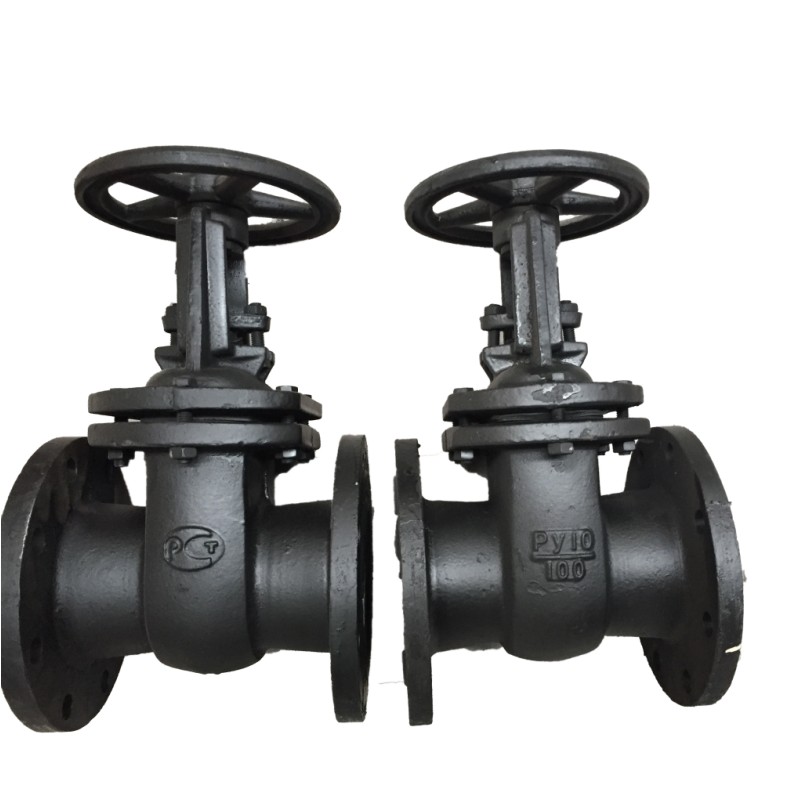
Electric actuator butterfly valves represent a critical component in industrial fluid control systems, serving as automated on/off or throttling devices. Positioned within the broader valve technology landscape, they offer a cost-effective and efficient solution for large-diameter pipeline applications. Unlike globe valves or gate valves, butterfly valves utilize a disc rotating within the flow path to regulate fluid movement. The integration of an electric actuator provides remote control, precise positioning, and automation capabilities, essential for modern process control systems. Core performance characteristics include flow capacity (Cv), shut-off tightness (Class VI compliance is typical), actuation speed, and torque requirements. A primary industry pain point revolves around achieving reliable long-term sealing, particularly in demanding applications involving abrasive media or extreme temperatures. Another challenge lies in selecting actuators correctly matched to the valve size and operating conditions to prevent premature failure or performance degradation.
Material Science & Manufacturing
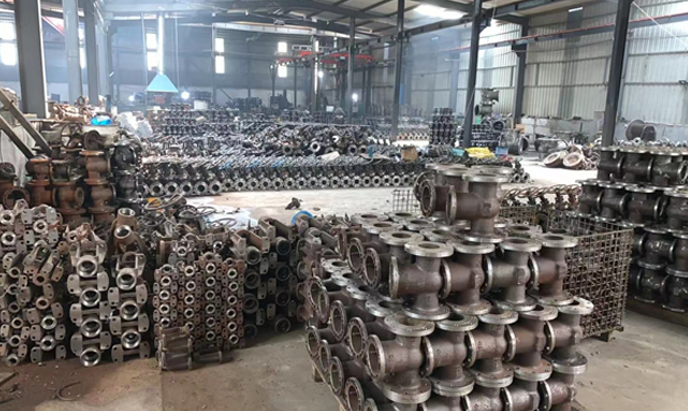
The body of an electric actuator butterfly valve is commonly constructed from ductile iron (ASTM A536 Grade 65-45-12), carbon steel (ASTM A105), or stainless steel (304/316). Ductile iron offers a balance of strength and corrosion resistance for general water and wastewater applications. Carbon steel is frequently used for higher pressure applications but requires protective coatings. Stainless steel provides superior corrosion resistance, crucial for chemical processing and pharmaceutical applications. The disc is typically manufactured from stainless steel (304/316) or, for high-abrasion resistance, hardened alloys. The stem is often 410 stainless steel for its strength and resistance to corrosion. Manufacturing involves several key processes: casting or forging of the valve body, machining of the disc and stem, rubber or PTFE lining application for sealing, and finally, assembly. Critical parameter control during manufacturing focuses on dimensional accuracy of the disc and seat to ensure leak-tight shutoff. Welding procedures (AWS D1.1 for steel components) must be meticulously controlled to prevent distortion and ensure structural integrity. PTFE lining is applied using a sintering process, and its adhesion to the metal substrate is a key quality control parameter. Electric actuators themselves employ a variety of materials including aluminum housings, steel gears, and copper windings in the motor.
Performance & Engineering
Performance evaluation of electric actuator butterfly valves centers on torque requirements and flow characteristics. Torque calculations must account for the fluid pressure, valve size, and seat friction. The actuator must provide sufficient torque to overcome these forces and achieve full valve opening and closing. Flow coefficient (Cv) dictates the valve’s capacity, and it’s determined through hydrodynamic testing according to standards like ANSI/FCI 70-2. Environmental resistance is critical; valves must withstand operating temperatures ranging from -20°C to 120°C (depending on seat material) and maintain sealing integrity. Compliance with industry standards, such as API 598 (valve inspection and testing) and IEC 60529 (ingress protection), is paramount. The actuator’s control system must adhere to relevant safety standards (SIL levels, if applicable). Engineering considerations also include the valve's mounting configuration (wafer, lug, or flanged) and its compatibility with the pipeline system. Force analysis involves assessing the bending moment on the disc and ensuring the valve body can withstand the pressure loads without deformation. Proper actuator selection and sizing prevents motor overheating and premature failure, a common issue in improperly specified systems.
Technical Specifications
| Valve Size (Inches) | Pressure Rating (PSI) | Actuator Voltage (VAC) | Flow Coefficient (Cv) |
|---|---|---|---|
| 2 | 150 | 120 | 250 |
| 4 | 150 | 240 | 600 |
| 6 | 150 | 240 | 1000 |
| 8 | 150 | 480 | 1800 |
| 10 | 150 | 480 | 2500 |
| 12 | 150 | 480 | 3500 |
Failure Mode & Maintenance
Common failure modes in electric actuator butterfly valves include seat erosion or degradation (leading to leakage), actuator motor failure (due to overheating or overload), stem corrosion, and disc cracking (caused by fatigue or water hammer). Seat failure is often a result of abrasive particles in the fluid stream or chemical attack. Actuator motor failure can stem from inadequate lubrication, improper wiring, or exceeding the motor’s torque capacity. Stem corrosion is more prevalent in corrosive environments and can seize the disc, preventing operation. Fatigue cracking of the disc occurs under cyclical loading. Maintenance involves regular inspection of the seat for wear, lubrication of the actuator gears, and tightening of all connections. Preventive maintenance schedules should be established based on operating conditions and fluid characteristics. Failure analysis techniques, such as metallographic examination of fractured components and rubber compound hardness testing, are critical for identifying root causes. Replacement of worn seats, actuator components, and stem packing is typical corrective action. Proper storage of spare parts is crucial to minimize downtime. Non-destructive testing methods, like ultrasonic testing, can detect internal flaws in the disc before catastrophic failure.
Industry FAQ
Q: What is the impact of fluid velocity on butterfly valve seat life?
A: Higher fluid velocity significantly accelerates seat erosion, particularly with abrasive particles present. This is due to increased impingement force and wear. Selecting a valve with a hardened seat material, reducing fluid velocity through pipe sizing adjustments, or installing a strainer upstream are recommended mitigation strategies.
Q: How do I determine the correct actuator sizing for a specific application?
A: Actuator sizing requires calculating the total torque needed to overcome fluid pressure, seat friction, and any stem packing friction. Factors include valve size, pressure drop, fluid viscosity, and operating temperature. Actuator manufacturers provide sizing tools and software to assist with this process. It's crucial to select an actuator with sufficient torque reserve to ensure reliable operation.
Q: What are the advantages of using a PTFE seat versus a rubber seat?
A: PTFE seats offer superior chemical resistance and a wider temperature range compared to rubber seats. However, they typically have lower resilience and are more susceptible to cold flow under high pressure, potentially leading to leakage. Rubber seats provide better sealing at lower pressures but are less resistant to certain chemicals.
Q: What is the significance of the valve’s Class VI shut-off rating?
A: Class VI is the highest level of shut-off tightness defined by ANSI/FCI 70-2. It indicates a leakage rate of 0.01 ml of water per minute per inch of valve seat diameter at maximum rated pressure. This is critical in applications where zero leakage is essential, such as hazardous media containment.
Q: How can I prevent actuator motor overheating?
A: Overheating is often caused by exceeding the motor’s duty cycle or operating outside its specified voltage range. Ensure the actuator is properly sized for the application, and that the control system limits the number of operating cycles per hour. Regularly inspect the motor windings and ventilation openings for debris.
Conclusion
Electric actuator butterfly valves represent a versatile and efficient solution for a wide range of industrial fluid control applications. Their selection and implementation necessitate a thorough understanding of material science, manufacturing processes, performance characteristics, and potential failure modes. Precise actuator sizing, appropriate material selection based on fluid compatibility, and diligent preventive maintenance are crucial for ensuring long-term reliability and minimizing downtime.
Future advancements in electric actuator butterfly valve technology are focused on improved sealing materials, intelligent actuator controls with predictive maintenance capabilities, and optimized aerodynamic disc designs to reduce pressure drop and enhance flow efficiency. As industries increasingly prioritize automation and process optimization, the demand for robust and reliable electric actuator butterfly valves will continue to grow.
-
Top Reasons to Choose a Stainless Steel Flange Check Valve for Industrial Applications
-
flange 8 inch Performance Analysis
-
Ring Flange Performance Analysis
-
3 inch split flange Performance Analysis
-
Tongue and groove flange Performance Analysis
-
Grooved Flange Performance Analysis
-
o ring flange Performance Analysis
-
Ring Flanges Performance Analysis
-
Groove Flange Performance Analysis
-
Tongue and groove flanges Performance Analysis
-
12 inch flange Performance Analysis
-
Header Exhaust Flange Material Science
-
Header Exhaust Flanges Performance Analysis
-
Spacer Ring Flanges Material Science Manufacturing
-
tee flange Performance Analysis
 Afrikaans
 Albanian
 Amharic
 Arabic
 Armenian
 Azerbaijani
 Basque
 Belarusian
 Bengali
 Bosnian
 Bulgarian
 Catalan
 Cebuano
 Corsican
 Croatian
 Czech
Czech
 Danish
 Dutch
Dutch
 Esperanto
 Estonian
 Finnish
 French
 Frisian
 Galician
 Georgian
 German
 Greek
Greek
 Gujarati
 Haitian Creole
 Hausa
Hawaiian
Hausa
Hawaiian
 Hebrew
 Hindi
Hindi
 Miao
Miao
 Hungarian
 Icelandic
 Igbo
Igbo
 Indonesian
 Irish
Irish
 Italian
 Japanese
 Javanese
Kannada
Javanese
Kannada
 Kazakh
 Khmer
Khmer
 Rwandese
 Korean
 Kurdish
 Kyrgyz
 Lao
Lao
 Latin
Latin
 Latvian
 Lithuanian
 Luxembourgish
 Macedonian
 Malgashi
 Malay
Malay
 Malayalam
 Maltese
 Maori
Maori
 Marathi
 Mongolian
 Myanmar
 Nepali
 Norwegian
 Norwegian
 Occitan
 Pashto
 Persian
 Polish
 Portuguese
Punjabi
Portuguese
Punjabi
 Romanian
 Russian
 Samoan
 Scottish Gaelic
 Serbian
 Sesotho
 Shona
Shona
 Sindhi
 Sinhala
 Slovak
 Slovenian
 Somali
 Spanish
 Sundanese
 Swahili
 Swedish
Tagalog
Swedish
Tagalog
 Tajik
Tajik
 Tamil
Tamil
 Tatar
Tatar
 Telugu
 Thai
Thai
 Turkish
 Turkmen
 Ukrainian
 Urdu
Urdu
 Uighur
 Uzbek
Uzbek
 Vietnamese
 Welsh
Welsh
 Bantu
Bantu
 Yiddish
 Yoruba
 Zulu
Zulu
 English