




high temperature butterfly valve Material Performance
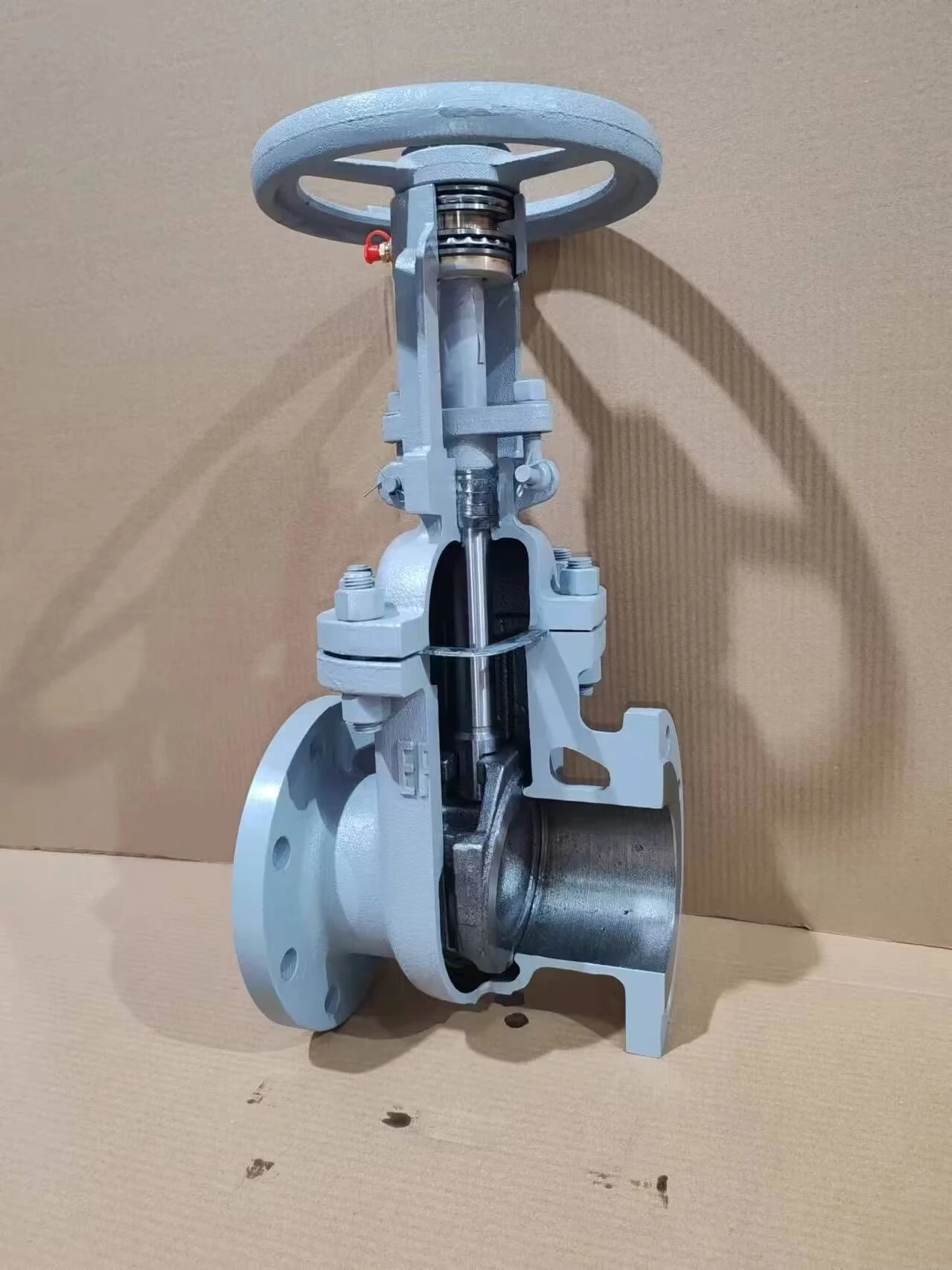
Introduction
High temperature butterfly valves are integral components in industrial processes demanding flow control at elevated temperatures, typically exceeding 150°C. Positioned within the fluid handling chain, they regulate the flow of gases, liquids, and steam in applications such as power generation, chemical processing, and district heating. Unlike gate valves or globe valves, butterfly valves utilize a disc rotating within the valve body to control flow, offering a lightweight and compact design particularly advantageous in high-temperature scenarios where thermal expansion and material stress are critical concerns. Core performance characteristics include tight shut-off capabilities, minimal pressure drop when fully open, and the ability to withstand significant thermal cycling without compromising sealing integrity. The selection of appropriate materials and sealing mechanisms is paramount to prevent leakage and ensure long-term operational reliability.
Material Science & Manufacturing
The performance of high-temperature butterfly valves is intrinsically linked to the material selection of its constituent parts. Valve bodies are frequently constructed from austenitic stainless steels (304, 316, 321) and alloy steels (such as A182 F11, F22) due to their superior resistance to oxidation, corrosion, and creep at elevated temperatures. The disc material must exhibit similar properties, often utilizing the same alloys as the body. Resilient seated butterfly valves, common for lower pressure applications, employ elastomers like Viton (fluorocarbon rubber) or EPDM (ethylene propylene diene monomer) for sealing, however, their temperature limitations necessitate careful consideration. Metal-seated designs, featuring stainless steel or alloy steel seating surfaces, are preferred for higher temperature and pressure conditions.
Manufacturing processes are equally critical. Valve bodies are typically cast or forged. Forged bodies offer improved mechanical strength and grain structure, leading to enhanced resistance to fatigue and stress corrosion cracking. Disc manufacturing involves precision machining and balancing to ensure smooth operation and minimize vibration. Welding is a crucial step, requiring qualified welders and adherence to strict welding procedures (e.g., ASME Section IX) to prevent defects like porosity, undercut, and incomplete fusion. Post-weld heat treatment (PWHT) is often employed to relieve residual stresses and improve the ductility of the weldment. The valve assembly process involves meticulous alignment of the disc and shaft, and accurate installation of the sealing elements. Non-destructive testing (NDT) methods, including radiographic inspection, ultrasonic testing, and liquid penetrant examination, are employed to verify the integrity of the weldments and components.
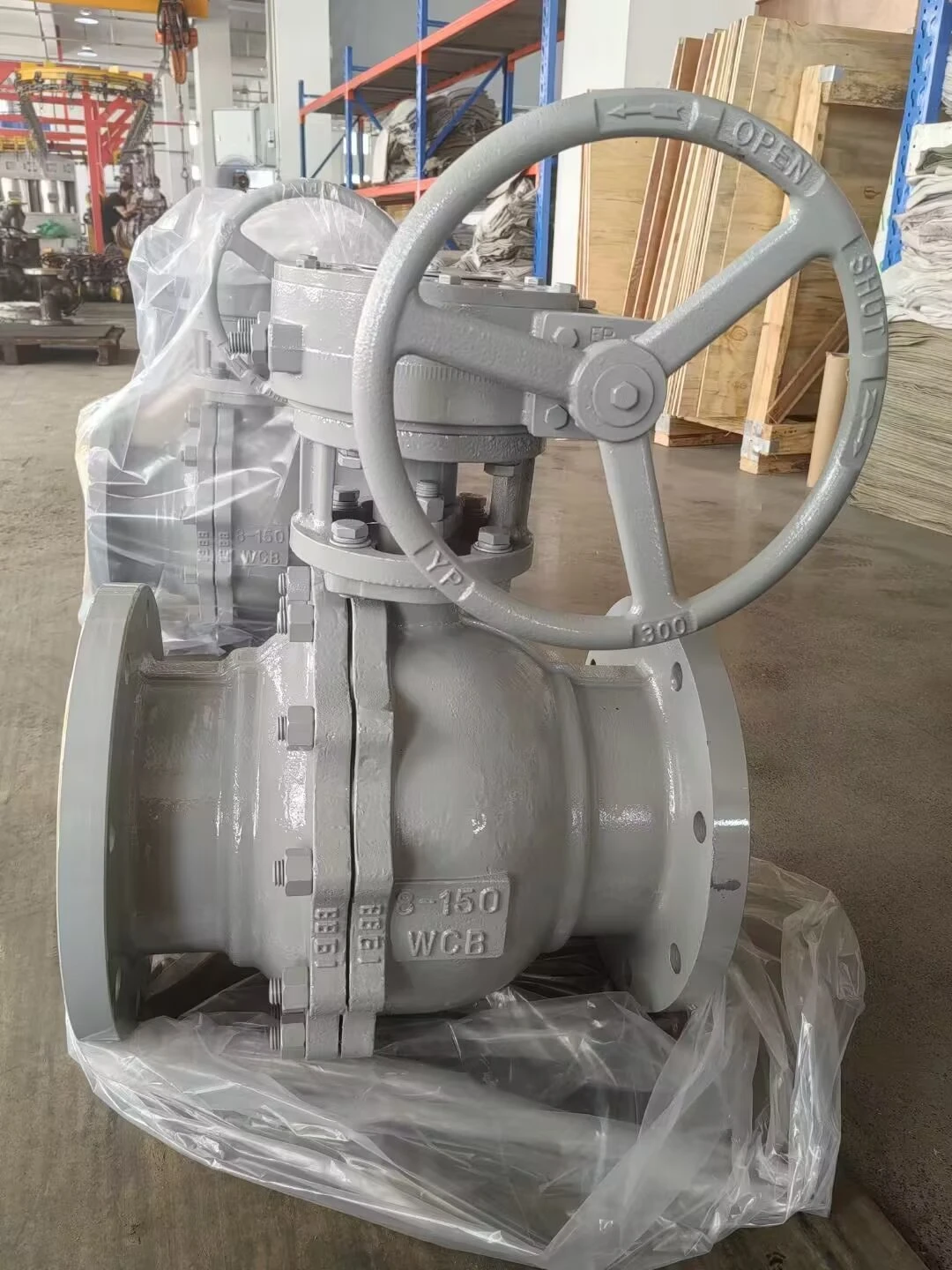
Performance & Engineering
The performance of a high-temperature butterfly valve is significantly affected by thermal expansion, leading to stresses in the valve body, disc, and shaft. Engineering design must account for these thermal stresses through proper material selection and geometric design. Finite element analysis (FEA) is often employed to simulate thermal and mechanical loading conditions, optimizing the valve design to minimize stress concentrations and prevent deformation. The valve’s pressure-temperature rating is critical; it defines the maximum allowable pressure at a given temperature, based on hydrostatic and pneumatic testing according to standards like API 598.
Flow characteristics are another important consideration. The disc’s profile – concentric, eccentric, or bi-eccentric – influences the flow pattern and pressure drop. Bi-eccentric designs minimize erosion of the disc and seat by creating a non-centered flow path. Tight shut-off is achieved through the precise machining of the disc and seat, and the application of sufficient seating force. Metal-seated valves generally offer tighter shut-off than resilient-seated valves, but require higher seating forces. The valve’s torque requirements are determined by the fluid properties, pressure drop, and disc diameter. Actuators must be sized appropriately to provide sufficient torque to operate the valve under all operating conditions. Compliance requirements, such as those outlined in ASME B16.34 and EN 161, dictate the valve’s design, materials, testing, and documentation requirements.
Technical Specifications
| Parameter | Unit | Typical Value (Carbon Steel) | Typical Value (Stainless Steel 316) |
|---|---|---|---|
| Maximum Operating Temperature | °C | 425 | 650 |
| Maximum Operating Pressure | MPa | 16 | 10 |
| Connection Type | - | Flanged, Wafer, Lug | Flanged, Wafer, Lug |
| Seal Material | - | Viton, EPDM, PTFE | Graphite, Stainless Steel |
| Body Material | - | Carbon Steel (A216 WCB) | Stainless Steel 316 (A351 CF8M) |
| Disc Material | - | Carbon Steel (A216 WCB) | Stainless Steel 316 (A351 CF8M) |
Failure Mode & Maintenance
High-temperature butterfly valves are susceptible to several failure modes. Creep, the time-dependent deformation under sustained stress, is a common concern at elevated temperatures, particularly in the valve body and disc. Oxidation and corrosion can lead to material degradation, reducing the valve’s structural integrity and increasing the risk of leakage. Thermal fatigue, caused by repeated temperature cycling, can induce cracking in the valve body, disc, and welds. Erosion, particularly in valves handling abrasive fluids, can wear away the disc and seat surfaces. Leakage through the seat is a frequent failure mode, often caused by wear, damage, or improper seating.
Preventative maintenance is crucial to extend the valve’s service life. Regular inspection for signs of corrosion, erosion, and cracking is essential. Lubrication of the valve stem and bearings reduces friction and prevents seizing. Periodic testing of the valve’s seat leakage is recommended. If leakage is detected, the seat may need to be replaced or re-lapped. Welds should be inspected periodically for signs of cracking. In case of severe damage or failure, complete valve replacement may be necessary. Proper storage conditions, protecting the valve from moisture and corrosive environments, are also important to prevent premature failure. Documentation of all maintenance activities is critical for tracking valve performance and identifying potential issues.
Industry FAQ
Q: What are the key material considerations when selecting a high-temperature butterfly valve for a steam application?
A: For steam applications, the primary consideration is the valve's ability to withstand both the temperature and pressure of the steam. Alloy steels, like A182 F11 or F22, are often preferred for their creep resistance and corrosion resistance. The seal material must also be compatible with steam and capable of maintaining a tight seal at elevated temperatures. Metal seats are generally recommended over resilient seats for high-temperature steam service.
Q: How does the disc design (concentric, eccentric, bi-eccentric) impact the valve’s performance in erosive fluids?
A: Bi-eccentric designs are superior for erosive fluids. The offset disc and shaft minimize the direct impact of the fluid on the seat, reducing erosion and extending the valve’s service life. Concentric designs are most susceptible to erosion, while eccentric designs offer an intermediate level of protection.
Q: What is the significance of non-destructive testing (NDT) in the manufacturing of high-temperature butterfly valves?
A: NDT is critical for ensuring the integrity of the valve’s welds and components. Techniques like radiographic inspection (RT), ultrasonic testing (UT), and liquid penetrant examination (PT) can detect defects like porosity, cracking, and incomplete fusion, preventing premature failure during operation.
Q: What are the typical maintenance intervals for a high-temperature butterfly valve in a chemical processing plant?
A: Maintenance intervals depend on the specific application and operating conditions. However, a typical schedule includes visual inspections every 6 months, lubrication of the stem and bearings annually, and seat leakage testing every 1-2 years. More frequent inspections may be required for highly corrosive or abrasive applications.
Q: How do I ensure proper actuator sizing for a high-temperature butterfly valve?
A: Proper actuator sizing requires a detailed understanding of the valve’s operating conditions, including the fluid properties, pressure drop, and temperature. Actuator manufacturers provide sizing tools and calculations to determine the required torque. Factors like stem friction and seating force must also be considered.
Conclusion
High-temperature butterfly valves represent a robust and efficient solution for flow control in demanding industrial applications. Their performance relies heavily on a confluence of factors, including judicious material selection, precise manufacturing processes, and a thorough understanding of the operational environment. Careful consideration of thermal expansion, corrosion resistance, and potential failure modes is paramount to ensuring long-term reliability and minimizing downtime.
The continuous advancements in materials science and engineering are driving further improvements in high-temperature butterfly valve technology. Future developments are likely to focus on the development of new alloys with enhanced creep resistance, the implementation of advanced sealing technologies, and the integration of smart valve diagnostics for predictive maintenance. Adherence to industry standards and best practices remains essential for maximizing valve performance and safety.
-
Top Reasons to Choose a Stainless Steel Flange Check Valve for Industrial Applications
-
flange 8 inch Performance Analysis
-
Ring Flange Performance Analysis
-
3 inch split flange Performance Analysis
-
Tongue and groove flange Performance Analysis
-
Grooved Flange Performance Analysis
-
o ring flange Performance Analysis
-
Ring Flanges Performance Analysis
-
Groove Flange Performance Analysis
-
Tongue and groove flanges Performance Analysis
-
12 inch flange Performance Analysis
-
Header Exhaust Flange Material Science
-
Header Exhaust Flanges Performance Analysis
-
Spacer Ring Flanges Material Science Manufacturing
-
tee flange Performance Analysis
 Afrikaans
 Albanian
 Amharic
 Arabic
 Armenian
 Azerbaijani
 Basque
 Belarusian
 Bengali
 Bosnian
 Bulgarian
 Catalan
 Cebuano
 Corsican
 Croatian
 Czech
Czech
 Danish
 Dutch
Dutch
 Esperanto
 Estonian
 Finnish
 French
 Frisian
 Galician
 Georgian
 German
 Greek
Greek
 Gujarati
 Haitian Creole
 Hausa
Hawaiian
Hausa
Hawaiian
 Hebrew
 Hindi
Hindi
 Miao
Miao
 Hungarian
 Icelandic
 Igbo
Igbo
 Indonesian
 Irish
Irish
 Italian
 Japanese
 Javanese
Kannada
Javanese
Kannada
 Kazakh
 Khmer
Khmer
 Rwandese
 Korean
 Kurdish
 Kyrgyz
 Lao
Lao
 Latin
Latin
 Latvian
 Lithuanian
 Luxembourgish
 Macedonian
 Malgashi
 Malay
Malay
 Malayalam
 Maltese
 Maori
Maori
 Marathi
 Mongolian
 Myanmar
 Nepali
 Norwegian
 Norwegian
 Occitan
 Pashto
 Persian
 Polish
 Portuguese
Punjabi
Portuguese
Punjabi
 Romanian
 Russian
 Samoan
 Scottish Gaelic
 Serbian
 Sesotho
 Shona
Shona
 Sindhi
 Sinhala
 Slovak
 Slovenian
 Somali
 Spanish
 Sundanese
 Swahili
 Swedish
Tagalog
Swedish
Tagalog
 Tajik
Tajik
 Tamil
Tamil
 Tatar
Tatar
 Telugu
 Thai
Thai
 Turkish
 Turkmen
 Ukrainian
 Urdu
Urdu
 Uighur
 Uzbek
Uzbek
 Vietnamese
 Welsh
Welsh
 Bantu
Bantu
 Yiddish
 Yoruba
 Zulu
Zulu
 English