




pneumatic butterfly valve Performance Analysis
Introduction
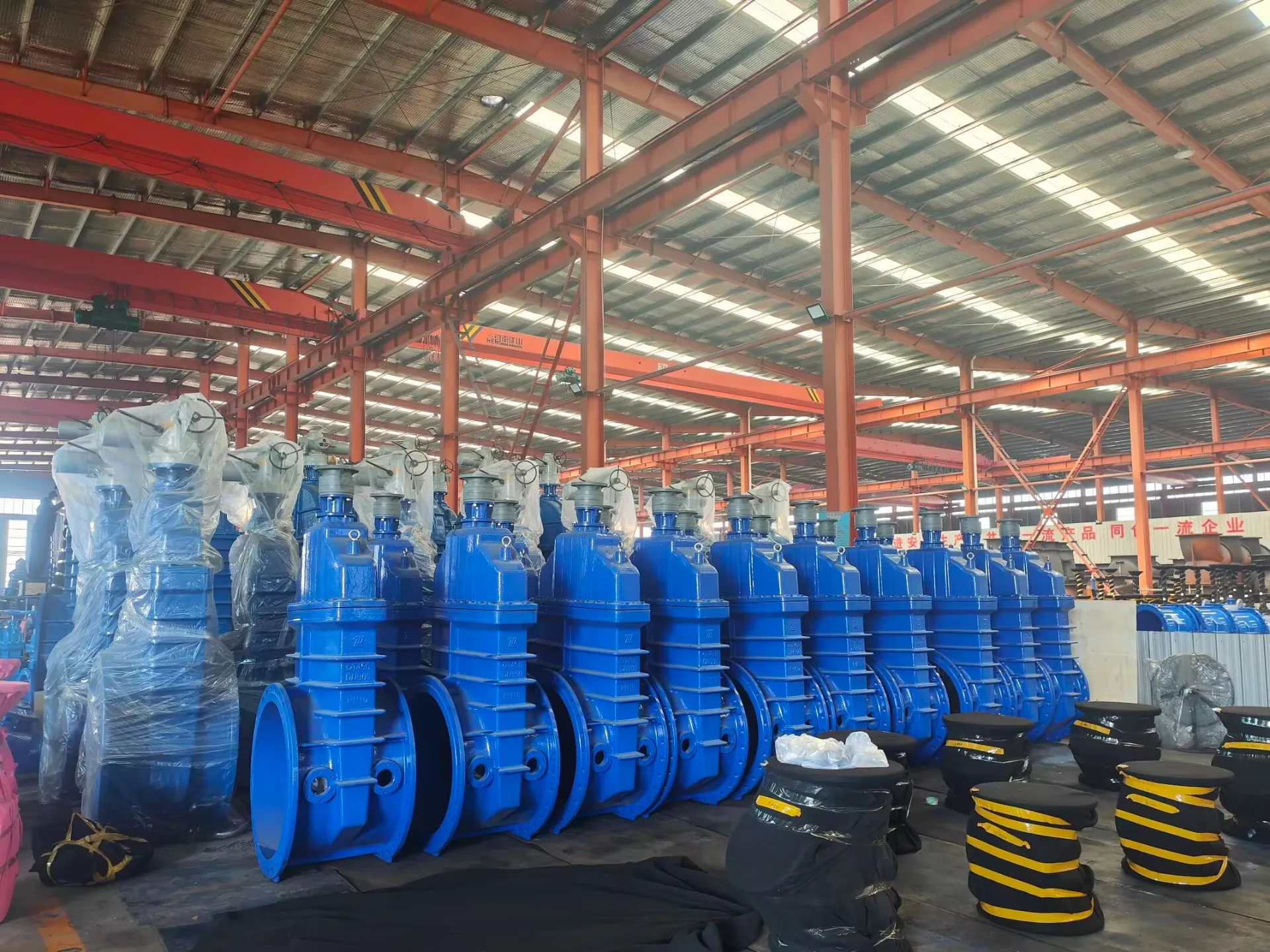
Pneumatic butterfly valves are quarter-turn rotational motion valves used to regulate or isolate fluid flow within a piping system. Positioned within the industrial process control chain between actuators and process piping, they are frequently employed in applications demanding quick actuation and relatively low pressure drop. Unlike gate or globe valves, butterfly valves control flow by rotating a disc within the valve body. The pneumatic actuation allows for remote and automated control, making them essential components in automated processes across diverse industries including water treatment, chemical processing, power generation, and HVAC. Core performance characteristics center on flow capacity (Cv), pressure rating, sealing integrity (achieved through materials and design), and speed of response, dictated by the pneumatic actuator and valve design. A key pain point for users involves selecting materials compatible with the process fluid to prevent corrosion and ensure a long service life.
Material Science & Manufacturing
The body of a pneumatic butterfly valve is commonly constructed from ductile iron (ASTM A536-83), carbon steel (ASTM A105), or stainless steel (304/316 – ASTM A351). Ductile iron offers good strength and corrosion resistance at a lower cost, suitable for water and less aggressive fluids. Carbon steel provides high strength but is susceptible to corrosion unless coated. Stainless steel offers superior corrosion resistance, crucial for handling corrosive chemicals and high-purity fluids. The disc material follows a similar range - ductile iron, carbon steel, stainless steel – with the addition of specialized alloys like Hastelloy or Monel for extremely corrosive environments. The seat material is critical for sealing; common choices include EPDM, PTFE (Teflon), Viton, and Nitrile, each offering varying levels of chemical compatibility and temperature resistance. The actuator housing typically utilizes aluminum alloys.
Manufacturing involves several key processes. The valve body is typically manufactured via sand casting or investment casting, requiring rigorous quality control for dimensional accuracy and surface finish. The disc is formed through forging or machining. Critical parameters during disc manufacturing include flatness and balancing to minimize vibration during operation. Seat installation utilizes precision machining or vulcanization processes for rubber seats. Pneumatic actuation is achieved using a rack and pinion mechanism, requiring precise machining of the pinion gear to ensure smooth operation and accurate positioning. Welding processes (SMAW, GTAW) are used for joining components and require adherence to ASME Section IX standards to ensure weld integrity. Final assembly involves rigorous testing for leak tightness (per API 598) and actuator functionality.
Performance & Engineering
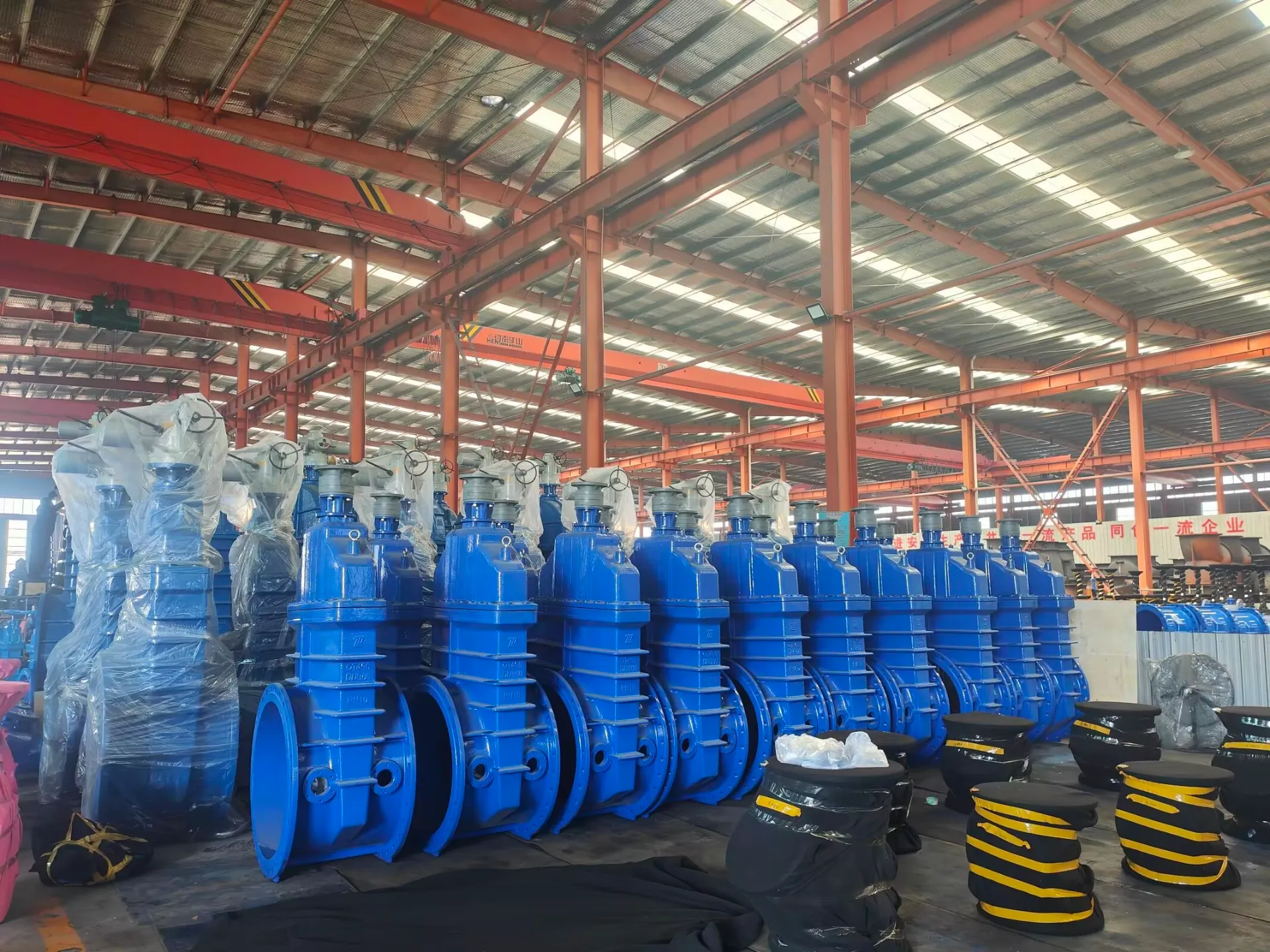
Performance analysis of pneumatic butterfly valves focuses on torque requirements, flow characteristics, and pressure-temperature ratings. Torque is the rotational force needed to operate the valve, influenced by fluid pressure, valve size, and seat friction. Engineering calculations involve quantifying torque based on these parameters to properly size the pneumatic actuator. Flow characteristics are typically characterized by a Kv/Cv coefficient, representing the valve's flow capacity. These coefficients are determined through hydrodynamic testing following standards like IEC 60534-4.
Environmental resistance is paramount. External coatings (epoxy, polyurethane) protect against atmospheric corrosion. Internal coatings (PTFE, epoxy) minimize fluid corrosion. Temperature ratings are dictated by seat material and actuator components, with typical operating ranges from -20°C to 200°C depending on the materials. Compliance requirements depend on the application. For potable water applications, valves must meet NSF/ANSI 61 standards. For hazardous environments, ATEX or IECEx certification is required for the actuator and valve components, ensuring explosion protection. Functional implementation requires proper selection of actuator type (double-acting, single-acting) and control signals (4-20mA, HART, Profibus) based on the process control system.
Technical Specifications
| Parameter | Specification Range | Unit | Testing Standard |
|---|---|---|---|
| Valve Size (DN) | 50 - 2000 | mm | ISO 7005-2 |
| Pressure Rating (PN) | 6 - 40 | bar | EN 1092-1 |
| Temperature Range | -20 to +120 | °C | ASTM E203 |
| Actuator Supply Pressure | 3 - 8 | bar | ISO 4414 |
| Leakage Rate (Seat) | <0.1 | % of rated flow | API 598 |
| Cv Value (Flow Coefficient) | 5 - 1000 | m³/h at 1 bar pressure drop | IEC 60534-4 |
Failure Mode & Maintenance
Common failure modes include seat erosion/degradation (leading to leakage), actuator diaphragm failure (loss of pneumatic control), stem corrosion (resulting in sticking or binding), and disc cracking (due to fatigue or over-torquing). Seat erosion is often caused by abrasive particles in the fluid or cavitation. Actuator diaphragm failure is frequently attributed to moisture ingress or material aging. Stem corrosion is prevalent in corrosive environments where the stem material is not adequately protected. Fatigue cracking in the disc occurs due to cyclical loading exceeding the material’s endurance limit.
Maintenance involves regular inspection of the seat for wear and tear, replacement of the actuator diaphragm per manufacturer’s recommendations (typically every 2-3 years), lubrication of the stem and bearings, and torque verification of the actuator. Preventive maintenance schedules should include visual inspection for corrosion, leak testing, and functional testing of the actuator. For critical applications, non-destructive testing (NDT) methods like ultrasonic testing or radiographic inspection can detect internal flaws in the disc or body. In case of leakage, identify the source (seat, stem packing) and replace the affected component. Always de-pressurize and isolate the valve before performing any maintenance procedures. Ensure proper documentation of all maintenance activities.
Industry FAQ
Q: What is the impact of fluid velocity on butterfly valve seat life?
A: Higher fluid velocities increase the erosive wear on the valve seat, particularly if the fluid contains abrasive particles. Increased velocity also exacerbates cavitation, which can rapidly degrade seat materials. Selecting a valve size and actuator speed that minimizes fluid velocity is crucial for maximizing seat life. Regular inspection of the seat is recommended in high-velocity applications.
Q: How does temperature affect the performance of a pneumatic actuator?
A: Extreme temperatures can impact the performance of pneumatic actuators. High temperatures can reduce the elasticity of seals and diaphragms, leading to leaks. Low temperatures can increase the viscosity of the pneumatic fluid, slowing down response times. Actuators are typically specified with an operating temperature range; exceeding this range can lead to malfunction or failure.
Q: What are the considerations for selecting a butterfly valve for a slurry application?
A: Slurry applications require specific considerations. Choose a valve body and disc material resistant to abrasion from the slurry particles. A larger valve size can reduce fluid velocity and minimize erosion. Consider a valve with a self-cleaning disc design to prevent slurry build-up. Regular inspection and replacement of the seat are critical in slurry applications.
Q: What is the role of the valve’s ‘tight shut-off’ classification and how is it verified?
A: 'Tight shut-off' classification indicates the valve's ability to completely stop flow when closed. This is critical in applications requiring positive isolation. Verification is typically performed via bubble testing (air or gas) to API 598 standards, ensuring no visible bubbles escape from the valve when pressurized.
Q: What are the advantages of using a double-acting pneumatic actuator versus a single-acting actuator?
A: Double-acting actuators provide more precise control and faster response times because they utilize pneumatic pressure for both opening and closing the valve. Single-acting actuators rely on a spring for one direction, offering simpler operation but limited control. Double-acting actuators are preferred for applications requiring accurate positioning and reliable fail-safe operation.
Conclusion
Pneumatic butterfly valves represent a versatile and cost-effective solution for flow control in a wide array of industrial applications. Their performance and longevity are intrinsically linked to meticulous material selection, precise manufacturing processes, and adherence to relevant industry standards. Understanding the interplay between fluid properties, operating conditions, and valve specifications is crucial for ensuring optimal performance and minimizing the risk of failure.
Future trends in pneumatic butterfly valve technology focus on incorporating intelligent actuator systems with advanced diagnostics and remote monitoring capabilities. Materials research is also driving the development of more corrosion-resistant alloys and high-performance seat materials. Continued advancements in manufacturing techniques, such as additive manufacturing, may enable the production of more complex valve designs tailored to specific application requirements.
-
Top Reasons to Choose a Stainless Steel Flange Check Valve for Industrial Applications
-
flange 8 inch Performance Analysis
-
Ring Flange Performance Analysis
-
3 inch split flange Performance Analysis
-
Tongue and groove flange Performance Analysis
-
Grooved Flange Performance Analysis
-
o ring flange Performance Analysis
-
Ring Flanges Performance Analysis
-
Groove Flange Performance Analysis
-
Tongue and groove flanges Performance Analysis
-
12 inch flange Performance Analysis
-
Header Exhaust Flange Material Science
-
Header Exhaust Flanges Performance Analysis
-
Spacer Ring Flanges Material Science Manufacturing
-
tee flange Performance Analysis
 Afrikaans
 Albanian
 Amharic
 Arabic
 Armenian
 Azerbaijani
 Basque
 Belarusian
 Bengali
 Bosnian
 Bulgarian
 Catalan
 Cebuano
 Corsican
 Croatian
 Czech
Czech
 Danish
 Dutch
Dutch
 Esperanto
 Estonian
 Finnish
 French
 Frisian
 Galician
 Georgian
 German
 Greek
Greek
 Gujarati
 Haitian Creole
 Hausa
Hawaiian
Hausa
Hawaiian
 Hebrew
 Hindi
Hindi
 Miao
Miao
 Hungarian
 Icelandic
 Igbo
Igbo
 Indonesian
 Irish
Irish
 Italian
 Japanese
 Javanese
Kannada
Javanese
Kannada
 Kazakh
 Khmer
Khmer
 Rwandese
 Korean
 Kurdish
 Kyrgyz
 Lao
Lao
 Latin
Latin
 Latvian
 Lithuanian
 Luxembourgish
 Macedonian
 Malgashi
 Malay
Malay
 Malayalam
 Maltese
 Maori
Maori
 Marathi
 Mongolian
 Myanmar
 Nepali
 Norwegian
 Norwegian
 Occitan
 Pashto
 Persian
 Polish
 Portuguese
Punjabi
Portuguese
Punjabi
 Romanian
 Russian
 Samoan
 Scottish Gaelic
 Serbian
 Sesotho
 Shona
Shona
 Sindhi
 Sinhala
 Slovak
 Slovenian
 Somali
 Spanish
 Sundanese
 Swahili
 Swedish
Tagalog
Swedish
Tagalog
 Tajik
Tajik
 Tamil
Tamil
 Tatar
Tatar
 Telugu
 Thai
Thai
 Turkish
 Turkmen
 Ukrainian
 Urdu
Urdu
 Uighur
 Uzbek
Uzbek
 Vietnamese
 Welsh
Welsh
 Bantu
Bantu
 Yiddish
 Yoruba
 Zulu
Zulu
 English