




stainless steel globe valve Performance Analysis
Introduction
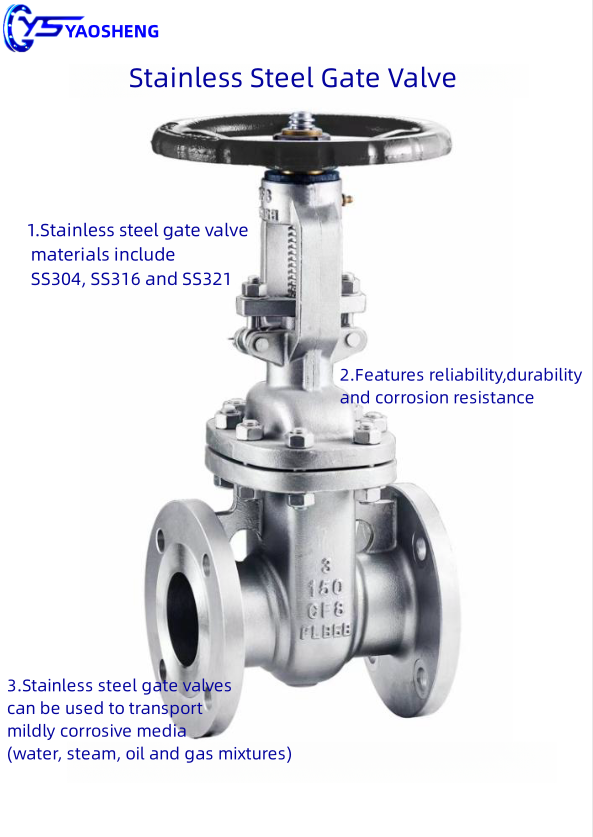
Stainless steel globe valves are quarter-turn valves used to regulate flow. Positioned within the fluid systems of various industries—chemical processing, oil and gas, power generation, and water treatment—they function by restricting flow via a disc moving perpendicular to the flow path. Their primary application centers on throttling and flow control, where precise adjustments are crucial. While gate valves offer minimal flow restriction when fully open, globe valves intentionally introduce resistance, making them less suitable for on/off services but ideal for applications requiring frequent flow modulation. The selection of stainless steel as the body material provides corrosion resistance and is critical in handling aggressive media and maintaining long-term operational reliability. Core performance metrics include pressure drop, sealing capability (achieved through disc-seat contact), and flow coefficient (Cv), which determine the valve’s capacity to handle specific flow rates at defined pressure differentials.
Material Science & Manufacturing
The primary material for stainless steel globe valves is, predictably, stainless steel, typically grades 304/304L and 316/316L. 304/304L, containing 18-20% chromium and 8-10.5% nickel, provides excellent corrosion resistance in many applications. The ‘L’ designation indicates low carbon content, minimizing carbide precipitation during welding and improving weldability and resistance to intergranular corrosion. 316/316L incorporates 2-3% molybdenum, further enhancing corrosion resistance, particularly against chloride pitting and crevice corrosion, making it suitable for marine environments and chemical processing. Valve components like the disc and stem may utilize hardened alloys for wear resistance. Manufacturing begins with forging or casting of the valve body. Forging generally yields higher mechanical strength and improved grain structure. Casting is more economical for complex geometries. Machining follows, utilizing CNC (Computer Numerical Control) processes to ensure tight tolerances and smooth surface finishes on critical sealing surfaces. The disc is typically machined from bar stock, again focusing on precise dimensional control and surface quality. Welding is a common process used to assemble valve components, requiring skilled welders and strict adherence to welding procedures (AWS D1.1 is a relevant standard). Post-weld heat treatment (PWHT) is often employed to relieve residual stresses and optimize the material’s microstructure. The final stage involves hydrostatic testing to verify leak tightness and structural integrity.
Performance & Engineering
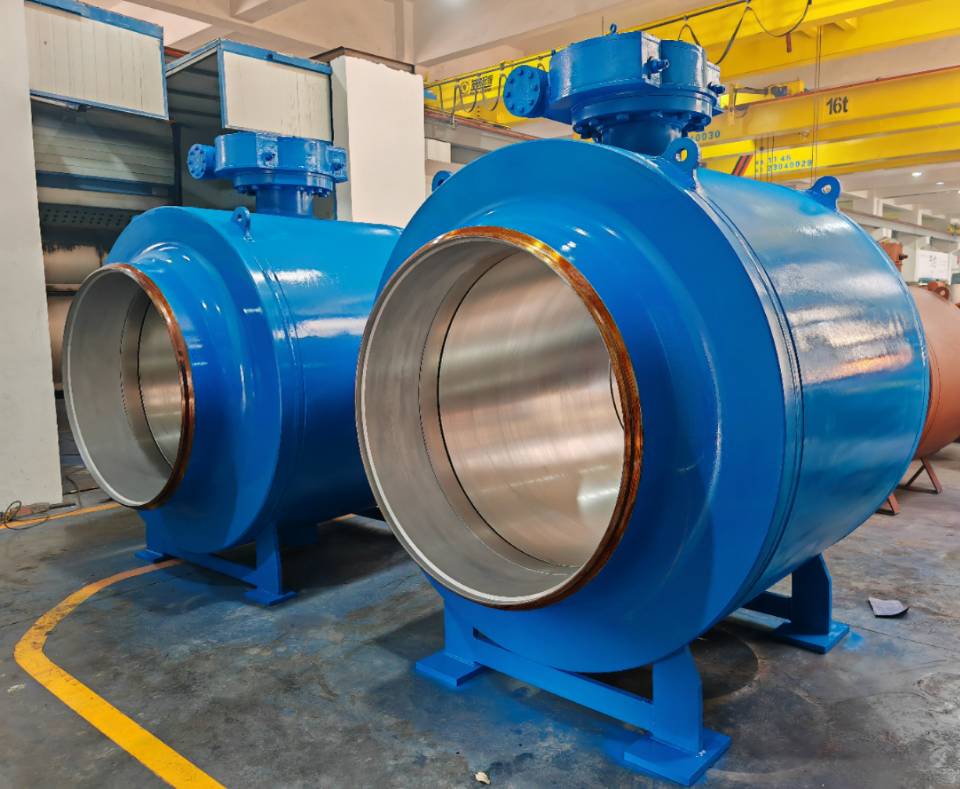
Globe valve performance is fundamentally governed by fluid dynamics and stress analysis. Flow through a globe valve is characterized by significant pressure drop due to the abrupt change in flow direction. The valve’s design minimizes turbulence to improve flow efficiency, but inherent restrictions remain. Force analysis is critical, particularly regarding the stem and disc. Hydrostatic forces acting on the disc when the valve is closed, and dynamic forces from flowing media, require robust stem-to-disc connections. Environmental resistance is heavily influenced by the stainless steel grade selected. Exposure to high temperatures can reduce the material’s strength and corrosion resistance, necessitating careful material selection for high-temperature applications. Cryogenic temperatures can cause embrittlement, demanding specialized materials and design considerations. Compliance requirements vary by industry and region. ASME B16.34 governs valve pressure-temperature ratings, while API 600 specifies requirements for gate, globe, and check valves. For hazardous environments, ATEX (Europe) and IECEx (International) certifications are essential, ensuring the valve does not generate ignition sources. Functional implementation often involves actuator integration—pneumatic, electric, or hydraulic—for automated control. Proper sizing of the actuator is vital to ensure reliable operation and avoid over-stressing valve components.
Technical Specifications
| Parameter | Unit | 304/304L Stainless Steel | 316/316L Stainless Steel |
|---|---|---|---|
| Maximum Operating Pressure | psi | 2000 | 2000 |
| Temperature Range | °F | -328 to 650 | -328 to 650 |
| Cv (Flow Coefficient) – 2” Valve | gpm | 35 | 35 |
| Connection Type | - | Threaded, Flanged, Socket Weld | Threaded, Flanged, Socket Weld |
| Actuator Type | - | Pneumatic, Electric, Manual | Pneumatic, Electric, Manual |
| Seat Material | - | PTFE, Reinforced PTFE | PTFE, Reinforced PTFE |
Failure Mode & Maintenance
Stainless steel globe valves are susceptible to several failure modes. Erosion, particularly in high-velocity flow applications, can wear the disc and seat, leading to leakage. Corrosion, although mitigated by the stainless steel material, can still occur due to specific media compositions and environmental conditions. Pitting corrosion is a concern in chloride-containing environments. Fatigue cracking can develop in the stem or disc due to cyclic loading and stress concentrations. Delamination of the valve seat material (typically PTFE) can occur, leading to reduced sealing performance. Oxidation at high temperatures can alter the material’s properties. Maintenance typically involves periodic inspection for wear and corrosion. Regular lubrication of the stem is crucial for smooth operation. Seat replacement is necessary when leakage occurs. Preventive maintenance programs should include hydrostatic testing to verify valve integrity. When disassembling the valve, careful attention must be paid to proper reassembly procedures, ensuring correct torque specifications are followed to avoid distortion or damage. For critical applications, non-destructive testing (NDT) methods, such as ultrasonic testing or radiographic inspection, can be employed to detect hidden flaws.
Industry FAQ
Q: What is the primary difference between a 304 and a 316 stainless steel globe valve in terms of corrosion resistance?
A: The key difference lies in the molybdenum content. 316 stainless steel contains 2-3% molybdenum, significantly enhancing its resistance to chloride pitting and crevice corrosion, making it superior to 304 in marine environments or applications involving harsh chemicals, especially chlorides.
Q: How does the Kv value relate to the Cv value, and why is it important?
A: Kv (metric) and Cv (US customary) are both measures of flow capacity. Kv is expressed in m³/h at a 1 bar pressure drop, while Cv is expressed in gallons per minute (gpm) at a 1 psi pressure drop. They are mathematically related. Accurate flow coefficient determination is crucial for proper valve sizing, ensuring optimal performance and avoiding issues like cavitation or excessive pressure drop.
Q: What is the impact of hydrostatic testing and why is it a critical quality control step?
A: Hydrostatic testing involves pressurizing the valve body with a non-compressible fluid (typically water) to a pressure significantly higher than its rated working pressure. This test verifies the structural integrity of the valve, detects leaks, and ensures the valve can withstand the stresses it will encounter during operation. It is essential for confirming the valve meets safety and performance standards.
Q: What are the common causes of seat leakage in globe valves and what corrective actions can be taken?
A: Common causes include wear due to erosion or abrasion, damage from solids in the fluid stream, and delamination of the seat material. Corrective actions involve inspecting the seat for damage, replacing the seat if necessary, ensuring proper stem alignment, and implementing filtration to remove solids from the fluid.
Q: How does the selection of the actuator type (pneumatic, electric, manual) impact the overall system performance and maintenance requirements?
A: Pneumatic actuators offer fast response times and are suitable for remote operation but require a compressed air supply. Electric actuators provide precise control and are ideal for automated systems but require electrical power. Manual actuators are the simplest and most reliable but require manual operation. Maintenance requirements vary accordingly: pneumatics require air filter maintenance, electric actuators require motor and gear inspection, and manual actuators require minimal maintenance.
Conclusion
Stainless steel globe valves represent a robust and versatile solution for flow control across diverse industrial applications. Their performance is inextricably linked to material selection, meticulous manufacturing processes, and adherence to stringent industry standards. Understanding the nuances of material science – particularly the benefits of 316 stainless steel in corrosive environments – is paramount for long-term reliability.
Proper maintenance and preventative inspection are critical to minimizing failure modes such as erosion, corrosion, and seat leakage. Ongoing advancements in valve design and actuator technology continue to improve efficiency and automation capabilities, but the fundamental principles of fluid dynamics and mechanical integrity remain central to their successful operation. Selecting the appropriate valve specification and implementing a comprehensive maintenance program will ultimately ensure safe, efficient, and cost-effective performance.
-
Top Reasons to Choose a Stainless Steel Flange Check Valve for Industrial Applications
-
flange 8 inch Performance Analysis
-
Ring Flange Performance Analysis
-
3 inch split flange Performance Analysis
-
Tongue and groove flange Performance Analysis
-
Grooved Flange Performance Analysis
-
o ring flange Performance Analysis
-
Ring Flanges Performance Analysis
-
Groove Flange Performance Analysis
-
Tongue and groove flanges Performance Analysis
-
12 inch flange Performance Analysis
-
Header Exhaust Flange Material Science
-
Header Exhaust Flanges Performance Analysis
-
Spacer Ring Flanges Material Science Manufacturing
-
tee flange Performance Analysis
 Afrikaans
 Albanian
 Amharic
 Arabic
 Armenian
 Azerbaijani
 Basque
 Belarusian
 Bengali
 Bosnian
 Bulgarian
 Catalan
 Cebuano
 Corsican
 Croatian
 Czech
Czech
 Danish
 Dutch
Dutch
 Esperanto
 Estonian
 Finnish
 French
 Frisian
 Galician
 Georgian
 German
 Greek
Greek
 Gujarati
 Haitian Creole
 Hausa
Hawaiian
Hausa
Hawaiian
 Hebrew
 Hindi
Hindi
 Miao
Miao
 Hungarian
 Icelandic
 Igbo
Igbo
 Indonesian
 Irish
Irish
 Italian
 Japanese
 Javanese
Kannada
Javanese
Kannada
 Kazakh
 Khmer
Khmer
 Rwandese
 Korean
 Kurdish
 Kyrgyz
 Lao
Lao
 Latin
Latin
 Latvian
 Lithuanian
 Luxembourgish
 Macedonian
 Malgashi
 Malay
Malay
 Malayalam
 Maltese
 Maori
Maori
 Marathi
 Mongolian
 Myanmar
 Nepali
 Norwegian
 Norwegian
 Occitan
 Pashto
 Persian
 Polish
 Portuguese
Punjabi
Portuguese
Punjabi
 Romanian
 Russian
 Samoan
 Scottish Gaelic
 Serbian
 Sesotho
 Shona
Shona
 Sindhi
 Sinhala
 Slovak
 Slovenian
 Somali
 Spanish
 Sundanese
 Swahili
 Swedish
Tagalog
Swedish
Tagalog
 Tajik
Tajik
 Tamil
Tamil
 Tatar
Tatar
 Telugu
 Thai
Thai
 Turkish
 Turkmen
 Ukrainian
 Urdu
Urdu
 Uighur
 Uzbek
Uzbek
 Vietnamese
 Welsh
Welsh
 Bantu
Bantu
 Yiddish
 Yoruba
 Zulu
Zulu
 English