




wafer butterfly valve Performance Analysis
Introduction
Wafer butterfly valves are a crucial component in fluid handling systems across diverse industries, including chemical processing, wastewater treatment, fire protection, and HVAC. Characterized by a rotating disc positioned within the valve body, they regulate flow with a quarter-turn operation. Unlike lug or flanged butterfly valves, wafer-style valves are designed to be installed between two flanges, relying on the flange faces for sealing. Their lightweight construction, compact design, and relatively low cost make them advantageous compared to other valve types, especially in large-diameter applications. However, their performance characteristics, particularly concerning tight shut-off and pressure ratings, require careful consideration based on specific application needs. Core performance is defined by flow coefficient (Cv), pressure drop, sealing class (ANSI/FCI 70-2), and allowable operating temperature and pressure. Industry challenges center around achieving reliable sealing, mitigating erosion in abrasive fluid services, and selecting appropriate materials for chemical compatibility.
Material Science & Manufacturing
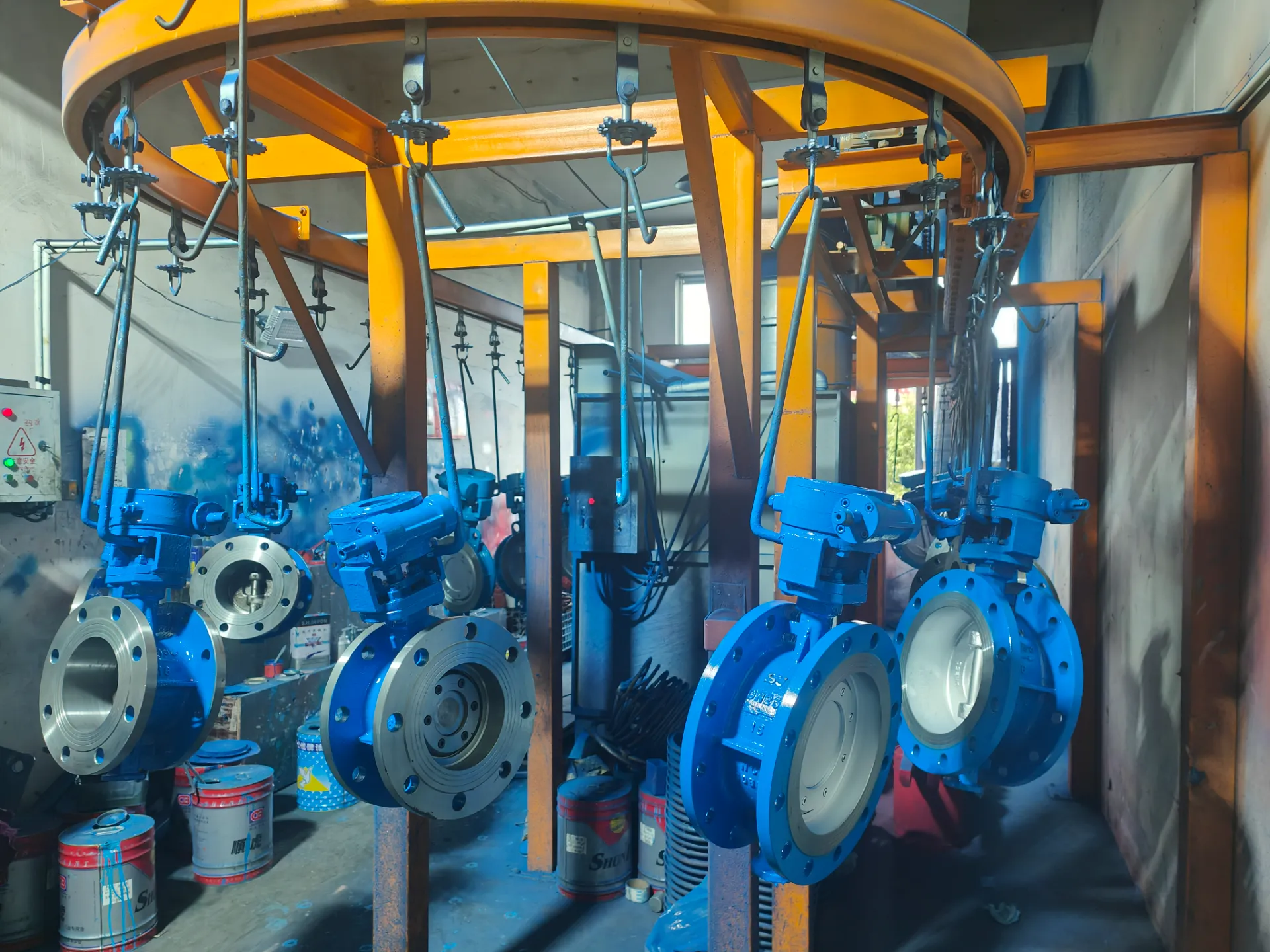
The construction of a wafer butterfly valve involves several key materials, each selected for specific properties. Valve bodies are commonly manufactured from ductile iron (ASTM A536-89 65-45-12), stainless steel (304/316 - ASTM A240), or polymeric materials like PTFE or PVC. Ductile iron provides good strength and corrosion resistance for general applications. Stainless steel offers superior corrosion resistance, crucial for handling aggressive chemicals and high-purity fluids. The disc is often constructed from the same material as the body, but can also be made of specialized alloys like Hastelloy or Monel for extreme environments. The valve seat, responsible for the primary seal, is typically made of elastomers (EPDM, Buna-N, Viton) or reinforced PTFE. The choice of elastomer depends on the fluid compatibility and temperature range. Manufacturing processes include casting (for iron and steel bodies), injection molding (for polymeric bodies and seats), and machining. The disc undergoes precision machining to ensure accurate centering and smooth rotation. Welding procedures (AWS D1.1 for steel) are critical when joining components, requiring qualified welders and stringent quality control. Key parameter control includes material certification, dimensional accuracy (using Coordinate Measuring Machines - CMM), and non-destructive testing (NDT) such as liquid penetrant inspection (LPI) and radiographic testing (RT) to detect flaws. Surface treatments like epoxy coating are applied to ductile iron bodies to enhance corrosion resistance according to ASTM A588.
Performance & Engineering
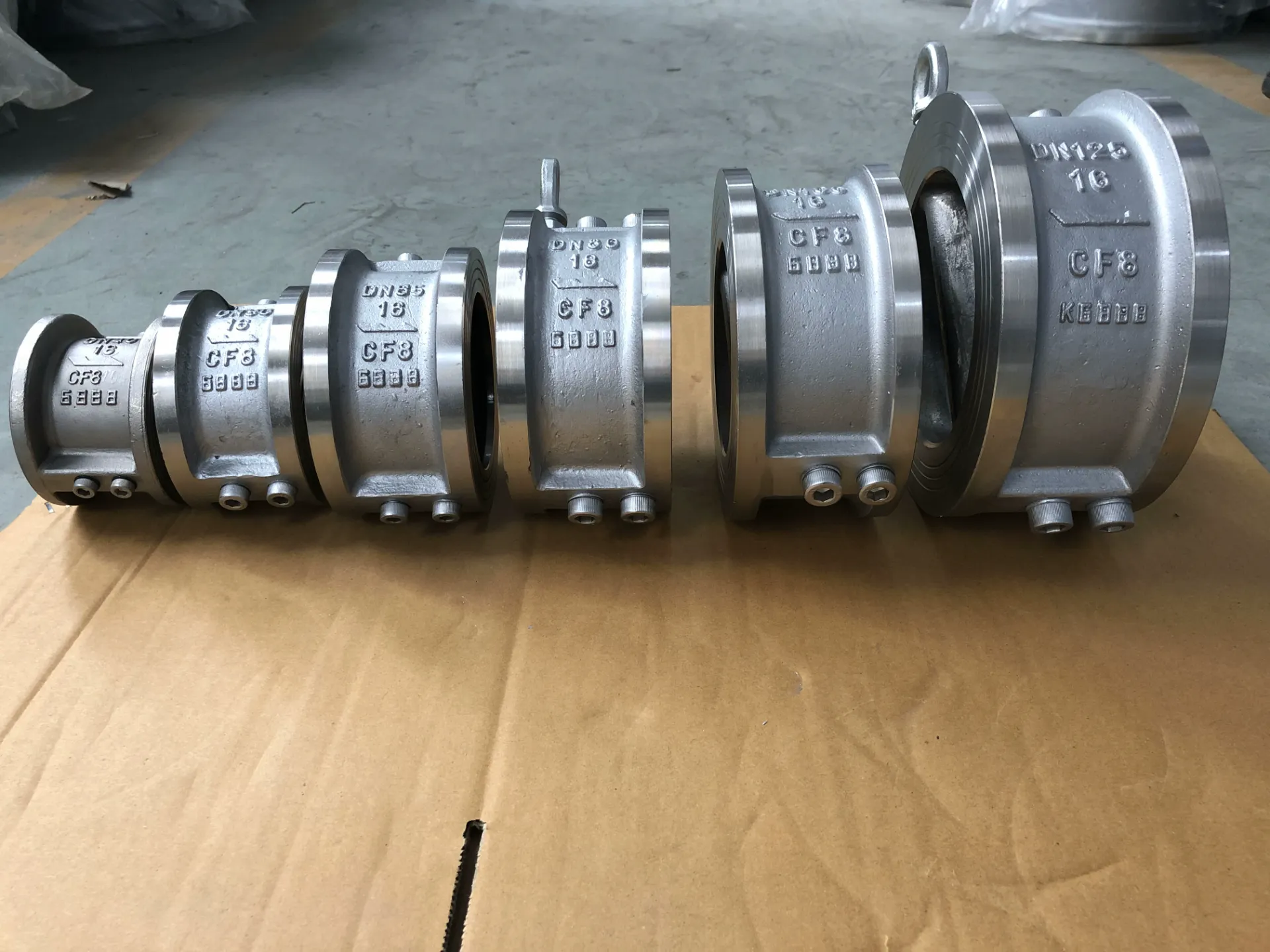
The performance of a wafer butterfly valve is governed by several engineering principles. Torque requirements to operate the valve depend on the fluid pressure, disc diameter, and seat friction. These are calculated using standardized formulas considering fluid viscosity and flow velocity. Flow coefficient (Cv) determines the valve’s capacity to pass fluid, and is crucial for system sizing. Environmental resistance, particularly temperature and pressure fluctuations, significantly affects valve life. High temperatures can degrade elastomers, leading to leakage. Pressure cycling induces fatigue in the disc and shaft, potentially causing cracking. Compliance requirements vary by industry. For potable water applications, valves must meet NSF/ANSI 61 standards for lead content and material safety. For hazardous environments, valves must comply with ATEX or IECEx standards for explosion protection. Fire safety standards like API 6FA are critical for fire protection systems. Functional implementation involves selecting the appropriate actuator (manual, pneumatic, electric) based on required operating force and control scheme. Shaft seals are designed to prevent leakage around the shaft, utilizing O-rings or packing glands. Proper shaft alignment is critical to prevent bearing wear and ensure smooth operation. Finite element analysis (FEA) is commonly used to optimize valve design, minimizing stress concentrations and maximizing structural integrity.
Technical Specifications
| Parameter | Unit | Typical Value (Ductile Iron Body, EPDM Seat) | Typical Value (Stainless Steel 316 Body, PTFE Seat) |
|---|---|---|---|
| Maximum Operating Pressure | psi | 250 | 360 |
| Operating Temperature Range | °F | -20 to 230 | -200 to 450 |
| Valve Size (Diameter) | inch | 2 - 24 | 2 - 48 |
| Cv (Flow Coefficient) | GPM | 200-2000 (varies with size & opening) | 250-2500 (varies with size & opening) |
| Sealing Class (ANSI/FCI 70-2) | Class | Class V (Bubble-Tight) | Class VI (Bubble-Tight) |
| Actuator Type | - | Manual, Pneumatic, Electric | Manual, Pneumatic, Electric |
Failure Mode & Maintenance
Wafer butterfly valves are susceptible to several failure modes. Corrosion is a common issue, particularly with ductile iron bodies in corrosive environments. Erosion can occur in services containing abrasive particles, damaging the disc and seat. Elastomer degradation (swelling, cracking, hardening) due to chemical incompatibility or temperature extremes leads to leakage. Fatigue cracking can occur in the disc or shaft due to cyclic loading. Shaft bending or distortion can result from improper installation or excessive torque. Delamination of the valve seat can cause complete failure. Oxidation can affect stainless steel components at high temperatures. Preventive maintenance is crucial. Regular inspection of the disc, seat, and shaft for signs of wear or corrosion is essential. Lubrication of the shaft bearings prevents seizing. Periodic testing of the valve’s sealing capability using pressure testing verifies leak tightness. Replacement of worn or damaged seats and packing glands is necessary. For pneumatic actuators, air filter maintenance ensures clean operation. Scheduled torque checks verify proper actuator settings. In case of leakage, immediate shutdown and investigation are required to identify the cause and implement corrective actions. Compliance with a documented preventative maintenance schedule (based on ISO 9001 principles) significantly extends valve life and minimizes downtime.
Industry FAQ
Q: What is the primary difference between a wafer and a lug butterfly valve in terms of installation and sealing?
A: Wafer valves require the system flanges to provide the sealing surface, relying on bolt holes to secure the valve between the flanges. Lug valves have a protruding lug around each bolt hole, allowing for bi-directional bolting and independent sealing independent of the flange. Consequently, lug valves are often used in applications where flange distortion or misalignment is a concern, while wafer valves are more cost-effective for consistent flange surfaces.
Q: How do I select the appropriate seat material for a valve handling a specific chemical?
A: Seat material selection depends on chemical compatibility. Consult chemical resistance charts (available from elastomer manufacturers) to determine the best material for your specific fluid. EPDM is suitable for water and mild chemicals, Buna-N for oils and fuels, Viton for aggressive chemicals and high temperatures, and PTFE for highly corrosive fluids. Incorrect material selection leads to swelling, degradation, and eventual failure.
Q: What are the implications of using a valve with a lower pressure rating than the system's operating pressure?
A: Using a valve with an insufficient pressure rating is extremely dangerous and can lead to catastrophic failure. The valve body, disc, and seat can rupture under excessive pressure, causing damage, injury, or environmental release. Always ensure the valve’s pressure rating exceeds the maximum system pressure, with a suitable safety factor.
Q: What maintenance should be performed on a pneumatically actuated wafer butterfly valve?
A: Maintenance should include regular air filter replacement to ensure clean, dry air supply to the actuator. Inspect air lines for leaks and damage. Lubricate actuator linkages and bearings. Calibrate the actuator to ensure accurate valve positioning. Monitor the solenoid valves for proper function. Check for any signs of corrosion or wear on actuator components.
Q: How does valve size impact the flow rate and pressure drop in a pipeline system?
A: Larger valve sizes offer lower resistance to flow, resulting in higher flow rates and lower pressure drops. However, excessive valve size can lead to poor control and increased cost. Valve sizing calculations based on flow requirements and system characteristics are essential to optimize performance and minimize energy losses. Using a valve that's too small results in excessive pressure drop and cavitation.
Conclusion
Wafer butterfly valves offer a cost-effective and efficient solution for flow control in a wide range of industrial applications. Understanding the material science, manufacturing processes, performance characteristics, and potential failure modes is crucial for proper selection, installation, and maintenance. Selecting the correct materials for the valve body and seat, coupled with adherence to industry standards and preventative maintenance schedules, ensures long-term reliability and minimizes operational costs.
Future developments in wafer butterfly valve technology focus on advanced sealing materials, improved actuator control systems, and the integration of smart sensors for predictive maintenance. These advancements aim to enhance valve performance, reduce leakage rates, and optimize energy efficiency. Careful consideration of application-specific requirements and adherence to best practices will continue to drive the successful implementation of this essential flow control component.
-
Top Reasons to Choose a Stainless Steel Flange Check Valve for Industrial Applications
-
flange 8 inch Performance Analysis
-
Ring Flange Performance Analysis
-
3 inch split flange Performance Analysis
-
Tongue and groove flange Performance Analysis
-
Grooved Flange Performance Analysis
-
o ring flange Performance Analysis
-
Ring Flanges Performance Analysis
-
Groove Flange Performance Analysis
-
Tongue and groove flanges Performance Analysis
-
12 inch flange Performance Analysis
-
Header Exhaust Flange Material Science
-
Header Exhaust Flanges Performance Analysis
-
Spacer Ring Flanges Material Science Manufacturing
-
tee flange Performance Analysis
 Afrikaans
 Albanian
 Amharic
 Arabic
 Armenian
 Azerbaijani
 Basque
 Belarusian
 Bengali
 Bosnian
 Bulgarian
 Catalan
 Cebuano
 Corsican
 Croatian
 Czech
Czech
 Danish
 Dutch
Dutch
 Esperanto
 Estonian
 Finnish
 French
 Frisian
 Galician
 Georgian
 German
 Greek
Greek
 Gujarati
 Haitian Creole
 Hausa
Hawaiian
Hausa
Hawaiian
 Hebrew
 Hindi
Hindi
 Miao
Miao
 Hungarian
 Icelandic
 Igbo
Igbo
 Indonesian
 Irish
Irish
 Italian
 Japanese
 Javanese
Kannada
Javanese
Kannada
 Kazakh
 Khmer
Khmer
 Rwandese
 Korean
 Kurdish
 Kyrgyz
 Lao
Lao
 Latin
Latin
 Latvian
 Lithuanian
 Luxembourgish
 Macedonian
 Malgashi
 Malay
Malay
 Malayalam
 Maltese
 Maori
Maori
 Marathi
 Mongolian
 Myanmar
 Nepali
 Norwegian
 Norwegian
 Occitan
 Pashto
 Persian
 Polish
 Portuguese
Punjabi
Portuguese
Punjabi
 Romanian
 Russian
 Samoan
 Scottish Gaelic
 Serbian
 Sesotho
 Shona
Shona
 Sindhi
 Sinhala
 Slovak
 Slovenian
 Somali
 Spanish
 Sundanese
 Swahili
 Swedish
Tagalog
Swedish
Tagalog
 Tajik
Tajik
 Tamil
Tamil
 Tatar
Tatar
 Telugu
 Thai
Thai
 Turkish
 Turkmen
 Ukrainian
 Urdu
Urdu
 Uighur
 Uzbek
Uzbek
 Vietnamese
 Welsh
Welsh
 Bantu
Bantu
 Yiddish
 Yoruba
 Zulu
Zulu
 English