




1 inch needle valve Performance Analysis
Introduction
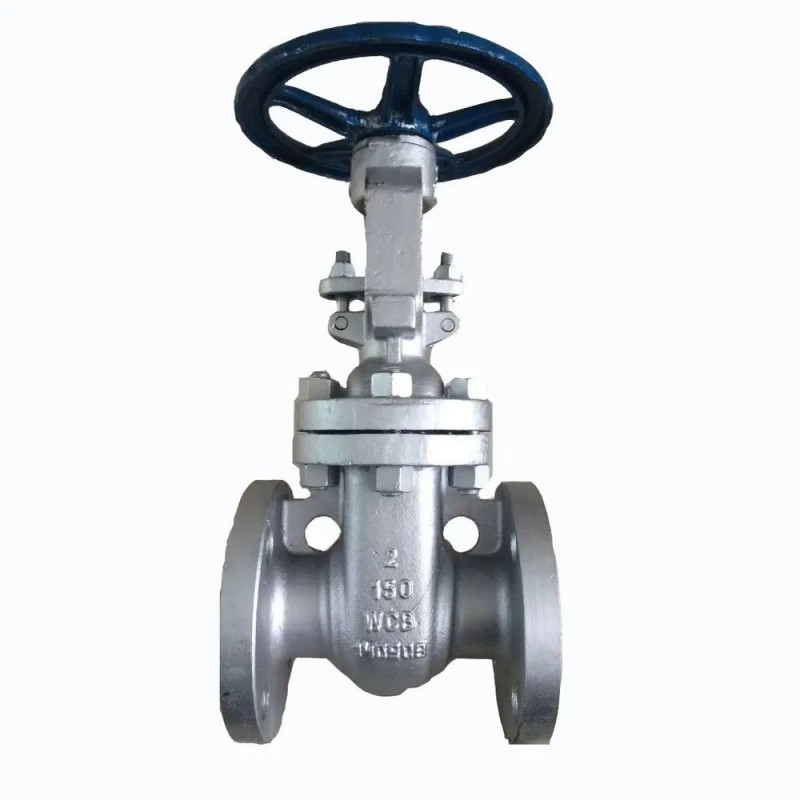
A 1-inch needle valve is a precision fluid flow control device employed across a wide spectrum of industrial applications. Characterized by a streamlined, tapered needle within a corresponding seat, it provides accurate and repeatable throttling of liquids and gases. Positioned within the fluid control chain, it operates downstream of pumps, filters, and other primary system components, providing fine-tuned flow regulation. Its core performance metrics revolve around consistent flow characteristics, minimal leakage, and robust resistance to the media being controlled. Unlike ball valves which provide on/off functionality, needle valves excel in applications requiring incremental flow adjustments, such as sampling systems, pilot plant operations, and precise dosing. A common pain point in process industries is maintaining consistent process parameters; the 1-inch needle valve addresses this by enabling precise control, reducing process variability and improving product quality. Selection criteria often involve compatibility with the process fluid, pressure and temperature ratings, and the required level of precision.
Material Science & Manufacturing
The construction of a 1-inch needle valve typically utilizes several key materials. The valve body is frequently manufactured from 316 Stainless Steel (SS316) due to its excellent corrosion resistance, particularly in aggressive chemical environments. Other common body materials include 304 Stainless Steel, Brass (C37700), and Carbon Steel (ASTM A105). The needle and seat are critical components; these are often crafted from hardened alloys like 410 Stainless Steel or Tungsten Carbide to resist wear and erosion from the flowing media. PTFE (Polytetrafluoroethylene) is frequently employed as a seat material for its low friction coefficient and chemical inertness. Manufacturing processes vary based on material and complexity. SS316 bodies are typically produced via investment casting or CNC machining, ensuring dimensional accuracy and surface finish. Brass bodies are often manufactured through hot forging followed by machining. The needle is precision-machined and lapped to achieve a smooth, leak-tight seal against the seat. Critical parameters during manufacturing include maintaining tight tolerances on the needle diameter and seat angle to ensure consistent flow control and prevent galling. Weld integrity in stainless steel valves is paramount, requiring full penetration welds and subsequent non-destructive testing (NDT) like radiography or liquid penetrant inspection to detect defects. Post-machining passivation treatments on stainless steel components are essential to enhance corrosion resistance by forming a protective chromium-rich oxide layer.
Performance & Engineering
The performance of a 1-inch needle valve is heavily influenced by fluid dynamics and material properties. Force analysis dictates the required torque to operate the handwheel, accounting for fluid pressure, stem diameter, and friction within the stem threads. The Cv (flow coefficient) value is a critical engineering parameter, quantifying the valve’s capacity to pass fluid at a given pressure drop. Higher Cv values indicate greater flow capacity. Environmental resistance is vital; valves used in outdoor applications or corrosive environments must withstand temperature fluctuations, UV exposure, and chemical attack. Compliance requirements vary by industry. For example, valves used in pharmaceutical applications must adhere to stringent sanitary standards (e.g., 3-A Sanitary Standards) and be constructed from FDA-approved materials. In the oil and gas industry, valves must meet API 6D standards for design, manufacturing, and testing. Functional implementation considerations include the valve’s actuation method (manual, pneumatic, or electric) and its integration into the overall control system. Leakage rates are a key performance indicator, typically measured in terms of bubbles per minute (BPM) for gas service and drops per minute (DPM) for liquid service. Finite element analysis (FEA) is often used during the design phase to optimize the valve body geometry and ensure structural integrity under pressure.
Technical Specifications
| Parameter | Specification | Unit | Test Standard |
|---|---|---|---|
| Nominal Size | 1 inch | - | ANSI B1.20.1 |
| Maximum Pressure | 1000 | PSI | API 598 |
| Temperature Range | -60 to 400 | °F | ASTM E203 |
| Cv Value | 1.5 - 5.0 (depending on design) | - | IEC 60534-4 |
| Connection Type | NPT, BSPT, Socket Weld, Flange | - | ASME B1.20.1 |
| Body Material | 316 Stainless Steel, Brass, Carbon Steel | - | ASTM A743, ASTM B16 |
Failure Mode & Maintenance
Several failure modes are common in 1-inch needle valves. Fatigue cracking can occur in the stem due to repeated cycling, particularly under high pressure. Erosion of the needle and seat is common when handling abrasive fluids or slurries. Delamination of PTFE seats can occur due to thermal cycling or chemical attack. Oxidation and corrosion can affect the valve body, particularly in corrosive environments. Galling of the stem threads can lead to increased operating torque and eventual seizure. Leakage past the seat is a common symptom of wear or damage. Preventive maintenance is crucial. Regular inspection of the valve body for corrosion or cracks is essential. Lubrication of the stem threads with a compatible lubricant prevents galling. Periodic replacement of the PTFE seat extends the valve’s lifespan. When disassembling the valve for maintenance, always depressurize the system and follow lockout/tagout procedures. After reassembly, perform a leak test to verify proper sealing. Regular cleaning to remove debris and sediment prevents clogging and ensures smooth operation. For valves operating in critical applications, consider implementing a scheduled maintenance program based on operating hours or fluid throughput.
Industry FAQ
Q: What is the difference between a needle valve and a ball valve in terms of flow control accuracy?
A: Ball valves provide on/off functionality with limited throttling capability. Needle valves, with their tapered needle design, allow for precise and repeatable flow regulation, making them superior for applications requiring fine control. The smaller orifice area change with needle movement allows for more incremental flow adjustments.
Q: How do I select the appropriate material for a needle valve based on the process fluid?
A: Material selection depends on the chemical compatibility of the fluid with the valve body, stem, and seat materials. For corrosive fluids, 316 Stainless Steel or Hastelloy are recommended. For non-corrosive fluids, Brass or Carbon Steel may suffice. PTFE is a common seat material due to its broad chemical inertness.
Q: What is the significance of the Cv value when selecting a needle valve?
A: The Cv value indicates the valve’s flow capacity. It’s essential to select a valve with a Cv value appropriate for the desired flow rate and pressure drop in the system. An undersized valve will restrict flow, while an oversized valve may not provide adequate control.
Q: How do I address leakage issues in a needle valve?
A: Leakage often indicates wear or damage to the needle and seat. Try tightening the packing gland, but if leakage persists, the seat may need to be replaced. Ensure the needle and seat surfaces are clean and free from debris. If galling has occurred, the stem may need to be replaced.
Q: What are the typical applications where a 1-inch needle valve is preferred?
A: Common applications include sampling systems, pilot plant operations, gas chromatography, precise dosing of chemicals, regulating flow to instrumentation, and controlling low-flow rates in analytical equipment. They are preferred where accuracy and repeatability are critical.
Conclusion
The 1-inch needle valve represents a crucial component in a vast array of industrial processes requiring precise fluid control. Its effective performance is inextricably linked to material selection, manufacturing precision, and adherence to industry standards. Understanding the interplay between flow dynamics, material compatibility, and potential failure modes is paramount for ensuring reliable and long-term operation.
Moving forward, advancements in materials science and manufacturing techniques will continue to enhance the capabilities of needle valves. Development of new sealing materials with improved wear resistance and chemical compatibility will further extend valve lifespan and reduce maintenance requirements. Furthermore, the integration of smart valve technology, incorporating sensors and actuators, will enable remote monitoring and automated flow control, optimizing process efficiency and safety.
-
Top Reasons to Choose a Stainless Steel Flange Check Valve for Industrial Applications
-
8 inch flange Performance Analysis
-
angle ring flanges Performance Analysis
-
Flat Flanges Performance Analysis
-
Full Face Flange Performance Analysis
-
Full Face Flanges Performance Analysis
-
flange 8 inch Performance Analysis
-
Ring Flange Performance Analysis
-
3 inch split flange Performance Analysis
-
Tongue and groove flange Performance Analysis
-
Grooved Flange Performance Analysis
-
o ring flange Performance Analysis
-
Ring Flanges Performance Analysis
-
Groove Flange Performance Analysis
-
Tongue and groove flanges Performance Analysis
 Afrikaans
 Albanian
 Amharic
 Arabic
 Armenian
 Azerbaijani
 Basque
 Belarusian
 Bengali
 Bosnian
 Bulgarian
 Catalan
 Cebuano
 Corsican
 Croatian
 Czech
Czech
 Danish
 Dutch
Dutch
 Esperanto
 Estonian
 Finnish
 French
 Frisian
 Galician
 Georgian
 German
 Greek
Greek
 Gujarati
 Haitian Creole
 Hausa
Hawaiian
Hausa
Hawaiian
 Hebrew
 Hindi
Hindi
 Miao
Miao
 Hungarian
 Icelandic
 Igbo
Igbo
 Indonesian
 Irish
Irish
 Italian
 Japanese
 Javanese
Kannada
Javanese
Kannada
 Kazakh
 Khmer
Khmer
 Rwandese
 Korean
 Kurdish
 Kyrgyz
 Lao
Lao
 Latin
Latin
 Latvian
 Lithuanian
 Luxembourgish
 Macedonian
 Malgashi
 Malay
Malay
 Malayalam
 Maltese
 Maori
Maori
 Marathi
 Mongolian
 Myanmar
 Nepali
 Norwegian
 Norwegian
 Occitan
 Pashto
 Persian
 Polish
 Portuguese
Punjabi
Portuguese
Punjabi
 Romanian
 Russian
 Samoan
 Scottish Gaelic
 Serbian
 Sesotho
 Shona
Shona
 Sindhi
 Sinhala
 Slovak
 Slovenian
 Somali
 Spanish
 Sundanese
 Swahili
 Swedish
Tagalog
Swedish
Tagalog
 Tajik
Tajik
 Tamil
Tamil
 Tatar
Tatar
 Telugu
 Thai
Thai
 Turkish
 Turkmen
 Ukrainian
 Urdu
Urdu
 Uighur
 Uzbek
Uzbek
 Vietnamese
 Welsh
Welsh
 Bantu
Bantu
 Yiddish
 Yoruba
 Zulu
Zulu
 English