




10000 psi needle valve Performance Engineering

Introduction
10,000 psi needle valves are precision flow control devices critical in applications demanding accurate and repeatable regulation of fluids under high pressure. Positioned within the broader industrial valve ecosystem, these valves act as essential components in systems across the oil and gas, chemical processing, hydraulic testing, and aerospace industries. Unlike other valve types such as ball valves or gate valves which are generally used for on/off service, needle valves excel at fine flow adjustments. Their core performance characteristics revolve around precise metering, leak-tight shutoff, and robust construction capable of withstanding extreme pressures and often, corrosive media. The primary challenge in designing and applying these valves centers around material selection to mitigate erosion, corrosion, and pressure-induced failure, alongside ensuring minimal internal leakage even at maximum operating pressure. This guide provides an in-depth technical analysis of 10,000 psi needle valves, covering material science, manufacturing processes, performance engineering, failure modes, and relevant industry standards.
Material Science & Manufacturing
The performance and longevity of a 10,000 psi needle valve are intrinsically linked to the materials used in its construction and the precision of the manufacturing processes employed. Valve bodies are commonly fabricated from high-strength alloys such as 316/316L stainless steel, Alloy 718 (Nickel-Chromium-Iron alloy), or Monel 400 (Nickel-Copper alloy) depending on the fluid compatibility requirements. These materials offer excellent corrosion resistance and yield strength. The valve stem and needle itself are typically manufactured from hardened stainless steel, often utilizing precipitation hardening treatments (e.g., 17-4 PH) to achieve a Rockwell C hardness of 55-60. This hardness is crucial for resisting wear and erosion from the high-velocity fluid passing through the valve. Seat materials are a critical factor; options include PTFE (Teflon), PEEK (Polyether ether ketone), or metal-to-metal seals (typically utilizing a softer metal like a reinforced PTFE compound).
Manufacturing involves several key processes. The valve body is typically machined from bar stock using CNC turning and milling. Precise internal threading is essential for the stem and seat interfaces. The needle is produced through a combination of machining, grinding, and polishing to achieve a smooth, conical shape for optimal sealing. The stem undergoes a similar process, with particular attention paid to surface finish to minimize friction within the valve body. Welding is sometimes used for joining components, and all welds must undergo non-destructive testing (NDT) such as radiography or liquid penetrant inspection to ensure integrity. Critical parameters include dimensional tolerances (holding tight clearances between the needle and seat), surface roughness (Ra values), and heat treatment controls to achieve the desired material properties. Passivation treatments are standard for stainless steel components to enhance corrosion resistance. Finally, rigorous hydrostatic testing to 1.5x the rated pressure is performed on every valve to verify leak tightness and structural integrity.
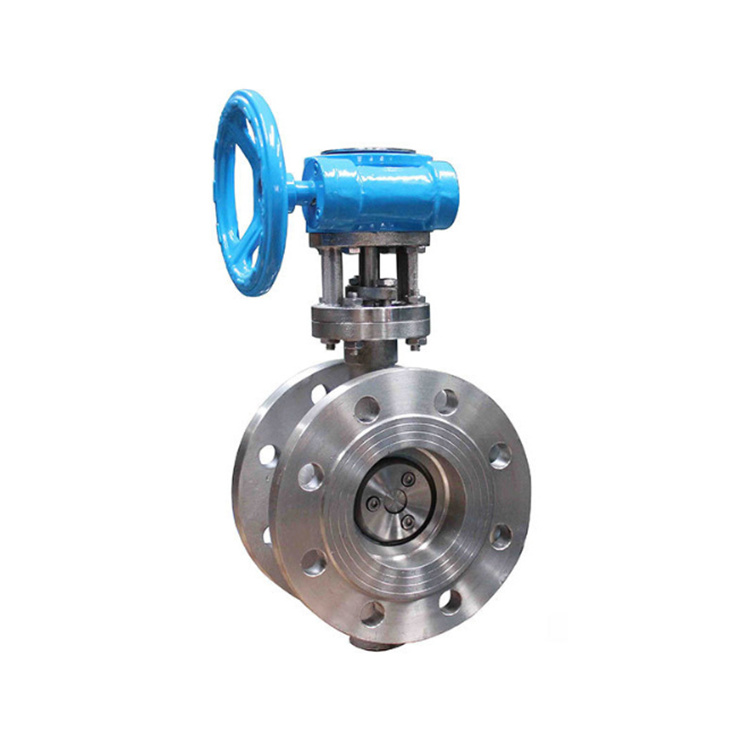
Performance & Engineering
The performance of a 10,000 psi needle valve is governed by principles of fluid dynamics and mechanical engineering. Force analysis is crucial in designing the stem and handle mechanism to withstand the operational torque required to open and close the valve, especially at high pressures. The Cv (flow coefficient) value, a measure of the valve's flow capacity, is dependent on the needle and seat geometry. Engineers utilize Bernoulli’s equation and computational fluid dynamics (CFD) modeling to optimize flow paths and minimize pressure drop. Environmental resistance is paramount; the valve must maintain its performance characteristics across a specified temperature range (typically -60°C to 200°C) and in the presence of potentially corrosive fluids.
Compliance requirements are driven by industry-specific regulations. For example, in the oil and gas sector, valves must meet NACE MR0175/ISO 15156 standards for sour service applications (handling fluids containing hydrogen sulfide). In the aerospace industry, materials must comply with AMS (Aerospace Material Specifications) standards. Functional implementation often involves integrating the valve into a larger control system, requiring consideration of electrical connections (for actuated valves), signal compatibility, and response time. Proper selection of O-rings and seals is crucial for preventing leaks and ensuring long-term reliability. Furthermore, understanding the fluid’s viscosity, density, and chemical properties is vital for selecting appropriate materials and predicting valve behavior.
Technical Specifications
| Parameter | Specification | Testing Standard | Typical Application |
|---|---|---|---|
| Maximum Pressure | 10,000 psi (689 bar) | ASME B31.3 | Hydraulic Testing Systems |
| Connection Type | 1/4" NPT, 1/2" NPT, 3/8" BSPT | ISO 7/1 | Process Control Instrumentation |
| Body Material | 316/316L Stainless Steel, Alloy 718 | ASTM A789 | Chemical Processing Plants |
| Stem Material | 17-4 PH Stainless Steel | ASTM A992 | Oil & Gas Applications |
| Seat Material | PTFE, PEEK | ASTM D5877 | Corrosive Fluid Handling |
| Temperature Range | -60°C to 200°C (-76°F to 392°F) | ASTM E83 | High/Low Temperature Systems |
Failure Mode & Maintenance
10,000 psi needle valves, while robust, are susceptible to specific failure modes. Fatigue cracking of the stem or valve body can occur due to cyclical pressure fluctuations and mechanical stress. Erosion of the needle and seat, particularly when handling abrasive fluids, leads to increased leakage and reduced flow control. Delamination of PTFE seats can result from exposure to high temperatures or aggressive chemicals. Oxidation of stainless steel components in oxygen-rich environments can cause corrosion and pitting. Another common failure point is O-ring degradation, leading to external leakage. Cavitation, caused by rapid pressure drops, can erode valve internals. A key failure analysis consideration is the potential for galling between the stem and valve body if lubrication is inadequate.
Preventative maintenance is crucial for extending valve life. Regular inspection for external leaks, particularly around the stem packing and connections, is essential. Periodic lubrication of the stem threads with a compatible grease reduces friction and prevents galling. Valve actuation should be smooth and consistent; any increase in torque required to operate the valve indicates potential internal wear or blockage. Scheduled replacement of O-rings and seals based on fluid compatibility and operating conditions prevents leakage. Hydrostatic testing should be performed annually to verify valve integrity. If internal erosion or damage is detected, the valve should be disassembled, inspected, and repaired with replacement parts. Proper storage in a clean, dry environment protects against corrosion. Implementing a proactive maintenance schedule, documented in a valve maintenance log, is best practice.
Industry FAQ
Q: What is the effect of fluid viscosity on the Cv value of a 10,000 psi needle valve?
A: Increased fluid viscosity generally decreases the Cv value. Viscous fluids exhibit higher internal resistance to flow, requiring a larger pressure drop to achieve a given flow rate. Therefore, a higher viscosity necessitates a larger valve opening (adjusting the needle further) to maintain the same flow, effectively reducing the Cv value for a given needle position.
Q: How do I select the appropriate seat material for a valve handling hydrochloric acid?
A: Hydrochloric acid is highly corrosive to many materials. PTFE is generally a poor choice as it can be attacked over time, especially at elevated temperatures. PEEK offers superior chemical resistance to HCl, but its temperature limitations must be considered. The best option often involves a metal-to-metal seat utilizing a fluoropolymer reinforced compound specifically formulated for HCl service, verified through compatibility testing with the specific acid concentration and temperature.
Q: What are the implications of exceeding the maximum pressure rating of the valve?
A: Exceeding the maximum pressure rating can lead to catastrophic failure. This includes stem breakage, body rupture, or seat expulsion. Even if immediate failure doesn’t occur, exceeding the pressure rating can cause permanent deformation of valve components, compromising its sealing capability and resulting in internal leakage. It voids any warranty and creates a significant safety hazard.
Q: What is the typical lifespan of a needle valve used in a continuous hydraulic testing application?
A: The lifespan varies significantly depending on the fluid being tested, the pressure cycling frequency, and the maintenance schedule. However, in a demanding continuous hydraulic testing application, a well-maintained valve can typically last between 6 months and 2 years. Regular inspection and stem lubrication are critical. Monitoring for increased leakage or changes in operating torque will indicate the need for repair or replacement.
Q: How does the valve’s construction material impact its susceptibility to corrosion?
A: The choice of construction material is paramount in resisting corrosion. Stainless steel alloys (316/316L) provide excellent general corrosion resistance. Alloy 718 and Monel 400 offer enhanced resistance to specific corrosive environments (e.g., chlorides, sulfuric acid). Proper passivation treatment of stainless steel components is also crucial. The specific fluid composition and operating temperature will dictate the most suitable material selection.
Conclusion
10,000 psi needle valves represent a crucial component in numerous high-pressure fluid control applications. Their precision, reliability, and ability to withstand extreme conditions are directly attributable to careful material selection, meticulous manufacturing processes, and adherence to stringent industry standards. Understanding the interplay between fluid properties, valve design, and potential failure modes is essential for optimal performance and longevity.
Looking forward, advancements in material science, particularly the development of novel alloys with improved corrosion resistance and strength, will continue to enhance the performance capabilities of these valves. Integration with smart sensor technology for real-time monitoring of valve health and predictive maintenance will further optimize operational efficiency and reduce downtime. Continued focus on robust design and rigorous testing will remain paramount in ensuring the safe and reliable operation of 10,000 psi needle valves in demanding industrial environments.
-
Top Reasons to Choose a Stainless Steel Flange Check Valve for Industrial Applications
-
8 inch flange Performance Analysis
-
angle ring flanges Performance Analysis
-
Flat Flanges Performance Analysis
-
Full Face Flange Performance Analysis
-
Full Face Flanges Performance Analysis
-
flange 8 inch Performance Analysis
-
Ring Flange Performance Analysis
-
3 inch split flange Performance Analysis
-
Tongue and groove flange Performance Analysis
-
Grooved Flange Performance Analysis
-
o ring flange Performance Analysis
-
Ring Flanges Performance Analysis
-
Groove Flange Performance Analysis
-
Tongue and groove flanges Performance Analysis
 Afrikaans
 Albanian
 Amharic
 Arabic
 Armenian
 Azerbaijani
 Basque
 Belarusian
 Bengali
 Bosnian
 Bulgarian
 Catalan
 Cebuano
 Corsican
 Croatian
 Czech
Czech
 Danish
 Dutch
Dutch
 Esperanto
 Estonian
 Finnish
 French
 Frisian
 Galician
 Georgian
 German
 Greek
Greek
 Gujarati
 Haitian Creole
 Hausa
Hawaiian
Hausa
Hawaiian
 Hebrew
 Hindi
Hindi
 Miao
Miao
 Hungarian
 Icelandic
 Igbo
Igbo
 Indonesian
 Irish
Irish
 Italian
 Japanese
 Javanese
Kannada
Javanese
Kannada
 Kazakh
 Khmer
Khmer
 Rwandese
 Korean
 Kurdish
 Kyrgyz
 Lao
Lao
 Latin
Latin
 Latvian
 Lithuanian
 Luxembourgish
 Macedonian
 Malgashi
 Malay
Malay
 Malayalam
 Maltese
 Maori
Maori
 Marathi
 Mongolian
 Myanmar
 Nepali
 Norwegian
 Norwegian
 Occitan
 Pashto
 Persian
 Polish
 Portuguese
Punjabi
Portuguese
Punjabi
 Romanian
 Russian
 Samoan
 Scottish Gaelic
 Serbian
 Sesotho
 Shona
Shona
 Sindhi
 Sinhala
 Slovak
 Slovenian
 Somali
 Spanish
 Sundanese
 Swahili
 Swedish
Tagalog
Swedish
Tagalog
 Tajik
Tajik
 Tamil
Tamil
 Tatar
Tatar
 Telugu
 Thai
Thai
 Turkish
 Turkmen
 Ukrainian
 Urdu
Urdu
 Uighur
 Uzbek
Uzbek
 Vietnamese
 Welsh
Welsh
 Bantu
Bantu
 Yiddish
 Yoruba
 Zulu
Zulu
 English