




316 ss globe valve Performance Analysis
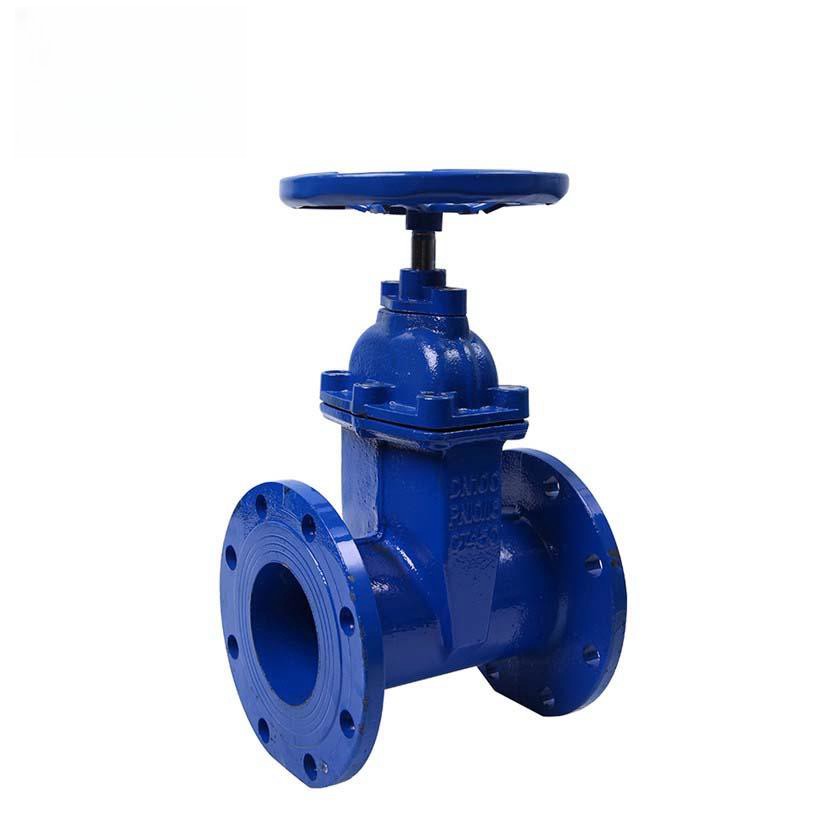
Introduction
The 316 stainless steel globe valve is a quarter-turn control valve designed to regulate flow in a pipeline. Positioned within the fluid control industry chain, it serves as a critical component in various applications including chemical processing, oil and gas, power generation, and water treatment. Its primary function is throttling, allowing for precise control of fluid flow rate. The selection of 316 stainless steel as the primary material provides superior corrosion resistance compared to other austenitic stainless steels, particularly in harsh environments containing chlorides and other corrosive agents. Core performance characteristics include tight shut-off capabilities, robust construction for high-pressure applications, and reliable operation minimizing leakage and ensuring process efficiency. Globe valves, unlike ball or butterfly valves, excel in applications requiring frequent throttling and precise flow control, although they typically introduce higher pressure drop.
Material Science & Manufacturing
316 stainless steel, the core material of these valves, is an austenitic stainless steel alloy containing chromium (16-18%), nickel (10-14%), molybdenum (2-3%), and small amounts of carbon and other elements. The molybdenum addition significantly enhances corrosion resistance, particularly pitting and crevice corrosion, in chloride-containing environments. Raw material selection focuses on verifying chemical composition through techniques like X-ray fluorescence (XRF) and ensuring conformance to ASTM A276 standards. Valve body manufacturing typically involves investment casting or forging, followed by precision machining to achieve tight tolerances on internal dimensions. The globe valve disc and seat are critical components, often manufactured from alloys exhibiting high wear resistance, such as PTFE (Polytetrafluoroethylene) or reinforced polymers. Welding processes, primarily using Gas Tungsten Arc Welding (GTAW) or Shielded Metal Arc Welding (SMAW), are employed for joining components. Critical welding parameters – current, voltage, shielding gas composition, and filler metal selection – are meticulously controlled to prevent defects such as porosity, incomplete fusion, and cracking, adhering to ASME Section IX welding qualification standards. Post-weld heat treatment (PWHT) may be applied to relieve residual stresses and enhance mechanical properties. Surface finishing, including polishing and passivation, is essential to maximize corrosion resistance and maintain a clean internal flow path.
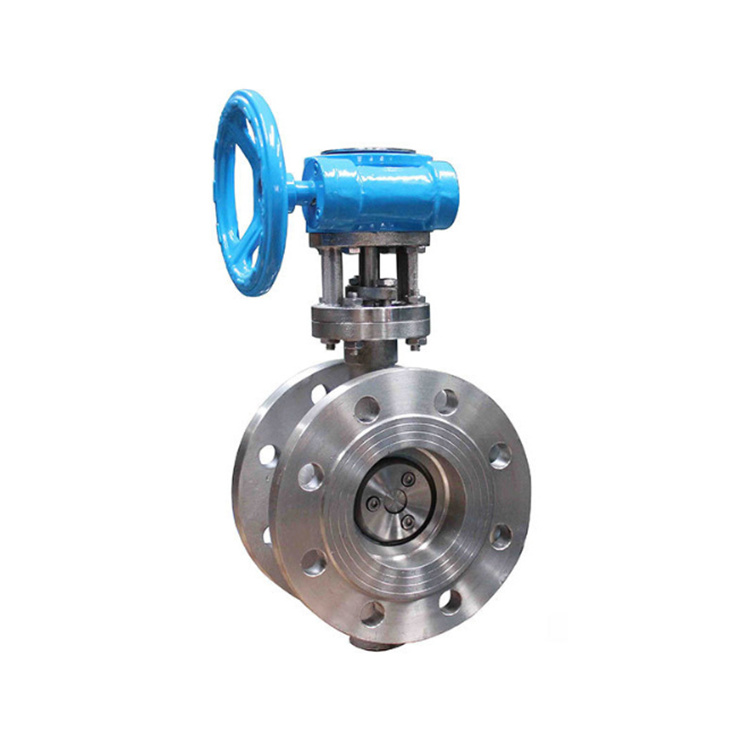
Performance & Engineering
The performance of a 316 SS globe valve is critically dependent on its ability to withstand pressure, temperature, and corrosive attack. Force analysis during operation considers fluid dynamic forces exerted on the disc and stem, as well as mechanical stresses induced by pressure differentials. Finite Element Analysis (FEA) is frequently used during the design phase to optimize valve geometry and minimize stress concentrations. Environmental resistance is paramount, particularly in applications involving aggressive chemicals or seawater. 316 SS exhibits excellent resistance to oxidation at elevated temperatures, however, prolonged exposure to highly oxidizing acids can lead to corrosion. Compliance requirements vary based on the application and geographic location. For potable water systems, valves must comply with NSF/ANSI 61 standards regarding lead content and extractable contaminants. In oil and gas applications, API 6D standards dictate requirements for design, manufacturing, testing, and documentation. Functional implementation relies on the precise interaction between the disc, seat, and stem. The stem seal design prevents leakage along the stem axis, employing materials like graphite or PTFE packing. The disc’s angle and shape determine the flow characteristics and throttling performance. Cavitation, a phenomenon caused by rapid pressure drop, can erode the valve internals; proper valve sizing and operating conditions are crucial to mitigate cavitation damage.
Technical Specifications
| Parameter | Unit | Typical Value | Standard Compliance |
|---|---|---|---|
| Maximum Operating Pressure | PSI | Up to 2500 | ASME B16.34 |
| Temperature Range | °F | -297 to 650 | ASTM A276 |
| Connection Type | - | Screwed, Flanged, Welded | ANSI B16.5 |
| Body Material | - | 316 Stainless Steel (CF8M) | ASTM A743 |
| Seat Material | - | PTFE, Reinforced PTFE | - |
| Actuation Type | - | Manual, Pneumatic, Electric | - |
Failure Mode & Maintenance
Failure modes in 316 SS globe valves can be categorized into several types. Fatigue cracking can occur in the valve body or disc due to cyclic loading, particularly at stress concentrators. Crevice corrosion and pitting corrosion can initiate in areas where stagnant fluid accumulates, such as under gaskets or around welds. Erosion can damage the disc and seat due to the impact of abrasive particles in the fluid stream. Delamination of the seat material, particularly PTFE, can occur due to thermal cycling or chemical attack. Oxidation can affect the valve stem threads, leading to increased friction and difficulty in operation. Maintenance procedures involve regular inspection for signs of corrosion, erosion, or leakage. Periodic tightening of gland packing is essential to prevent stem leakage. Lubrication of the stem threads with a compatible lubricant reduces friction and facilitates smooth operation. Preventive replacement of the seat and packing at predetermined intervals minimizes the risk of unexpected failures. Non-destructive testing (NDT) methods, such as visual inspection, liquid penetrant testing, and radiographic testing, can detect cracks or other defects. In the event of a failure, a thorough root cause analysis should be conducted to identify the underlying cause and prevent recurrence. Replacement parts should always conform to original equipment manufacturer (OEM) specifications to ensure compatibility and performance.
Industry FAQ
Q: What are the advantages of 316 SS over 304 SS in a chloride-rich environment?
A: 316 stainless steel contains molybdenum, which significantly enhances its resistance to pitting and crevice corrosion in chloride-containing environments. 304 SS lacks this molybdenum addition, making it more susceptible to localized corrosion, which can lead to premature failure.
Q: How does the Kv/Cv value impact valve selection for a specific flow rate?
A: The Kv/Cv value represents the valve's flow coefficient, indicating the flow rate achievable with a 1 bar (or 1 psi) pressure drop. Accurate valve sizing requires matching the Kv/Cv value to the desired flow rate and pressure drop in the system. An undersized valve will cause excessive pressure drop and potential cavitation, while an oversized valve will lead to poor control and potential damage.
Q: What is the significance of the API 6D standard for globe valve manufacturing?
A: API 6D specifies the requirements for the design, manufacturing, testing, and documentation of industrial valves. Compliance with API 6D ensures that the valve meets industry best practices for safety, reliability, and performance. It covers aspects such as material selection, pressure testing, and dimensional accuracy.
Q: What are common causes of seat leakage in globe valves, and how can they be addressed?
A: Common causes include debris lodged between the disc and seat, wear or damage to the seat material, improper seat installation, or insufficient sealing force. Addressing seat leakage involves cleaning the seat area, replacing the seat, ensuring proper installation, and adjusting the packing gland.
Q: What is the role of non-destructive testing (NDT) in ensuring valve integrity?
A: NDT methods like liquid penetrant testing and radiographic testing allow for the detection of internal flaws, such as cracks or porosity, without damaging the valve. These inspections verify the structural integrity of the valve body and welds, ensuring that it can safely withstand operating pressures and temperatures.
Conclusion
The 316 stainless steel globe valve represents a robust and reliable solution for flow control applications demanding corrosion resistance and precise throttling. Its material selection, manufacturing processes, and adherence to industry standards ensure long-term performance and safety. Understanding the potential failure modes and implementing a proactive maintenance program are crucial for maximizing valve lifespan and minimizing downtime.
Future advancements in valve technology may focus on optimizing valve geometry to reduce pressure drop, developing advanced sealing materials to improve leakage control, and incorporating smart sensors for remote monitoring and predictive maintenance. Continued adherence to stringent quality control measures and compliance with evolving industry regulations will remain paramount for ensuring the integrity and reliability of these critical components.
-
Top Reasons to Choose a Stainless Steel Flange Check Valve for Industrial Applications
-
8 inch flange Performance Analysis
-
angle ring flanges Performance Analysis
-
Flat Flanges Performance Analysis
-
Full Face Flange Performance Analysis
-
Full Face Flanges Performance Analysis
-
flange 8 inch Performance Analysis
-
Ring Flange Performance Analysis
-
3 inch split flange Performance Analysis
-
Tongue and groove flange Performance Analysis
-
Grooved Flange Performance Analysis
-
o ring flange Performance Analysis
-
Ring Flanges Performance Analysis
-
Groove Flange Performance Analysis
-
Tongue and groove flanges Performance Analysis
 Afrikaans
 Albanian
 Amharic
 Arabic
 Armenian
 Azerbaijani
 Basque
 Belarusian
 Bengali
 Bosnian
 Bulgarian
 Catalan
 Cebuano
 Corsican
 Croatian
 Czech
Czech
 Danish
 Dutch
Dutch
 Esperanto
 Estonian
 Finnish
 French
 Frisian
 Galician
 Georgian
 German
 Greek
Greek
 Gujarati
 Haitian Creole
 Hausa
Hawaiian
Hausa
Hawaiian
 Hebrew
 Hindi
Hindi
 Miao
Miao
 Hungarian
 Icelandic
 Igbo
Igbo
 Indonesian
 Irish
Irish
 Italian
 Japanese
 Javanese
Kannada
Javanese
Kannada
 Kazakh
 Khmer
Khmer
 Rwandese
 Korean
 Kurdish
 Kyrgyz
 Lao
Lao
 Latin
Latin
 Latvian
 Lithuanian
 Luxembourgish
 Macedonian
 Malgashi
 Malay
Malay
 Malayalam
 Maltese
 Maori
Maori
 Marathi
 Mongolian
 Myanmar
 Nepali
 Norwegian
 Norwegian
 Occitan
 Pashto
 Persian
 Polish
 Portuguese
Punjabi
Portuguese
Punjabi
 Romanian
 Russian
 Samoan
 Scottish Gaelic
 Serbian
 Sesotho
 Shona
Shona
 Sindhi
 Sinhala
 Slovak
 Slovenian
 Somali
 Spanish
 Sundanese
 Swahili
 Swedish
Tagalog
Swedish
Tagalog
 Tajik
Tajik
 Tamil
Tamil
 Tatar
Tatar
 Telugu
 Thai
Thai
 Turkish
 Turkmen
 Ukrainian
 Urdu
Urdu
 Uighur
 Uzbek
Uzbek
 Vietnamese
 Welsh
Welsh
 Bantu
Bantu
 Yiddish
 Yoruba
 Zulu
Zulu
 English