




6 inch globe valve Performance Engineering
Introduction
A 6-inch globe valve is a type of valve used to regulate flow in a pipeline. Characterized by its globular body shape, internal baffle, and disc-shaped closure mechanism, it provides precise throttling and flow control. Positioned within the fluid handling industry as a critical component for process control, particularly in applications demanding frequent operation and accurate flow adjustments, globe valves occupy a niche distinct from gate, ball, or butterfly valves. Their core performance metrics center around flow coefficient (Cv), pressure drop, shut-off class, and material compatibility, directly impacting system efficiency and reliability. The key pain point in the industry revolves around erosion of the disc and seat leading to leakage and requiring frequent maintenance, coupled with significant pressure loss due to the valve’s internal design. Selection hinges on a detailed understanding of fluid properties, temperature, pressure, and application-specific demands.
Material Science & Manufacturing
The body of a 6-inch globe valve is commonly manufactured from materials like cast iron (ASTM A126 Grade B), ductile iron (ASTM A536 65-45-12), carbon steel (ASTM A105), or stainless steel (304/316). Material selection is paramount, dictated by the corrosive nature of the fluid being handled and the operating temperature. For highly corrosive environments, specialized alloys like Hastelloy or Monel may be employed. The disc and seat, critical for sealing, are often constructed from materials exhibiting high wear resistance, such as PTFE (Polytetrafluoroethylene), reinforced PTFE, or resilient metal alloys. The stem material, influencing packing performance, is generally stainless steel (304/316).
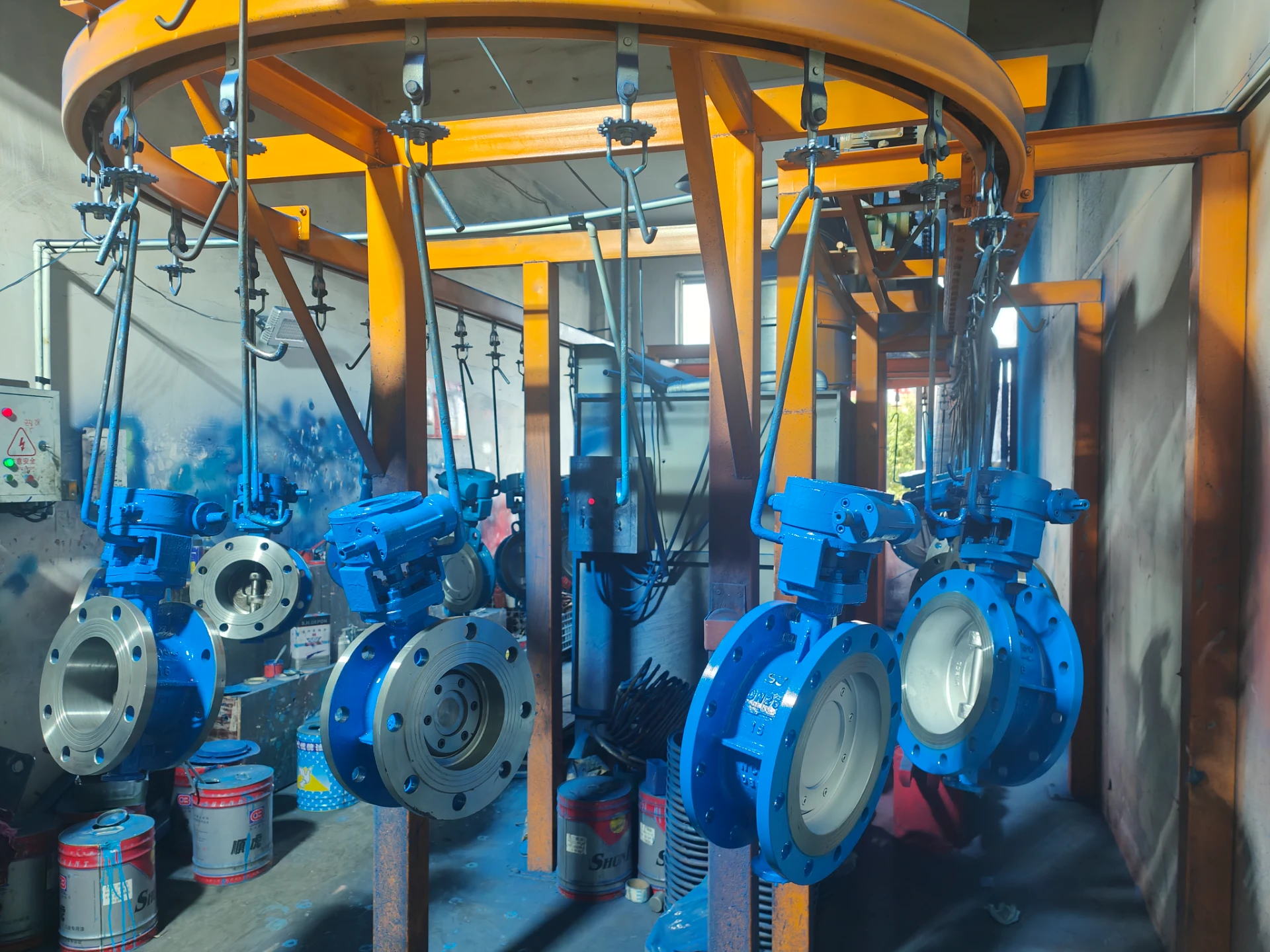
The manufacturing process typically involves casting or forging the valve body, followed by machining to precise dimensions. Welding processes (SMAW, GTAW, or SAW) are used to join body components. The disc is precision-machined and polished to ensure a tight seal against the seat. A key parameter control aspect is ensuring concentricity between the stem and the seat to prevent leakage. Heat treatment is critical for carbon and alloy steel bodies to achieve the desired mechanical properties (yield strength, tensile strength, hardness) and prevent cracking. Non-destructive testing (NDT) – radiographic testing (RT) and ultrasonic testing (UT) – are routinely employed to detect internal flaws in castings and welds. Surface finishing, including polishing and coating (epoxy, PTFE), protects against corrosion and reduces friction.
Performance & Engineering
The performance of a 6-inch globe valve is heavily influenced by fluid dynamics and pressure drop. The valve's internal design, specifically the baffle and disc configuration, creates significant turbulence, resulting in a higher pressure drop compared to other valve types. Force analysis during operation considers hydrodynamic forces acting on the disc, particularly at high flow rates. Engineering calculations determine the required stem thrust to maintain sealing and prevent disc lift.
Environmental resistance is crucial; valves operating in outdoor environments must withstand temperature fluctuations, UV radiation, and potential corrosion from atmospheric exposure. Compliance requirements include adherence to standards like API 600 (Steel Gate Valves - applicable principles extend to globe valves), ASME Section VIII Division 1 (Pressure Vessel Code), and relevant regional safety regulations. Functional implementation focuses on actuator selection (manual, pneumatic, electric, hydraulic) and control system integration. Leakage class (API 598) defines the allowable leakage rate, ranging from Class I (tightest) to Class VI. Proper stem packing is essential to prevent stem leakage and maintain system pressure. The valve’s Cv (flow coefficient) needs precise calculation based on fluid viscosity, density, and pressure difference to ensure optimal system performance.
Technical Specifications
| Parameter | Specification | Units | Test Standard |
|---|---|---|---|
| Nominal Size | 6 | inches | ANSI B16.10 |
| Pressure Rating | 125-2500 | psi | ASME B16.34 |
| Body Material | Carbon Steel (A105), Stainless Steel (316) | - | ASTM A105, ASTM A351 |
| Seat Material | PTFE, Reinforced PTFE | - | ASTM D335 |
| End Connection | Flanged (RF, RTJ) | - | ASME B16.5 |
| Cv (Flow Coefficient) | 20-150 (varies with trim) | - | API 598 |
Failure Mode & Maintenance
Common failure modes in 6-inch globe valves include seat erosion and leakage, disc fatigue cracking, stem packing failure, and body corrosion. Seat erosion occurs due to high-velocity fluid flow and abrasive particles, leading to increased leakage. Disc fatigue cracking results from repeated stress cycles and improper material selection. Stem packing failure allows leakage around the stem, reducing system efficiency. Body corrosion, particularly in carbon steel valves, compromises structural integrity.
Maintenance strategies involve regular inspection of the seat and disc for wear and erosion, replacement of worn packing, and application of protective coatings to the valve body. Periodic testing, including hydrostatic testing (API 598), verifies shell integrity. For severe erosion, complete disc and seat replacement is necessary. Preventive maintenance schedules should be established based on operating conditions and fluid properties. Failure Analysis (FA) is critical when unexpected failures occur, involving material analysis, stress analysis, and root cause identification. Proper lubrication of the stem threads prevents galling and facilitates smooth operation. Regularly torquing flange bolts ensures a tight seal and prevents leakage.
Industry FAQ
Q: What are the primary factors influencing pressure drop across a 6-inch globe valve?
A: The primary factors are the valve's internal geometry (specifically the baffle design), the flow rate, the fluid viscosity, and the disc position (degree of opening). Higher flow rates, more viscous fluids, and partially closed valves contribute to increased pressure drop.
Q: How does material selection impact the longevity of a globe valve in a corrosive environment?
A: Selecting materials resistant to the specific corrosive agent is critical. Using inappropriate materials can lead to rapid corrosion, weakening the valve body and potentially causing catastrophic failure. Stainless steel alloys (316) or specialized alloys (Hastelloy, Monel) are often required for highly corrosive applications.
Q: What is the significance of the leakage class (API 598) for a globe valve?
A: The leakage class defines the maximum allowable leakage rate. A lower leakage class (e.g., Class I) indicates a tighter seal and is crucial for applications where even minimal leakage is unacceptable. Selecting the appropriate leakage class ensures the valve meets the application's sealing requirements.
Q: What preventative measures can be taken to minimize seat erosion in a slurry service?
A: Using hardened trim materials (e.g., Stellite), implementing a robust filtration system upstream of the valve to remove abrasive particles, and minimizing flow velocity through the valve are all effective preventative measures. Regular inspection and replacement of worn seats are also crucial.
Q: How important is stem packing in maintaining valve efficiency and preventing fugitive emissions?
A: Stem packing is critically important. Properly installed and maintained packing prevents leakage around the stem, maintaining system pressure and preventing fugitive emissions of hazardous or valuable fluids. Regularly inspecting and adjusting packing compression is essential.
Conclusion
The 6-inch globe valve remains a vital component in process control systems demanding precise throttling and frequent operation. Its performance is inextricably linked to material science, manufacturing precision, and a thorough understanding of fluid dynamics. The selection process necessitates a comprehensive assessment of operating conditions, fluid properties, and compliance requirements.
Moving forward, advancements in materials science – such as the development of more erosion-resistant alloys – and manufacturing techniques – like additive manufacturing for complex valve geometries – promise to enhance globe valve performance and longevity. Continued adherence to stringent quality control standards and proactive maintenance programs will remain paramount to ensuring reliable and efficient operation across a diverse range of industrial applications.
-
Top Reasons to Choose a Stainless Steel Flange Check Valve for Industrial Applications
-
8 inch flange Performance Analysis
-
angle ring flanges Performance Analysis
-
Flat Flanges Performance Analysis
-
Full Face Flange Performance Analysis
-
Full Face Flanges Performance Analysis
-
flange 8 inch Performance Analysis
-
Ring Flange Performance Analysis
-
3 inch split flange Performance Analysis
-
Tongue and groove flange Performance Analysis
-
Grooved Flange Performance Analysis
-
o ring flange Performance Analysis
-
Ring Flanges Performance Analysis
-
Groove Flange Performance Analysis
-
Tongue and groove flanges Performance Analysis
 Afrikaans
 Albanian
 Amharic
 Arabic
 Armenian
 Azerbaijani
 Basque
 Belarusian
 Bengali
 Bosnian
 Bulgarian
 Catalan
 Cebuano
 Corsican
 Croatian
 Czech
Czech
 Danish
 Dutch
Dutch
 Esperanto
 Estonian
 Finnish
 French
 Frisian
 Galician
 Georgian
 German
 Greek
Greek
 Gujarati
 Haitian Creole
 Hausa
Hawaiian
Hausa
Hawaiian
 Hebrew
 Hindi
Hindi
 Miao
Miao
 Hungarian
 Icelandic
 Igbo
Igbo
 Indonesian
 Irish
Irish
 Italian
 Japanese
 Javanese
Kannada
Javanese
Kannada
 Kazakh
 Khmer
Khmer
 Rwandese
 Korean
 Kurdish
 Kyrgyz
 Lao
Lao
 Latin
Latin
 Latvian
 Lithuanian
 Luxembourgish
 Macedonian
 Malgashi
 Malay
Malay
 Malayalam
 Maltese
 Maori
Maori
 Marathi
 Mongolian
 Myanmar
 Nepali
 Norwegian
 Norwegian
 Occitan
 Pashto
 Persian
 Polish
 Portuguese
Punjabi
Portuguese
Punjabi
 Romanian
 Russian
 Samoan
 Scottish Gaelic
 Serbian
 Sesotho
 Shona
Shona
 Sindhi
 Sinhala
 Slovak
 Slovenian
 Somali
 Spanish
 Sundanese
 Swahili
 Swedish
Tagalog
Swedish
Tagalog
 Tajik
Tajik
 Tamil
Tamil
 Tatar
Tatar
 Telugu
 Thai
Thai
 Turkish
 Turkmen
 Ukrainian
 Urdu
Urdu
 Uighur
 Uzbek
Uzbek
 Vietnamese
 Welsh
Welsh
 Bantu
Bantu
 Yiddish
 Yoruba
 Zulu
Zulu
 English