




carbon steel globe valve Performance Analysis
Introduction
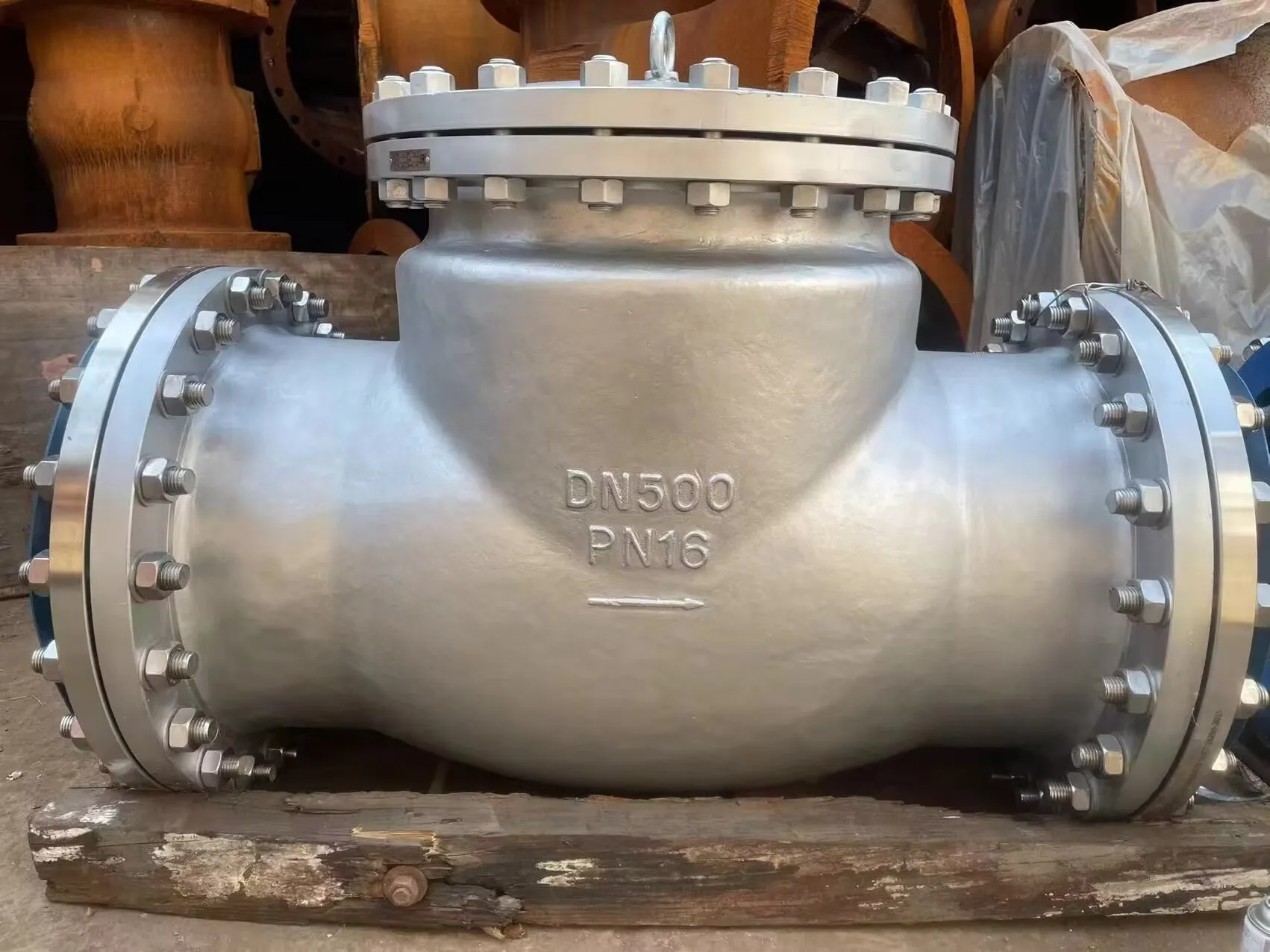
Carbon steel globe valves are integral components in fluid flow regulation systems across numerous industries, including oil & gas, power generation, chemical processing, and water treatment. Positioned within the valve family as a linear motion valve, the globe valve distinguishes itself through its disc-shaped closure element that moves perpendicular to the flow path, offering precise throttling capabilities. Unlike gate valves, which are optimized for on/off service, globe valves excel in situations requiring frequent modulation of flow rates. This guide provides an in-depth technical overview of carbon steel globe valves, encompassing material science, manufacturing processes, performance characteristics, failure modes, and relevant industry standards. The selection of carbon steel as the primary material provides a balance between cost-effectiveness, mechanical strength, and compatibility with a wide range of fluids, though careful consideration of corrosion potential is essential. Core industry pain points center around erosion, cavitation, and ensuring leak-tight sealing under demanding operational conditions, which this document will address.
Material Science & Manufacturing
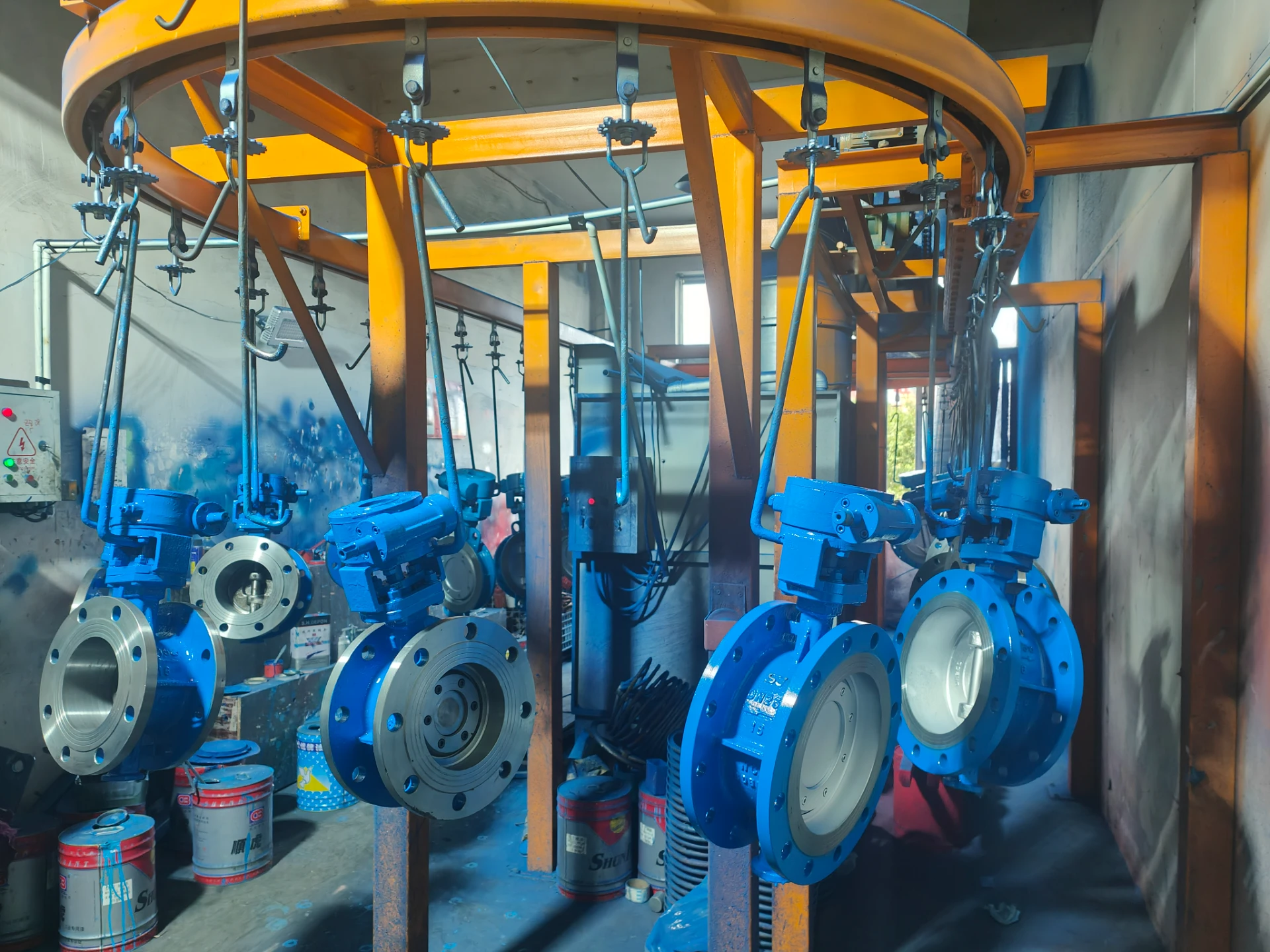
The primary material for most carbon steel globe valves is ASTM A105 carbon steel, characterized by its composition (typically 0.25-0.35% carbon, 0.60-0.90% manganese, 0.30% maximum silicon, 0.040% maximum sulfur, and 0.050% maximum phosphorus). The mechanical properties, notably yield strength (around 36,000 psi) and tensile strength (around 58,000 psi), dictate the valve’s pressure-bearing capacity. Manufacturing commences with forging or casting the valve body. Forging generally offers superior grain structure and mechanical properties, making it preferred for critical applications. Casting, while more cost-effective, necessitates stringent quality control to mitigate porosity and ensure structural integrity. The disc is typically machined from A105 carbon steel or alloy steel, depending on service requirements (e.g., higher temperature or corrosive environments). Seat rings, crucial for sealing, are often manufactured from reinforced PTFE, stainless steel, or other compatible materials. Welding processes, particularly shielded metal arc welding (SMAW) and gas tungsten arc welding (GTAW), are employed for joining components. Critical welding parameters – preheat temperature, welding current, travel speed, and electrode type – must be precisely controlled to prevent weld defects like cracking and porosity. Post-weld heat treatment (PWHT) is often performed to relieve residual stresses and improve weld ductility. Surface treatment, involving sandblasting and coating (e.g., epoxy, polyurethane), enhances corrosion resistance. The quality of the valve relies heavily on non-destructive testing (NDT) methods, including radiography, ultrasonic testing, and liquid penetrant inspection, to identify flaws in the body and welds.
Performance & Engineering
The performance of a carbon steel globe valve is fundamentally governed by fluid dynamics and stress analysis. Flow coefficient (Cv) quantifies the valve's capacity to pass a particular fluid at a given pressure drop. A lower Cv indicates a more restrictive flow path. Pressure drop across the valve is proportional to the square of the flow rate, necessitating careful sizing to minimize energy losses. Force analysis is critical, particularly concerning the disc closing force required to overcome fluid pressure and achieve a leak-tight seal. This force is calculated considering the valve’s internal pressure, disc area, and pressure differential. Environmental resistance is paramount; prolonged exposure to corrosive fluids or elevated temperatures can lead to material degradation. The valve's bonnet design—screwed, bolted, or welded—influences its pressure-temperature rating. Bolted bonnets offer easier maintenance, while welded bonnets provide superior leak containment at higher pressures. Compliance requirements vary by region and application. API 600, ASME Section VIII Division 1, and pressure equipment directive (PED) 2014/68/EU are commonly referenced standards. Cavitation, a significant failure mechanism, occurs when pressure drops below the fluid's vapor pressure, forming vapor bubbles that collapse violently, eroding the disc and seat. Proper valve sizing and minimizing pressure drops are vital to mitigate cavitation. Erosion, particularly in slurry applications, requires hardened materials or protective coatings to withstand abrasive wear.
Technical Specifications
| Parameter | Specification (Typical) | Unit | Test Standard |
|---|---|---|---|
| Body Material | ASTM A105 | - | ASTM A105 |
| Disc Material | ASTM A105 / Alloy Steel | - | ASTM A105 / ASTM A182 |
| Seat Material | RTFE / Stainless Steel | - | ASTM F1554 / ASTM A276 |
| Pressure Rating | 150 - 2500 | psi | ASME B16.34 |
| Temperature Range | -29 to 427 | °F | ASME B16.34 |
| Connection Type | Screwed (NPT), Flanged (ANSI/ASME) | - | ANSI B1.20.1 / ASME B16.5 |
Failure Mode & Maintenance
Carbon steel globe valves are susceptible to several failure modes. Fatigue cracking, stemming from cyclic loading, can occur in the stem, disc, or body, particularly in applications with frequent operation. Corrosion, both uniform and localized (pitting, crevice corrosion), weakens the material and leads to leakage. Galvanic corrosion can occur when dissimilar metals are in contact. Erosion, as previously mentioned, damages the disc and seat in slurry services. Cavitation causes significant damage to the disc and seat leading to failure. Seat leakage, often caused by wear, erosion, or contamination, compromises the valve's sealing ability. Stem packing failure results in external leakage. Maintenance practices are crucial for extending valve life. Regular inspection for corrosion, erosion, and leakage is essential. Periodic tightening of gland packing prevents stem leakage. Lubrication of the stem threads ensures smooth operation. Replacement of worn seat rings and discs restores sealing performance. Non-destructive testing (NDT) should be conducted periodically to detect cracks or other flaws. Preventative maintenance schedules, based on operational conditions and fluid characteristics, should be established. When replacing parts, ensure compatibility with the fluid and pressure-temperature conditions. Proper storage of valves during periods of inactivity prevents corrosion and contamination.
Industry FAQ
Q: What is the primary difference between a globe valve and a gate valve in terms of throttling capabilities?
A: Gate valves are designed for fully open or fully closed positions and are not suitable for throttling. Throttling a gate valve can cause erosion of the gate and seat due to high-velocity flow. Globe valves, with their disc design, are specifically engineered for modulating flow rates with precision, offering superior throttling capabilities and minimizing erosion.
Q: How does the selection of seat material impact the valve's performance in corrosive environments?
A: Seat material selection is critical in corrosive environments. PTFE seats offer excellent chemical resistance to a wide range of fluids but have limitations in high-temperature applications. Stainless steel seats provide superior mechanical strength and temperature resistance but may be susceptible to corrosion in specific chemical environments. Alloy seat materials (e.g., Hastelloy) are employed for highly corrosive services.
Q: What preventative measures can be taken to mitigate cavitation damage in a carbon steel globe valve?
A: Mitigation of cavitation requires careful valve sizing to avoid excessive pressure drops. Increasing the valve’s size can reduce velocity and pressure loss. Installing a properly designed control valve trim can also reduce cavitation. Ensuring adequate upstream pressure and avoiding sudden changes in flow direction can further minimize the risk.
Q: What are the advantages of a welded bonnet design compared to a bolted bonnet design in high-pressure applications?
A: Welded bonnets offer a superior leak-tight seal compared to bolted bonnets, particularly at high pressures and temperatures. The welding process creates a permanent bond, eliminating the potential for flange leaks. However, bolted bonnets allow for easier maintenance and inspection.
Q: What is the role of Non-Destructive Testing (NDT) in ensuring the quality of a carbon steel globe valve?
A: NDT methods, such as radiography, ultrasonic testing, and liquid penetrant inspection, are vital for detecting internal flaws (e.g., porosity, cracks) in the valve body and welds without damaging the component. These inspections ensure structural integrity and compliance with industry standards, preventing premature failures.
Conclusion
Carbon steel globe valves remain a cornerstone of fluid control systems due to their precise throttling capabilities, robust construction, and cost-effectiveness. However, their long-term performance hinges on a thorough understanding of material science, meticulous manufacturing processes, and adherence to stringent engineering principles. Addressing the potential for corrosion, erosion, and cavitation through appropriate material selection, surface treatments, and proper valve sizing is paramount.
The successful implementation and maintenance of these valves require proactive monitoring, regular inspections, and adherence to preventative maintenance schedules. As industrial processes become increasingly demanding, the continued evolution of globe valve technology, including the integration of advanced materials and innovative designs, will be crucial to meeting the challenges of the future.
-
Top Reasons to Choose a Stainless Steel Flange Check Valve for Industrial Applications
-
8 inch flange Performance Analysis
-
angle ring flanges Performance Analysis
-
Flat Flanges Performance Analysis
-
Full Face Flange Performance Analysis
-
Full Face Flanges Performance Analysis
-
flange 8 inch Performance Analysis
-
Ring Flange Performance Analysis
-
3 inch split flange Performance Analysis
-
Tongue and groove flange Performance Analysis
-
Grooved Flange Performance Analysis
-
o ring flange Performance Analysis
-
Ring Flanges Performance Analysis
-
Groove Flange Performance Analysis
-
Tongue and groove flanges Performance Analysis
 Afrikaans
 Albanian
 Amharic
 Arabic
 Armenian
 Azerbaijani
 Basque
 Belarusian
 Bengali
 Bosnian
 Bulgarian
 Catalan
 Cebuano
 Corsican
 Croatian
 Czech
Czech
 Danish
 Dutch
Dutch
 Esperanto
 Estonian
 Finnish
 French
 Frisian
 Galician
 Georgian
 German
 Greek
Greek
 Gujarati
 Haitian Creole
 Hausa
Hawaiian
Hausa
Hawaiian
 Hebrew
 Hindi
Hindi
 Miao
Miao
 Hungarian
 Icelandic
 Igbo
Igbo
 Indonesian
 Irish
Irish
 Italian
 Japanese
 Javanese
Kannada
Javanese
Kannada
 Kazakh
 Khmer
Khmer
 Rwandese
 Korean
 Kurdish
 Kyrgyz
 Lao
Lao
 Latin
Latin
 Latvian
 Lithuanian
 Luxembourgish
 Macedonian
 Malgashi
 Malay
Malay
 Malayalam
 Maltese
 Maori
Maori
 Marathi
 Mongolian
 Myanmar
 Nepali
 Norwegian
 Norwegian
 Occitan
 Pashto
 Persian
 Polish
 Portuguese
Punjabi
Portuguese
Punjabi
 Romanian
 Russian
 Samoan
 Scottish Gaelic
 Serbian
 Sesotho
 Shona
Shona
 Sindhi
 Sinhala
 Slovak
 Slovenian
 Somali
 Spanish
 Sundanese
 Swahili
 Swedish
Tagalog
Swedish
Tagalog
 Tajik
Tajik
 Tamil
Tamil
 Tatar
Tatar
 Telugu
 Thai
Thai
 Turkish
 Turkmen
 Ukrainian
 Urdu
Urdu
 Uighur
 Uzbek
Uzbek
 Vietnamese
 Welsh
Welsh
 Bantu
Bantu
 Yiddish
 Yoruba
 Zulu
Zulu
 English