




china high pressure needle valve Performance Analysis
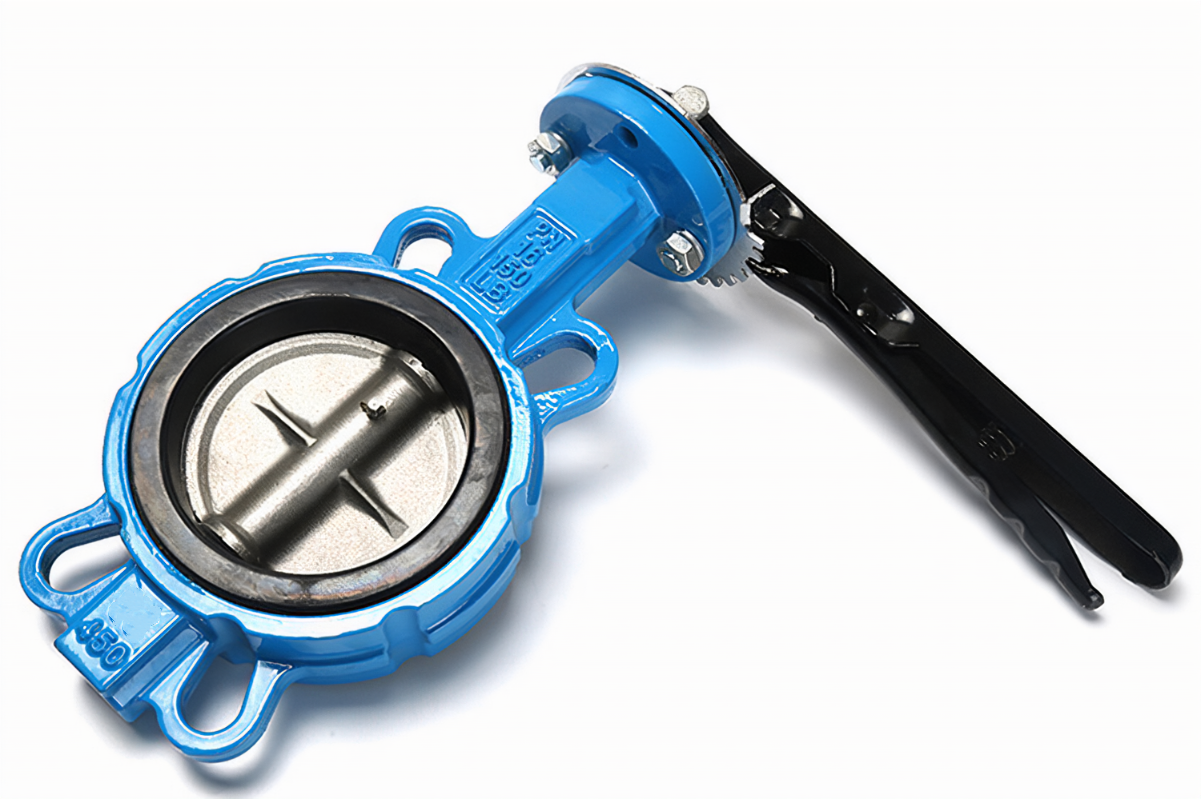
Introduction
High pressure needle valves, manufactured in China, represent a critical component in fluid control systems operating under demanding conditions. These valves are distinguished by their precise flow regulation capabilities, making them essential in applications ranging from oil and gas exploration and processing to chemical injection, high-pressure testing, and specialized analytical instrumentation. Unlike general service valves, needle valves utilize a tapered point (the ‘needle’) against a matching seat to provide fine control, even at very low flow rates. The Chinese manufacturing sector has become a significant global supplier of these valves, offering a spectrum of materials, pressure ratings, and connection types. This guide provides an in-depth technical overview of these valves, covering material science, manufacturing processes, performance characteristics, potential failure modes, and relevant industry standards, specifically focusing on those produced within China. The inherent challenge in these applications lies in balancing precise control with the need for robust, leak-tight performance under extreme pressures and often corrosive fluid environments. Chinese manufacturers are increasingly focusing on meeting stringent international quality controls to address these concerns.
Material Science & Manufacturing
The performance of a high-pressure needle valve is intrinsically linked to the material selection and manufacturing processes employed. Common body materials include stainless steel (304, 316, 316L), alloy steels (such as Hastelloy and Inconel for highly corrosive environments), and carbon steel with protective coatings. The ‘needle’ and seat are often crafted from hardened alloys like Stellite or tungsten carbide to resist erosion and wear. The choice of material is dictated by the fluid media, pressure, and temperature requirements. Manufacturing typically involves several key steps: forging or casting of the valve body, machining of internal components (needle, seat, stem), precision grinding and lapping of the sealing surfaces to achieve leak-tightness, and assembly. Critical parameters during manufacturing include surface finish of the needle and seat (Ra values typically below 1.6 μm are required), concentricity of the needle to the seat, and thread accuracy. Welding processes, if applicable, must adhere to ASME Section IX or equivalent standards to ensure structural integrity. Chinese manufacturers often utilize CNC machining centers and automated lapping machines to maintain consistent quality and dimensional accuracy. Quality control at this stage includes hydrostatic testing to specified pressure levels and non-destructive testing (NDT) methods like liquid penetrant inspection (LPI) and radiographic testing (RT) to detect flaws. Material traceability is crucial, requiring documentation of material certificates and manufacturing processes.
Performance & Engineering
The performance of high-pressure needle valves is evaluated based on several key engineering parameters. Pressure rating (expressed in PSI or bar) is a fundamental specification, typically ranging from several hundred to tens of thousands of PSI, depending on the valve's design and materials. Flow coefficient (Cv) quantifies the valve’s capacity to pass fluid, influencing the pressure drop across the valve at a given flow rate. Leakage rate, measured in SCCM (standard cubic centimeters per minute) or ml/min, is a critical indicator of sealing performance. Force analysis is essential during design to ensure the stem and packing assembly can withstand the operating pressure and prevent stem extrusion. Environmental resistance is another key factor, particularly for applications involving corrosive fluids or extreme temperatures. This necessitates careful material selection and the use of appropriate stem packing materials (e.g., PTFE, graphite, or combinations thereof). Compliance with industry standards such as API 6D (for quarter-turn valves) and ASME B16.34 (for valves used in the petroleum and natural gas industries) is often required. Finite element analysis (FEA) is frequently employed during the design phase to optimize the valve’s geometry and ensure structural integrity under pressure. Chinese manufacturers are increasingly adopting these engineering principles and incorporating rigorous testing procedures to meet international performance expectations.
Technical Specifications
| Parameter | Typical Range (Stainless Steel 316) | Typical Range (Alloy Steel - Hastelloy C-276) | Units |
|---|---|---|---|
| Maximum Pressure Rating | Up to 10,000 PSI | Up to 20,000 PSI | PSI |
| Temperature Range | -60°C to +370°C | -196°C to +425°C | °C |
| Cv Value (Typical) | 0.1 - 1.0 | 0.05 – 0.8 | - |
| Leakage Rate (Maximum) | 0.1 SCCM | 0.05 SCCM | SCCM |
| Connection Type | NPT, BSPT, Socket Weld, Butt Weld | NPT, BSPT, Socket Weld, Butt Weld | - |
| Stem Packing Material | PTFE, Graphite | PTFE, Graphite | - |
Failure Mode & Maintenance
High-pressure needle valves are susceptible to several failure modes. Common issues include seat erosion due to high-velocity fluid flow, particularly when handling abrasive particles. Stem packing failure can lead to external leakage, often exacerbated by thermal cycling or chemical attack. Fatigue cracking can occur in the valve body or stem due to repeated pressure fluctuations. Corrosion, especially in aggressive environments, can compromise the material integrity. A key failure mode specific to needle valves is ‘needle sticking,’ resulting from deposits or corrosion on the needle-seat interface, preventing proper shut-off. Regular maintenance is crucial to prevent these failures. This includes periodic inspection of the stem packing and replacement as needed, cleaning of the valve body to remove debris, and lubrication of the stem threads. Hydrostatic testing should be conducted periodically to verify the valve's pressure rating. When replacing components, it's vital to use genuine parts or qualified replacements that meet the original specifications. Failure analysis should be performed on any failed valve to identify the root cause and prevent recurrence. Proper storage is also important; valves should be capped and stored in a dry environment to prevent corrosion. Chinese manufacturers often provide detailed maintenance manuals and offer repair services to support their products.
Industry FAQ
Q: What is the primary difference between a needle valve and a ball valve in high-pressure applications?
A: While both can handle high pressure, ball valves excel in quick on/off operation with minimal pressure drop when fully open. Needle valves, however, provide significantly finer control over flow rate, making them preferred when precise metering is required. The tapered design of the needle allows for gradual flow adjustment, something a ball valve cannot achieve.
Q: How do Chinese manufacturers address the issue of corrosion resistance in highly corrosive fluids?
A: Chinese manufacturers utilize a range of corrosion-resistant materials, including various grades of stainless steel (316, 316L), alloy steels (Hastelloy, Inconel), and specialized coatings (e.g., PTFE lining). They also employ rigorous quality control procedures to verify the material composition and surface treatment.
Q: What is the significance of the 'Cv' value when selecting a needle valve?
A: The Cv value directly relates to the valve's flow capacity. A higher Cv value indicates a greater flow rate at a given pressure drop. Proper Cv selection is crucial to ensure the valve can handle the required flow without excessive pressure loss.
Q: What NDT methods are commonly employed during the manufacturing process in China?
A: Liquid Penetrant Inspection (LPI) is frequently used to detect surface cracks. Radiographic Testing (RT) provides volumetric inspection to identify internal flaws. Ultrasonic Testing (UT) is also used for detecting internal defects without damaging the valve. These methods ensure the structural integrity of the valve body and components.
Q: How does temperature affect the performance and longevity of a high-pressure needle valve?
A: Extreme temperatures can affect the mechanical properties of the valve materials, potentially leading to reduced strength and increased susceptibility to corrosion. Temperature fluctuations can also cause thermal expansion and contraction, stressing the sealing surfaces and potentially leading to leakage. The stem packing material can also degrade at high temperatures.
Conclusion
High-pressure needle valves manufactured in China represent a crucial element in diverse industrial applications demanding precise fluid control under extreme conditions. Their performance is predicated on careful material selection, precise manufacturing processes, and adherence to stringent quality control standards. Understanding the interplay between material properties, operational parameters, and potential failure modes is essential for ensuring reliable and long-lasting performance.
The increasing capabilities of Chinese manufacturers, driven by investment in advanced technologies and a commitment to international standards, positions them as a key supplier in the global high-pressure valve market. Continued innovation in materials science and manufacturing techniques will further enhance the performance and reliability of these critical components, addressing the evolving demands of industries worldwide.
-
Flanged Couplings Performance Analysis
-
female thread ball valve Performance Analysis
-
1/2 ball valve Material Science Manufacturing
-
gas ball valves Performance Engineering
-
2 inch ball valves Performance Analysis
-
motorized ball valve Performance Analysis
-
floating ball valve Performance Analysis
-
ball valve stainless steel Performance Analysis
-
gate valve stainless steel Performance Analysis
-
dn200 gate valve Performance Analysis
-
gate valve pn40 Material Science
-
dn100 gate valve Performance Analysis
-
gate valve pneumatic Performance Analysis
-
gate valve wheel handle Performance Analysis
-
gate valve high pressure Performance Analysis
 Afrikaans
 Albanian
 Amharic
 Arabic
 Armenian
 Azerbaijani
 Basque
 Belarusian
 Bengali
 Bosnian
 Bulgarian
 Catalan
 Cebuano
 Corsican
 Croatian
 Czech
Czech
 Danish
 Dutch
Dutch
 Esperanto
 Estonian
 Finnish
 French
 Frisian
 Galician
 Georgian
 German
 Greek
Greek
 Gujarati
 Haitian Creole
 Hausa
Hawaiian
Hausa
Hawaiian
 Hebrew
 Hindi
Hindi
 Miao
Miao
 Hungarian
 Icelandic
 Igbo
Igbo
 Indonesian
 Irish
Irish
 Italian
 Japanese
 Javanese
Kannada
Javanese
Kannada
 Kazakh
 Khmer
Khmer
 Rwandese
 Korean
 Kurdish
 Kyrgyz
 Lao
Lao
 Latin
Latin
 Latvian
 Lithuanian
 Luxembourgish
 Macedonian
 Malgashi
 Malay
Malay
 Malayalam
 Maltese
 Maori
Maori
 Marathi
 Mongolian
 Myanmar
 Nepali
 Norwegian
 Norwegian
 Occitan
 Pashto
 Persian
 Polish
 Portuguese
Punjabi
Portuguese
Punjabi
 Romanian
 Russian
 Samoan
 Scottish Gaelic
 Serbian
 Sesotho
 Shona
Shona
 Sindhi
 Sinhala
 Slovak
 Slovenian
 Somali
 Spanish
 Sundanese
 Swahili
 Swedish
Tagalog
Swedish
Tagalog
 Tajik
Tajik
 Tamil
Tamil
 Tatar
Tatar
 Telugu
 Thai
Thai
 Turkish
 Turkmen
 Ukrainian
 Urdu
Urdu
 Uighur
 Uzbek
Uzbek
 Vietnamese
 Welsh
Welsh
 Bantu
Bantu
 Yiddish
 Yoruba
 Zulu
Zulu
 English