




1/2 ball valve Material Science Manufacturing
Introduction
The 1/2 ball valve is a quarter-turn rotational motion valve used to control the flow of a fluid. Positioned within the industrial fluid handling chain, it serves as a critical component for on/off control in pipelines ranging from residential plumbing to complex industrial processes. Unlike gate valves which offer gradual flow control, ball valves are designed for quick shut-off, minimizing pressure drop when fully open. Core performance characteristics include tight sealing, durability under pressure, and resistance to the fluid being controlled. Its popularity stems from its reliable operation, relatively low cost, and ease of maintenance. Industry challenges include material selection based on fluid compatibility, ensuring long-term sealing integrity, and addressing potential issues with water hammer and cavitation.
Material Science & Manufacturing
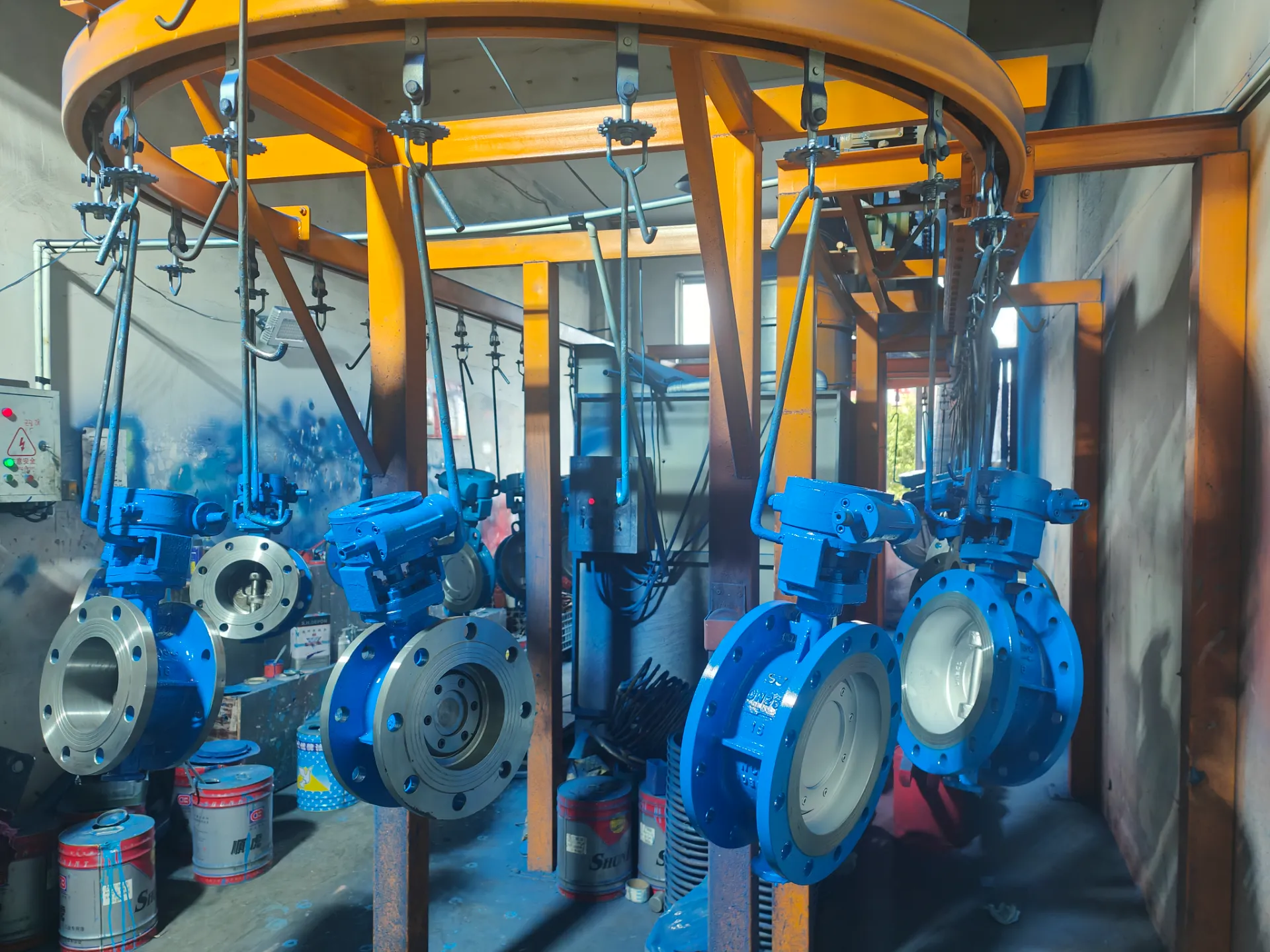
The body of a 1/2 ball valve is commonly manufactured from materials like brass (CA360, C46400), stainless steel (304, 316), PVC, CPVC, or carbon steel (A105). Brass offers good corrosion resistance for water applications, but is susceptible to dezincification in certain water chemistries. Stainless steel provides superior corrosion resistance, particularly 316, containing molybdenum which enhances resistance to chloride pitting. PVC and CPVC are utilized for lower-pressure applications where chemical resistance is paramount. The ball itself is typically constructed from chrome-plated brass or stainless steel, chosen for hardness and resistance to erosion. Seats are often made of PTFE (Teflon) due to its excellent chemical inertness and low coefficient of friction, ensuring a tight seal. Manufacturing processes vary by material. Brass valves are often cast and subsequently machined. Stainless steel valves may be forged, cast, or bar stock machined. PVC and CPVC valves are usually injection molded. Key parameters controlled during manufacturing include dimensional tolerances of the bore and seat, surface finish of the ball to minimize friction, and the precision of the quarter-turn mechanism. Heat treatment is critical for steel components to achieve the desired hardness and ductility. Welding processes, if applicable, require careful control of heat input and shielding gas to prevent oxidation and maintain material integrity.
Performance & Engineering
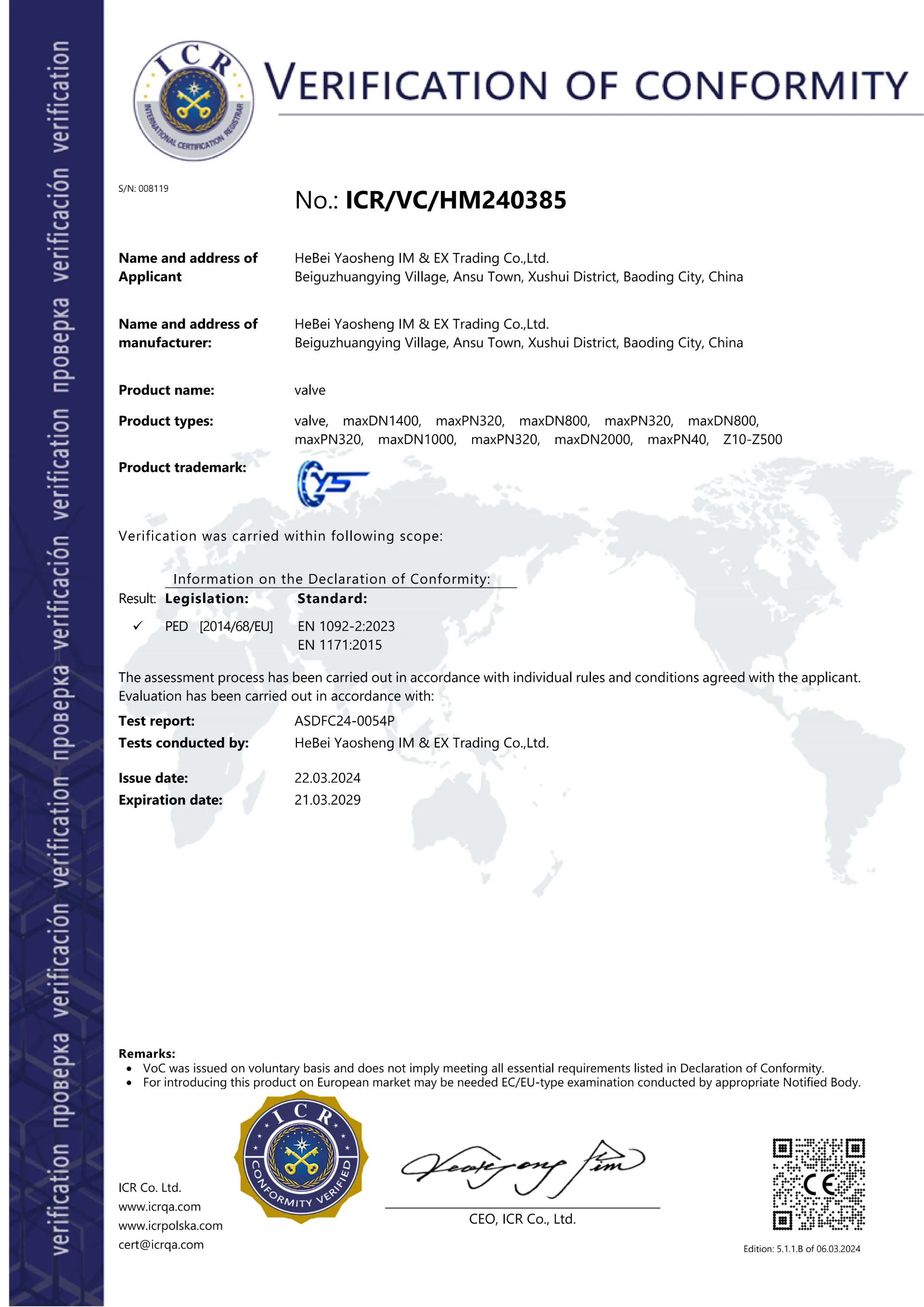
The performance of a 1/2 ball valve is critically dependent on its ability to withstand internal pressure and maintain a leak-tight seal. Force analysis focuses on the torque required to operate the valve, which is influenced by the seat material, bore diameter, and fluid viscosity. Environmental resistance is paramount, particularly in corrosive environments. The selection of materials must account for the specific fluid being handled, its temperature, and the presence of abrasive particles. Compliance requirements are dictated by industry standards (see footer). For example, potable water applications require valves that comply with NSF/ANSI 61, ensuring that no harmful contaminants leach into the water supply. High-pressure applications necessitate a robust design with a sufficient wall thickness to prevent failure. Functional implementation requires careful consideration of the end connections (threaded, flanged, socket weld) to ensure compatibility with the piping system. Actuation, whether manual, pneumatic, or electric, introduces additional engineering challenges related to torque control and fail-safe mechanisms. Furthermore, considerations regarding fluid velocity are crucial, as excessive velocity can lead to cavitation and erosion of the ball and seat.
Technical Specifications
| Parameter | Unit | Brass Valve (Standard Grade) | 316 Stainless Steel Valve |
|---|---|---|---|
| Maximum Operating Pressure | PSI | 600 | 1000 |
| Temperature Range | °F | 0 – 250 | -60 – 450 |
| Bore Diameter | inches | 0.5 | 0.5 |
| Connection Type | - | NPT, Sweat, Solder | NPT, Weld, Flange |
| Seat Material | - | PTFE | PTFE |
| Body Material | - | CA360 Brass | 316 Stainless Steel |
Failure Mode & Maintenance
Common failure modes in 1/2 ball valves include seat degradation, leading to leakage; ball erosion or damage from abrasive particles; corrosion of the valve body, particularly in aggressive environments; and stem seal failure. Fatigue cracking can occur in high-cycle applications, especially with frequent operation and pressure fluctuations. Delamination of the seat material can also lead to loss of sealing. Oxidation can affect stainless steel components exposed to high temperatures and corrosive media. Maintenance is crucial to prolonging valve life. Regular inspection of the stem packing and seat should be performed. Lubrication of the stem threads with a compatible grease prevents corrosion and ensures smooth operation. If leakage is detected, the seat may need to be replaced. For valves used in dirty applications, periodic cleaning to remove abrasive particles is recommended. In case of corrosion, the valve body may require replacement. Preventative maintenance schedules should be established based on operating conditions and fluid type. Proper storage conditions are also important to prevent corrosion during periods of inactivity.
Industry FAQ
Q: What is the primary difference between a full-port and reduced-port ball valve, and how does this impact performance?
A: A full-port ball valve has an internal diameter equal to the pipe's internal diameter, minimizing pressure drop. A reduced-port valve has a smaller bore diameter, creating some flow restriction and thus, a larger pressure drop. Full-port valves are preferred for applications requiring maximum flow capacity and minimal energy loss, while reduced-port valves are often more economical and suitable for lower flow applications.
Q: How does the choice of seat material impact the suitability of a ball valve for different fluids?
A: PTFE seats are versatile and chemically inert, suitable for most fluids. However, they have limited temperature resistance. Reinforced PTFE seats offer improved temperature capability. Other seat materials like Viton are used for specific chemical compatibility needs (e.g., fuels, oils). Selecting the correct seat material is critical to prevent swelling, degradation, and leakage.
Q: What are the potential consequences of water hammer in a ball valve system, and how can they be mitigated?
A: Water hammer is a pressure surge caused by sudden changes in flow. In ball valves, rapid closure can exacerbate this. Consequences include pipe rupture, valve damage, and system failure. Mitigation strategies include using slower-closing valves, installing water hammer arrestors, and carefully controlling flow rates.
Q: What is the role of cavitation in ball valve failure, and how can it be prevented?
A: Cavitation occurs when liquid pressure drops below its vapor pressure, forming bubbles that implode and cause erosion of the valve internals, particularly the ball and seat. Prevention involves maintaining sufficient upstream pressure, avoiding excessive flow velocities, and selecting a valve design that minimizes pressure drop.
Q: What are the key considerations when selecting a ball valve for a cryogenic application?
A: Cryogenic applications require valves specifically designed to withstand extremely low temperatures. Materials must exhibit ductility at low temperatures to prevent brittle fracture. Stainless steel and certain alloys are commonly used. Thermal contraction and expansion must also be accounted for in the design to prevent leakage and ensure proper operation.
Conclusion
The 1/2 ball valve remains a cornerstone of fluid control systems due to its simplicity, reliability, and cost-effectiveness. Proper material selection is paramount, dictated by fluid compatibility, pressure requirements, and temperature considerations. Understanding potential failure modes, such as seat degradation and corrosion, is crucial for implementing effective preventative maintenance strategies.
Future advancements in ball valve technology will likely focus on improved seat materials with enhanced durability and chemical resistance, the integration of smart valve technology for remote monitoring and control, and the development of lightweight materials to reduce installation costs and improve energy efficiency. Adherence to relevant industry standards is essential to ensure safe and reliable operation.
-
Flanged Couplings Performance Analysis
-
female thread ball valve Performance Analysis
-
1/2 ball valve Material Science Manufacturing
-
gas ball valves Performance Engineering
-
2 inch ball valves Performance Analysis
-
motorized ball valve Performance Analysis
-
floating ball valve Performance Analysis
-
ball valve stainless steel Performance Analysis
-
gate valve stainless steel Performance Analysis
-
dn200 gate valve Performance Analysis
-
gate valve pn40 Material Science
-
dn100 gate valve Performance Analysis
-
gate valve pneumatic Performance Analysis
-
gate valve wheel handle Performance Analysis
-
gate valve high pressure Performance Analysis
 Afrikaans
 Albanian
 Amharic
 Arabic
 Armenian
 Azerbaijani
 Basque
 Belarusian
 Bengali
 Bosnian
 Bulgarian
 Catalan
 Cebuano
 Corsican
 Croatian
 Czech
Czech
 Danish
 Dutch
Dutch
 Esperanto
 Estonian
 Finnish
 French
 Frisian
 Galician
 Georgian
 German
 Greek
Greek
 Gujarati
 Haitian Creole
 Hausa
Hawaiian
Hausa
Hawaiian
 Hebrew
 Hindi
Hindi
 Miao
Miao
 Hungarian
 Icelandic
 Igbo
Igbo
 Indonesian
 Irish
Irish
 Italian
 Japanese
 Javanese
Kannada
Javanese
Kannada
 Kazakh
 Khmer
Khmer
 Rwandese
 Korean
 Kurdish
 Kyrgyz
 Lao
Lao
 Latin
Latin
 Latvian
 Lithuanian
 Luxembourgish
 Macedonian
 Malgashi
 Malay
Malay
 Malayalam
 Maltese
 Maori
Maori
 Marathi
 Mongolian
 Myanmar
 Nepali
 Norwegian
 Norwegian
 Occitan
 Pashto
 Persian
 Polish
 Portuguese
Punjabi
Portuguese
Punjabi
 Romanian
 Russian
 Samoan
 Scottish Gaelic
 Serbian
 Sesotho
 Shona
Shona
 Sindhi
 Sinhala
 Slovak
 Slovenian
 Somali
 Spanish
 Sundanese
 Swahili
 Swedish
Tagalog
Swedish
Tagalog
 Tajik
Tajik
 Tamil
Tamil
 Tatar
Tatar
 Telugu
 Thai
Thai
 Turkish
 Turkmen
 Ukrainian
 Urdu
Urdu
 Uighur
 Uzbek
Uzbek
 Vietnamese
 Welsh
Welsh
 Bantu
Bantu
 Yiddish
 Yoruba
 Zulu
Zulu
 English