




female thread ball valve Performance Analysis
Introduction
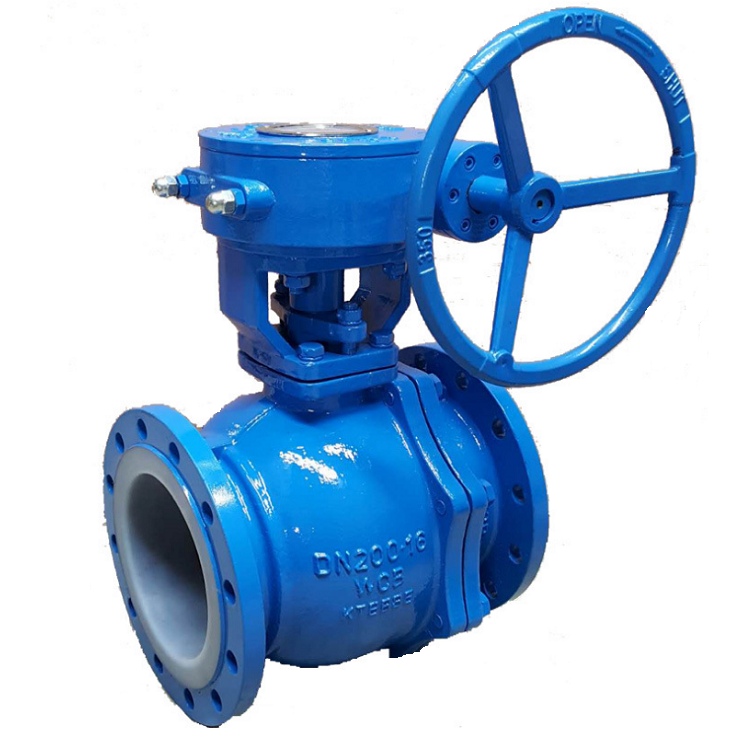
The female thread ball valve is a quarter-turn valve used to control the flow of fluids, gases, or slurries. Characterized by its spherical closure mechanism (the ‘ball’), it offers superior flow characteristics and tight shut-off capabilities compared to many other valve types. Positioned within the fluid control industry, it serves as a critical component in pipelines across numerous sectors including oil & gas, chemical processing, water treatment, and HVAC systems. The prevalence of female threaded ends facilitates ease of installation and maintenance, making it a popular choice for applications requiring frequent connection/disconnection. Core performance metrics center around pressure drop, sealing efficiency (leakage rate), flow coefficient (Cv), and operational torque, all intrinsically linked to material selection and precision manufacturing.
Material Science & Manufacturing
Ball valves are constructed from a diverse range of materials chosen for their compatibility with the conveyed fluid, operating temperature, and pressure requirements. Common body materials include carbon steel (ASTM A105, A36), stainless steel (304/304L, 316/316L – chosen for corrosion resistance), brass (for lower pressure, potable water applications), and polymeric materials (PVC, CPVC, PP – suited for highly corrosive environments). The ball itself is typically chromium-plated carbon steel or stainless steel to enhance hardness and minimize wear. Seats are frequently manufactured from PTFE (Teflon), reinforced PTFE, or other elastomeric materials (EPDM, Viton) to provide a resilient seal. Manufacturing processes involve precision casting or forging for the valve body, followed by CNC machining to create the bore and threaded connections. The ball is typically manufactured via forging and undergoes extensive polishing to achieve a smooth surface finish. Critical parameters during manufacturing include dimensional accuracy of the bore (affecting flow rate and shut-off), surface roughness of the ball and seats (impacting sealing performance), and thread quality (ensuring leak-proof connections). Welding procedures, where applicable (for example, in stainless steel construction), must adhere to ASME Section IX standards to guarantee weld integrity and prevent corrosion initiation at weld sites. Heat treatment processes for steel components are crucial for achieving desired mechanical properties (hardness, tensile strength, yield strength).
Performance & Engineering
Performance of a female thread ball valve is fundamentally governed by its ability to provide reliable shut-off and minimal pressure drop. Force analysis centers on the torque required to operate the valve, influenced by factors such as fluid viscosity, pressure differential, seat material, and ball surface finish. Higher pressures and viscous fluids necessitate greater torque. Environmental resistance is paramount; selecting materials compatible with the conveyed fluid is critical to prevent corrosion, erosion, or chemical degradation. Stainless steel valves are preferred for corrosive media, while specialized coatings (e.g., epoxy, PTFE lining) can be applied to carbon steel bodies. Compliance requirements vary by region and application. For potable water systems, valves must meet NSF/ANSI 61 standards to ensure they do not leach harmful contaminants. In oil and gas applications, valves must comply with API 6D standards for design, materials, and testing. Functional implementation relies on the precise alignment of the ball with the valve seat. The valve seat design (e.g., trunnion-mounted ball, floating ball) impacts sealing performance and the valve’s ability to handle varying pressures and temperatures. Understanding the Reynolds number of the flowing fluid is important to assess potential cavitation issues, particularly in high-velocity applications.
Technical Specifications
| Parameter | Unit | Typical Value (Carbon Steel) | Typical Value (SS316) |
|---|---|---|---|
| Maximum Working Pressure | PSI | 740 | 640 |
| Temperature Range | °F | -20 to 450 | -40 to 500 |
| Cv (Flow Coefficient) | gpm | 1.5 - 20 (dependent on size) | 1.5 - 20 (dependent on size) |
| Connection Type | - | Female NPT | Female NPT |
| Seat Material | - | PTFE | PTFE |
| Body Material | - | Carbon Steel (A105) | Stainless Steel (316) |
Failure Mode & Maintenance
Female thread ball valves, despite their robustness, are susceptible to several failure modes. Fatigue cracking can occur in the valve body or ball due to repeated pressure cycling, particularly at stress concentration points around threaded connections. Delamination of the valve seat material (PTFE) can result in leakage, often accelerated by abrasive particles in the fluid stream. Corrosion, particularly in carbon steel valves exposed to corrosive media, leads to pitting and eventual perforation. Oxidation of stainless steel components can occur at elevated temperatures, reducing corrosion resistance. Another common failure is galling between the ball and seats, leading to increased torque and eventual seizure. Maintenance solutions include regular inspection for external corrosion, leak testing to identify seat failures, and lubrication of the stem and ball to reduce operating torque. Threaded connections should be periodically inspected for tightness and re-tightened as necessary. In cases of severe corrosion or fatigue cracking, component replacement is essential. Preventative maintenance schedules should be established based on the operating conditions and fluid characteristics. Proper storage of spare seats and balls is critical to maintain availability for prompt repairs.
Industry FAQ
Q: What are the key differences between a full-port and a reduced-port ball valve, and how does this affect performance?
A: A full-port ball valve has an internal diameter equal to the pipe’s internal diameter, minimizing pressure drop and maximizing flow. A reduced-port valve has a smaller bore, creating some flow restriction and a corresponding pressure drop. Full-port valves are preferable where minimizing energy loss is critical, whereas reduced-port valves can be suitable for control applications where throttling is required.
Q: How does the choice of seat material impact the temperature and pressure ratings of the ball valve?
A: Seat material significantly influences temperature and pressure limits. PTFE seats offer excellent chemical resistance but have lower temperature capabilities (typically up to 450°F). Other elastomers like Viton can withstand higher temperatures but may be less chemically resistant. Higher pressures generally require more robust seat materials and designs to prevent seat extrusion or deformation.
Q: What are the implications of using a carbon steel ball valve in a corrosive environment?
A: Using carbon steel in corrosive environments without appropriate protection will lead to rapid corrosion, potentially causing valve failure and process contamination. Protective measures include applying corrosion-resistant coatings (e.g., epoxy), utilizing sacrificial anodes, or selecting a more corrosion-resistant material like stainless steel.
Q: What torque requirements should be considered when selecting a ball valve for a specific application?
A: Torque requirements depend on factors like fluid viscosity, pressure drop, seat material, and valve size. Higher viscosity and pressure require greater torque to operate the valve. Actuator selection must account for these torque requirements, with a safety factor included to ensure reliable operation under all conditions.
Q: How do international standards (e.g., API 6D, ISO 17259) influence the design and testing of ball valves?
A: International standards like API 6D and ISO 17259 define stringent requirements for valve design, material selection, manufacturing processes, and testing procedures. Compliance with these standards ensures the valve meets industry benchmarks for safety, reliability, and performance, and facilitates acceptance in global markets.
Conclusion
The female thread ball valve remains a cornerstone of fluid control systems due to its inherent simplicity, reliability, and versatility. Proper material selection, adhering to stringent manufacturing practices, and meticulous attention to performance parameters are essential for ensuring optimal operation and longevity. Understanding the potential failure modes and implementing proactive maintenance strategies are critical for preventing costly downtime and maintaining process integrity.
Future advancements in ball valve technology will likely focus on developing lighter-weight materials, improving sealing capabilities with advanced seat designs, and incorporating smart valve features for remote monitoring and control. The increasing emphasis on sustainability will drive the development of more energy-efficient valve designs and materials with reduced environmental impact, and the continued adoption of standardized testing protocols will refine and enhance product performance.
-
Flanged Couplings Performance Analysis
-
female thread ball valve Performance Analysis
-
1/2 ball valve Material Science Manufacturing
-
gas ball valves Performance Engineering
-
2 inch ball valves Performance Analysis
-
motorized ball valve Performance Analysis
-
floating ball valve Performance Analysis
-
ball valve stainless steel Performance Analysis
-
gate valve stainless steel Performance Analysis
-
dn200 gate valve Performance Analysis
-
gate valve pn40 Material Science
-
dn100 gate valve Performance Analysis
-
gate valve pneumatic Performance Analysis
-
gate valve wheel handle Performance Analysis
-
gate valve high pressure Performance Analysis
 Afrikaans
 Albanian
 Amharic
 Arabic
 Armenian
 Azerbaijani
 Basque
 Belarusian
 Bengali
 Bosnian
 Bulgarian
 Catalan
 Cebuano
 Corsican
 Croatian
 Czech
Czech
 Danish
 Dutch
Dutch
 Esperanto
 Estonian
 Finnish
 French
 Frisian
 Galician
 Georgian
 German
 Greek
Greek
 Gujarati
 Haitian Creole
 Hausa
Hawaiian
Hausa
Hawaiian
 Hebrew
 Hindi
Hindi
 Miao
Miao
 Hungarian
 Icelandic
 Igbo
Igbo
 Indonesian
 Irish
Irish
 Italian
 Japanese
 Javanese
Kannada
Javanese
Kannada
 Kazakh
 Khmer
Khmer
 Rwandese
 Korean
 Kurdish
 Kyrgyz
 Lao
Lao
 Latin
Latin
 Latvian
 Lithuanian
 Luxembourgish
 Macedonian
 Malgashi
 Malay
Malay
 Malayalam
 Maltese
 Maori
Maori
 Marathi
 Mongolian
 Myanmar
 Nepali
 Norwegian
 Norwegian
 Occitan
 Pashto
 Persian
 Polish
 Portuguese
Punjabi
Portuguese
Punjabi
 Romanian
 Russian
 Samoan
 Scottish Gaelic
 Serbian
 Sesotho
 Shona
Shona
 Sindhi
 Sinhala
 Slovak
 Slovenian
 Somali
 Spanish
 Sundanese
 Swahili
 Swedish
Tagalog
Swedish
Tagalog
 Tajik
Tajik
 Tamil
Tamil
 Tatar
Tatar
 Telugu
 Thai
Thai
 Turkish
 Turkmen
 Ukrainian
 Urdu
Urdu
 Uighur
 Uzbek
Uzbek
 Vietnamese
 Welsh
Welsh
 Bantu
Bantu
 Yiddish
 Yoruba
 Zulu
Zulu
 English