




forged globe valves Performance Analysis
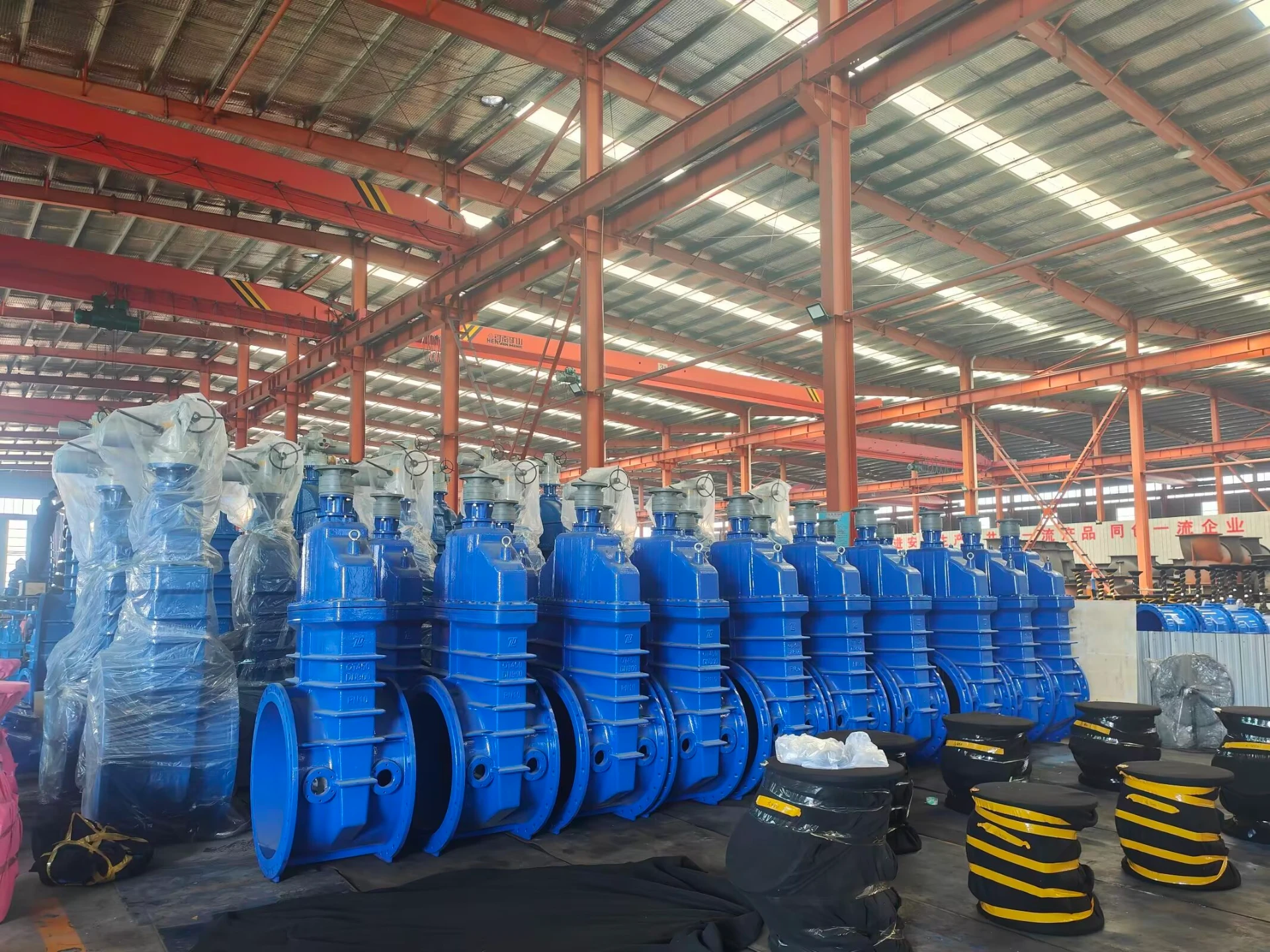
Introduction
Forged globe valves are a critical component in numerous industrial fluid handling systems, characterized by their disc-shaped closure element that moves perpendicular to the flow path. Unlike gate valves, which are primarily for on/off service, globe valves excel in throttling and regulating flow. The ‘forged’ designation indicates the valve body is manufactured through forging – a process imparting superior strength and integrity compared to cast alternatives. This guide provides an in-depth technical analysis of forged globe valves, covering material science, manufacturing processes, performance characteristics, potential failure modes, and relevant industry standards. Their application spans across high-pressure and high-temperature environments within the oil & gas, chemical processing, power generation, and marine industries. Core performance is defined by tight shutoff capability, precise flow control, and robust resistance to pressure and temperature fluctuations. The selection of a forged globe valve is predicated on a detailed understanding of the fluid properties, operating conditions, and applicable regulatory requirements to ensure process efficiency, safety, and longevity.
Material Science & Manufacturing
The body of a forged globe valve is typically constructed from carbon steel (ASTM A105, A350), alloy steel (ASTM A182 F22, F91), or stainless steel (ASTM A182 F304, F316), chosen based on the process fluid's corrosivity and temperature requirements. Forging, specifically closed-die forging, is the preferred manufacturing method. This process involves shaping heated metal between shaped dies, resulting in grain flow following the contour of the valve body. This grain flow significantly enhances the valve's resistance to fatigue and crack propagation. Key material properties include yield strength, tensile strength, elongation, and impact toughness, all meticulously tested according to ASTM standards. Seat materials commonly include PTFE, reinforced PTFE, and metal-to-metal configurations utilizing materials like Inconel or Stellite for high-temperature, abrasive service. Stem materials are typically alloy steels hardened for wear resistance. The manufacturing process involves several critical parameters: forging temperature, forging pressure, cooling rate, and subsequent heat treatment (e.g., normalizing, quenching, tempering) to achieve desired mechanical properties. Welding procedures (e.g., SMAW, GTAW) employed for joining components must adhere to ASME Section IX, ensuring weld integrity through non-destructive testing (NDT) methods like radiographic inspection (RT), ultrasonic testing (UT), and liquid penetrant examination (LPI). Surface treatments, such as passivation for stainless steels, are applied to enhance corrosion resistance.
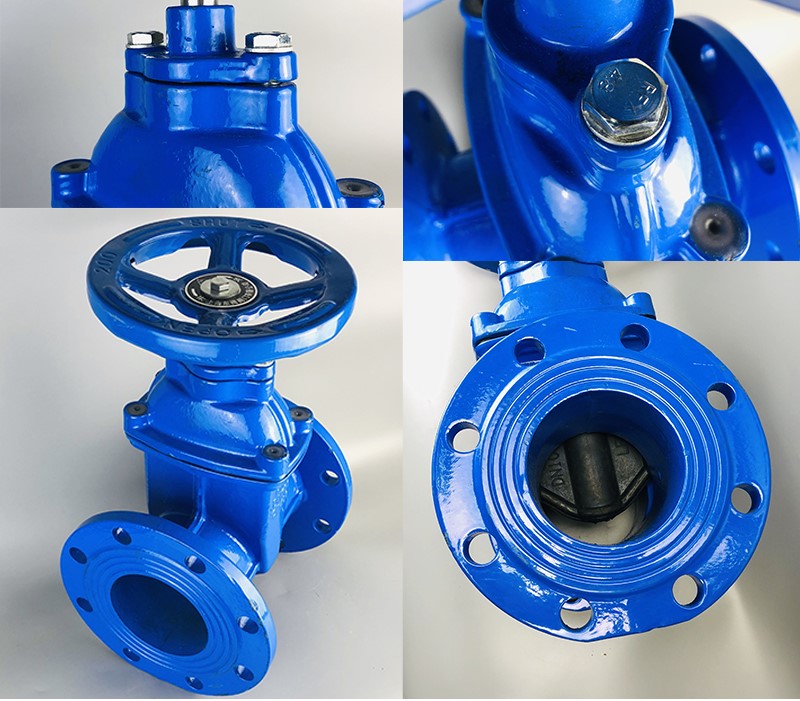
Performance & Engineering
Forged globe valves operate on the principle of restricting flow through a throttling disc. The force required to actuate the disc is determined by fluid pressure, disc area, and friction. Engineering considerations prioritize minimizing pressure drop while maintaining tight shutoff. Pressure drop is directly related to flow rate and valve Kv/Cv values, which are experimentally determined and documented on valve datasheets. Environmental resistance is a paramount concern. High-temperature applications necessitate materials with creep resistance and thermal stability. Low-temperature applications demand materials with sufficient ductility to prevent brittle fracture. Compliance requirements, such as API 600 and ASME Section VIII Division 1, dictate design and manufacturing standards to ensure safety and reliability. Fatigue analysis is crucial, particularly in applications involving frequent cycling. Finite element analysis (FEA) is routinely used to model stress distribution within the valve body and identify potential areas of weakness. Furthermore, fugitive emissions standards (e.g., EPA Method 21) may necessitate the use of low-emission packing and stem sealing technologies. The valve's pressure-temperature rating, typically indicated by ANSI/ASME class designations (e.g., Class 150, Class 300, Class 600), defines the maximum allowable operating conditions. Proper valve sizing is vital to avoid cavitation and erosion, particularly when handling flashing liquids.
Technical Specifications
| Parameter | Unit | Typical Value (Carbon Steel) | Typical Value (Stainless Steel 316) |
|---|---|---|---|
| Maximum Operating Pressure | psi | 900 | 650 |
| Maximum Operating Temperature | °F | 800 | 600 |
| Connection Type | - | Welded, Screwed, Flanged | Welded, Screwed, Flanged |
| Body Material | - | ASTM A105 | ASTM A351 CF8M |
| Seat Material | - | PTFE | RTFE |
| Actuation Type | - | Manual, Gear Operated, Pneumatic, Electric | Manual, Gear Operated, Pneumatic, Electric |
Failure Mode & Maintenance
Common failure modes in forged globe valves include seat erosion due to high-velocity flow, disc distortion from thermal cycling, stem packing leakage, and body corrosion. Fatigue cracking can occur in the valve body due to repeated pressure and temperature fluctuations, particularly in the weld areas. Cavitation, caused by pressure drop below the vapor pressure of the fluid, can lead to severe erosion of the disc and seat. Corrosion can manifest as pitting, crevice corrosion, or general corrosion, depending on the fluid composition and material selection. Failure analysis often involves visual inspection, non-destructive testing (NDT), and metallographic examination to determine the root cause. Maintenance procedures include periodic inspection of the stem packing, disc, and seat for wear and damage. Lubrication of the stem threads is crucial for smooth operation. Regular testing of the valve for leakage is essential. When replacing components, it is critical to use materials compatible with the process fluid and operating conditions. Preventative maintenance programs, including scheduled inspections and component replacements, are essential for maximizing valve lifespan and minimizing downtime. Proper storage conditions, protecting valves from corrosion and contamination, also contribute to long-term reliability.
Industry FAQ
Q: What are the primary advantages of a forged globe valve over a cast globe valve?
A: Forged globe valves offer superior mechanical properties due to the grain flow induced by the forging process. This results in higher strength, improved fatigue resistance, and increased reliability, particularly in high-pressure and high-temperature applications. Cast valves are more susceptible to porosity and inclusions, which can compromise their structural integrity.
Q: How does the selection of seat material impact the performance and lifespan of a forged globe valve?
A: Seat material is critical. PTFE is suitable for general-purpose applications, but it has temperature limitations. Reinforced PTFE offers improved temperature and pressure resistance. Metal-to-metal seats, typically constructed from Inconel or Stellite, are used in high-temperature, abrasive service, providing excellent durability but potentially higher leakage rates.
Q: What non-destructive testing (NDT) methods are typically employed during the manufacturing of forged globe valves?
A: Radiographic inspection (RT) is used to detect internal flaws in the valve body and welds. Ultrasonic testing (UT) identifies subsurface defects. Liquid penetrant examination (LPI) reveals surface cracks. Magnetic particle inspection (MPI) is used to detect surface and near-surface flaws in ferromagnetic materials.
Q: What are the key considerations when selecting a forged globe valve for a cryogenic application?
A: Material selection is paramount. Materials must exhibit sufficient ductility at cryogenic temperatures to prevent brittle fracture. Stainless steels like 304L and 316L are commonly used. Careful consideration must be given to thermal contraction and expansion to avoid stresses on valve components.
Q: How does valve cavitation affect the longevity of a forged globe valve, and what mitigation strategies can be employed?
A: Cavitation causes severe erosion of the disc and seat, drastically reducing valve lifespan. Mitigation strategies include proper valve sizing to avoid excessive pressure drop, using cavitation-resistant materials, and incorporating anti-cavitation trims designed to disrupt the formation of vapor bubbles.
Conclusion
Forged globe valves represent a robust and reliable solution for fluid control in demanding industrial applications. Their superior mechanical properties, resulting from the forging process, and the judicious selection of materials, ensure long-term performance even under extreme conditions. Proper engineering considerations, encompassing pressure-temperature ratings, flow control characteristics, and environmental resistance, are crucial for optimal valve selection and operation.
Moving forward, advancements in materials science and manufacturing techniques, such as additive manufacturing, are poised to further enhance the performance and efficiency of forged globe valves. A continued focus on preventative maintenance programs and rigorous quality control procedures will be essential to maximize valve lifespan and minimize operational costs, ultimately contributing to safer and more efficient industrial processes.
-
Top Reasons to Choose a Stainless Steel Flange Check Valve for Industrial Applications
-
8 inch flange Performance Analysis
-
angle ring flanges Performance Analysis
-
Flat Flanges Performance Analysis
-
Full Face Flange Performance Analysis
-
Full Face Flanges Performance Analysis
-
flange 8 inch Performance Analysis
-
Ring Flange Performance Analysis
-
3 inch split flange Performance Analysis
-
Tongue and groove flange Performance Analysis
-
Grooved Flange Performance Analysis
-
o ring flange Performance Analysis
-
Ring Flanges Performance Analysis
-
Groove Flange Performance Analysis
-
Tongue and groove flanges Performance Analysis
 Afrikaans
 Albanian
 Amharic
 Arabic
 Armenian
 Azerbaijani
 Basque
 Belarusian
 Bengali
 Bosnian
 Bulgarian
 Catalan
 Cebuano
 Corsican
 Croatian
 Czech
Czech
 Danish
 Dutch
Dutch
 Esperanto
 Estonian
 Finnish
 French
 Frisian
 Galician
 Georgian
 German
 Greek
Greek
 Gujarati
 Haitian Creole
 Hausa
Hawaiian
Hausa
Hawaiian
 Hebrew
 Hindi
Hindi
 Miao
Miao
 Hungarian
 Icelandic
 Igbo
Igbo
 Indonesian
 Irish
Irish
 Italian
 Japanese
 Javanese
Kannada
Javanese
Kannada
 Kazakh
 Khmer
Khmer
 Rwandese
 Korean
 Kurdish
 Kyrgyz
 Lao
Lao
 Latin
Latin
 Latvian
 Lithuanian
 Luxembourgish
 Macedonian
 Malgashi
 Malay
Malay
 Malayalam
 Maltese
 Maori
Maori
 Marathi
 Mongolian
 Myanmar
 Nepali
 Norwegian
 Norwegian
 Occitan
 Pashto
 Persian
 Polish
 Portuguese
Punjabi
Portuguese
Punjabi
 Romanian
 Russian
 Samoan
 Scottish Gaelic
 Serbian
 Sesotho
 Shona
Shona
 Sindhi
 Sinhala
 Slovak
 Slovenian
 Somali
 Spanish
 Sundanese
 Swahili
 Swedish
Tagalog
Swedish
Tagalog
 Tajik
Tajik
 Tamil
Tamil
 Tatar
Tatar
 Telugu
 Thai
Thai
 Turkish
 Turkmen
 Ukrainian
 Urdu
Urdu
 Uighur
 Uzbek
Uzbek
 Vietnamese
 Welsh
Welsh
 Bantu
Bantu
 Yiddish
 Yoruba
 Zulu
Zulu
 English