




globe ball valve Performance Analysis
Introduction
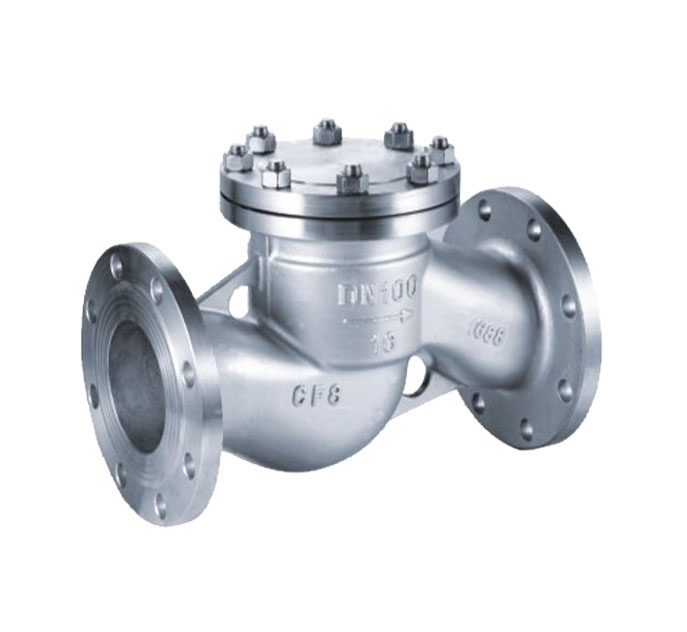
The globe ball valve represents a critical component in fluid control systems across diverse industries, including oil & gas, chemical processing, power generation, and water treatment. Functionally, it combines the precise throttling capabilities of a globe valve with the quarter-turn operational simplicity of a ball valve. This hybrid design facilitates both on/off isolation and modulated flow control, making it versatile for various applications. Unlike traditional ball valves primarily focused on shut-off, the globe ball valve's sculpted ball and seat geometry allow for controlled restriction of flow. Its technical position within the industry chain places it as a final control element, typically acting upon signals from control systems to regulate process parameters like pressure and flow rate. Core performance characteristics include tight shut-off, linear or equal-percentage flow characteristics, and resistance to high pressures and temperatures depending on material selection and construction.
Material Science & Manufacturing
Globe ball valve construction typically utilizes materials like stainless steel (304, 316, Duplex), carbon steel (ASTM A105), alloy steels (e.g., F11, F22 for sour service), and specialized polymers (PTFE, PEEK) for seals and seats. The ball itself is often manufactured from hardened stainless steel to resist erosion and deformation. Material selection is paramount, dictated by the fluid being handled, operating temperature, and pressure requirements. Manufacturing processes are multi-stage. The valve body is commonly produced through investment casting or forging followed by CNC machining to ensure precise dimensions and surface finish. The ball undergoes precision grinding and polishing to achieve leak-tight sealing. Seat materials, often PTFE, are molded and machined to fit the valve body. Key parameter control during manufacturing involves dimensional accuracy of the ball and seat, surface roughness to minimize friction, and welding procedures (for welded body designs) conforming to ASME Section IX standards. Heat treatment processes are critical for achieving the required hardness and tensile strength of metallic components. Non-destructive testing (NDT) – radiography, liquid penetrant inspection, and ultrasonic testing – are employed to detect internal and surface defects.
Performance & Engineering
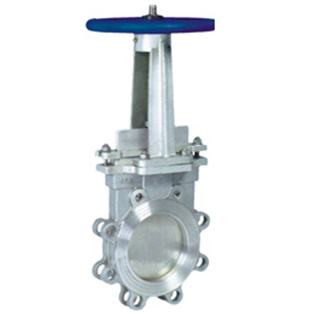
Performance of a globe ball valve is intrinsically linked to force analysis of the ball against the seat. The applied force must overcome the fluid pressure to achieve a leak-tight seal. Flow characteristics are dictated by the ball’s port configuration and seat design. Equal-percentage flow curves are achieved through specifically contoured seats, providing a higher flow rate for larger valve openings and a more controlled response to small adjustments. Environmental resistance is a key engineering consideration. Valves exposed to corrosive environments require appropriate material selection (e.g., duplex stainless steel for chloride resistance) and protective coatings. Pressure-temperature ratings are determined based on ASME B16.34 standards, accounting for material strength, gasket limitations, and valve body geometry. Compliance with industry regulations, such as API 6D for quarter-turn valves and NACE MR0175/ISO 15156 for sour service applications, is mandatory. Actuation – manual, pneumatic, or electric – influences the valve’s speed of response and control capabilities. Proper sizing of the valve based on process flow rates and pressure drops is critical to prevent cavitation and erosion, utilizing methodologies defined in ISA 75.01.
Technical Specifications
| Valve Size (Inches) | Pressure Rating (PSI) | Temperature Range (°F) | Body Material |
|---|---|---|---|
| 1/2 | 740 | -20 to 450 | 316 Stainless Steel |
| 1 | 1440 | -20 to 650 | Carbon Steel (ASTM A105) |
| 2 | 900 | -20 to 800 | Duplex Stainless Steel |
| 3 | 740 | -20 to 450 | 304 Stainless Steel |
| 4 | 1440 | -20 to 650 | Alloy Steel (F11) |
| 6 | 900 | -20 to 800 | Carbon Steel (ASTM A105) |
Failure Mode & Maintenance
Globe ball valves are susceptible to several failure modes. Fatigue cracking can occur in the valve body due to cyclic pressure fluctuations, particularly at stress concentration points. Seat degradation, especially with PTFE seats, can lead to leakage due to erosion, chemical attack, or cold flow. Corrosion, especially in corrosive fluid environments, can compromise valve body integrity. Cavitation, induced by excessive pressure drop, causes erosion and damage to the ball and seat. Stem packing failure results in external leakage. Failure analysis typically involves visual inspection, NDT methods (ultrasonic testing for body cracks, dye penetrant inspection for surface flaws), and metallurgical analysis of failed components. Preventative maintenance includes regular inspection of seals and packing, lubrication of moving parts, and periodic torque checks on bolted connections. Replacement of worn seats and packing is crucial to maintain leak-tight performance. For valves in critical service, a scheduled overhaul and non-destructive examination program should be implemented. Proper cleaning and storage are also vital to prevent corrosion and contamination during periods of inactivity.
Industry FAQ
Q: What are the key differences between a globe ball valve and a standard ball valve in terms of flow control?
A: A standard ball valve is primarily designed for on/off isolation with minimal throttling capability. The full-bore design offers very low pressure drop in the open position but imprecise flow control. The globe ball valve, with its sculpted ball and seat, is specifically engineered for modulating flow. The contoured seat creates a variable restriction, allowing for linear or equal-percentage flow characteristics. This provides a more controlled and accurate regulation of fluid flow rates.
Q: How does material selection impact the longevity of a globe ball valve in a corrosive environment?
A: Material selection is paramount. Carbon steel is unsuitable for highly corrosive environments. 316 Stainless Steel offers improved corrosion resistance, but duplex stainless steel, with its higher chromium, molybdenum, and nitrogen content, provides superior resistance to pitting, crevice corrosion, and stress corrosion cracking, particularly in chloride-containing environments. Alloy steels, such as those conforming to NACE MR0175/ISO 15156, are used for sour service applications (containing H2S). The seat material must also be chemically compatible with the fluid.
Q: What are the critical considerations when selecting a globe ball valve for high-pressure applications?
A: Pressure rating is the primary concern, ensuring the valve’s maximum allowable working pressure (MAWP) exceeds the system pressure. The valve body must be forged or cast from materials with sufficient tensile strength and yield strength. Bolted bonnet joints require careful consideration of gasket materials and bolt loading to prevent leakage. The valve’s design must conform to ASME B16.34 standards. Regular inspection and maintenance are critical to detect any signs of pressure-induced deformation or cracking.
Q: What is the significance of ‘equal-percentage’ flow characteristics in a globe ball valve, and when are they preferred?
A: Equal-percentage flow characteristics mean that for every equal increment of valve travel, the flow rate increases by an equal percentage. This is advantageous in applications requiring precise control, especially when dealing with large variations in upstream pressure. It offers a more stable control loop and minimizes process fluctuations. They are preferred in situations where the pressure drop across the valve changes significantly with flow rate.
Q: What preventative maintenance procedures should be followed to ensure optimal performance and extend the lifespan of a globe ball valve?
A: Regular inspection of seals and packing for leaks is crucial. Lubrication of the stem and ball bearing is essential for smooth operation. Periodic torque checks on bonnet and flange bolts are necessary to maintain proper sealing. Visual inspection for corrosion or erosion is recommended. A scheduled overhaul, including replacement of worn parts (seats, packing, stem seals) and non-destructive testing, should be implemented based on operating conditions and service criticality.
Conclusion
The globe ball valve stands as a robust and versatile solution for fluid control, offering a unique blend of throttling capability and operational simplicity. Proper material selection, meticulous manufacturing processes, and adherence to industry standards are crucial for ensuring long-term reliability and performance. Understanding its inherent failure modes and implementing a comprehensive maintenance program are vital for maximizing its lifespan and minimizing downtime.
The continued evolution of globe ball valve technology will likely focus on advancements in sealing materials, optimized flow path designs, and integration with smart control systems. These developments will further enhance its precision, efficiency, and applicability across increasingly demanding industrial processes. Selecting the appropriate globe ball valve requires a thorough evaluation of process parameters, fluid characteristics, and regulatory compliance requirements.
-
Top Reasons to Choose a Stainless Steel Flange Check Valve for Industrial Applications
-
8 inch flange Performance Analysis
-
angle ring flanges Performance Analysis
-
Flat Flanges Performance Analysis
-
Full Face Flange Performance Analysis
-
Full Face Flanges Performance Analysis
-
flange 8 inch Performance Analysis
-
Ring Flange Performance Analysis
-
3 inch split flange Performance Analysis
-
Tongue and groove flange Performance Analysis
-
Grooved Flange Performance Analysis
-
o ring flange Performance Analysis
-
Ring Flanges Performance Analysis
-
Groove Flange Performance Analysis
-
Tongue and groove flanges Performance Analysis
 Afrikaans
 Albanian
 Amharic
 Arabic
 Armenian
 Azerbaijani
 Basque
 Belarusian
 Bengali
 Bosnian
 Bulgarian
 Catalan
 Cebuano
 Corsican
 Croatian
 Czech
Czech
 Danish
 Dutch
Dutch
 Esperanto
 Estonian
 Finnish
 French
 Frisian
 Galician
 Georgian
 German
 Greek
Greek
 Gujarati
 Haitian Creole
 Hausa
Hawaiian
Hausa
Hawaiian
 Hebrew
 Hindi
Hindi
 Miao
Miao
 Hungarian
 Icelandic
 Igbo
Igbo
 Indonesian
 Irish
Irish
 Italian
 Japanese
 Javanese
Kannada
Javanese
Kannada
 Kazakh
 Khmer
Khmer
 Rwandese
 Korean
 Kurdish
 Kyrgyz
 Lao
Lao
 Latin
Latin
 Latvian
 Lithuanian
 Luxembourgish
 Macedonian
 Malgashi
 Malay
Malay
 Malayalam
 Maltese
 Maori
Maori
 Marathi
 Mongolian
 Myanmar
 Nepali
 Norwegian
 Norwegian
 Occitan
 Pashto
 Persian
 Polish
 Portuguese
Punjabi
Portuguese
Punjabi
 Romanian
 Russian
 Samoan
 Scottish Gaelic
 Serbian
 Sesotho
 Shona
Shona
 Sindhi
 Sinhala
 Slovak
 Slovenian
 Somali
 Spanish
 Sundanese
 Swahili
 Swedish
Tagalog
Swedish
Tagalog
 Tajik
Tajik
 Tamil
Tamil
 Tatar
Tatar
 Telugu
 Thai
Thai
 Turkish
 Turkmen
 Ukrainian
 Urdu
Urdu
 Uighur
 Uzbek
Uzbek
 Vietnamese
 Welsh
Welsh
 Bantu
Bantu
 Yiddish
 Yoruba
 Zulu
Zulu
 English