




globe butterfly valve Performance Analysis
Introduction
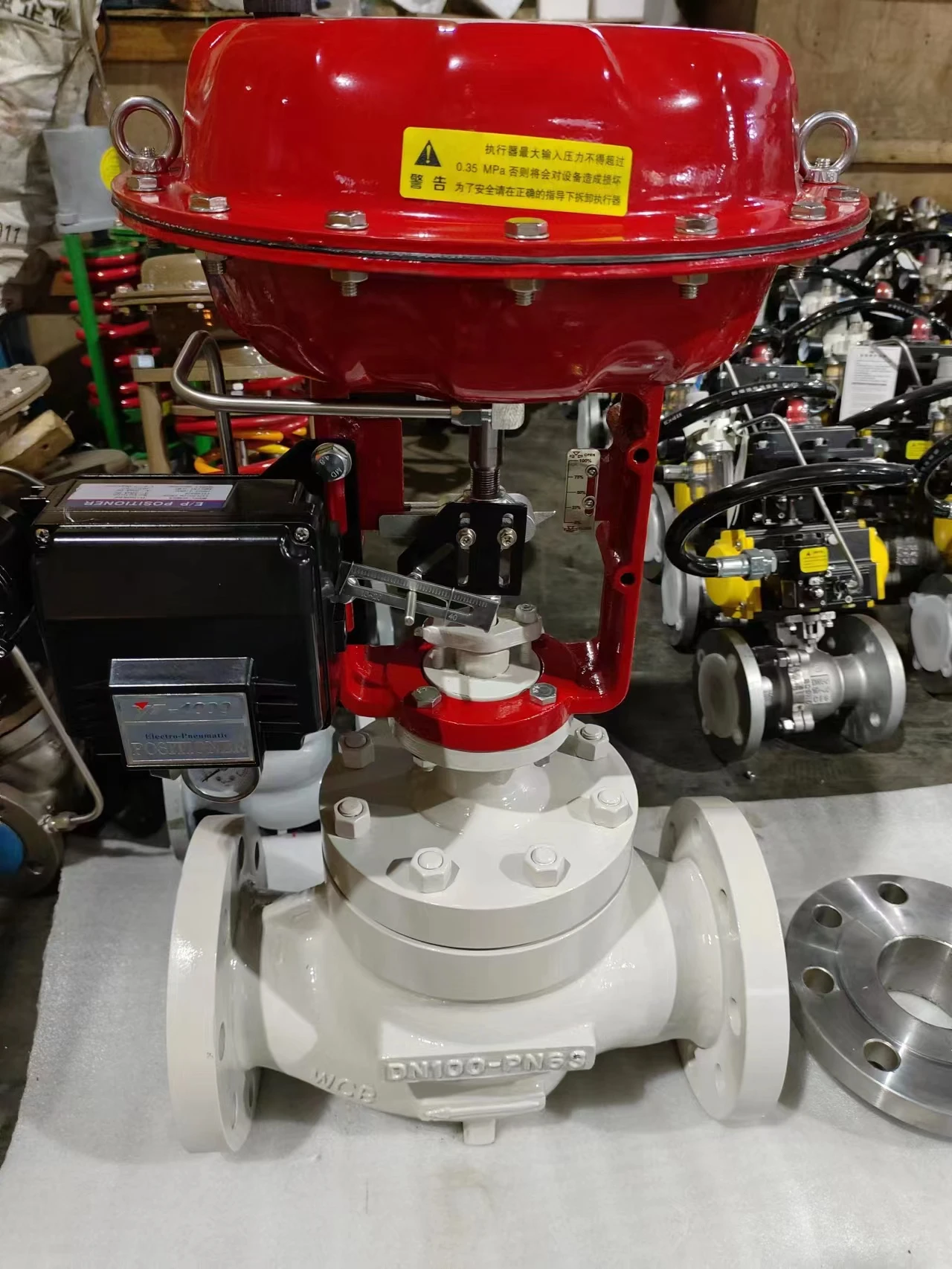
The globe butterfly valve is a quarter-turn rotational motion valve used to regulate or isolate flow. Distinguished from conventional butterfly valves by its disc orientation perpendicular to the flow, resembling a globe valve, it offers superior throttling capabilities. Positioned within the fluid control chain, the globe butterfly valve serves as a critical component in process industries including chemical processing, power generation, water treatment, and oil & gas. Core performance characteristics include high flow capacity, tight shut-off capabilities, relatively low pressure drop when fully open, and precise flow modulation. Its design bridges the gap between the cost-effectiveness of butterfly valves and the precision control offered by globe valves, making it a viable solution for applications demanding both. Common materials include ductile iron, stainless steel (304, 316), and various alloys, tailored to the specific fluid and operating conditions. This guide will detail the material science, manufacturing processes, performance parameters, potential failure modes, and maintenance protocols associated with globe butterfly valves.
Material Science & Manufacturing
Globe butterfly valve construction relies heavily on the properties of ductile iron, stainless steels, and elastomer seals. Ductile iron (ASTM A536-89) provides excellent strength and corrosion resistance for the valve body, boasting a tensile strength of 60,000 - 80,000 psi and a yield strength of 35,000 - 55,000 psi. Stainless steel (304/316 - ASTM A276) is employed for the disc and stem due to its superior corrosion resistance, particularly in aggressive chemical environments. 316 stainless steel incorporates molybdenum, enhancing its resistance to chloride pitting. The disc's manufacturing typically involves investment casting or forging, followed by machining to precise tolerances. Elastomer seals, frequently made of EPDM, Viton, or PTFE, provide leak-tight closure. These materials are selected based on chemical compatibility with the fluid and operating temperature.
Manufacturing processes begin with pattern making for the ductile iron body, followed by sand casting. Core boxes are used to create internal cavities within the casting. The casting undergoes fettling (removal of excess material) and inspection for defects. The stainless steel disc is either investment cast or forged and subsequently machined to ensure flatness and accurate dimensions. Welding procedures (AWS D1.1) are critical for joining the stem to the disc. Elastomeric liners are either molded in-situ or press-fitted into the valve body. The final assembly involves meticulous torque control during bolt tightening to ensure proper sealing and prevent deformation. Non-Destructive Testing (NDT) methods like radiographic testing (RT) and ultrasonic testing (UT) are employed to verify weld integrity and detect subsurface flaws. Parameter control focuses on maintaining dimensional accuracy (within ±0.1mm) for sealing surfaces and achieving consistent material properties through heat treatment processes (annealing, quenching, tempering).
Performance & Engineering
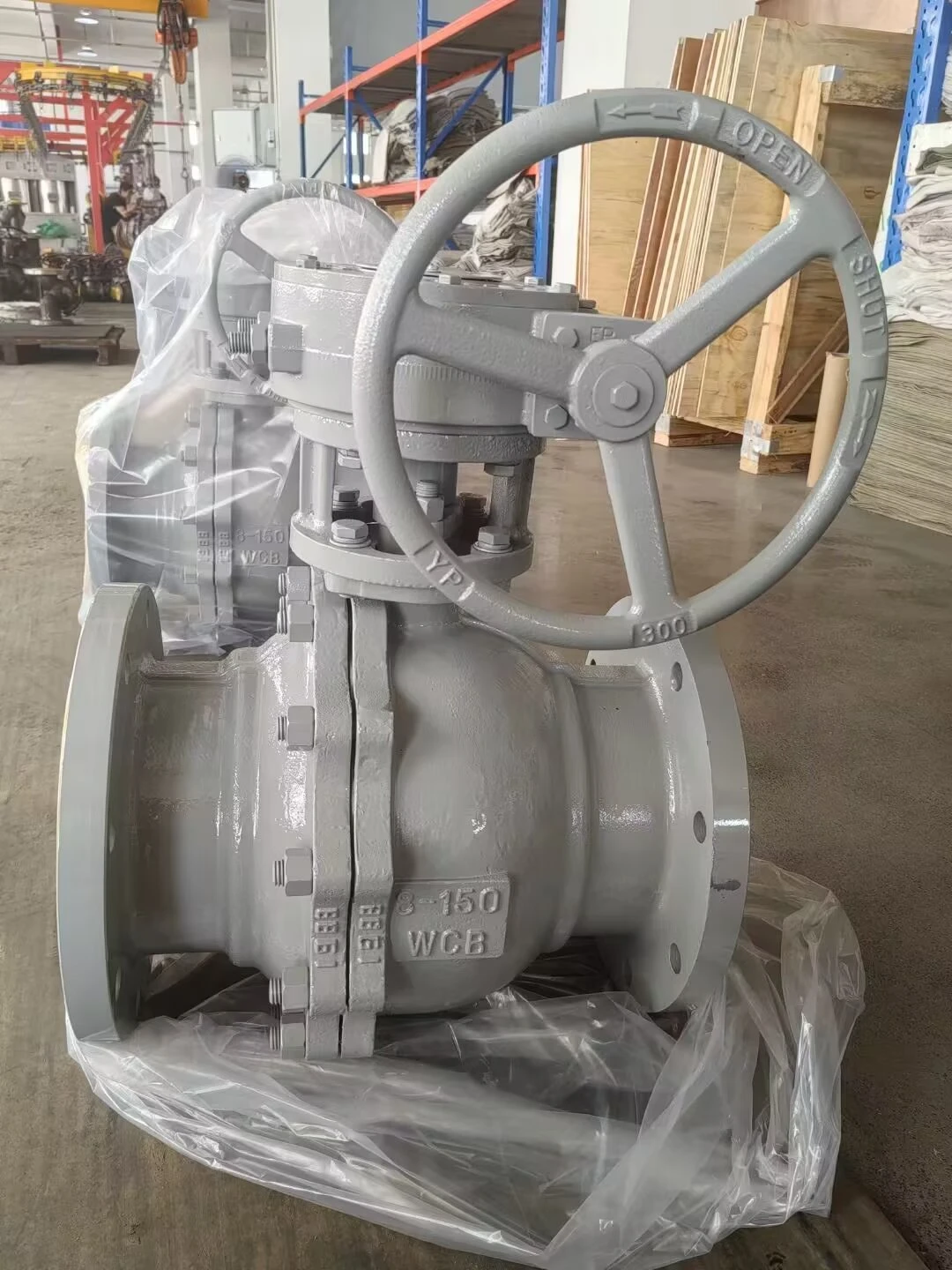
The performance of a globe butterfly valve is dictated by several engineering factors, primarily flow characteristics, pressure-temperature ratings, and torque requirements. The valve’s Cv (flow coefficient) is a crucial parameter, defining the flow rate for a given pressure drop. The quarter-turn operation necessitates careful torque analysis, considering the fluid pressure, disc size, and stem friction. Force analysis involves calculating the bending moment on the stem and ensuring sufficient strength to prevent yielding or fracture.
Environmental resistance is paramount; the valve must withstand operating temperatures ranging from -60°C to 200°C, depending on the material selection and seal type. Compliance requirements are defined by standards such as ANSI/FCI 70-2 for fugitive emissions, ensuring minimal leakage to the atmosphere. The valve's design must account for hydrostatic testing (API 598) to verify shell integrity and seat tightness. Functional implementation relies on the actuator, which can be manual, pneumatic, electric, or hydraulic. Actuator sizing must match the valve’s torque requirements, ensuring reliable opening and closing. The valve's seat design – often utilizing a resilient seat – contributes to tight shut-off, minimizing pressure drop when closed and preventing backflow. Consideration of fluid velocity is important to mitigate erosion and cavitation, especially in high-flow applications. Proper valve selection considers the fluid’s density, viscosity, and potential for solids content.
Technical Specifications
| Parameter | DN50 (2 inch) | DN100 (4 inch) | DN150 (6 inch) | DN200 (8 inch) |
|---|---|---|---|---|
| Maximum Pressure (PS) | 16 bar | 10 bar | 6 bar | 4 bar |
| Temperature Range | -20°C to 120°C (EPDM) | -20°C to 120°C (EPDM) | -20°C to 120°C (EPDM) | -20°C to 120°C (EPDM) |
| Cv Value (Approx.) | 150 | 400 | 800 | 1400 |
| Actuator Torque (Typical) | 20 Nm | 60 Nm | 120 Nm | 200 Nm |
| Body Material | Ductile Iron ASTM A536-89 | Ductile Iron ASTM A536-89 | Ductile Iron ASTM A536-89 | Ductile Iron ASTM A536-89 |
| Disc Material | 316 Stainless Steel ASTM A276 | 316 Stainless Steel ASTM A276 | 316 Stainless Steel ASTM A276 | 316 Stainless Steel ASTM A276 |
Failure Mode & Maintenance
Globe butterfly valves are susceptible to several failure modes. Seat erosion is a common issue, particularly with abrasive fluids, leading to leakage. Fatigue cracking can occur in the disc or stem due to cyclic loading and stress concentration. Cavitation, induced by high fluid velocities and pressure drop, causes pitting and erosion of the disc and valve body. Elastomer seal degradation arises from chemical attack, temperature extremes, and prolonged exposure to UV radiation. Corrosion, especially in chloride-rich environments, can affect the valve body and internal components.
Maintenance involves regular inspection of the disc, seat, and stem for wear or damage. Elastomer seals should be replaced periodically, typically every 1-2 years, depending on the operating conditions and fluid compatibility. Lubrication of the stem bearings is crucial to reduce friction and ensure smooth operation. Leak testing should be performed regularly to identify seat leakage. In case of corrosion, surface preparation and protective coating application are necessary. When replacing parts, strict adherence to OEM specifications is critical to maintain valve performance and integrity. Non-destructive testing (NDT) of critical components (disc, stem) should be conducted periodically to detect potential cracks or flaws before catastrophic failure occurs. Preventive maintenance schedules should be implemented based on operating hours and fluid characteristics.
Industry FAQ
Q: What is the primary advantage of a globe butterfly valve over a standard butterfly valve in throttling applications?
A: The globe butterfly valve's disc orientation, perpendicular to the flow, provides superior throttling characteristics compared to a standard butterfly valve. This design minimizes turbulence and allows for more precise flow control, resulting in reduced pressure drop and improved efficiency in modulating flow rates.
Q: What material selection considerations are critical when handling corrosive fluids?
A: When dealing with corrosive fluids, material selection is paramount. 316 stainless steel is generally preferred over 304 due to its enhanced resistance to chloride pitting. Furthermore, the elastomer seat material must be chemically compatible with the fluid; PTFE or Viton are often chosen for their broad chemical resistance, while EPDM is suitable for less aggressive environments.
Q: How does temperature affect the performance and lifespan of the valve's seals?
A: Temperature extremes can significantly impact seal performance. High temperatures can cause elastomer seals to harden and lose their elasticity, leading to leakage. Low temperatures can make seals brittle and prone to cracking. Selecting a seal material with an appropriate temperature range and implementing proper thermal insulation are crucial for extending seal lifespan.
Q: What is the recommended maintenance frequency for a globe butterfly valve in a typical water treatment plant?
A: In a typical water treatment plant, a globe butterfly valve should undergo a comprehensive inspection and maintenance cycle every 6-12 months. This includes visual inspection for corrosion, leak testing, lubrication of stem bearings, and replacement of elastomer seals if necessary. More frequent inspections may be required for valves handling abrasive or chemically aggressive water.
Q: What are the key considerations when specifying an actuator for a globe butterfly valve?
A: Key considerations include the valve's torque requirements, operating speed, and environmental conditions. The actuator must be sized to provide sufficient torque to overcome the fluid pressure and friction within the valve. Electric actuators are suitable for remote control and precise positioning, while pneumatic actuators offer faster response times. The actuator enclosure must be appropriately rated for the operating environment (e.g., NEMA 4X for wet or corrosive environments).
Conclusion
The globe butterfly valve represents a robust and versatile solution for fluid control applications demanding both throttling precision and cost-effectiveness. Its unique design, combining features of both globe and butterfly valves, offers a compelling alternative in industries spanning chemical processing to water treatment. Careful consideration of material science, meticulous manufacturing processes, and adherence to industry standards are crucial for ensuring optimal performance and longevity.
Future advancements are likely to focus on incorporating smart valve technology, including integrated sensors for monitoring valve position, pressure, and temperature. This data-driven approach will enable predictive maintenance, optimize process control, and enhance overall system efficiency. Continued refinement of sealing materials and actuator designs will further improve valve performance and reliability, solidifying the globe butterfly valve’s position as a critical component in modern industrial infrastructure.
-
Top Reasons to Choose a Stainless Steel Flange Check Valve for Industrial Applications
-
8 inch flange Performance Analysis
-
angle ring flanges Performance Analysis
-
Flat Flanges Performance Analysis
-
Full Face Flange Performance Analysis
-
Full Face Flanges Performance Analysis
-
flange 8 inch Performance Analysis
-
Ring Flange Performance Analysis
-
3 inch split flange Performance Analysis
-
Tongue and groove flange Performance Analysis
-
Grooved Flange Performance Analysis
-
o ring flange Performance Analysis
-
Ring Flanges Performance Analysis
-
Groove Flange Performance Analysis
-
Tongue and groove flanges Performance Analysis
 Afrikaans
 Albanian
 Amharic
 Arabic
 Armenian
 Azerbaijani
 Basque
 Belarusian
 Bengali
 Bosnian
 Bulgarian
 Catalan
 Cebuano
 Corsican
 Croatian
 Czech
Czech
 Danish
 Dutch
Dutch
 Esperanto
 Estonian
 Finnish
 French
 Frisian
 Galician
 Georgian
 German
 Greek
Greek
 Gujarati
 Haitian Creole
 Hausa
Hawaiian
Hausa
Hawaiian
 Hebrew
 Hindi
Hindi
 Miao
Miao
 Hungarian
 Icelandic
 Igbo
Igbo
 Indonesian
 Irish
Irish
 Italian
 Japanese
 Javanese
Kannada
Javanese
Kannada
 Kazakh
 Khmer
Khmer
 Rwandese
 Korean
 Kurdish
 Kyrgyz
 Lao
Lao
 Latin
Latin
 Latvian
 Lithuanian
 Luxembourgish
 Macedonian
 Malgashi
 Malay
Malay
 Malayalam
 Maltese
 Maori
Maori
 Marathi
 Mongolian
 Myanmar
 Nepali
 Norwegian
 Norwegian
 Occitan
 Pashto
 Persian
 Polish
 Portuguese
Punjabi
Portuguese
Punjabi
 Romanian
 Russian
 Samoan
 Scottish Gaelic
 Serbian
 Sesotho
 Shona
Shona
 Sindhi
 Sinhala
 Slovak
 Slovenian
 Somali
 Spanish
 Sundanese
 Swahili
 Swedish
Tagalog
Swedish
Tagalog
 Tajik
Tajik
 Tamil
Tamil
 Tatar
Tatar
 Telugu
 Thai
Thai
 Turkish
 Turkmen
 Ukrainian
 Urdu
Urdu
 Uighur
 Uzbek
Uzbek
 Vietnamese
 Welsh
Welsh
 Bantu
Bantu
 Yiddish
 Yoruba
 Zulu
Zulu
 English