




Needle Control Valves Performance Analysis
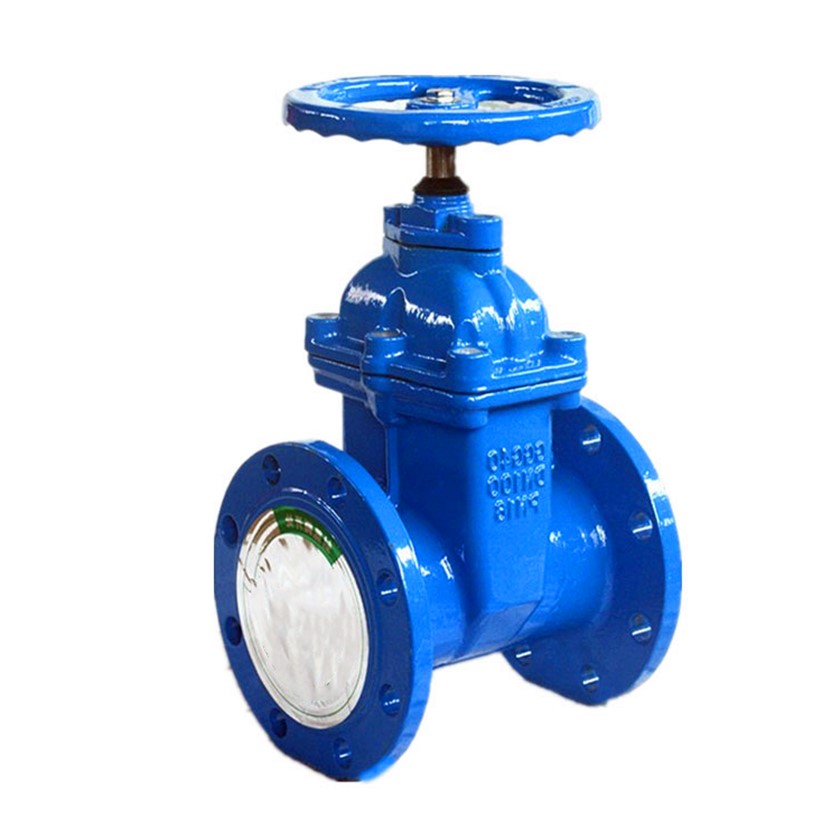
Introduction
Needle control valves are precision flow control devices utilized extensively across process industries, including chemical processing, oil & gas, power generation, and pharmaceutical manufacturing. They function by varying the size of the flow passage through a tapered needle and seat. Unlike conventional globe valves, needle valves are designed for precise, low-flow rate applications, offering accurate throttling and shut-off capabilities. Their key technical position lies in applications requiring fine control, often in scenarios where high pressure drop is expected. Core performance characteristics include Cv (flow coefficient), shut-off class rating (typically Class VI – bubble tight), and maximum allowable working pressure. A primary industry pain point addressed by needle valves is the need for reliable and repeatable control of small flow volumes, especially in critical process loops where inaccuracies can lead to product quality issues or system instability. Furthermore, maintaining leak-tight performance over extended periods and across varying temperatures and pressures remains a significant engineering challenge.
Material Science & Manufacturing
The body construction of needle control valves typically employs stainless steel (316/316L, A182 F316 being common), carbon steel (ASTM A105), or alloy steels (Hastelloy, Monel) depending on the fluid compatibility requirements and operating conditions. 316/316L stainless steel provides excellent corrosion resistance to a wide range of chemicals, while carbon steel offers cost-effectiveness for non-corrosive applications. Hastelloy and Monel are utilized for highly corrosive environments. The needle and seat materials are crucial for sealing performance. Common materials include PTFE (Teflon), PEEK (Polyether ether ketone), and reinforced PTFE blends. These polymers offer low friction, chemical inertness, and good temperature resistance. Manufacturing processes vary depending on valve size and complexity. Smaller valves are often produced via investment casting followed by precision machining of the body and internal components. Larger valves frequently employ forging and subsequent machining. The needle is typically ground and lapped to a high surface finish (Ra < 0.4 μm) to ensure bubble-tight shut-off. Critical parameter control during manufacturing includes dimensional accuracy of the needle taper, seat geometry, and surface finish. Welding processes, when employed, require strict adherence to ASME Section IX to ensure joint integrity. Non-destructive testing (NDT) methods, such as liquid penetrant inspection (LPI) and radiographic testing (RT), are vital for verifying weld quality.
Performance & Engineering
Performance of needle control valves is governed by fluid dynamics and mechanical engineering principles. The flow rate through the valve is determined by the pressure drop across the valve, the fluid viscosity, and the valve's Cv (flow coefficient). Force analysis considers the hydrostatic forces exerted by the fluid on the needle and the torque required to actuate the valve. Environmental resistance is a key concern, particularly in outdoor applications or corrosive atmospheres. Materials selection is paramount to prevent corrosion, erosion, and degradation. Compliance requirements vary depending on the industry and application. For example, valves used in the oil & gas industry must comply with API 6D and NACE MR0175/ISO 15156 standards to prevent sulfide stress cracking. Valves used in the pharmaceutical industry must meet stringent hygienic standards (e.g., 3-A Sanitary Standards). Functional implementation details include the type of actuator (handwheel, pneumatic, electric), the stem seal design (packing, bellows, diaphragm), and the connection type (threaded, flanged, welded). Cavitation, which can occur at high pressure drops, can damage the needle and seat, leading to premature failure. Proper valve sizing and flow control strategies are essential to avoid cavitation. Thermal expansion and contraction of valve components can also affect performance and sealing integrity. Careful material selection and design considerations are required to mitigate these effects.
Technical Specifications
| Parameter | Unit | Typical Value (Stainless Steel) | Typical Value (Carbon Steel) |
|---|---|---|---|
| Maximum Working Pressure | psi | 5000 | 4000 |
| Temperature Range | °F | -20 to 450 | -20 to 350 |
| Cv (Flow Coefficient) | - | 0.01 – 1.0 | 0.01 – 0.8 |
| Shut-Off Class | - | Class VI (Bubble Tight) | Class VI (Bubble Tight) |
| Connection Type | - | NPT, BSPT, Flanged | NPT, BSPT, Flanged |
| Body Material | - | 316/316L Stainless Steel | ASTM A105 Carbon Steel |
Failure Mode & Maintenance
Common failure modes in needle control valves include seat erosion due to high-velocity flow, needle scoring caused by abrasive particles in the fluid, stem packing leakage leading to external emissions, and body corrosion resulting in structural weakening. Fatigue cracking can occur in the valve body or stem under cyclic loading conditions. Delamination of the seat material can lead to loss of shut-off integrity. Oxidation of metallic components, particularly at elevated temperatures, can reduce their mechanical strength. Failure analysis often involves visual inspection, dimensional measurements, material testing (hardness, tensile strength, corrosion resistance), and fluid analysis. Maintenance procedures include regular inspection of the valve body, needle, and seat for signs of wear or damage. Periodic replacement of the stem packing is essential to prevent leakage. Lubrication of the stem threads reduces friction and prevents corrosion. Thorough cleaning of the valve internals removes abrasive particles and prevents seat erosion. Preventive maintenance programs, based on operating conditions and fluid characteristics, can significantly extend valve life and reduce unplanned downtime. Consideration should be given to implementing a valve management system to track maintenance history and identify potential problems before they occur. Regular calibration of the valve actuator ensures accurate flow control.
Industry FAQ
Q: What is the primary difference between a needle valve and a globe valve in terms of application suitability?
A: While both are used for throttling, needle valves excel in low-flow, high-precision applications. Globe valves are better suited for higher flow rates and more general-purpose control. The tapered needle design in needle valves allows for finer adjustments and more accurate control of small flow volumes.
Q: How does the choice of seat material impact the valve’s performance with different fluids?
A: Seat material compatibility is critical. PTFE is versatile for many chemicals, but may have temperature limitations. PEEK offers higher temperature resistance. For aggressive chemicals, reinforced PTFE or specialized polymer blends are necessary to prevent degradation and ensure a leak-tight seal.
Q: What are the implications of exceeding the maximum allowable working pressure of a needle control valve?
A: Exceeding the MAWP can lead to catastrophic failure, including body rupture, needle breakage, or seat deformation. This can result in hazardous fluid release and potential injury. Pressure relief devices should be installed upstream of the valve to prevent overpressure scenarios.
Q: What is the significance of the Cv value when selecting a needle valve for a specific application?
A: The Cv value determines the valve’s capacity to pass a given flow rate at a specific pressure drop. Correctly sizing the valve based on the process requirements and the fluid properties is crucial to avoid cavitation, erosion, and inaccurate control.
Q: What maintenance procedures are recommended to prevent stem packing leakage?
A: Regular inspection of the packing gland is essential. If leakage is detected, carefully tighten the gland nut. If tightening doesn’t resolve the issue, the packing should be replaced with a compatible material. Proper lubrication of the stem threads also helps to minimize friction and prevent leakage.
Conclusion
Needle control valves are indispensable components in numerous process industries, providing precise and reliable flow control for critical applications. Their performance is intrinsically linked to materials science, manufacturing precision, and adherence to stringent engineering standards. Understanding the potential failure modes and implementing proactive maintenance strategies are vital for maximizing valve life and ensuring process safety.
The ongoing trend toward digitalization and smart manufacturing is driving demand for needle valves equipped with integrated sensors and actuators, enabling remote monitoring, automated control, and predictive maintenance capabilities. Further advancements in materials science, particularly in the development of more robust and chemically resistant polymers and alloys, will continue to enhance the performance and longevity of these essential control devices.
-
Top Reasons to Choose a Stainless Steel Flange Check Valve for Industrial Applications
-
8 inch flange Performance Analysis
-
angle ring flanges Performance Analysis
-
Flat Flanges Performance Analysis
-
Full Face Flange Performance Analysis
-
Full Face Flanges Performance Analysis
-
flange 8 inch Performance Analysis
-
Ring Flange Performance Analysis
-
3 inch split flange Performance Analysis
-
Tongue and groove flange Performance Analysis
-
Grooved Flange Performance Analysis
-
o ring flange Performance Analysis
-
Ring Flanges Performance Analysis
-
Groove Flange Performance Analysis
-
Tongue and groove flanges Performance Analysis
 Afrikaans
 Albanian
 Amharic
 Arabic
 Armenian
 Azerbaijani
 Basque
 Belarusian
 Bengali
 Bosnian
 Bulgarian
 Catalan
 Cebuano
 Corsican
 Croatian
 Czech
Czech
 Danish
 Dutch
Dutch
 Esperanto
 Estonian
 Finnish
 French
 Frisian
 Galician
 Georgian
 German
 Greek
Greek
 Gujarati
 Haitian Creole
 Hausa
Hawaiian
Hausa
Hawaiian
 Hebrew
 Hindi
Hindi
 Miao
Miao
 Hungarian
 Icelandic
 Igbo
Igbo
 Indonesian
 Irish
Irish
 Italian
 Japanese
 Javanese
Kannada
Javanese
Kannada
 Kazakh
 Khmer
Khmer
 Rwandese
 Korean
 Kurdish
 Kyrgyz
 Lao
Lao
 Latin
Latin
 Latvian
 Lithuanian
 Luxembourgish
 Macedonian
 Malgashi
 Malay
Malay
 Malayalam
 Maltese
 Maori
Maori
 Marathi
 Mongolian
 Myanmar
 Nepali
 Norwegian
 Norwegian
 Occitan
 Pashto
 Persian
 Polish
 Portuguese
Punjabi
Portuguese
Punjabi
 Romanian
 Russian
 Samoan
 Scottish Gaelic
 Serbian
 Sesotho
 Shona
Shona
 Sindhi
 Sinhala
 Slovak
 Slovenian
 Somali
 Spanish
 Sundanese
 Swahili
 Swedish
Tagalog
Swedish
Tagalog
 Tajik
Tajik
 Tamil
Tamil
 Tatar
Tatar
 Telugu
 Thai
Thai
 Turkish
 Turkmen
 Ukrainian
 Urdu
Urdu
 Uighur
 Uzbek
Uzbek
 Vietnamese
 Welsh
Welsh
 Bantu
Bantu
 Yiddish
 Yoruba
 Zulu
Zulu
 English