




precision needle valve Performance Analysis
Introduction
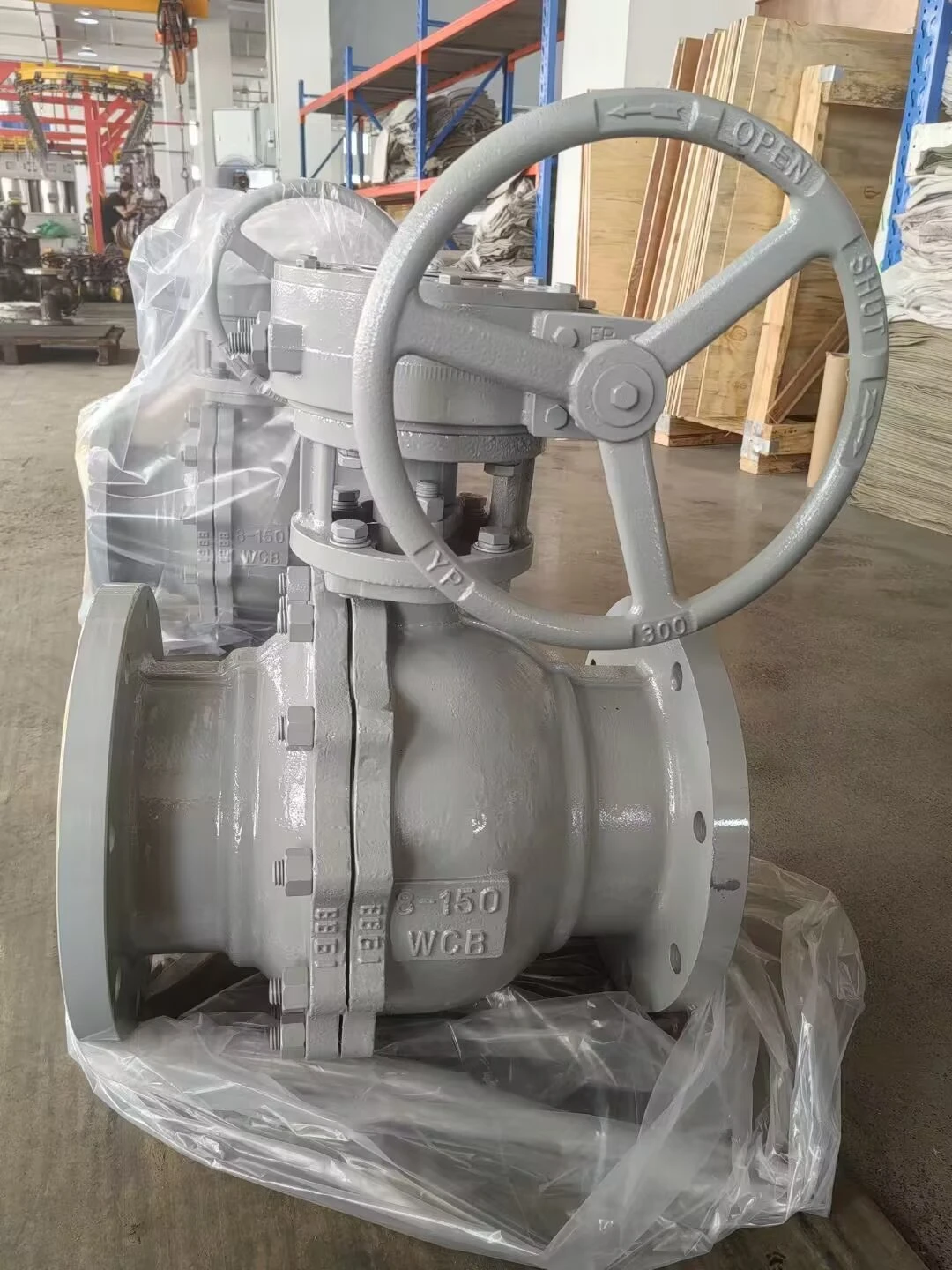
Precision needle valves are highly accurate flow control devices utilized in a diverse range of industrial applications, including chemical processing, oil and gas, analytical instrumentation, and hydraulic systems. Positioned within the fluid control industry chain as a critical component for metering and regulating flow rates, they offer superior control compared to conventional valves, particularly at low flow rates. Their core performance characteristics revolve around achieving precise flow restriction via a tapered needle moving within a corresponding seat. This design enables exceptionally fine adjustments and repeatable flow settings, addressing a key pain point in processes demanding meticulous fluid management. The primary industry challenges these valves solve include maintaining process stability, optimizing reagent delivery, and ensuring accurate measurement in sensitive applications where even minor flow fluctuations are unacceptable. Effective needle valve performance is intrinsically linked to material selection, manufacturing precision, and understanding the fluid characteristics being controlled.
Material Science & Manufacturing
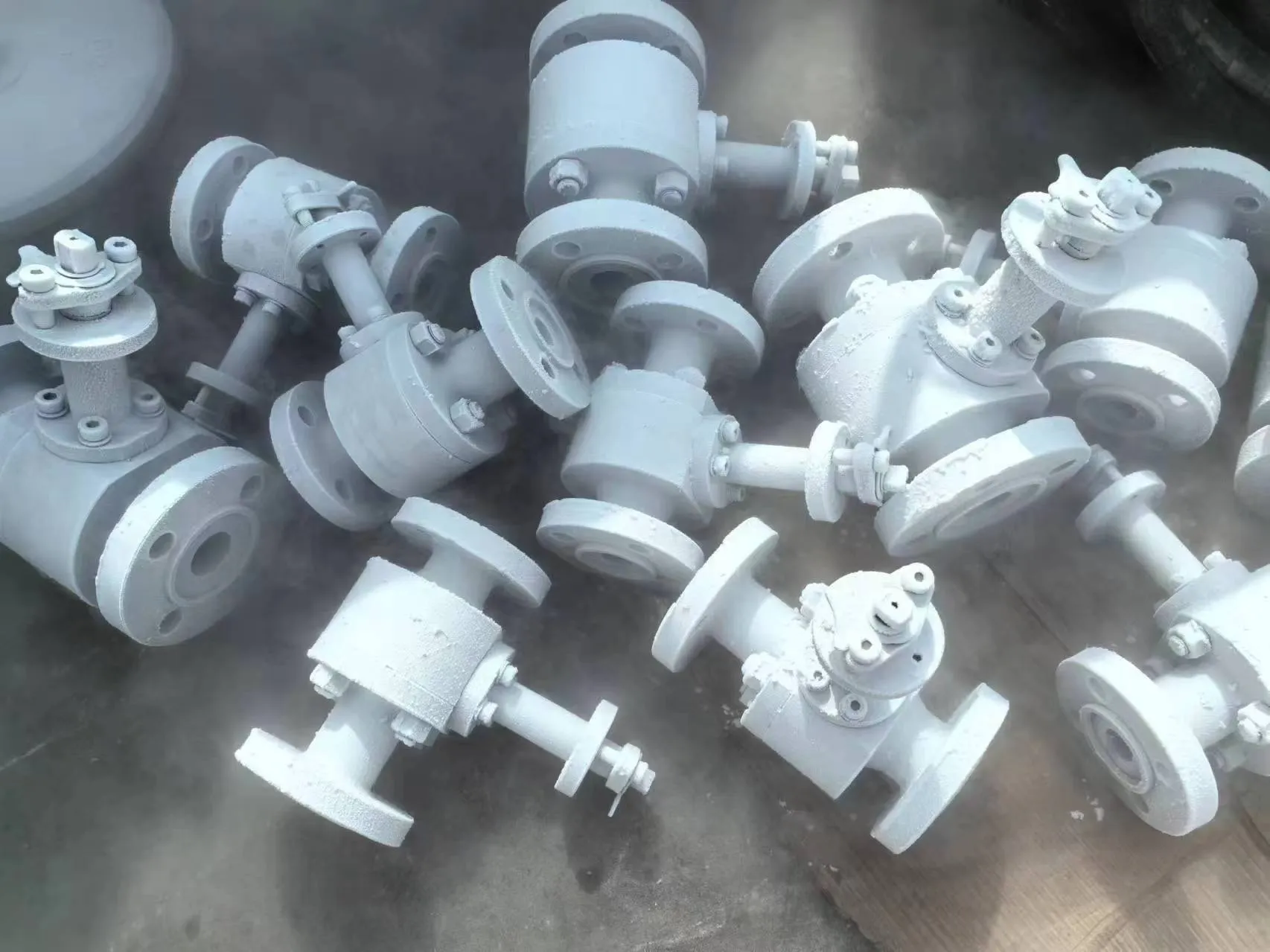
The construction of precision needle valves demands careful consideration of material properties to ensure compatibility with the process fluid and operational conditions. Valve bodies are commonly manufactured from 316/316L stainless steel due to its excellent corrosion resistance, particularly in aggressive chemical environments. Other materials, like Hastelloy C-276, Monel 400, and PEEK, are utilized for highly corrosive or high-temperature applications. The needle and seat, the critical flow-controlling elements, are frequently composed of hardened alloys such as 17-4 PH stainless steel or tungsten carbide to withstand erosion and maintain a tight seal. The choice depends on the fluid’s abrasive nature and the required valve lifespan.
Manufacturing processes center around precision machining and lapping. Valve bodies are typically produced via CNC machining, ensuring dimensional accuracy and surface finish. The needle and seat undergo a multi-stage grinding and lapping process to achieve the necessary taper and surface smoothness (Ra typically < 0.4 µm). This process is crucial for minimizing leakage and ensuring linear flow characteristics. Welding, when employed for component assembly, necessitates rigorous quality control, including radiographic inspection and dye penetrant testing to detect defects. Parameter control during manufacturing is paramount, specifically concerning tolerances on the needle taper angle, seat angle, and surface finish. Furthermore, cleanliness is critical; valves intended for high-purity applications require extensive cleaning and passivation procedures to remove contaminants.
Performance & Engineering
The performance of a precision needle valve is fundamentally governed by fluid dynamics and the geometry of the flow path. Force analysis is critical, particularly regarding the stem’s ability to overcome fluid drag and maintain a stable position. The required torque to actuate the valve is directly proportional to the fluid viscosity, flow rate, and valve size. Environmental resistance is another key consideration. Valves operating in harsh environments (e.g., high temperature, extreme pressure, corrosive atmospheres) require specialized materials and sealing designs. The Cv (flow coefficient) value is a crucial performance metric, defining the valve’s capacity to pass a given fluid at a specific pressure drop. Accurate Cv determination requires rigorous testing and calibration.
Compliance requirements vary based on the application. For pharmaceutical and food processing industries, valves must comply with 3A Sanitary Standards to ensure hygienic operation and prevent contamination. Valves used in hazardous areas (e.g., explosive gas environments) must meet ATEX or IECEx certification requirements. Functional implementation involves careful selection of the actuator type (manual, pneumatic, electric) and the appropriate control signal (4-20mA, Modbus, Profibus). Proper sizing of the valve is essential to ensure optimal performance and prevent cavitation or flashing, which can damage the valve and disrupt the process. The inherent characteristic of a needle valve is typically quick-opening, meaning a small rotation of the stem results in a significant change in flow rate.
Technical Specifications
| Parameter | Typical Value (Stainless Steel Body) | Typical Value (PEEK Body) | Tolerance |
|---|---|---|---|
| Maximum Pressure | 1000 psi | 500 psi | ± 5% |
| Temperature Range | -60°C to 350°C | -20°C to 150°C | ± 2°C |
| Cv Value (Typical) | 0.01 – 0.5 | 0.005 – 0.25 | ± 10% |
| Leakage Rate | < 0.1 SCCM (air) | < 0.05 SCCM (air) | Measured per ANSI/FCI 70-2 |
| Connection Type | 1/4" NPT, 1/2" NPT, Swagelok | 1/4" NPT, 1/2" NPT | Per applicable standards |
| Body Material | 316/316L Stainless Steel | PEEK | ASTM A783 |
Failure Mode & Maintenance
Precision needle valves are susceptible to several failure modes. Fatigue cracking can occur in the stem due to repeated actuation, particularly under high load or vibration. Erosion of the needle and seat, caused by abrasive particles in the fluid, is a common issue, leading to increased leakage. Delamination of coatings (e.g., PFA, PTFE) on the needle or seat can also result in leakage and contamination. Oxidation of stainless steel components at high temperatures can reduce corrosion resistance and impair valve function. A significant failure mode is blockage due to particulate matter, especially when handling viscous fluids.
Preventative maintenance is crucial for ensuring reliable operation. Regular inspection for external leaks, smooth stem actuation, and visual damage is essential. Periodic disassembly and cleaning of the valve, including the needle and seat, are recommended, particularly in dirty or abrasive service. The frequency of cleaning depends on the process fluid and operating conditions. Lubrication of the stem threads with a compatible lubricant can reduce friction and prevent galling. If erosion or damage is detected, the needle and seat should be replaced. Always use genuine replacement parts to maintain the valve’s performance characteristics. Following a documented maintenance schedule and adhering to manufacturer’s recommendations will significantly extend the valve’s lifespan.
Industry FAQ
Q: What is the primary difference between a needle valve and a ball valve in low-flow applications?
A: While ball valves offer quick shut-off, needle valves provide far more precise control, especially at low flow rates. Ball valves have a larger dead band and are less sensitive to small adjustments, making them unsuitable for applications requiring fine flow regulation. Needle valves' tapered design facilitates gradual flow control, allowing for repeatable and accurate settings.
Q: How does material selection impact the longevity of a needle valve in a corrosive chemical environment?
A: Material selection is paramount. 316/316L stainless steel offers good general corrosion resistance, but for highly aggressive chemicals (e.g., hydrochloric acid, sulfuric acid), more resistant alloys like Hastelloy C-276 or Monel 400 are necessary. Furthermore, the seat material must be chemically compatible with the fluid to prevent degradation and leakage.
Q: What is the significance of the ‘Cv’ value when selecting a needle valve?
A: The Cv value represents the valve’s flow capacity and is crucial for ensuring the valve can handle the required flow rate at the desired pressure drop. An undersized valve will cause excessive pressure drop and restrict flow, while an oversized valve will be difficult to control accurately.
Q: How can I minimize the risk of particulate contamination affecting needle valve performance?
A: Implement appropriate filtration upstream of the valve to remove particulate matter. Consider using a self-cleaning valve design or incorporating a strainer. Regular valve cleaning and inspection are also crucial, particularly in processes handling fluids with high particulate content.
Q: What are the key considerations when selecting a needle valve for high-pressure applications?
A: Ensure the valve body and internal components are rated for the maximum operating pressure. Select a valve with a robust stem design to prevent bending or deformation under high pressure. Use high-strength materials for the needle and seat to withstand the pressure differential. Regularly inspect for leaks and signs of stress.
Conclusion
Precision needle valves represent a sophisticated solution for precise fluid control in diverse industrial sectors. Their performance is intrinsically linked to material science, manufacturing precision, and an understanding of the application's specific requirements. Proper material selection, optimized manufacturing processes, and diligent maintenance are essential for mitigating failure modes and ensuring long-term reliability.
The continued development of advanced materials, improved manufacturing techniques (such as micro-machining), and intelligent valve designs will further enhance the capabilities of precision needle valves, enabling more efficient and reliable process control in increasingly demanding applications. Selecting the correct valve for the application and adhering to established maintenance protocols are critical for achieving optimal performance and minimizing downtime.
-
Top Reasons to Choose a Stainless Steel Flange Check Valve for Industrial Applications
-
8 inch flange Performance Analysis
-
angle ring flanges Performance Analysis
-
Flat Flanges Performance Analysis
-
Full Face Flange Performance Analysis
-
Full Face Flanges Performance Analysis
-
flange 8 inch Performance Analysis
-
Ring Flange Performance Analysis
-
3 inch split flange Performance Analysis
-
Tongue and groove flange Performance Analysis
-
Grooved Flange Performance Analysis
-
o ring flange Performance Analysis
-
Ring Flanges Performance Analysis
-
Groove Flange Performance Analysis
-
Tongue and groove flanges Performance Analysis
 Afrikaans
 Albanian
 Amharic
 Arabic
 Armenian
 Azerbaijani
 Basque
 Belarusian
 Bengali
 Bosnian
 Bulgarian
 Catalan
 Cebuano
 Corsican
 Croatian
 Czech
Czech
 Danish
 Dutch
Dutch
 Esperanto
 Estonian
 Finnish
 French
 Frisian
 Galician
 Georgian
 German
 Greek
Greek
 Gujarati
 Haitian Creole
 Hausa
Hawaiian
Hausa
Hawaiian
 Hebrew
 Hindi
Hindi
 Miao
Miao
 Hungarian
 Icelandic
 Igbo
Igbo
 Indonesian
 Irish
Irish
 Italian
 Japanese
 Javanese
Kannada
Javanese
Kannada
 Kazakh
 Khmer
Khmer
 Rwandese
 Korean
 Kurdish
 Kyrgyz
 Lao
Lao
 Latin
Latin
 Latvian
 Lithuanian
 Luxembourgish
 Macedonian
 Malgashi
 Malay
Malay
 Malayalam
 Maltese
 Maori
Maori
 Marathi
 Mongolian
 Myanmar
 Nepali
 Norwegian
 Norwegian
 Occitan
 Pashto
 Persian
 Polish
 Portuguese
Punjabi
Portuguese
Punjabi
 Romanian
 Russian
 Samoan
 Scottish Gaelic
 Serbian
 Sesotho
 Shona
Shona
 Sindhi
 Sinhala
 Slovak
 Slovenian
 Somali
 Spanish
 Sundanese
 Swahili
 Swedish
Tagalog
Swedish
Tagalog
 Tajik
Tajik
 Tamil
Tamil
 Tatar
Tatar
 Telugu
 Thai
Thai
 Turkish
 Turkmen
 Ukrainian
 Urdu
Urdu
 Uighur
 Uzbek
Uzbek
 Vietnamese
 Welsh
Welsh
 Bantu
Bantu
 Yiddish
 Yoruba
 Zulu
Zulu
 English