




stainless steel needle valve Performance Analysis
Introduction
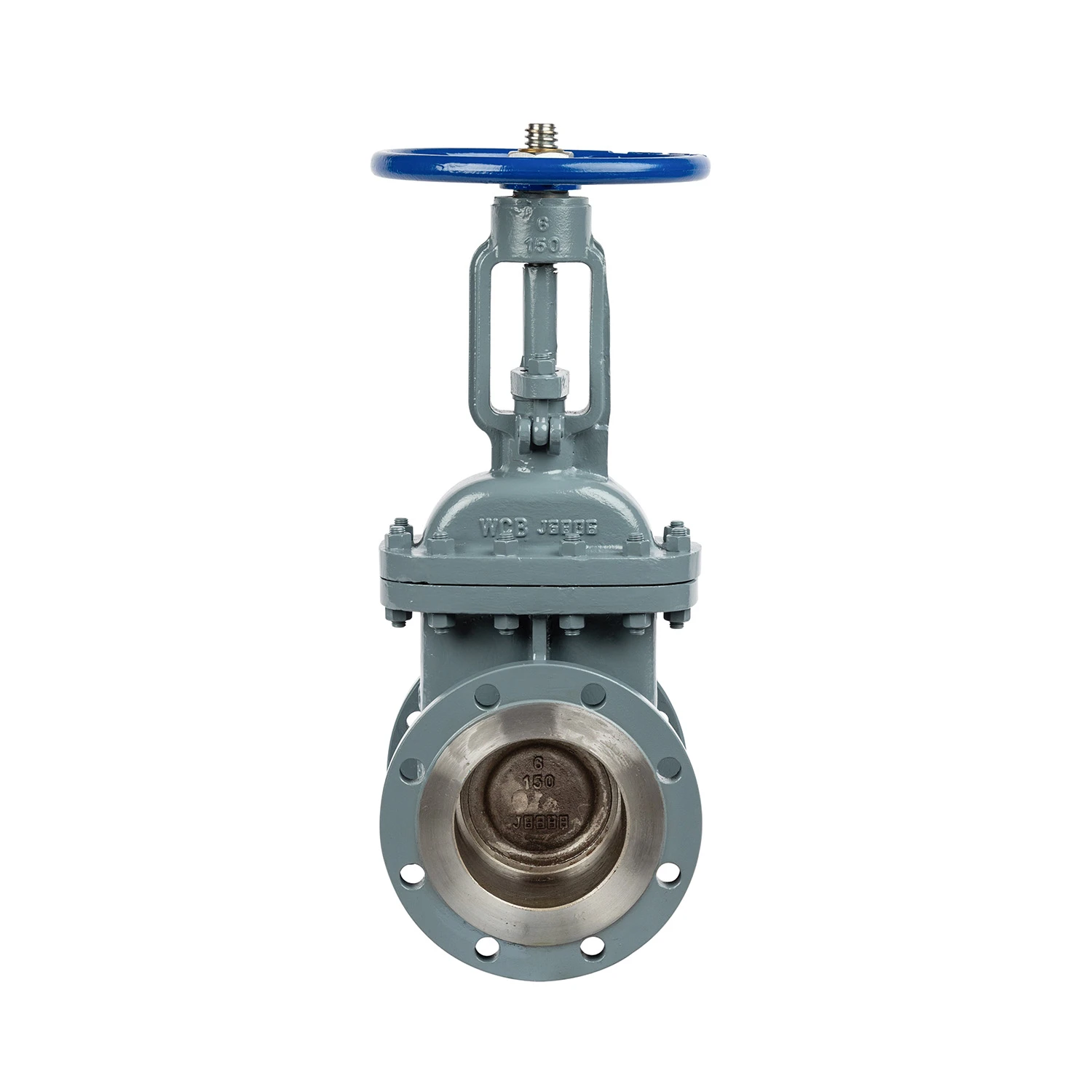
Stainless steel needle valves are precision flow control devices integral to numerous industrial processes. Positioned within fluid control systems, they regulate flow rates with high accuracy, serving as critical components in applications requiring precise metering or shut-off capabilities. Unlike ball valves or gate valves which provide quick on/off functionality, needle valves utilize a tapered needle and seat, allowing for fine adjustments. Their construction, typically utilizing 304 or 316 stainless steel, provides corrosion resistance and compatibility with a broad spectrum of fluids. Core performance characteristics include coefficient of flow (Cv), pressure drop across the valve, and sealing capability, all of which dictate their suitability for specific operational environments. A key industry pain point is selecting the appropriate valve material grade to withstand the specific corrosive properties of the process fluid, preventing premature failure and costly downtime. Furthermore, maintaining consistent flow calibration over time presents a continual challenge in process control environments.
Material Science & Manufacturing
The foundation of a stainless steel needle valve lies in the properties of its constituent materials. Typically, 304/304L and 316/316L stainless steels are employed. 304/304L offers excellent corrosion resistance in many environments, with a minimum of 18% chromium and 8% nickel. The 'L' designation indicates low carbon content, enhancing weldability and reducing sensitization during heat treatment. 316/316L further incorporates molybdenum (2-3%), significantly increasing resistance to chloride corrosion, pitting, and crevice corrosion, critical in marine or chemical processing applications. The manufacturing process commonly involves several stages. Firstly, raw stainless steel bar stock is precision machined using CNC lathes and milling machines to form the valve body, stem, and needle. Critical dimensions are held to tight tolerances to ensure proper sealing and flow control. The needle itself undergoes a lapping process to achieve a smooth, precise taper. The seat, often made of PTFE or another compatible polymer, is carefully fitted into the valve body. Welding, if required, is performed using TIG (GTAW) techniques, employing controlled shielding gas atmospheres to maintain corrosion resistance. Parameter control during machining is paramount; surface roughness (Ra) values are monitored to minimize friction and ensure smooth needle operation. Post-machining, passivation treatment is conducted to enhance the stainless steel’s corrosion resistance by forming a protective chromium oxide layer on the surface. Quality control includes hydrostatic testing to verify leak tightness and dimensional inspection to confirm adherence to specifications.
Performance & Engineering
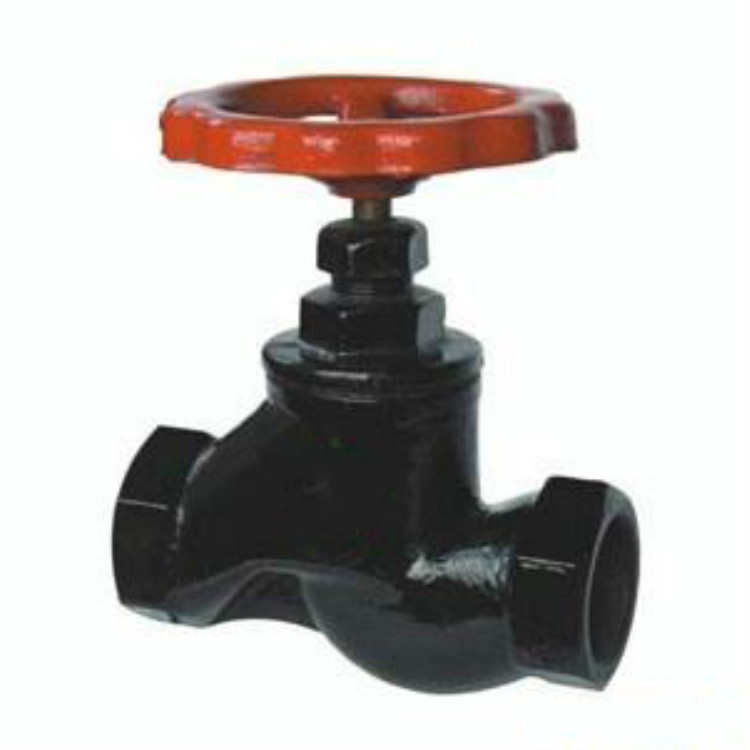
Performance of a stainless steel needle valve is dictated by several engineering considerations. Force analysis is crucial in determining the optimal stem diameter and handle design to allow for precise flow adjustment without excessive force exertion. The taper angle of the needle and seat influences the valve’s flow characteristics – a steeper angle provides faster response but lower precision, while a shallower angle offers higher precision at the cost of slower response. Environmental resistance demands careful material selection. Exposure to high temperatures can affect the mechanical properties of the stainless steel, potentially leading to creep or deformation. Low temperatures can induce brittleness. Fluid compatibility is paramount; certain chemicals can corrode or degrade the valve’s components. Compliance requirements, such as those stipulated by NACE (National Association of Corrosion Engineers) for sour gas applications or FDA (Food and Drug Administration) standards for food processing, must be met. Functional implementation requires understanding the fluid dynamics involved. The Cv (coefficient of flow) value, determined through empirical testing, is essential for calculating flow rates at specific pressure drops. Bernoulli's principle governs the relationship between pressure and velocity within the valve, and proper valve sizing is crucial to avoid cavitation or flashing, which can damage the valve and disrupt the process. Finite element analysis (FEA) is often employed to optimize valve body design, minimizing stress concentrations and maximizing structural integrity.
Technical Specifications
| Parameter | Unit | 304 Stainless Steel Valve | 316 Stainless Steel Valve |
|---|---|---|---|
| Maximum Pressure | psi | 5000 | 5000 |
| Temperature Range | °F | -40 to 500 | -40 to 600 |
| Cv Value (Typical) | - | 0.25 – 2.0 (depending on size) | 0.25 – 2.0 (depending on size) |
| Connection Type | - | NPT, BSPT, Socket Weld | NPT, BSPT, Socket Weld |
| Stem Packing | - | PTFE, Graphite | PTFE, Graphite |
| Seat Material | - | PTFE, PEEK | PTFE, PEEK |
Failure Mode & Maintenance
Stainless steel needle valves, while robust, are susceptible to specific failure modes. Fatigue cracking can occur in the stem due to repeated cycling, particularly under high loads or fluctuating temperatures. Delamination of the seat material (PTFE, PEEK) can lead to leakage, often accelerated by exposure to aggressive chemicals or excessive temperatures. Corrosion, particularly pitting or crevice corrosion, can compromise the valve body and stem, leading to leaks or complete failure. Oxidation at high temperatures can scale the stem, increasing friction and impeding operation. A common failure is erosion of the needle and seat due to abrasive particles in the fluid stream. Maintenance involves regular inspection of the valve body for corrosion or cracks, checking the stem packing for leaks, and replacing the seat if it shows signs of wear or damage. Periodic lubrication of the stem is recommended, using a compatible lubricant. Preventative maintenance should include flushing the valve regularly to remove any accumulated debris. For critical applications, a scheduled replacement program is advised. Failure analysis, involving metallurgical examination of failed components, is vital to identify the root cause of failure and implement corrective actions. Corrective actions often involve upgrading materials (e.g., switching from 304 to 316 SS), improving filtration, or modifying operating parameters.
Industry FAQ
Q: What is the primary difference between a 304 and 316 stainless steel needle valve in terms of corrosion resistance?
A: The key distinction lies in the molybdenum content. 316 stainless steel contains 2-3% molybdenum, significantly enhancing its resistance to chloride corrosion, pitting, and crevice corrosion, making it preferable for applications involving saltwater, chlorine-containing chemicals, or harsh marine environments. 304 stainless steel offers excellent general corrosion resistance but is more susceptible to these specific forms of attack.
Q: How does the taper angle of the needle affect the valve’s performance?
A: A steeper taper angle provides faster response to flow adjustments but offers lower precision. A shallower taper angle allows for finer control and greater precision but responds more slowly. The optimal angle is dependent on the application’s requirements; processes demanding precise metering necessitate a shallower angle, while applications requiring rapid adjustments favor a steeper angle.
Q: What are the limitations of using PTFE as a seat material?
A: PTFE offers excellent chemical resistance and low friction but has limitations regarding temperature and pressure. It can creep under prolonged exposure to high temperatures and pressures, leading to leakage. It also has a relatively low tensile strength and can be susceptible to cold flow, which can also compromise sealing performance over time.
Q: What is the significance of the Cv value when selecting a needle valve?
A: The Cv value (coefficient of flow) represents the valve’s capacity to pass a specific flow rate at a given pressure drop. It’s crucial for proper valve sizing. An undersized valve will create excessive pressure drop and restrict flow, while an oversized valve will offer poor control at low flow rates. Accurate Cv value determination is essential for optimizing process performance.
Q: How can I prevent stem packing leakage?
A: Ensure proper stem packing compression during installation. Regularly inspect the packing gland and tighten as needed, but avoid over-tightening, which can damage the stem or packing. Use a compatible lubricant specifically designed for stem packing. Consider upgrading to a more robust packing material if leakage persists, such as graphite-impregnated PTFE.
Conclusion
Stainless steel needle valves represent a vital component in precise fluid control systems across diverse industries. Their performance hinges on the careful selection of materials, meticulous manufacturing processes, and a thorough understanding of fluid dynamics and potential failure modes. The choice between 304 and 316 stainless steel, the optimization of needle taper angles, and the appropriate selection of seat materials are all critical factors influencing valve longevity and operational efficiency.
Effective preventative maintenance, encompassing regular inspection, lubrication, and timely component replacement, is essential to mitigate potential failures and ensure consistent performance. As process control demands become increasingly stringent, continued innovation in materials science and valve design will be crucial to meet the evolving needs of modern industrial applications, and ensuring compatibility with emerging standards and regulations.
-
Top Reasons to Choose a Stainless Steel Flange Check Valve for Industrial Applications
-
8 inch flange Performance Analysis
-
angle ring flanges Performance Analysis
-
Flat Flanges Performance Analysis
-
Full Face Flange Performance Analysis
-
Full Face Flanges Performance Analysis
-
flange 8 inch Performance Analysis
-
Ring Flange Performance Analysis
-
3 inch split flange Performance Analysis
-
Tongue and groove flange Performance Analysis
-
Grooved Flange Performance Analysis
-
o ring flange Performance Analysis
-
Ring Flanges Performance Analysis
-
Groove Flange Performance Analysis
-
Tongue and groove flanges Performance Analysis
 Afrikaans
 Albanian
 Amharic
 Arabic
 Armenian
 Azerbaijani
 Basque
 Belarusian
 Bengali
 Bosnian
 Bulgarian
 Catalan
 Cebuano
 Corsican
 Croatian
 Czech
Czech
 Danish
 Dutch
Dutch
 Esperanto
 Estonian
 Finnish
 French
 Frisian
 Galician
 Georgian
 German
 Greek
Greek
 Gujarati
 Haitian Creole
 Hausa
Hawaiian
Hausa
Hawaiian
 Hebrew
 Hindi
Hindi
 Miao
Miao
 Hungarian
 Icelandic
 Igbo
Igbo
 Indonesian
 Irish
Irish
 Italian
 Japanese
 Javanese
Kannada
Javanese
Kannada
 Kazakh
 Khmer
Khmer
 Rwandese
 Korean
 Kurdish
 Kyrgyz
 Lao
Lao
 Latin
Latin
 Latvian
 Lithuanian
 Luxembourgish
 Macedonian
 Malgashi
 Malay
Malay
 Malayalam
 Maltese
 Maori
Maori
 Marathi
 Mongolian
 Myanmar
 Nepali
 Norwegian
 Norwegian
 Occitan
 Pashto
 Persian
 Polish
 Portuguese
Punjabi
Portuguese
Punjabi
 Romanian
 Russian
 Samoan
 Scottish Gaelic
 Serbian
 Sesotho
 Shona
Shona
 Sindhi
 Sinhala
 Slovak
 Slovenian
 Somali
 Spanish
 Sundanese
 Swahili
 Swedish
Tagalog
Swedish
Tagalog
 Tajik
Tajik
 Tamil
Tamil
 Tatar
Tatar
 Telugu
 Thai
Thai
 Turkish
 Turkmen
 Ukrainian
 Urdu
Urdu
 Uighur
 Uzbek
Uzbek
 Vietnamese
 Welsh
Welsh
 Bantu
Bantu
 Yiddish
 Yoruba
 Zulu
Zulu
 English