




2 inch globe valve Performance Analysis
Introduction
A 2-inch globe valve is a quarter-turn valve used to regulate flow within a pipeline. Characterized by a globular body shape and an internal baffle, it provides precise throttling capabilities. Positioned within the fluid control chain, it operates downstream of pumps and upstream of process equipment, ensuring controlled fluid delivery in critical applications. Its core performance metrics include flow coefficient (Cv), pressure drop, shut-off rating, and temperature/pressure limitations. Unlike gate valves optimized for full flow or ball valves for quick on/off operation, the globe valve excels in applications demanding frequent adjustment and precise flow control. The inherent design induces higher pressure loss compared to other valve types, a key consideration in system design. Common industries utilizing 2-inch globe valves include chemical processing, power generation, HVAC systems, and oil & gas, where accurate flow regulation is paramount.
Material Science & Manufacturing
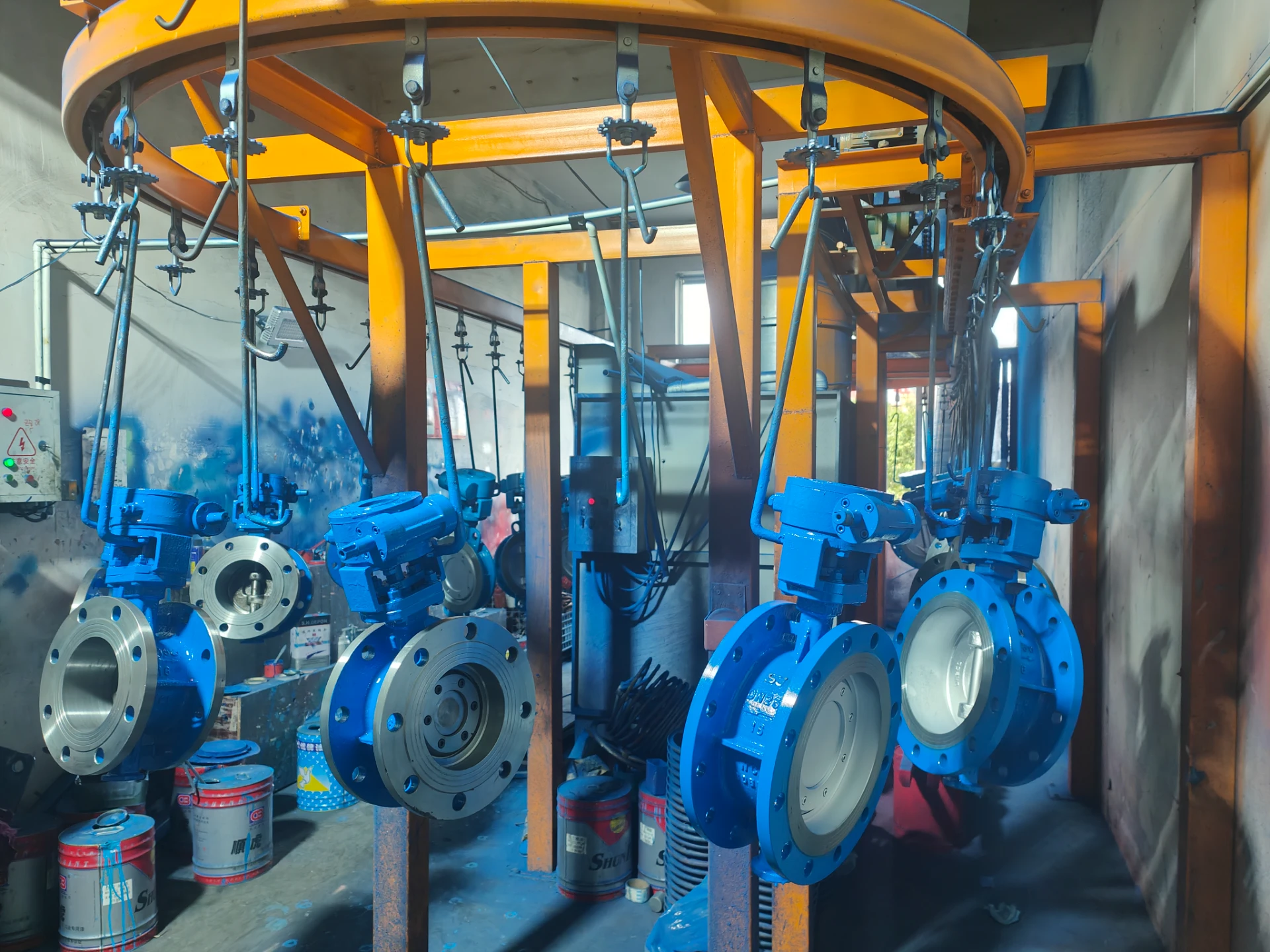
The body of a 2-inch globe valve is typically manufactured from cast iron (ASTM A128), ductile iron (ASTM A536), carbon steel (ASTM A105), or stainless steel (304/316 – ASTM A351). Material selection hinges on the fluid handled and the operating environment. For corrosive fluids, stainless steel offers superior resistance, while cast iron provides cost-effectiveness for water or air applications. The disc, responsible for flow control, often utilizes bronze (B148), Monel, or PTFE-coated materials for wear resistance and sealing. Seat materials frequently include reinforced PTFE, EPDM, or other elastomers to ensure leak-tight shut-off. Manufacturing processes involve sand casting for the body, followed by precision machining to achieve dimensional accuracy. The disc is typically investment cast or forged. Welding procedures (AWS D1.1 for steel) are critical for joining components, requiring qualified welders and non-destructive testing (NDT) such as radiographic inspection. Critical parameters monitored during manufacturing include body wall thickness, disc concentricity, seat surface finish (Ra < 0.8 μm), and hardness testing (Brinell/Vickers) to guarantee material integrity. Chemical composition verification via spectrometers confirms adherence to specified alloy standards. Stem packing utilizes materials like graphite-based packing or PTFE, compressed to prevent leakage around the stem.
Performance & Engineering
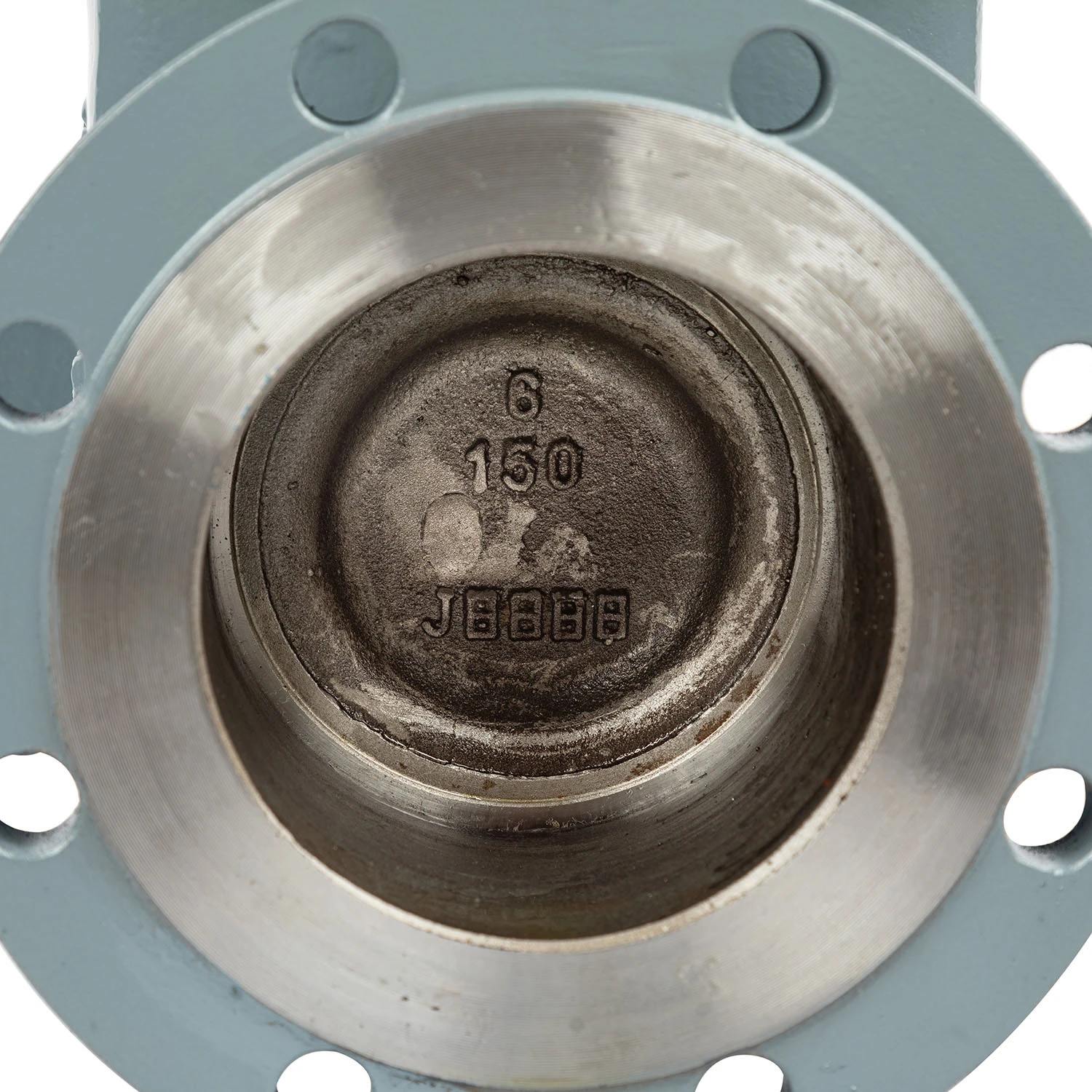
Performance of a 2-inch globe valve is heavily influenced by fluid dynamics and stress analysis. Force analysis considers hydrostatic forces from fluid pressure, thermal stresses from temperature fluctuations, and mechanical stresses during valve operation. Bernoulli’s principle dictates the relationship between flow rate, pressure drop, and valve opening. The valve’s coefficient of flow (Cv) is a crucial engineering parameter, representing the volumetric flow rate of water at a pressure drop of 1 psi. Environmental resistance is paramount; the valve must withstand temperature extremes, humidity, and potential exposure to corrosive atmospheres. Compliance requirements include ASME B16.34 for pressure testing, API 598 for inspection and testing, and potentially SIL (Safety Integrity Level) certification for critical safety applications. The valve's design incorporates a streamlined flow path to minimize turbulence and cavitation, which can lead to erosion and noise. Stem packing is engineered to prevent fugitive emissions, adhering to EPA standards. Finite element analysis (FEA) is employed during the design phase to optimize body geometry and ensure structural integrity under maximum operating pressure. The angle of the seat and the shape of the disc significantly impact the valve’s throttling characteristics.
Technical Specifications
| Parameter | Specification | Units | Test Standard |
|---|---|---|---|
| Nominal Size | 2 inch | - | ANSI/ASME B16.10 |
| Pressure Rating | 125/150/300 | psi | ASME B16.34 |
| Connection Type | Screwed/Flanged/Welded | - | ANSI/ASME B16.5 |
| Body Material | Cast Iron/Ductile Iron/Carbon Steel/Stainless Steel | - | ASTM A128/A536/A105/A351 |
| Disc Material | Bronze/Stainless Steel/PTFE Coated | - | B148/ASTM A351 |
| Seat Material | PTFE/EPDM/Reinforced PTFE | - | - |
Failure Mode & Maintenance
Common failure modes in 2-inch globe valves include seat erosion due to high-velocity flow, disc corrosion from incompatible fluids, stem packing leakage caused by wear or improper compression, body cracking from thermal cycling or excessive pressure, and cavitation damage leading to pitting and erosion. Fatigue cracking can occur in the body and disc under cyclical loading. Failure analysis often reveals root causes linked to improper material selection, inadequate maintenance, or exceeding operational limits. Preventative maintenance involves regular inspection of the stem packing for leaks, lubrication of moving parts, and periodic hydrostatic testing to verify body integrity. Seat replacement is necessary when erosion or damage compromises shut-off capability. For corroded components, material upgrade or coating application is recommended. Non-destructive testing (ultrasonic testing, liquid penetrant inspection) can detect hidden cracks or flaws. A detailed maintenance log should track all inspections, repairs, and replacements. Cavitation damage can be mitigated by controlling flow velocity and ensuring adequate upstream pressure. Proper valve selection based on fluid compatibility and operating conditions is crucial for long-term reliability.
Industry FAQ
Q: What is the primary difference between a globe valve and a gate valve in terms of application?
A: Globe valves are designed for frequent operation and throttling applications where precise flow control is required. Gate valves, conversely, are optimized for fully open or fully closed service and are not well-suited for throttling due to potential erosion of the gate and seat. Using a gate valve for throttling drastically reduces its lifespan.
Q: How does the material of the valve body affect its suitability for specific fluids?
A: The valve body material must be chemically compatible with the fluid being handled. Carbon steel is suitable for water and some oils, but is susceptible to corrosion in acidic or alkaline environments. Stainless steel provides excellent resistance to corrosion from a wide range of chemicals, while cast iron is more economical for non-corrosive fluids. Selecting the wrong material can lead to premature failure.
Q: What is the significance of the Cv value in globe valve selection?
A: The Cv value represents the valve’s flow capacity. It allows engineers to accurately size the valve to meet specific flow rate requirements within a system while maintaining acceptable pressure drop. A higher Cv value indicates a greater flow capacity.
Q: What preventative measures can be taken to minimize cavitation damage?
A: Cavitation occurs when pressure drops below the fluid’s vapor pressure, forming bubbles that collapse and cause damage. Maintaining sufficient upstream pressure, controlling flow velocity, and selecting a valve design that minimizes pressure drop are effective preventative measures.
Q: How often should stem packing be replaced or adjusted?
A: Stem packing should be inspected regularly (e.g., during scheduled maintenance) for signs of leakage. Adjusting the packing gland may temporarily resolve minor leaks, but complete replacement is necessary when the packing material is worn or compressed beyond its effectiveness. Frequency depends on operating conditions and fluid type.
Conclusion
The 2-inch globe valve remains a critical component in numerous industrial applications requiring precise flow control. Its design, material selection, and manufacturing processes are intricately linked to performance, reliability, and longevity. Understanding the nuanced interplay between fluid dynamics, material science, and industry standards is vital for engineers and procurement professionals.
Future advancements in globe valve technology will likely focus on enhanced sealing materials, optimized flow paths to minimize pressure drop, and smart valve systems incorporating sensors for remote monitoring and predictive maintenance. Continuous improvement in manufacturing techniques, alongside adherence to stringent quality control protocols, will ensure the continued suitability of 2-inch globe valves for demanding industrial environments.
-
Top Reasons to Choose a Stainless Steel Flange Check Valve for Industrial Applications
-
8 inch flange Performance Analysis
-
angle ring flanges Performance Analysis
-
Flat Flanges Performance Analysis
-
Full Face Flange Performance Analysis
-
Full Face Flanges Performance Analysis
-
flange 8 inch Performance Analysis
-
Ring Flange Performance Analysis
-
3 inch split flange Performance Analysis
-
Tongue and groove flange Performance Analysis
-
Grooved Flange Performance Analysis
-
o ring flange Performance Analysis
-
Ring Flanges Performance Analysis
-
Groove Flange Performance Analysis
-
Tongue and groove flanges Performance Analysis
 Afrikaans
 Albanian
 Amharic
 Arabic
 Armenian
 Azerbaijani
 Basque
 Belarusian
 Bengali
 Bosnian
 Bulgarian
 Catalan
 Cebuano
 Corsican
 Croatian
 Czech
Czech
 Danish
 Dutch
Dutch
 Esperanto
 Estonian
 Finnish
 French
 Frisian
 Galician
 Georgian
 German
 Greek
Greek
 Gujarati
 Haitian Creole
 Hausa
Hawaiian
Hausa
Hawaiian
 Hebrew
 Hindi
Hindi
 Miao
Miao
 Hungarian
 Icelandic
 Igbo
Igbo
 Indonesian
 Irish
Irish
 Italian
 Japanese
 Javanese
Kannada
Javanese
Kannada
 Kazakh
 Khmer
Khmer
 Rwandese
 Korean
 Kurdish
 Kyrgyz
 Lao
Lao
 Latin
Latin
 Latvian
 Lithuanian
 Luxembourgish
 Macedonian
 Malgashi
 Malay
Malay
 Malayalam
 Maltese
 Maori
Maori
 Marathi
 Mongolian
 Myanmar
 Nepali
 Norwegian
 Norwegian
 Occitan
 Pashto
 Persian
 Polish
 Portuguese
Punjabi
Portuguese
Punjabi
 Romanian
 Russian
 Samoan
 Scottish Gaelic
 Serbian
 Sesotho
 Shona
Shona
 Sindhi
 Sinhala
 Slovak
 Slovenian
 Somali
 Spanish
 Sundanese
 Swahili
 Swedish
Tagalog
Swedish
Tagalog
 Tajik
Tajik
 Tamil
Tamil
 Tatar
Tatar
 Telugu
 Thai
Thai
 Turkish
 Turkmen
 Ukrainian
 Urdu
Urdu
 Uighur
 Uzbek
Uzbek
 Vietnamese
 Welsh
Welsh
 Bantu
Bantu
 Yiddish
 Yoruba
 Zulu
Zulu
 English